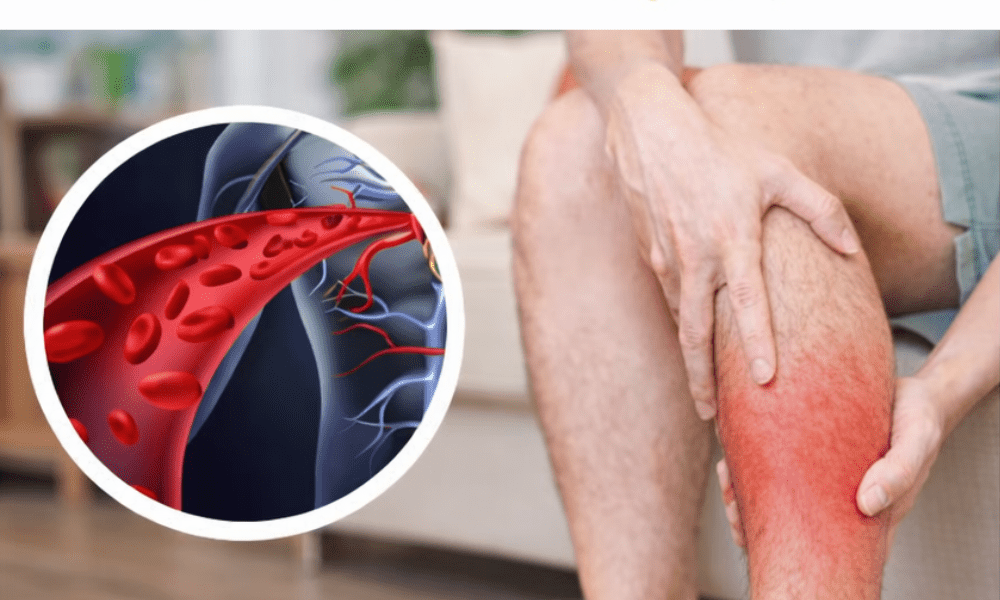

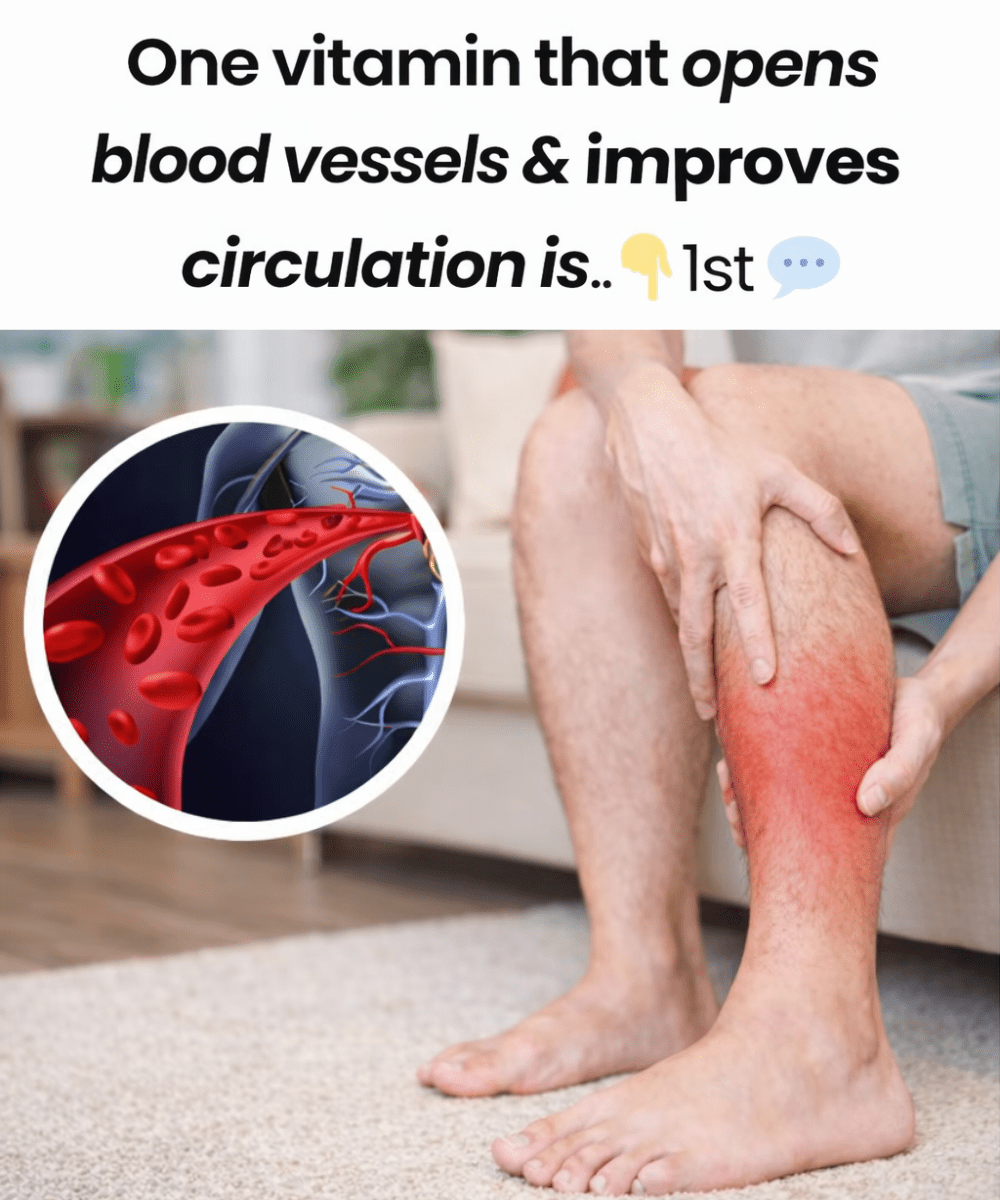
Picture those heavy, tired legs after a short walk around the block, or the subtle numbness in your feet that lingers longer than it used to. After 50, many notice these quiet signs of slowing circulation — cold hands, leg cramps, or just less energy for daily activities. These changes can feel frustrating and limiting, making simple pleasures harder to enjoy.
The reassuring part? Certain nutrients, like vitamin B3 (also known as niacin), play a role in how blood vessels function. Research explores whether getting enough niacin through food or carefully considered supplements might offer gentle support. Let’s look closer at what the evidence suggests.
Understanding Vitamin B3: What Is Niacin and How Does It Work?
Vitamin B3, or niacin, is an essential nutrient your body needs for turning food into energy and keeping cells healthy. It comes in different forms: nicotinic acid (which can cause a harmless flushing sensation), nicotinamide, and precursors like nicotinamide riboside (NR).
For circulation, niacin stands out because nicotinic acid can help widen blood vessels temporarily — a process called vasodilation. This may improve blood flow in some cases. Niacin also supports cholesterol management by raising “good” HDL and lowering triglycerides, which indirectly benefits vessel health over time.
Studies, including those from the National Institutes of Health, note niacin’s long history in supporting lipidlipidemia. But benefits for everyday circulation in seniors vary, and it’s not a standalone solution.
Why Circulation Can Become a Concern After 50
As we age, blood vessels naturally stiffen, and factors like diet, activity levels, and health conditions can add strain. Poor circulation might show up as tired legs, slower healing, or discomfort during movement — issues that affect quality of life.
Research highlights that maintaining nutrient balance, including adequate vitamin B3, supports endothelial function — the inner lining of blood vessels. One older study linked higher dietary niacin to better flow-mediated dilation, a marker of vessel flexibility.
A more recent area of interest: nicotinamide riboside (NR), a form of B3. A 2024 randomized trial published in Nature Communications tested NR in people with peripheral artery disease (PAD). Results showed modest improvements in 6-minute walking distance for those who took it consistently — about 31 meters more in adherent participants compared to placebo.
These findings are promising but preliminary; larger studies continue to explore NR’s role.
Natural Food Sources Rich in Vitamin B3
Most people get enough niacin from everyday foods. Your body can even make small amounts from tryptophan, an amino acid in protein-rich items.
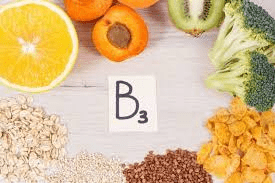
Here are some excellent sources:
- Poultry (chicken, turkey)
- Fish (salmon, tuna)
- Lean meats
- Peanuts and sunflower seeds
- Avocados
- Whole grains
- Mushrooms and green peas
| Food Source | Approximate Niacin per Serving | Why It Helps Circulation Support |
|---|---|---|
| Grilled Chicken Breast (3 oz) | 10–12 mg | Lean protein with high bioavailability |
| Baked Salmon (3 oz) | 8–10 mg | Plus omega-3s for vessel health |
| Tuna (canned, 3 oz) | 10–11 mg | Convenient and heart-friendly |
| Peanuts (1 oz) | 4–5 mg | Plant-based snack option |
| Avocado (half) | 2–3 mg | Adds healthy fats |
Aim for the recommended daily amount: 14 mg for women and 16 mg for men over 50.
Considering Niacin Supplements: Benefits and Cautions
Some turn to supplements for higher doses, especially nicotinic acid for cholesterol support. Therapeutic doses (1,000–2,000 mg) require medical supervision and can improve lipid profiles significantly.
However, high doses often cause flushing — warm, red skin that’s temporary but uncomfortable. More serious risks include liver concerns or glucose changes.
Recent research also raises questions about excess niacin contributing to inflammation in some cases. Always start with food sources and discuss supplements with your doctor.
Nicotinamide riboside (NR) supplements show early promise for energy and mobility but aren’t proven for general circulation yet.
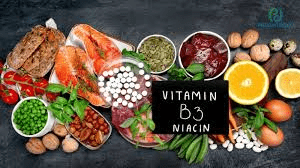
Practical Ways to Include More Vitamin B3 Daily
- Build balanced meals — Add tuna salad or grilled chicken to lunches for a natural boost.
- Snack smart — Choose a handful of peanuts or sunflower seeds.
- Incorporate variety — Try salmon twice a week with whole grains.
- Monitor portions — Spread intake across meals for steady absorption.
- Pair wisely — Combine with other B vitamins (like in fortified cereals) for better use.
Small habits add up — many notice more energy when focusing on nutrient-rich foods.
Enjoying an Active Lifestyle with Better Support
Staying active remains one of the best ways to encourage healthy circulation — walking, gentle yoga, or swimming complement nutrient choices.
If tired legs or poor blood flow concern you, vitamin B3 from foods offers a safe starting point. Emerging research on forms like NR adds interest, but evidence evolves.
Talk to your healthcare provider about your levels, especially if considering supplements.
Frequently Asked Questions
1. Does niacin directly open blood vessels long-term?
Nicotinic acid causes temporary widening, but lasting benefits tie more to overall vessel health from diet and lifestyle.
2. Is nicotinamide riboside the same as regular niacin?
No — it’s a precursor with different effects, often studied for cellular energy rather than immediate vasodilation.
3. Can I take high-dose niacin without a doctor?
No, higher doses carry risks and need monitoring for safety and effectiveness.
This article is for informational purposes only and is not a substitute for professional medical advice. Always consult your healthcare provider before making changes to your diet or starting supplements, particularly if you have health conditions or take medications.