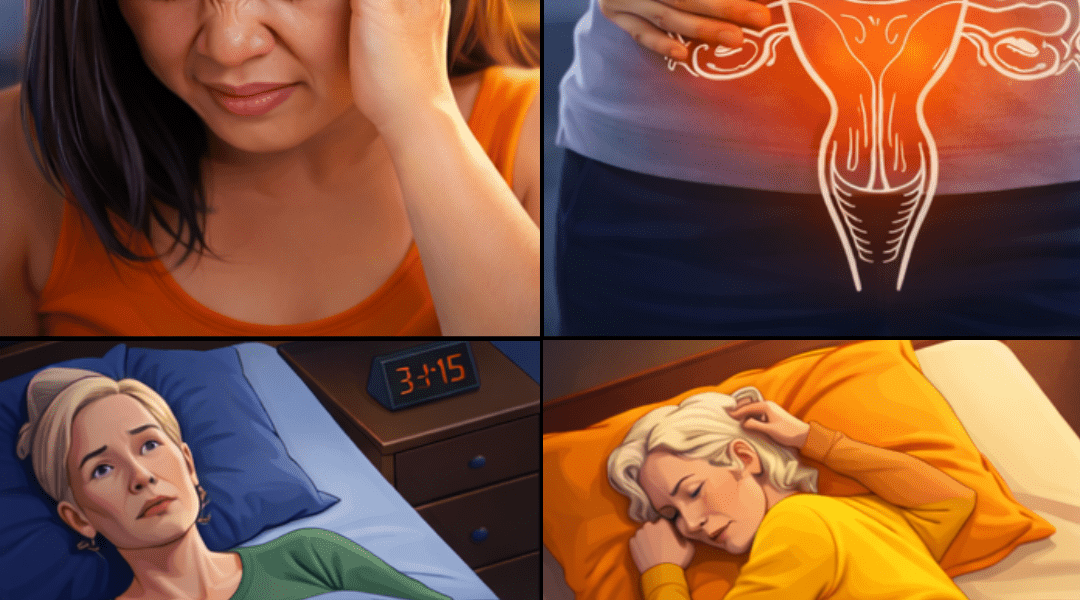

If you’re in your mid-40s or beyond and suddenly dealing with unexplained night sweats that leave you wide awake and frustrated, or moments where words escape you mid-conversation, leaving you feeling scattered and unlike yourself, these changes can feel alarming and isolating. Menopause is a natural transition that impacts millions of women, often bringing a mix of physical and emotional shifts that disrupt daily life, from poor sleep affecting your energy to mood changes straining relationships. Understanding these signs can help you feel less alone and more empowered to seek support. Keep reading to explore nine common indicators, with insights from reliable sources like the Mayo Clinic and The Menopause Society.
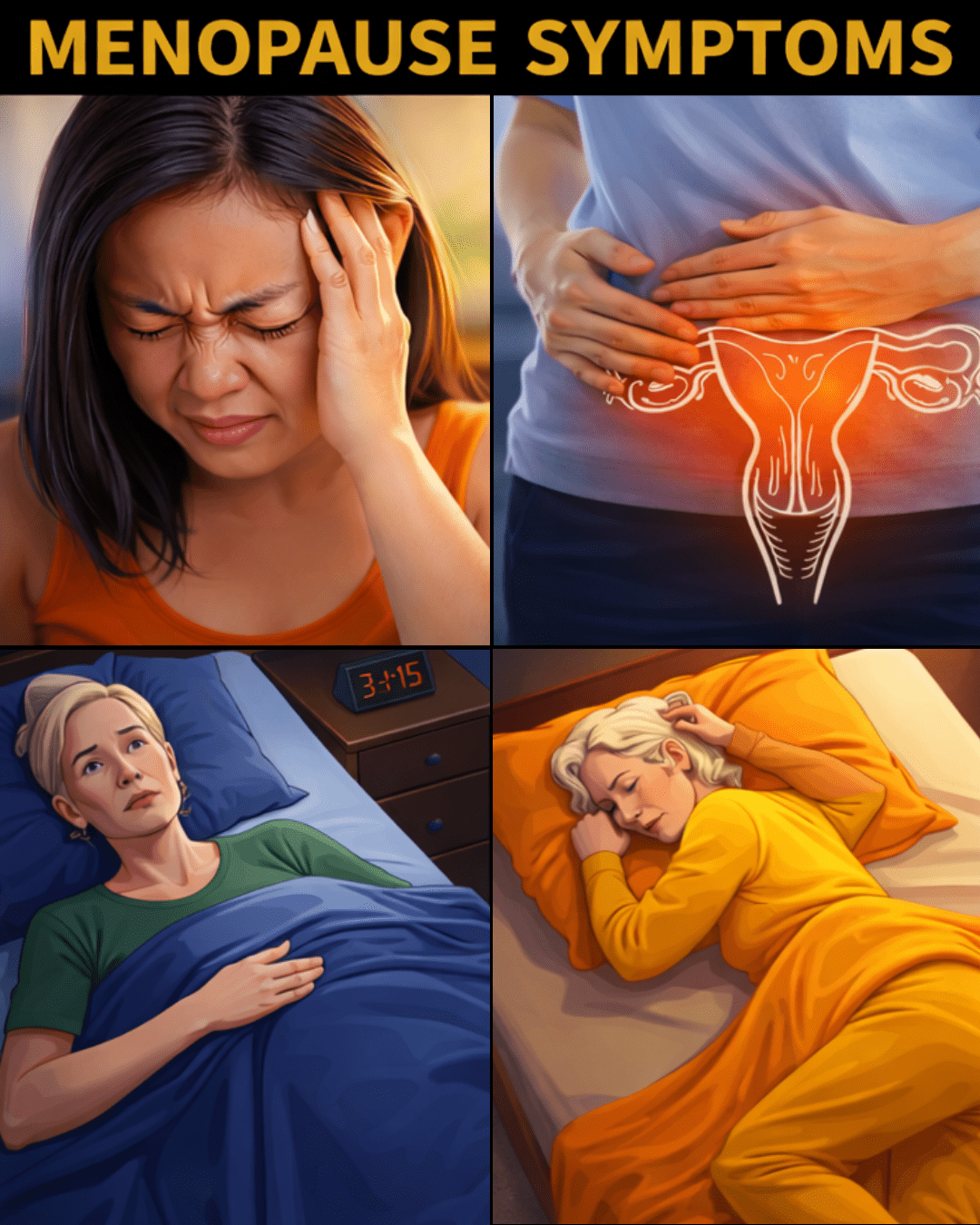
Why Menopause Often Feels Confusing and Overwhelming
Menopause officially occurs when periods stop for 12 consecutive months, typically around age 52 in the US, as ovaries produce less estrogen. This hormonal shift affects sleep, mood, body temperature regulation, and more, with symptoms varying widely among women. Many feel caught off guard, wondering if it’s stress, aging, or something else entirely. Perimenopause, the lead-up phase, can last years and bring irregular changes that heighten uncertainty and daily frustration. Real stories from women show how these signs connect, but recognizing patterns brings clarity. Let’s start with one of the most talked-about experiences.

9. Hot Flashes and Night Sweats – The Sudden Heat Waves
Hot flashes strike suddenly, bringing intense warmth, often starting in the chest and spreading upward, followed by sweating that leaves you uncomfortable and chilled. Night sweats can drench bedding, waking you repeatedly and robbing restful sleep, which adds to exhaustion the next day. Affecting up to 80% of women during menopause, these vasomotor symptoms stem from estrogen fluctuations disrupting the body’s thermostat. You might dismiss them as room temperature issues at first, but frequent episodes signal a deeper change. Ever notice your heart pounding during one?
- Sudden intense heat in the upper body
- Profuse sweating, especially at night
- Episodes lasting seconds to minutes, unpredictable timing
8. Irregular Periods – When Cycles Become Unpredictable
Periods may skip months, become heavier or lighter, or include unexpected spotting, making planning difficult and adding worry about what’s normal. As ovulation becomes less consistent in perimenopause, these shifts affect many women and can feel chaotic. You might attribute it to stress or travel, but persistent irregularities over months often tie to declining estrogen. Tracking helps spot patterns amid the frustration of unreliable cycles. Mood changes often follow closely.

7. Mood Swings and Irritability – Emotional Rollercoasters
One minute you’re calm, the next snapping over small things, followed by regret or tears that seem out of proportion. These swings stem from estrogen’s influence on brain chemistry, impacting mood stability for a significant portion of women. Feeling like you’re not yourself can strain relationships and self-confidence. It’s easy to blame external pressures, but hormonal links explain why these feel more intense. Brain fog is another common companion.
6. Brain Fog – When Focus and Memory Slip
Forgetting names, losing your train of thought, or struggling with concentration can make work or conversations feel effortful. Many women describe it as mental cloudiness, tied to estrogen’s role in cognitive support, plus sleep disruptions and mood effects. Around two-thirds report memory complaints during the transition. You might worry it’s permanent aging, but it’s often temporary. Persistent tiredness compounds this.
5. Fatigue – Constant Tiredness Despite Rest
Dragging through days with low energy, even after sleep, feels draining and limits activities you once enjoyed. Night sweats, hormonal changes, and mood shifts contribute, leaving you depleted. Many women feel it’s just life demands, but unrelieved fatigue points to menopause. Weight changes often appear alongside.

4. Weight Gain – Especially Around the Midsection
Pounds accumulate, particularly belly fat, even with familiar habits, due to slower metabolism from lower estrogen. This stubborn shift frustrates efforts to maintain shape and can affect body image. Blaming occasional indulgences is common, but hormonal factors play a key role. Intimate changes may follow.
- Tendency for abdominal weight gain
- Harder to lose despite diet and exercise
- Linked to metabolic slowdown
3. Vaginal Dryness – Discomfort in Intimacy
Thinning tissues lead to dryness, irritation, or pain during sex, making closeness uncomfortable emotionally and physically. Lower estrogen reduces lubrication and elasticity, affecting many women. You might think it’s just aging, but it’s a common menopause sign worth addressing. Sleep disturbances often worsen everything.
2. Sleep Problems – Trouble Falling or Staying Asleep
Racing thoughts, night sweats, or waking frequently disrupt rest, leaving you groggy and irritable. Hormonal fluctuations contribute to insomnia-like issues for a majority during this time. Stress might seem the culprit, but persistent patterns suggest otherwise. Joint discomfort rounds out the list.
1. Joint Pain – Aching and Stiffness
Aches in knees, hips, or hands feel more pronounced, with stiffness that eases slowly. Estrogen helps modulate inflammation, so its decline can increase discomfort. You might credit activity or weather, but ongoing issues often connect to menopause. These signs overlap and amplify each other.
Quick Comparison: Menopause Signs and What to Watch For
| Sign | Common Cause | Key Clue to Track | When to Consider Support |
|---|---|---|---|
| Hot Flashes/Night Sweats | Estrogen fluctuations | Frequency and disruption to sleep | Multiple times weekly |
| Irregular Periods | Ovulation changes | Skipped or heavy cycles for months | 3+ months of changes |
| Mood Swings | Brain chemistry shifts | Unexplained irritability or tears | Affecting relationships |
| Brain Fog | Hormonal impact on cognition | Daily memory or focus lapses | Interfering with work/daily tasks |
| Fatigue | Sleep disruption + hormones | No refresh from rest | Persistent despite lifestyle tweaks |
| Weight Gain | Metabolic slowdown | Belly-focused, hard to shift | Unexplained despite habits |
| Vaginal Dryness | Lower estrogen | Discomfort during intimacy | Ongoing irritation |
| Sleep Problems | Hormonal + night sweats | Nightly awakenings | Affecting daytime energy |
| Joint Pain | Increased inflammation | Stiffness lasting weeks | Limiting movement |
This overview highlights how signs interconnect, helping you identify patterns without assuming everything is menopause-related.

Your Next Steps: Taking Charge of Your Transition
If several signs resonate and persist, start a simple symptom journal noting frequency, triggers, and impact. Share details with your healthcare provider—they can rule out other causes and discuss options like lifestyle adjustments, nonhormonal approaches, or hormone therapy when appropriate. Many women find relief through cooling strategies, mindfulness, or targeted support, regaining comfort and confidence. You’re not alone in this shift.
Frequently Asked Questions
What is the average age for menopause?
Most women reach menopause around age 52, though perimenopause symptoms often start in the mid-40s, varying by individual factors.
How long do menopause symptoms typically last?
Symptoms like hot flashes may peak early and improve over years, but some persist longer—tracking helps gauge your experience.
When should I see a doctor about these signs?
If symptoms disrupt daily life, sleep, mood, or intimacy significantly, or if changes feel sudden/severe, consult a professional to explore causes and support.
This article is for informational purposes only and is not a substitute for professional medical advice. Always consult your healthcare provider for personalized guidance regarding symptoms or concerns.