

Breast cancer remains one of the most common cancers affecting women worldwide, and while many cases are detected through routine screening before any noticeable changes appear, paying attention to subtle shifts in your breasts can make a real difference. It’s natural to feel worried when something feels off—after all, your body is sending signals that deserve attention. The good news is that being aware of potential changes empowers you to take proactive steps toward your health. But here’s something important: some signs can appear gradually, even before a lump becomes obvious. In the sections below, we’ll explore four key early indicators backed by trusted health organizations, and stick around until the end for practical steps you can take right away to stay on top of your breast health.
Why Early Awareness Matters More Than You Think
Most breast cancers in their earliest stages don’t cause dramatic symptoms. Research from organizations like the American Cancer Society shows that screening tools such as mammograms often catch issues long before they become noticeable. However, knowing your breasts’ normal look and feel helps spot unusual patterns early. Studies indicate that awareness combined with regular check-ups contributes to better outcomes when changes are addressed promptly.
But that’s not the full picture. Many benign conditions mimic these signs, so they’re not definitive proof of anything serious. The key is observation and professional evaluation. Let’s dive into the four signs that experts say warrant attention.
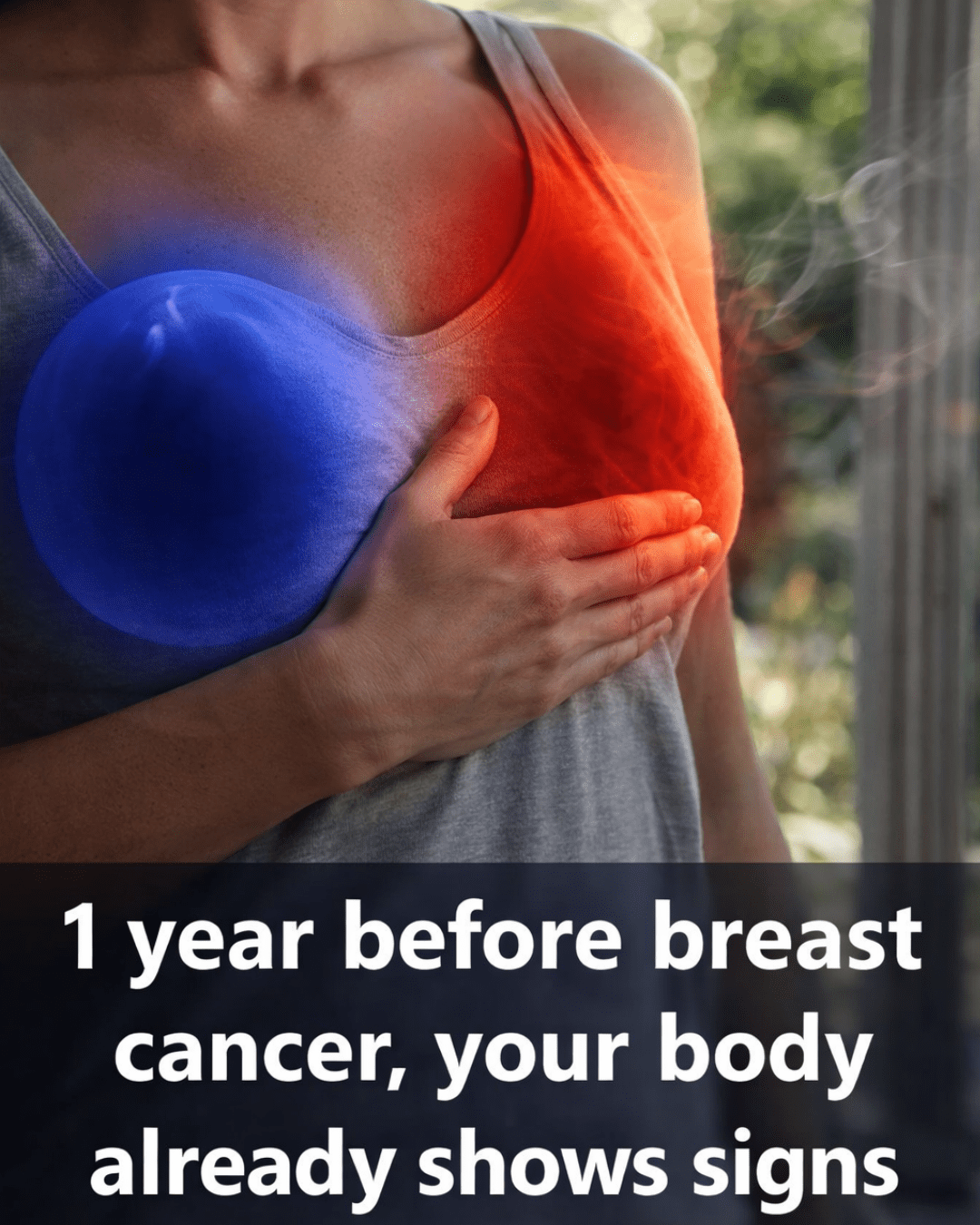
1. A New Lump or Thickening in the Breast or Underarm Area
The most talked-about change is a new lump or mass in the breast tissue or armpit. According to the American Cancer Society and Mayo Clinic, this is often the first thing people notice, though not all lumps are cancerous—many turn out to be cysts or fibroadenomas.
- It might feel hard with irregular edges, but it can also be soft, round, or even tender.
- Sometimes it’s painless, which makes it easy to overlook.
- Pay special attention if it’s different from the usual texture of your breasts.
But here’s the thing… not every lump means trouble. Hormonal fluctuations, especially around your menstrual cycle, can cause temporary changes. Still, any persistent new lump deserves a doctor’s review.

2. Changes in Breast Size, Shape, or Contour
One breast suddenly looking or feeling different from the other can be an early clue. This includes:
- Unexplained swelling in part or all of the breast
- A shift in size or shape that isn’t related to weight changes, pregnancy, or menstruation
- Skin dimpling or puckering, sometimes described as looking like orange peel texture
The Mayo Clinic notes that these visual or tactile differences can stem from tissue changes beneath the surface. If one breast begins to appear asymmetrical without an obvious reason, it’s worth monitoring closely.
And remember this: asymmetry is common naturally, but a sudden or progressive change is what raises concern.
3. Skin Changes or Redness on the Breast
Your breast skin can reveal a lot. Watch for:
- Redness, warmth, or irritation that doesn’t resolve
- Scaling, flaking, or rash-like appearance, especially around the nipple
- Dimpling or thickening of the skin
These symptoms sometimes get mistaken for infections or allergies, but persistent changes—particularly if one breast is affected more—should prompt a visit. Reliable sources like the CDC and Susan G. Komen emphasize that inflammatory changes can signal something needing attention.
The truth is, these aren’t everyday issues for most people, so don’t brush them off as minor skin problems.

4. Nipple Changes or Unusual Discharge
Nipple alterations can be subtle but significant. Common ones include:
- Nipple turning inward (inversion) when it was previously normal
- Pain, burning, or tenderness in the nipple area
- Discharge that’s clear, bloody, or occurs without squeezing (especially if only from one breast)
The American Cancer Society points out that while discharge is often benign (like from hormonal causes), bloody or spontaneous discharge is a red flag. Any new inversion or persistent discomfort isn’t something to ignore.
This is often the part people overlook—nipples can change quietly over time.
How to Perform a Simple Breast Self-Awareness Check (Step-by-Step)
Staying proactive doesn’t require fancy tools. Here’s a straightforward routine you can do monthly, ideally a few days after your period ends when breasts are less tender:
- Stand in front of a mirror with your arms at your sides, then raise them overhead—look for changes in shape, size, or skin texture.
- Lie down and use the pads of your fingers (not tips) to gently press in circular motions, covering the entire breast and armpit area.
- Check for discharge by gently squeezing the nipple—note anything unusual.
- Repeat while standing or sitting to compare how things feel in different positions.
Do this regularly to learn what’s normal for you. If anything feels off, jot it down and contact your healthcare provider.

When to See a Doctor: Don’t Wait
If you notice any of these four signs—or anything new that worries you—schedule an appointment promptly. Early consultation often leads to simple reassurance or quick next steps like imaging. Remember, most changes turn out benign, but checking provides peace of mind.
Here’s the encouraging part: Awareness like this, paired with recommended screenings (such as mammograms starting at age 40 or earlier based on risk factors), puts you in control.
Frequently Asked Questions
What if I have one of these signs but no lump—could it still be serious?
Yes, some breast cancers present without a palpable lump, especially in early stages. Skin changes, nipple issues, or asymmetry alone can be important clues. Always get checked for clarity.
Are these signs different for men?
Breast cancer in men is rare but possible. Men may notice similar changes like lumps, nipple discharge, or skin alterations—though symptoms can be more noticeable due to less breast tissue.
How often should I do breast self-checks?
Monthly is ideal for building familiarity. Combine it with annual clinical exams and screenings as recommended by your doctor or guidelines from groups like the American Cancer Society.
Breast health is personal, and no one knows your body better than you. Staying attentive to changes isn’t about fear—it’s about empowerment and care.
Disclaimer: This article is for informational purposes only and is not a substitute for professional medical advice. Always consult a qualified healthcare provider for any concerns about your health or symptoms. Early detection through regular screenings and prompt evaluation of changes is key, but only a medical professional can provide diagnosis or recommendations.