
Imagine dealing with recurring minor infections or feeling run down more often than you’d like, especially during cold and flu season. Many people turn to everyday kitchen staples hoping for gentle, supportive help from nature. Garlic stands out as one of the most researched foods with natural compounds that show promising antimicrobial properties in lab studies. But what makes this humble bulb so special, and how can you make the most of it in your daily routine?
Research has long highlighted garlic’s unique sulfur-containing compounds, particularly when the cloves are crushed or chopped. Keep reading to discover how these work, practical ways to incorporate garlic for potential immune support, and why fresh preparation matters more than you might think. By the end, you’ll have actionable steps to try today.
What Makes Garlic a Natural Powerhouse?
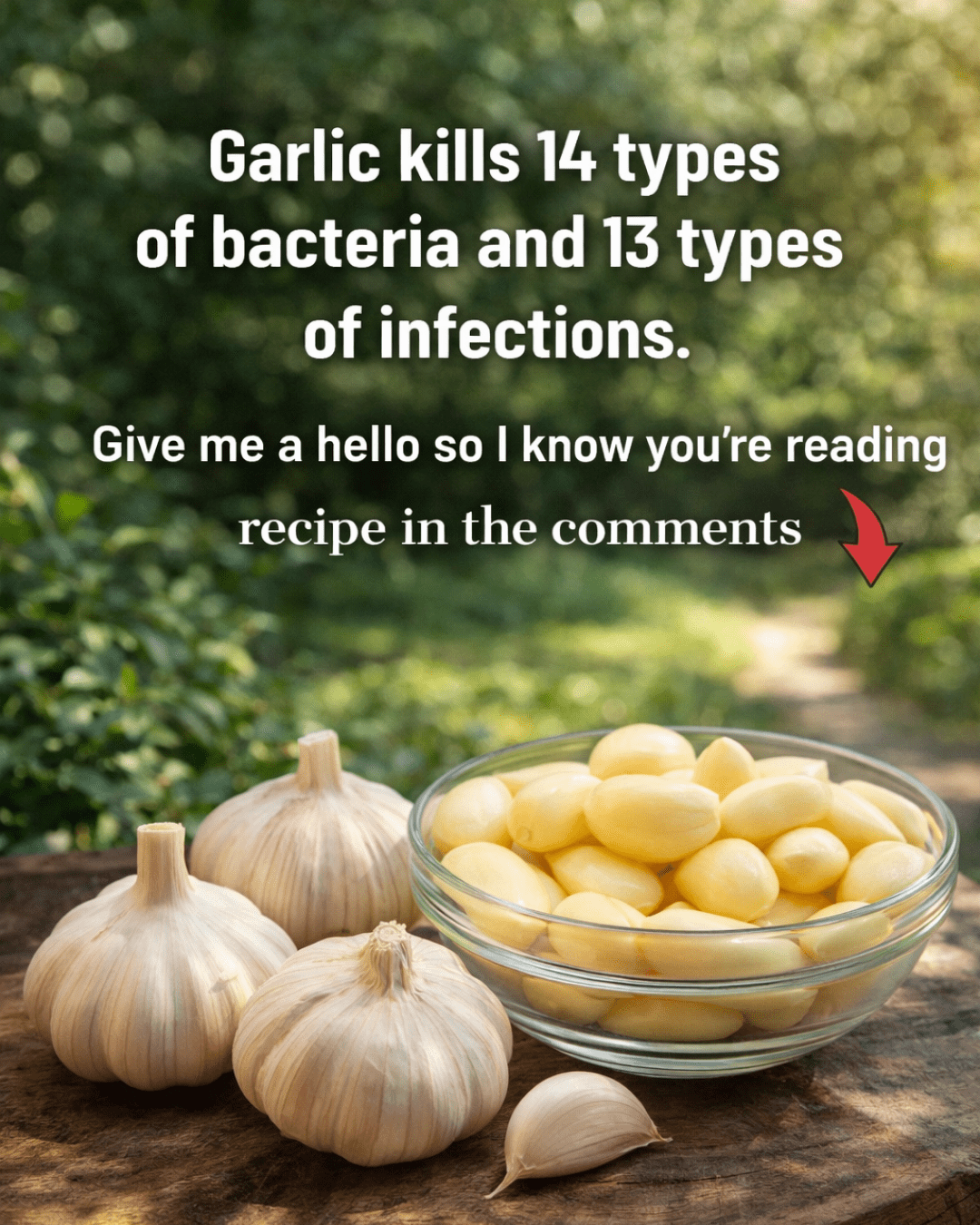
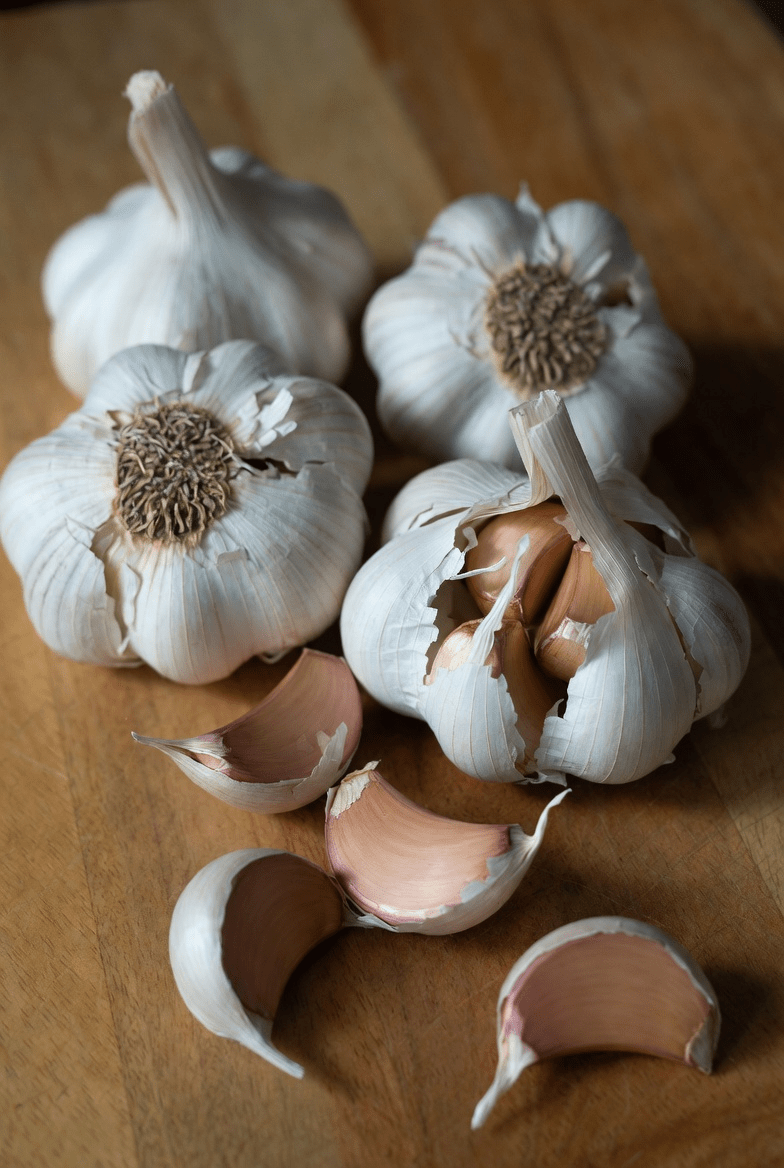
Garlic (Allium sativum) has been valued for centuries across cultures for its distinctive flavor and potential health-supporting roles. The key lies in its organosulfur compounds, which form when you damage the garlic tissue—like crushing, chopping, or chewing it.
The star compound here is allicin, created through an enzymatic reaction when raw garlic is broken. Studies show allicin exhibits broad antimicrobial activity in test-tube and lab settings against various bacteria, including both Gram-positive and Gram-negative types. For instance, research published in scientific journals has demonstrated that allicin can inhibit the growth of a range of bacteria, contributing to garlic’s reputation as a supportive natural substance.
But allicin is unstable—it breaks down quickly after formation and during cooking or storage. That’s why many experts emphasize using fresh garlic for maximum potential benefits.
How Garlic’s Compounds May Help Fight Infections
Lab-based studies have explored garlic’s effects on microbes extensively. Allicin and related sulfur compounds appear to disrupt bacterial cell walls, interfere with enzyme activity, and even inhibit biofilm formation (the protective layers some bacteria create).
- Research indicates activity against common pathogens like Staphylococcus, Streptococcus, and certain strains resistant to antibiotics in vitro.
- Some investigations suggest garlic extracts can support the body’s response to respiratory bugs or minor wound-related issues.
- While not a replacement for medical treatment, these findings explain why garlic often appears in discussions about natural ways to bolster defenses.
However, human studies are more limited. Most evidence comes from cell cultures or animal models, with fewer large-scale clinical trials confirming effects in people. Still, the consistent lab results make garlic a fascinating topic for anyone interested in food-based wellness.
But that’s not all… Let’s look at how you can harness these properties safely and effectively.
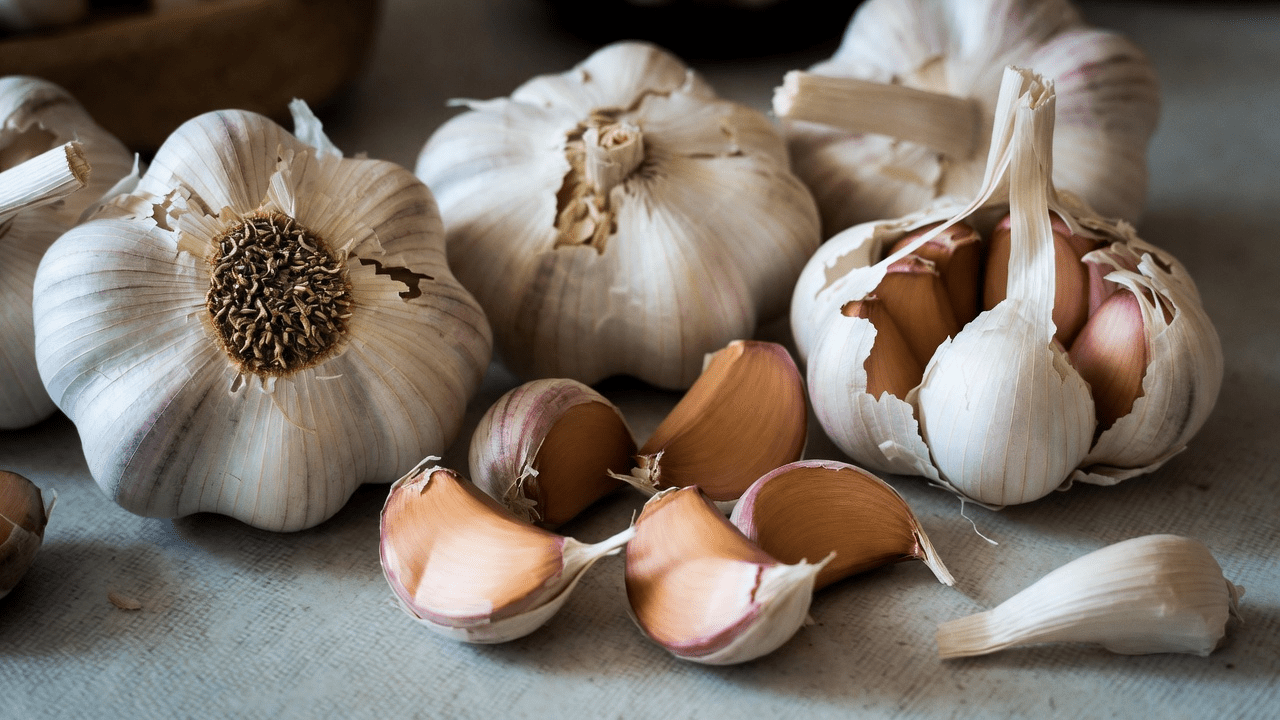
Practical Ways to Use Garlic for Everyday Support
Incorporating garlic doesn’t require fancy supplements—fresh, whole cloves often provide the most active compounds. Here’s how to get started:
- Crush or Chop First — Wait 10–15 minutes after crushing before eating or cooking. This allows full allicin formation.
- Add to Meals Raw or Lightly Cooked — Use in salads, dressings, or as a finishing touch to preserve more compounds (heat reduces allicin).
- Make a Simple Garlic Infusion — Steep crushed cloves in warm (not boiling) water for a gentle tonic.
- Combine with Other Supportive Foods — Pair with honey, ginger, or lemon for flavor and added wellness perks.
Quick Comparison: Raw vs. Cooked Garlic
- Raw Garlic — Highest allicin potential; strongest antimicrobial effects in studies; pungent taste.
- Cooked Garlic — Milder flavor; some compounds remain stable; still offers antioxidants and other benefits.
- Aged Garlic Extract — Used in many supplements; focuses on stable compounds like S-allyl cysteine for different supportive roles.
Aim for 1–2 cloves per day if it suits your taste and digestion—start small to avoid stomach upset.
Tips to Maximize Garlic’s Potential Benefits
Want to make garlic a regular part of your routine? Try these evidence-inspired habits:
- For Immune Support During Cold Season — Add minced raw garlic to soups or spreads at the end of cooking.
- For General Daily Use — Roast whole bulbs for a sweeter flavor that retains some benefits.
- Storage Secret — Keep fresh garlic in a cool, dry place; avoid pre-peeled or jarred versions, which lose potency.
- Pairing Idea — Combine with probiotic-rich foods (like yogurt) to support gut health alongside antimicrobial effects.
Remember: Consistency matters more than quantity. Small, regular amounts often feel easier and more sustainable.
What the Science Says (and What It Doesn’t)
Numerous reviews and studies (from sources like PubMed and microbiology journals) confirm garlic’s antimicrobial potential in controlled settings. For example:
- Allicin shows activity against a variety of bacteria, including some multidrug-resistant strains in lab tests.
- Garlic compounds may support overall immune function through anti-inflammatory pathways.
That said, garlic is not a cure or guaranteed preventive for infections. It works best as part of a balanced lifestyle with good nutrition, sleep, and hygiene. Human evidence for preventing or treating specific conditions remains preliminary.
Conclusion: Embrace Garlic as a Simple, Supportive Addition
Garlic offers an accessible, flavorful way to add natural compounds that lab research links to antimicrobial support. By focusing on fresh preparation and moderate use, you can enjoy its potential while keeping things realistic and safe.
Whether you’re stirring it into dinner or trying a new recipe, garlic reminds us how powerful everyday foods can be for wellness.
Frequently Asked Questions
Is raw garlic better than cooked for health benefits? Yes, raw or lightly crushed garlic maximizes allicin content based on studies, but cooked garlic still provides valuable antioxidants and milder support.
How much garlic should I eat daily? 1–2 cloves is a common amount in research and traditional use—adjust based on your tolerance and consult a professional if needed.
Can garlic replace antibiotics? No—garlic shows promising lab effects but is not a substitute for prescribed medications. Always follow medical advice for infections.
Disclaimer: This article is for informational purposes only and not intended as medical advice. Garlic may interact with certain medications (like blood thinners) or cause digestive issues in some people. Consult a healthcare professional before making significant dietary changes, especially if you have health conditions or are pregnant.