
10 Natural Ways to Discourage Mice and Rats from Your Home (No Poisons or Traps Needed)

Finding signs of mice or rats in your home can be incredibly frustrating — those tiny droppings, gnaw marks on food packages, and the unsettling sounds at night make anyone feel uneasy. These rodents are clever, persistent, and can quickly turn a small issue into a bigger problem by contaminating surfaces and damaging property. The good news? Many homeowners successfully use simple, natural approaches to make their spaces less inviting to these uninvited guests, relying on scents, habits, and smart prevention instead of harsh chemicals.
In this guide, we’ll explore 10 practical, everyday methods that many people find helpful for discouraging rodents naturally — and stick around until the end for one surprising combination that often gets overlooked but brings everything together for better results.

Why Rodents Keep Coming Back — And How Nature Can Help Deter Them
Mice and rats have an extraordinary sense of smell, far stronger than ours, which they use to find food, water, and safe hiding spots. Research and pest control experts often note that strong, overwhelming odors can disrupt their navigation and make areas feel unsafe or unappealing. This is why many natural repellents focus on scents rodents tend to avoid.
But here’s the key: these methods work best as part of a bigger picture — combining repellents with good housekeeping and sealing entry points. Let’s dive into the most popular natural options.
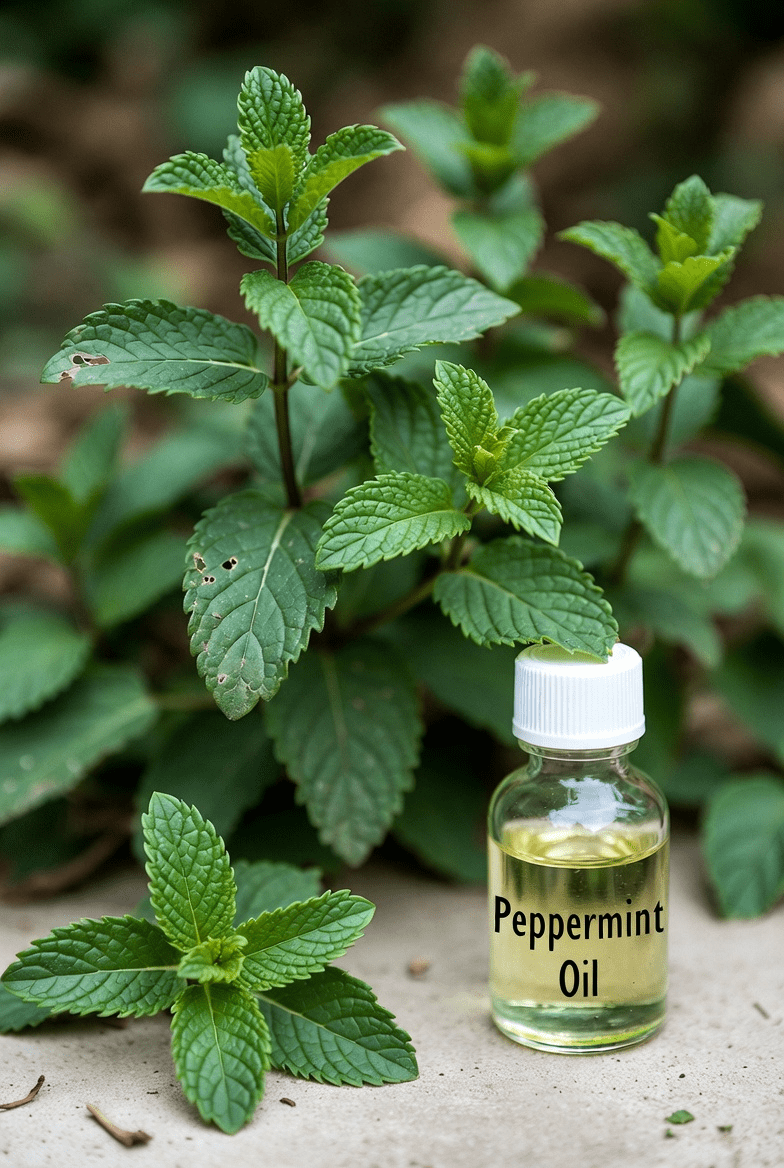
1. Peppermint Oil: The Classic Scent Deterrent
Peppermint oil tops many lists because of its potent menthol aroma.
- Soak cotton balls in pure peppermint essential oil.
- Place them near entry points, along baseboards, in cabinets, and behind appliances.
- Refresh every few days as the scent fades.
Many homeowners report that the sharp smell seems to bother rodents enough to encourage them to look elsewhere. But remember, results can vary — it’s most effective when combined with other steps.
2. Cayenne Pepper: Add a Spicy Barrier
The active compound in cayenne (capsaicin) creates irritation through scent and potential contact.
- Sprinkle powdered cayenne pepper along walls, door thresholds, and suspected entry areas.
- Mix it with water for a spray (add a dash of dish soap to help it stick).
This method is inexpensive and easy, though you’ll need to reapply after cleaning or rain (for outdoor use).
Quick Tip Comparison: Peppermint Oil vs. Cayenne Pepper
- Peppermint Oil — Strong minty scent, pleasant for humans, easy to apply on cotton balls.
- Cayenne Pepper — Pungent and spicy, may irritate eyes/nose during application, great for barriers.
Both are affordable kitchen staples!
3. Ammonia: Mimic Predator Presence
Ammonia’s sharp, urine-like smell can signal danger to rodents (similar to predator markings).
- Place small caps or bowls of household ammonia in safe, ventilated spots like garages or sheds (never indoors near people/pets).
- Use sparingly — a little goes a long way.
Important: Always handle with care, ensure good airflow, and keep away from children/pets.
4. Ultrasonic Devices: Sound-Based Deterrence
These plug-in gadgets emit high-frequency sounds that may annoy rodents.
Studies show mixed results — some rodents adapt over time, but many homeowners use them as a low-effort backup. Place one in each room for broader coverage.
5. Essential Oil Blends: Double the Power
Combine scents for stronger impact.
Try a spray with:
- Peppermint oil
- Eucalyptus or citronella oil
- Water + a bit of vinegar
Mist around problem areas weekly.
6. Dryer Sheets: Simple and Surprising
The fragrance in dryer sheets can be off-putting to rodents.
- Tuck fresh sheets into drawers, closets, and near vents.
- Replace monthly.
This is a gentle, no-mess option many people love for small spaces.
7. Natural Plants: Grow Your Own Defense
Certain plants naturally release odors rodents dislike.
Consider:
- Mint (grow in pots near windows/doors)
- Lavender
- Garlic or onions (place bulbs around foundations)
These add beauty while potentially helping deter visitors.
8. Bay Leaves: A Subtle Herbal Trick
Whole bay leaves contain compounds that may repel rodents.
- Scatter dried leaves in cabinets, pantries, and corners.
- Refresh every couple of weeks.
It’s an easy pantry staple with a pleasant aroma for us.
9. Seal Entry Points: The Most Important Step
No repellent works if rodents have easy access.
- Inspect and seal cracks with caulk or steel wool.
- Cover vents with mesh.
- Keep doors/garage closed.
Experts agree this foundation step makes all other methods more effective.
10. Maintain a Clean, Uninviting Home
The best long-term strategy? Remove what attracts them.
- Store food in airtight containers.
- Clean crumbs/spills immediately.
- Take out trash regularly.
- Declutter hiding spots.
Rodents thrive where food is easy — starve them out naturally.
But that’s not all… the real game-changer comes when you combine several of these — like peppermint cotton balls + cayenne barriers + sealed entries — creating a multi-layered defense that’s tough for rodents to ignore.
Quick-Start Action Plan
- Identify problem areas (droppings, noises).
- Clean thoroughly.
- Seal obvious gaps.
- Apply 2–3 repellents (start with peppermint + cayenne).
- Monitor and refresh weekly.
FAQ
Q: How long do these natural methods take to show results? A: Many people notice fewer signs within days to a couple of weeks, but consistency is key — reapply scents and maintain cleanliness.
Q: Are these safe around pets and kids? A: Most are (like peppermint or bay leaves), but ammonia and strong oils need caution — keep out of reach and ventilate well.
Q: What if natural ways aren’t enough? A: For ongoing issues, consider consulting a professional for safe, thorough assessment.
Disclaimer: These natural suggestions are based on common home practices and general observations. They are not guaranteed to eliminate rodents and should not replace professional advice if you have a significant infestation or health concerns. Always prioritize safety.