Why Your Nails Keep Splitting or Breaking – And What It Might Be Telling You About Your Body

If you’ve ever stared at your hands in frustration because your nails are constantly peeling, splitting at the edges, or snapping off at the slightest touch, you’re not alone. This common issue can make simple tasks like opening packages or typing feel painful and annoying, often leaving your fingertips looking ragged and unkempt. Many people deal with brittle nails for years, trying every polish and cream without lasting improvement.
The good news? Your nails might be sending subtle signals about everyday habits, environmental factors, or even what’s happening inside your body. In this guide, we’ll explore the most common reasons behind splitting and breaking nails, backed by insights from health experts, and share practical steps you can take to help your nails feel stronger and look healthier. Stick around until the end – there’s one surprising everyday habit that could make a big difference for many people.
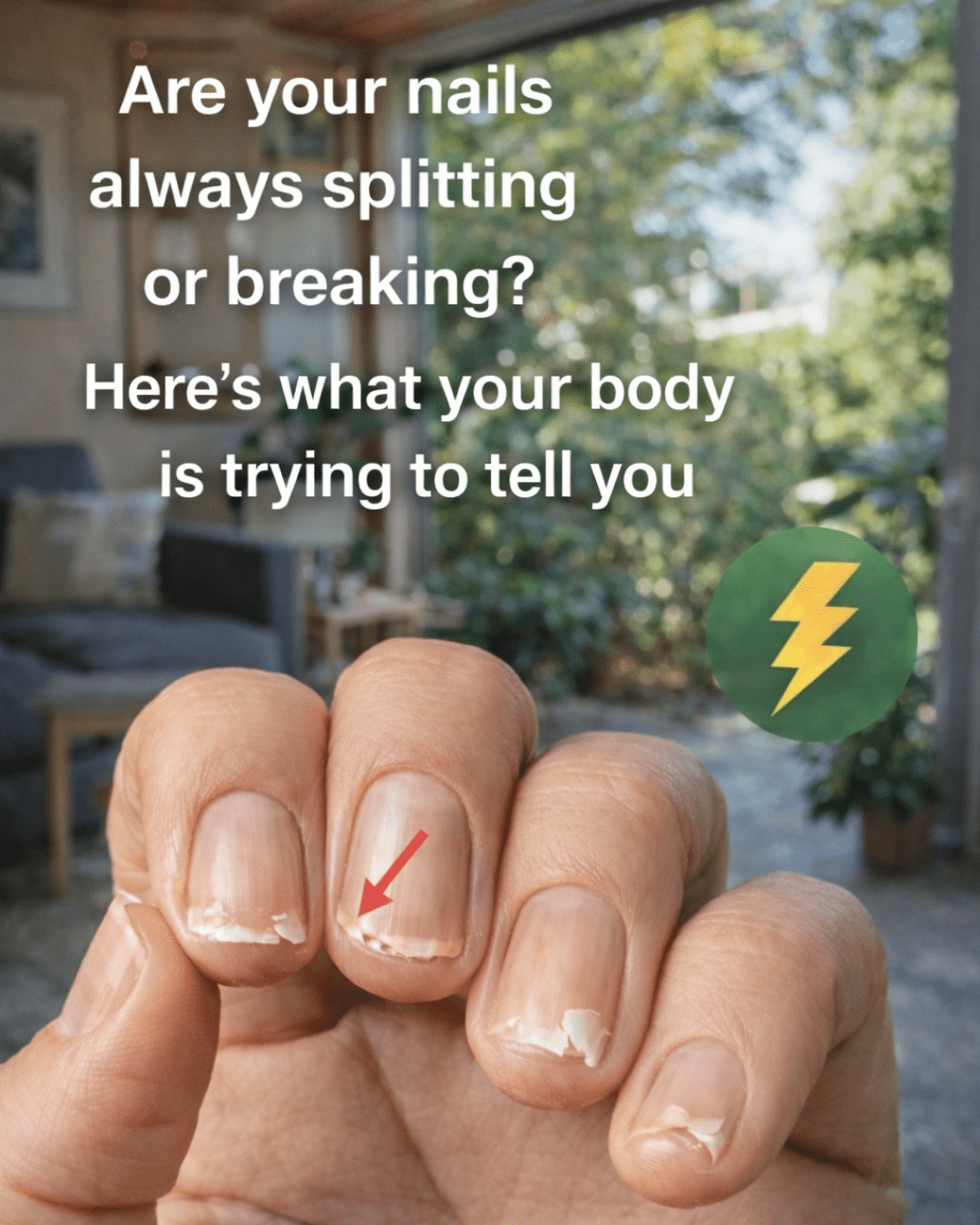
Understanding Brittle Nails: What Causes Splitting and Breaking?
Brittle nails, medically known as onychoschizia when they peel in layers or onychorrhexis when they show vertical splits, happen when the nail plate loses moisture or flexibility. Research shows that nails are mostly made of keratin, a tough protein, and they naturally contain about 18% water for optimal strength – drop below 16%, and they become dry and prone to cracking.
Common everyday factors that weaken nails include:
- Frequent handwashing or exposure to water (like doing dishes without gloves)
- Harsh chemicals from cleaners, nail polish removers, or frequent manicures
- Dry or cold weather that pulls moisture out of the nail plate
- Aging, which naturally makes nails more brittle over time
But sometimes, the issue goes deeper. Studies suggest that certain nutritional patterns can play a role in nail health, especially when the diet lacks key building blocks for keratin production.
The Surprising Link Between Nutrition and Nail Strength
Many people are shocked to learn that what you eat (or don’t eat) can show up first in your nails. While most cases of brittle nails aren’t due to severe deficiencies, research has linked low intake of specific nutrients to weaker, more breakable nails.
Here are some nutrients commonly associated with nail health:
- Biotin (Vitamin B7): This B vitamin supports keratin infrastructure. Some older studies have shown that higher biotin intake may help improve nail thickness and reduce brittleness in people with splitting issues.
- Iron: Low iron levels are one of the more common nutritional factors tied to brittle nails, especially in women. It helps with oxygen delivery, which supports healthy nail growth.
- Protein: Since nails are primarily protein, getting enough from your diet is essential for strong structure.
- Other supporting nutrients like zinc and certain B vitamins can also contribute when levels are low.
Keep in mind that true deficiencies are relatively rare in balanced diets, but everyday eating patterns (like skipping meals or limiting variety) can sometimes fall short.
Top Foods That Support Healthier Nails Naturally
Boosting your intake of nutrient-rich foods is one of the simplest ways to nourish your nails from within. Here are some easy-to-find options that provide biotin, iron, protein, and more:
- Eggs (yolks are a great biotin source)
- Nuts and seeds (almonds, sunflower seeds)
- Salmon and other fatty fish
- Sweet potatoes
- Spinach and leafy greens
- Lean meats or legumes for iron and protein
Incorporating these regularly can help support overall nail resilience over time.
Realistic UGC mobile photography style, taken with a regular smartphone. Natural light, soft shadows, a little bit of imperfections, a little bit of noise, natural colors. Handheld feel, everyday perspective, realistic textures. No studio lighting, no cinematic effects.
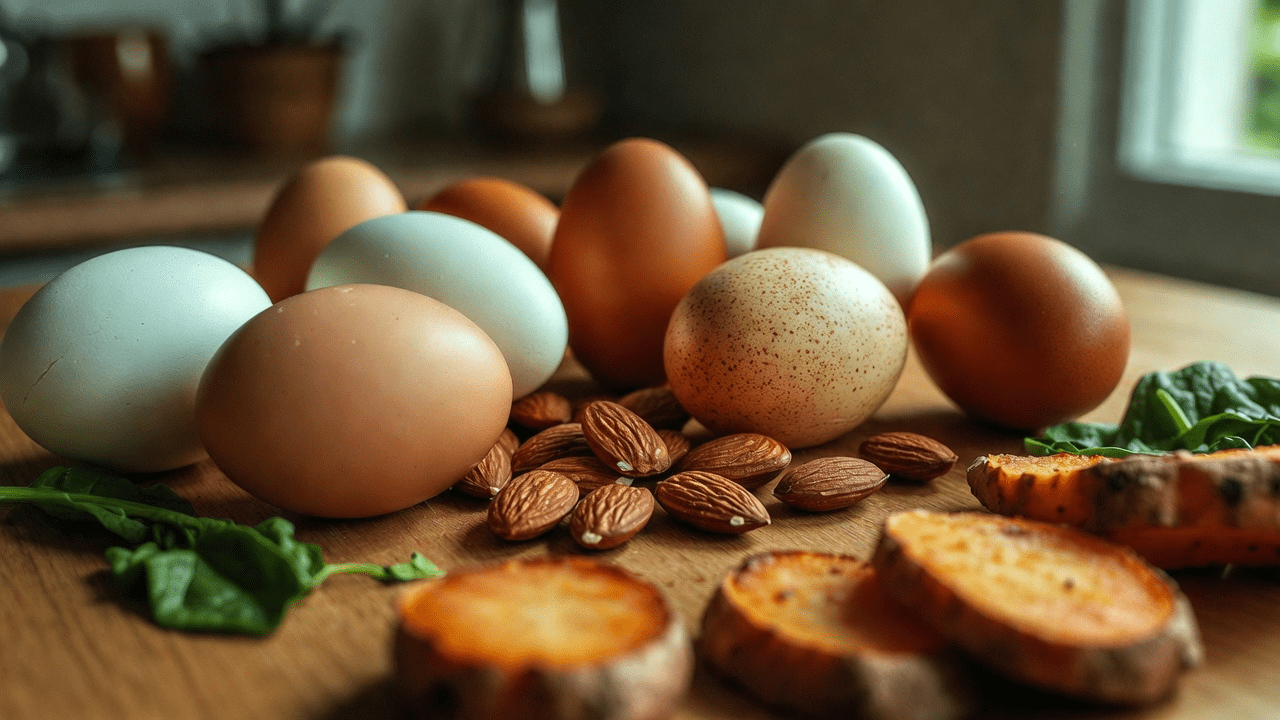
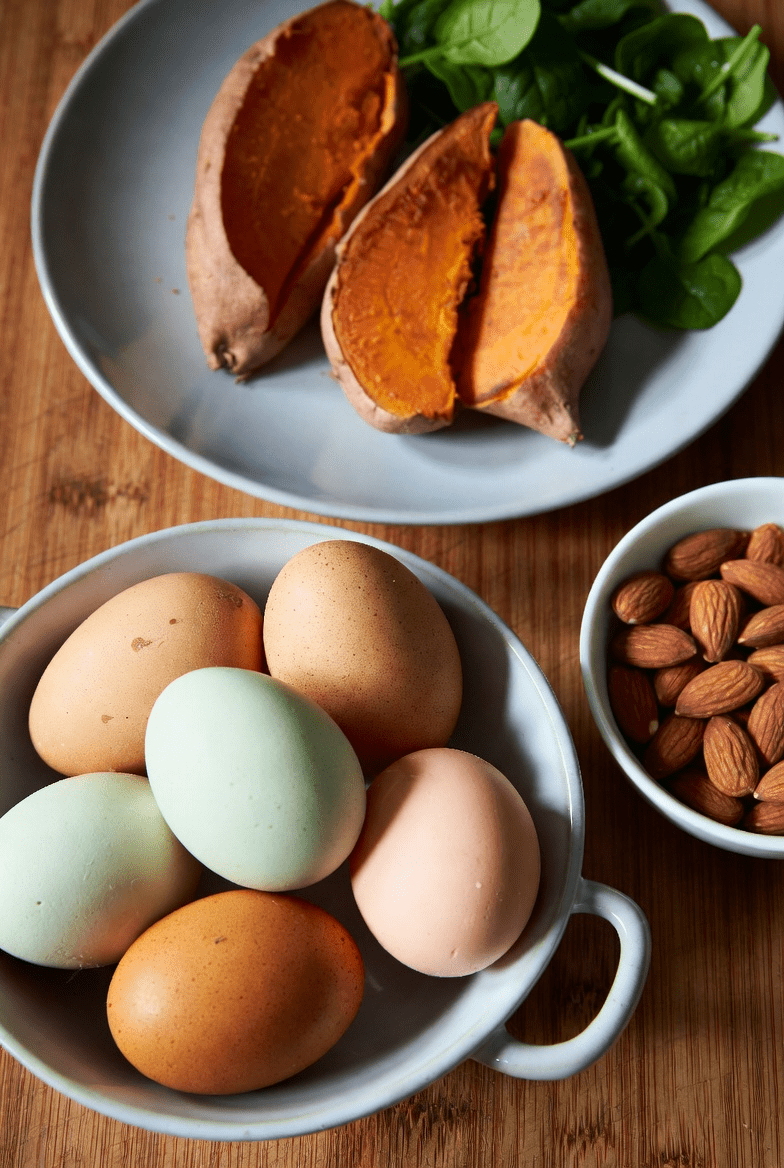
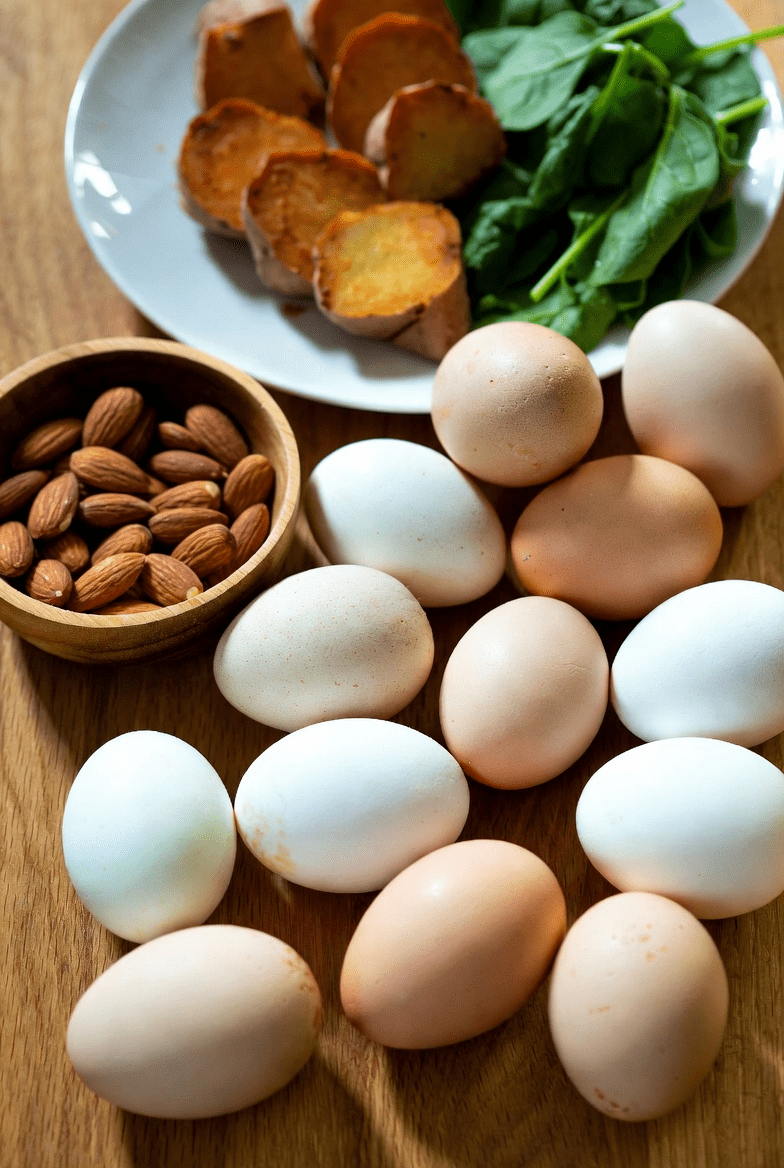
Here are two photos showing everyday ways to enjoy biotin-rich foods for nail support:
This first image captures fresh eggs and a handful of almonds on a wooden kitchen table – simple ingredients you might already have at home.
The second shows roasted sweet potatoes sliced open with some spinach nearby – a cozy, home-cooked meal that packs in nutrients for stronger nails.
Practical Tips to Help Prevent Splitting and Breaking
While nutrition plays a supporting role, daily habits often make the biggest difference. Here are actionable steps many people find helpful:
- Protect your hands from water – Wear cotton-lined rubber gloves when washing dishes, cleaning, or gardening.
- Moisturize regularly – Apply hand cream or cuticle oil multiple times a day, especially after handwashing.
- Trim and file properly – Keep nails short, file in one direction (not back-and-forth), and gently round the tips to reduce snags.
- Limit harsh products – Take breaks from frequent nail polish or gel manicures, and choose acetone-free removers.
- Stay hydrated – Drink plenty of water and consider using a humidifier in dry environments.
- Avoid using nails as tools – Don’t pry open cans or scrape surfaces – use proper tools instead.
Consistency is key – most people notice gradual improvements after 3–6 months of better care, as nails grow slowly.
When to Talk to a Professional
If your nails remain very brittle despite lifestyle changes, or if you notice other symptoms like unusual fatigue, it’s always smart to chat with a healthcare provider. They can help identify if something else might be contributing and guide you safely.
Conclusion: Small Changes Can Lead to Stronger Nails
Splitting and breaking nails are frustrating, but they’re often a sign that your hands need a little extra care and protection. By addressing moisture loss, supporting your body with nutrient-rich foods, and adopting gentle habits, many people see real improvement. Your nails can become more resilient with time and consistency – you’ve got this!
Frequently Asked Questions (FAQ)
What nutrient is most often linked to brittle nails?
Biotin (vitamin B7) is frequently discussed in relation to nail strength, along with iron and protein. A balanced diet usually provides enough, but variety helps.
How long does it take for nails to improve?
Nails grow slowly – about 3 millimeters per month – so visible changes often take 3–6 months of consistent care.
Are supplements always necessary for splitting nails?
Not usually. Lifestyle adjustments and diet often help first. Always check with a doctor before starting any supplement.
Disclaimer: This article is for informational purposes only and is not intended as medical advice. Nail changes can have many causes. Please consult a qualified healthcare professional for personalized guidance regarding your health concerns.