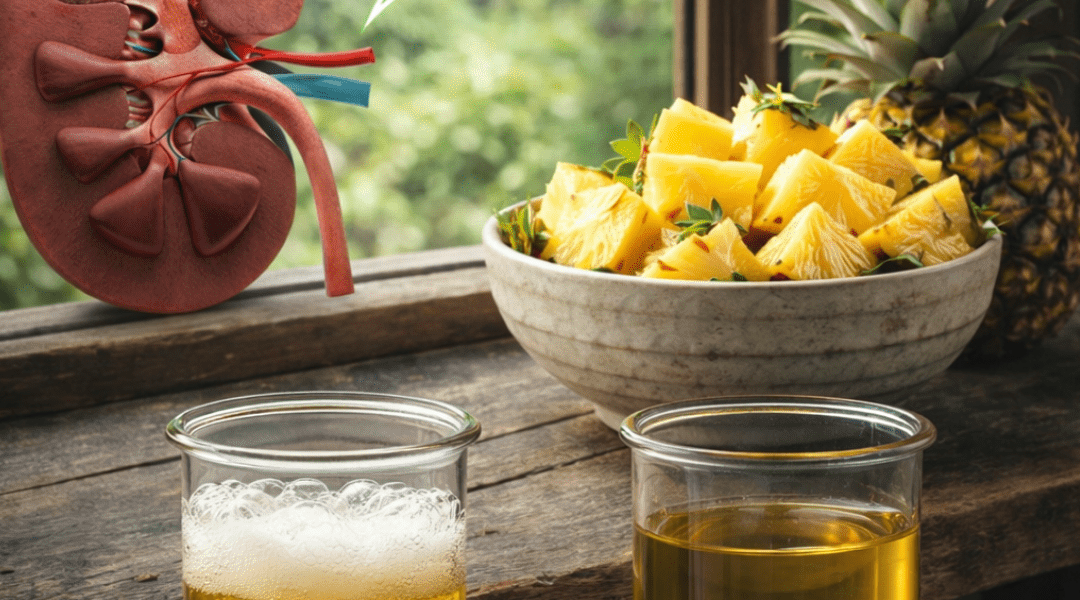
Top 10 Kidney-Friendly Superfoods to Support Healthy Protein Levels in Urine and Promote Overall Kidney Wellness

Foamy or bubbly urine can be concerning, as it sometimes signals excess protein leaking into the urine—a common sign of stress on the kidneys. Many people dealing with this notice changes in their daily energy, comfort, and peace of mind, especially when thinking about long-term health. The good news is that incorporating nutrient-rich, plant-focused foods into your meals may help support kidney function as part of a balanced lifestyle. In this guide, we’ll explore 10 superfoods backed by research that offer antioxidants, anti-inflammatory benefits, and kidney-supportive nutrients—while keeping things realistic and safe. Stick around until the end for simple ways to add these into your routine and answers to common questions.

Why Diet Matters for Kidney Support
Research shows that diets rich in plant-based foods, low in sodium, and moderate in protein can ease the workload on kidneys and support healthy protein filtration. Studies highlight how antioxidants from fruits and vegetables help combat oxidative stress, while choosing plant proteins over animal sources may offer gentler effects. These foods won’t replace medical care, but they can be valuable allies in a kidney-friendly lifestyle.
1. Blueberries – Antioxidant Powerhouse
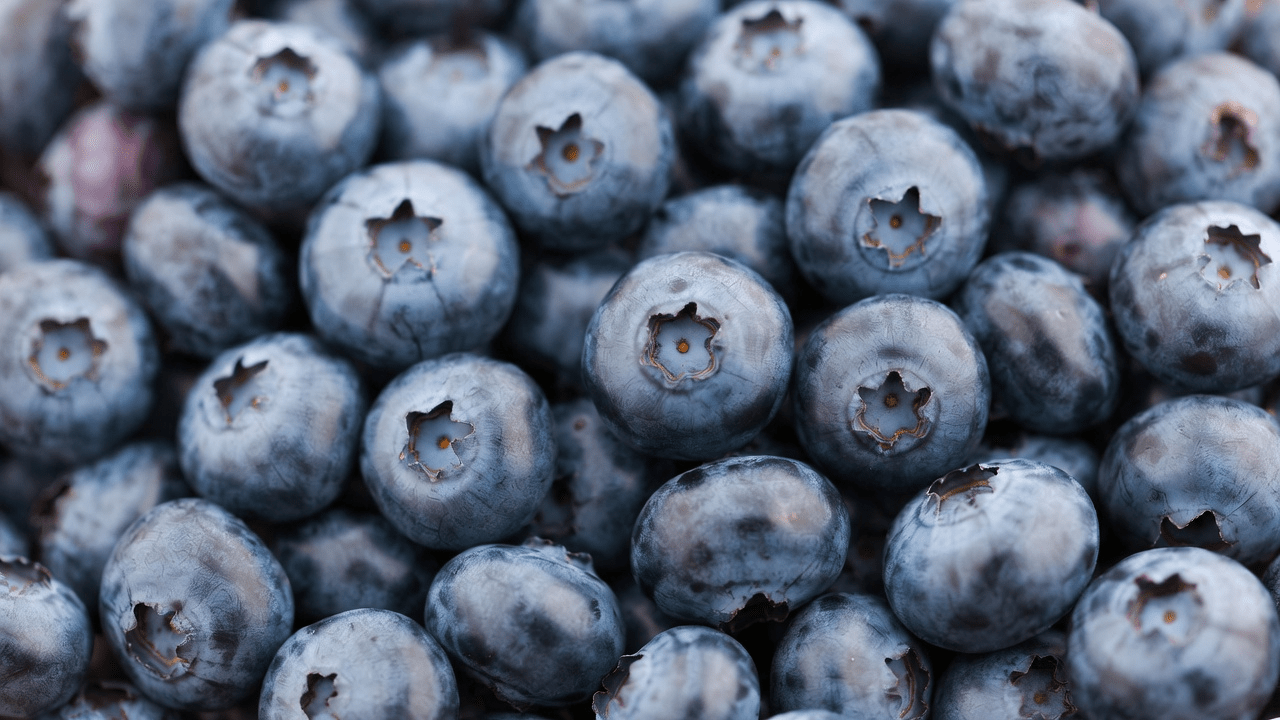
Blueberries top the list for their high levels of anthocyanins, potent antioxidants that help protect cells from damage. Research links these compounds to reduced inflammation, which benefits overall kidney wellness. They’re naturally low in potassium, sodium, and phosphorus, making them a smart choice.
Quick Tip: Add a handful to oatmeal or yogurt for a burst of flavor and nutrition.
Here are some vibrant, fresh blueberries to inspire your next snack:
2. Pineapple – Tropical Support with Bromelain
Pineapple stands out with its enzyme bromelain, known for anti-inflammatory properties, plus vitamin C and fiber. It’s lower in potassium than many fruits, and studies suggest it supports digestion and reduces inflammation—key for kidney health.
Quick Tip: Enjoy fresh chunks as a snack or blend into smoothies (stick to 1 cup portions).
Fresh pineapple slices like these can brighten up your day:
3. Red Bell Peppers – Vitamin-Rich and Low-Potassium
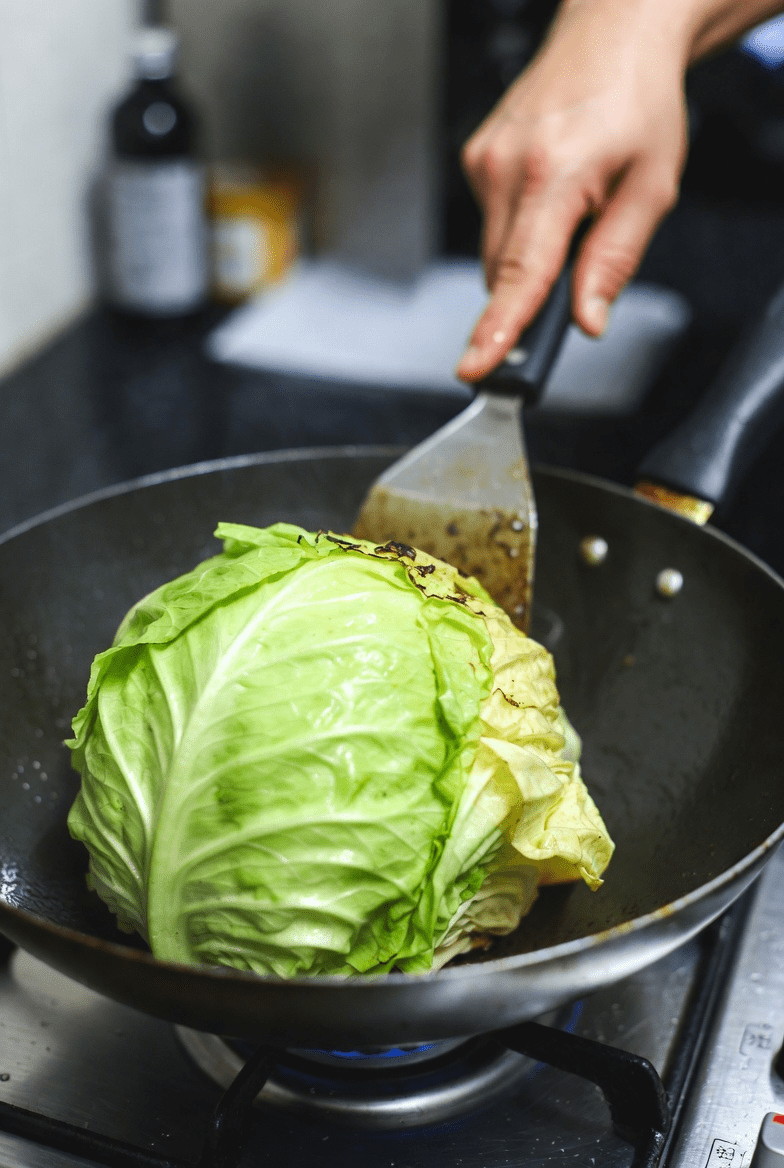
These colorful veggies deliver vitamins A and C, plus fiber, all while staying low in potassium. They add crunch and flavor without straining kidneys.
Quick Tip: Slice them raw for salads or stuff with kidney-friendly fillings.
4. Cabbage – Budget-Friendly Detox Helper
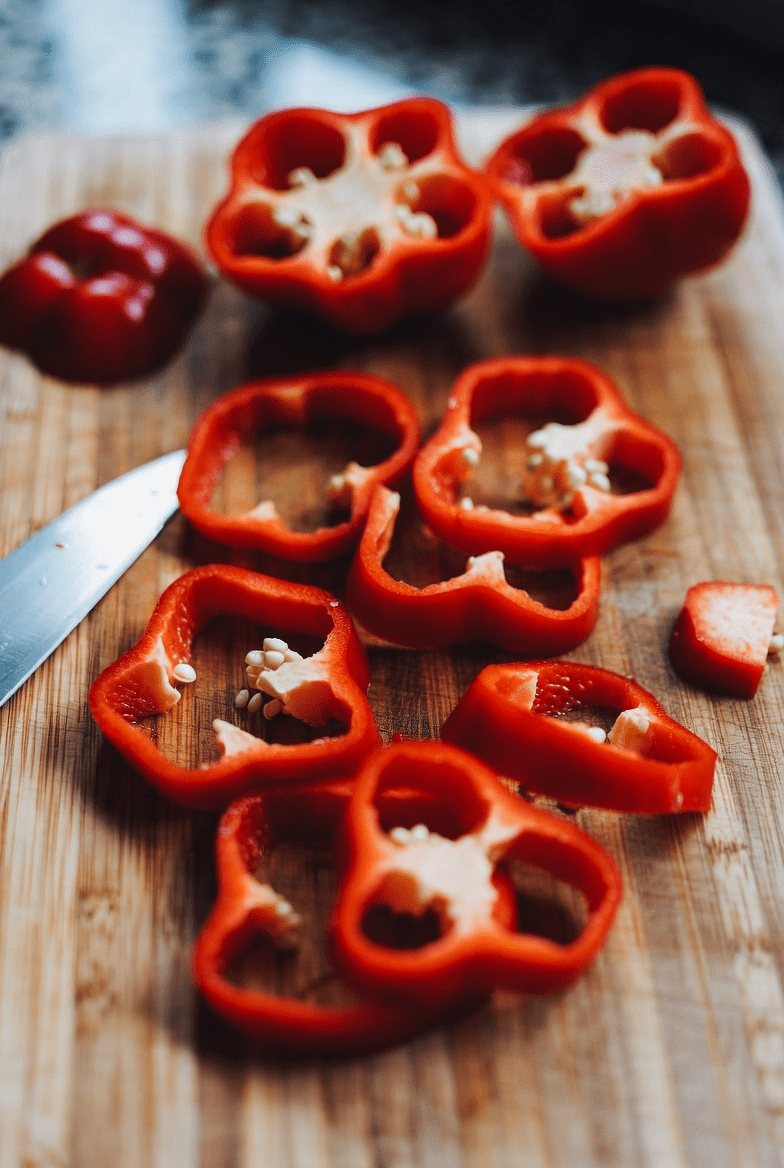
Cabbage provides vitamins, minerals, and antioxidants. Some research points to its role in managing oxidative stress, making it a gentle, versatile option.
Quick Tip: Steam or stir-fry lightly to keep nutrients intact.
5. Cauliflower – Versatile Low-Potassium Substitute
Cauliflower offers folate, vitamin K, and anti-inflammatory compounds. It’s a great stand-in for higher-potassium veggies like potatoes.
Quick Tip: Mash it as a side or roast for variety.

6. Berries (Strawberries & Raspberries) – Fiber and Antioxidant Boost
Beyond blueberries, strawberries and raspberries pack fiber and antioxidants to support gut health and reduce inflammation.
Quick Tip: Mix into a fruit salad or freeze for a cool treat.
7. Apples – Fiber for Digestive and Kidney Support
Apples provide pectin fiber and antioxidants, helping with cholesterol and overall wellness.
Quick Tip: Eat with skin on for maximum benefits (peel if needed for texture).
8. Garlic – Flavor Without Salt
Garlic adds taste naturally while offering sulfur compounds with anti-inflammatory effects.
Quick Tip: Use fresh cloves in cooking instead of salt.
9. Olive Oil – Heart-Healthy Fat
As a phosphorus-free fat source, olive oil supports anti-inflammatory benefits.
Quick Tip: Drizzle on veggies or use for light sautéing.
10. Egg Whites – High-Quality, Low-Phosphorus Protein
For moderate protein needs, egg whites provide quality protein without excess phosphorus.
Quick Tip: Use in omelets or baking (limit portions as advised).
Actionable Tips to Get Started Today
Here’s a simple step-by-step plan:
- Step 1: Start small – add one new superfood (like blueberries or pineapple) to your daily routine.
- Step 2: Focus on portions – aim for low-sodium, plant-heavy meals; track how you feel.
- Step 3: Stay hydrated – drink water as your main beverage to support natural kidney flushing.
- Step 4: Pair with lifestyle habits – combine with moderate exercise and stress management.
But that’s not all… The real game-changer comes from consistency and personalization.
Conclusion
Adding these kidney-friendly superfoods can be a delicious way to support your body’s natural processes and feel more in control of your health. Focus on whole, plant-based choices to promote wellness without overpromising. Always work with your healthcare team to tailor this to your needs.
FAQ
1. Can these foods really help with foamy urine?
While no food cures underlying issues, nutrient-dense options like berries and pineapple may support kidney function as part of a balanced diet, potentially aiding healthy protein levels—per general research on plant-based eating.
2. How much pineapple or blueberries should I eat?
Start with ½–1 cup daily, monitoring portions based on your potassium needs. Fresh is best; avoid added sugars.
3. Are these safe for all kidney stages?
Most are low in restricted nutrients, but individual needs vary—consult your doctor or dietitian first.
Disclaimer: This article is for informational purposes only and not medical advice. These foods support general wellness but do not diagnose, treat, cure, or prevent any disease. Always consult your healthcare provider before making dietary changes, especially if you have kidney concerns or are on medication.
(Word count: ~1350)