

Many people love adding ginger to their tea, meals, or remedies because of its warm, spicy flavor and potential digestive support. But what if this everyday spice could sometimes cause more harm than good? Research from trusted sources like WebMD and the National Center for Complementary and Integrative Health shows that while ginger is generally safe in moderate food amounts, certain health situations call for caution or avoidance — especially with higher doses from supplements or concentrated forms. Ignoring these could lead to unwanted effects like increased bleeding risk or stomach discomfort. The good news? Understanding these situations helps you enjoy ginger safely — and we’ll reveal practical ways to adjust your habits without giving it up completely.
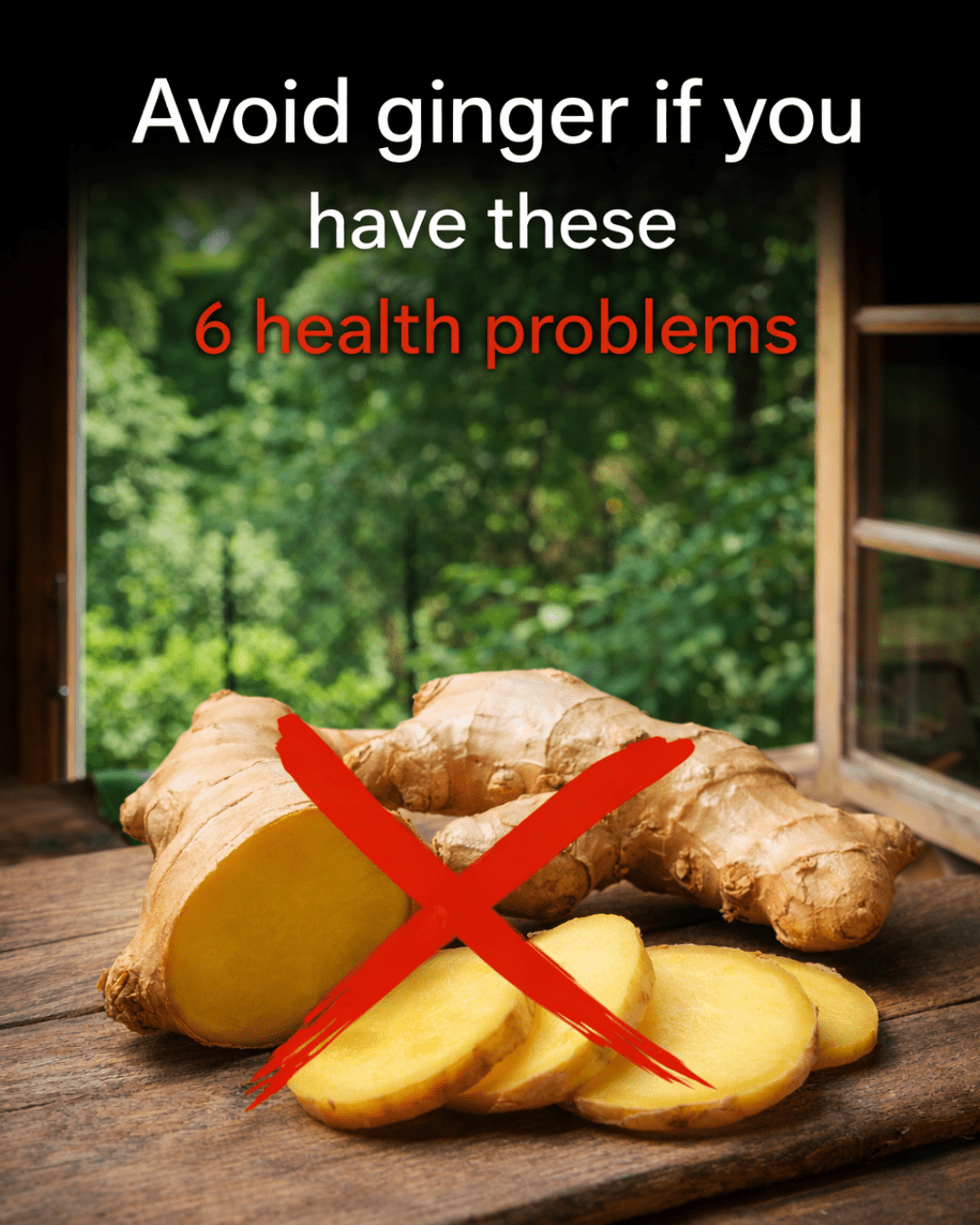
Why Ginger Isn’t Always a “One-Size-Fits-All” Spice
Ginger contains active compounds like gingerol that give it its signature kick. These can support normal digestion for most people, but they also influence blood clotting, bile flow, and blood sugar in ways that aren’t ideal for everyone. Studies indicate that doses above 4-5 grams per day (about a large thumb-sized piece of fresh ginger) increase the chance of side effects. But that’s not all…
The real concern comes when ginger interacts with your body’s existing conditions or medications. Here’s the part many overlook: even small amounts might tip the balance in specific scenarios.

6 Key Health Situations Where Caution with Ginger Is Recommended
Health experts, including those referenced on WebMD and NCCIH, highlight these common situations where people should talk to their doctor before using ginger regularly — particularly in supplement form.
- Bleeding or Blood Clotting Disorders
Ginger may slow blood clotting due to its natural effects on platelets. This could heighten bruising or bleeding risk. Research suggests avoiding high doses if you have conditions like hemophilia or a history of easy bleeding. - Taking Blood-Thinning Medications
Common drugs like warfarin, aspirin, or clopidogrel can interact with ginger, potentially amplifying their effects. Monitoring is key, as this combination might increase bleeding tendencies according to clinical observations. - Gallbladder Issues or Gallstones
Ginger stimulates bile production, which helps digestion for many but can worsen symptoms in people with gallstones or gallbladder inflammation. Experts recommend caution to avoid triggering discomfort. - Heart Conditions (Especially with High Doses)
Large amounts of ginger might affect heart rhythm or blood pressure in some cases. If you have existing heart concerns, sticking to food amounts is often safer. - Diabetes Managed with Medications
Ginger can influence blood sugar levels. When combined with diabetes drugs, it might cause levels to drop too low — so close monitoring becomes important. - Upcoming Surgery
Because of its potential to affect clotting, many sources advise stopping ginger (especially supplements) at least 2 weeks before any planned procedure to reduce bleeding risks during and after surgery.
But wait — there’s more to this story. These aren’t blanket bans for everyone. Many people enjoy ginger daily without issues…

Quick Comparison: Safe vs. Cautious Use of Ginger
Here’s a simple breakdown to help you see the differences at a glance:
- Safe for most people — Up to 4 grams/day in food (like tea, stir-fries, or smoothies)
- Cautious or avoid high doses — Bleeding disorders, blood thinners, gallstones, heart issues, diabetes meds, pre-surgery
- Generally okay in small amounts — Pregnancy (for morning sickness support, but consult your provider, especially near delivery)
- Best to discuss with doctor — Any ongoing medications or chronic conditions
This table shows why moderation and awareness matter so much.
Practical Tips: How to Enjoy Ginger More Safely
If you fall into one of these groups but still want ginger’s flavor, try these easy adjustments:
- Stick to small amounts in cooking — Grate just a little into soups, teas, or marinades instead of large doses.
- Choose fresh over supplements — Food forms are milder and less likely to cause strong effects.
- Monitor your body — Start low and watch for any stomach upset, unusual bruising, or changes in blood sugar/pressure.
- Time it right — Avoid ginger close to surgery dates or when starting new medications.
- Talk openly with your healthcare provider — Share exactly how much ginger you use so they can guide you best.
These simple steps let most people keep enjoying ginger without worry.
What Happens If You Ignore These Cautions?
While serious issues are uncommon with everyday food use, higher doses (like in concentrated teas or pills) have led to reports of increased heartburn, diarrhea, or interactions. The key is personalization — what works wonderfully for one person might need tweaking for another.
Wrapping It Up: Make Informed Choices with Ginger
Ginger remains a fantastic kitchen staple for most, offering warmth and flavor with potential everyday benefits. By knowing these 6 situations where extra care is needed, you can decide what’s right for your body. Always prioritize professional advice for your unique health picture.
Frequently Asked Questions (FAQ)
Is ginger safe during pregnancy?
Small amounts for occasional nausea are often considered acceptable, but high doses — especially later in pregnancy — warrant a discussion with your healthcare provider due to potential effects on bleeding.
Can I drink ginger tea every day?
For most healthy adults, yes — keeping it to 1-2 cups (using moderate fresh ginger) is typically fine. If you have any of the conditions above, check with your doctor first.
Does cooking change ginger’s effects?
Cooking or drying can mellow some compounds, making it gentler on the stomach for many people compared to raw or supplement forms.
Disclaimer: This article is for informational purposes only and is not intended as medical advice. Ginger affects everyone differently, and interactions can vary. Always consult a qualified healthcare professional before making changes to your diet or supplement routine, especially if you have health conditions or take medications. Individual results may vary.