Unlock the Everyday Secret: How to Make and Use Rice Water for Healthier-Looking Hair and Skin

Imagine this: Every time you rinse rice for dinner, you’re pouring out a simple ingredient that generations of women have quietly used to care for their hair and skin. Many people toss it down the drain without a second thought, missing out on a time-tested tradition that’s gaining attention again. But here’s the thing—rice water isn’t just leftover starch; it’s packed with natural compounds like vitamins, minerals, and antioxidants that may support healthier-looking hair and smoother skin.
What if that everyday kitchen step could become part of your self-care routine? Stick around, because by the end of this article, you’ll discover exactly how to prepare it properly (including the fermented version everyone talks about) and simple ways to try it safely at home. The real surprise might be how easy it is to start.

What Exactly Is Rice Water?
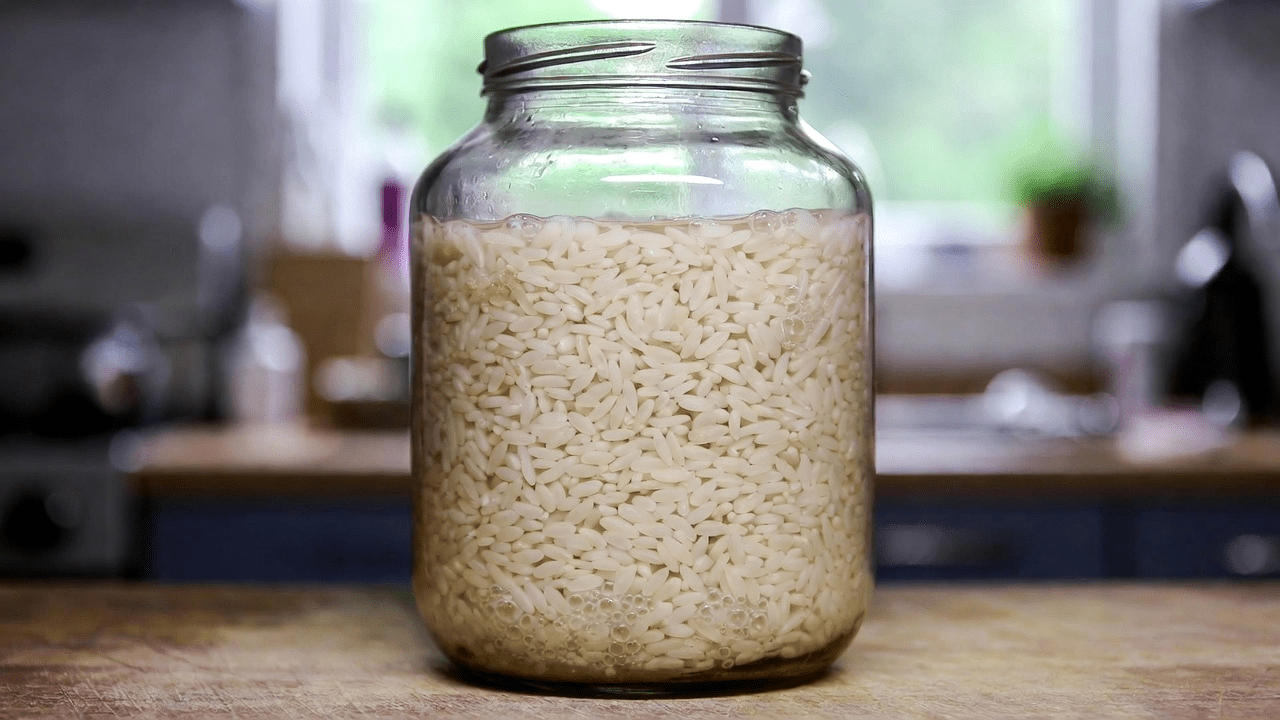
Rice water is the cloudy liquid left after soaking or boiling rice. It’s rich in starch, amino acids, and other nutrients that rice naturally releases into the water.
People have used it for centuries, especially in Asian cultures. For example, women from the Huangluo Yao village in China are famous for their long, healthy hair, often crediting fermented rice water rinses passed down through generations.
While stories like these spark curiosity, modern interest comes from what we know about its components—things like inositol (a carbohydrate) and antioxidants.
Why Rice Water Has People Talking: Potential Benefits for Hair
Many turn to rice water hoping for shinier, stronger-looking hair. Here’s what stands out:
- May help with elasticity and smoothness — Some older research suggests it could reduce surface friction on hair strands, making them feel smoother and more elastic.
- Rich in nourishing compounds — Rice water contains inositol, which may penetrate the hair shaft and support strength, especially for damaged or processed hair.
- Traditional support for longer-looking hair — Anecdotal reports from long-time users describe fuller, shinier results over time.
A 2022 systematic review of rice-derived products (like rice bran) found promising signs for supporting the hair growth cycle by influencing certain growth factors and enzymes. While this doesn’t focus solely on plain rice water, it points to why rice-based ingredients remain popular in hair care.
But remember, results vary by person, hair type, and consistency. It’s not a guaranteed fix—more of a gentle, natural addition to your routine.
Here are some commonly reported perks people notice with regular use:
- Increased shine
- Less breakage when combing
- Softer texture
- Better manageability for frizzy hair
But that’s not all… The fermented version takes things a step further.
Fermented Rice Water: The Next-Level Option
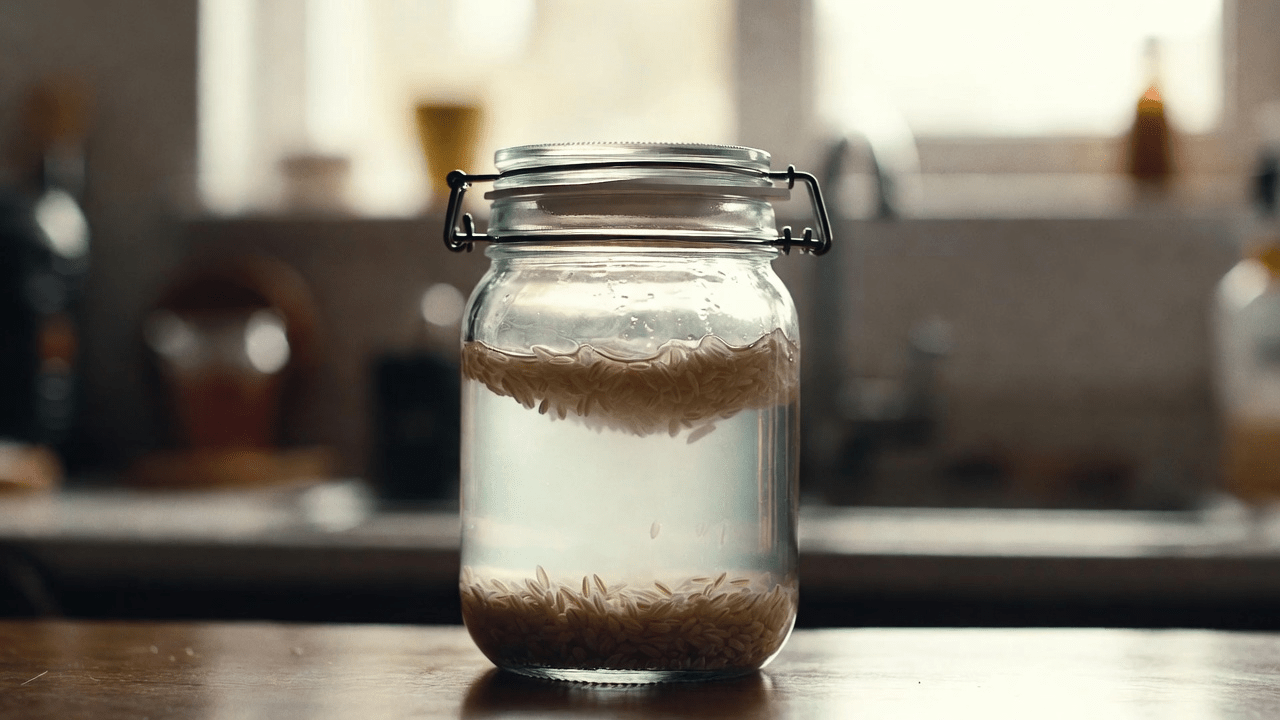
Fermenting rice water allows natural processes to break down starches into acids and boost antioxidants. Some studies on fermented rice products suggest enhanced benefits, like better hydration support.
Many prefer the fermented kind for hair because it may feel more potent—but it also has a distinct sour smell, so start small.
How Rice Water Might Support Your Skin Too
Beyond hair, rice water has a place in skincare traditions. Research shows potential for:
- Improved hydration — A small 2018 study using a rice water-based gel found participants’ skin appeared more hydrated after consistent use.
- Antioxidant properties — It contains compounds similar in activity to vitamin C, which may help protect against daily environmental stress.
- Gentle soothing — Some evidence points to anti-inflammatory effects that could calm irritated skin.
Again, these findings come from limited studies on rice-derived ingredients, but they explain why rice water toners and face rinses are trending.
How to Make Rice Water at Home (Step-by-Step Guide)
You can prepare rice water in three easy ways. Use any type of rice—white, brown, jasmine, or basmati all work.
1. Quick Soaking Method (Best for Beginners)
- Rinse ½ cup uncooked rice under water to remove dirt.
- Place rice in a bowl and add 2–3 cups of clean water.
- Stir and let it soak for 30 minutes.
- Strain the water into a clean jar.
- Ready to use right away!
2. Boiling Method (Stronger Concentration)
- Rinse rice as above.
- Add rice to a pot with 2–3 times the usual cooking water.
- Boil as you normally would, then strain the extra starchy water.
- Let it cool before using.
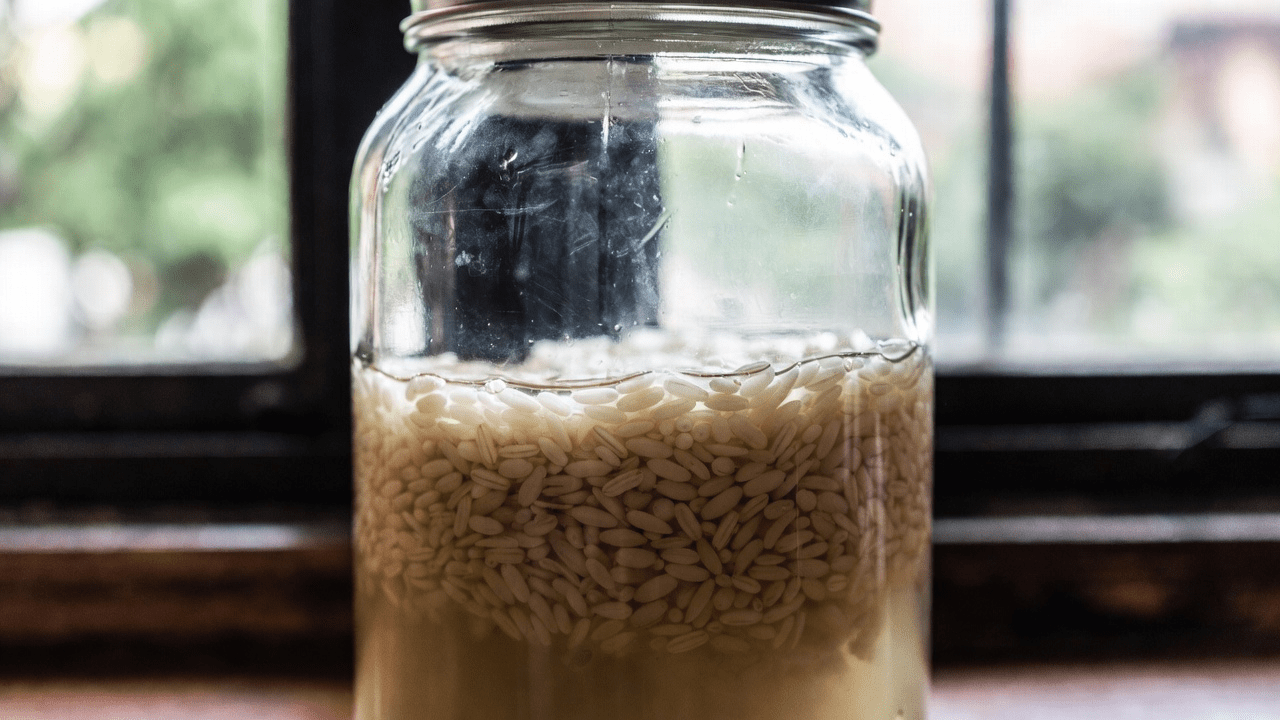
3. Fermented Method (For More Potency)
- Start with the soaking method above.
- Pour the strained water into a clean jar (leave some space).
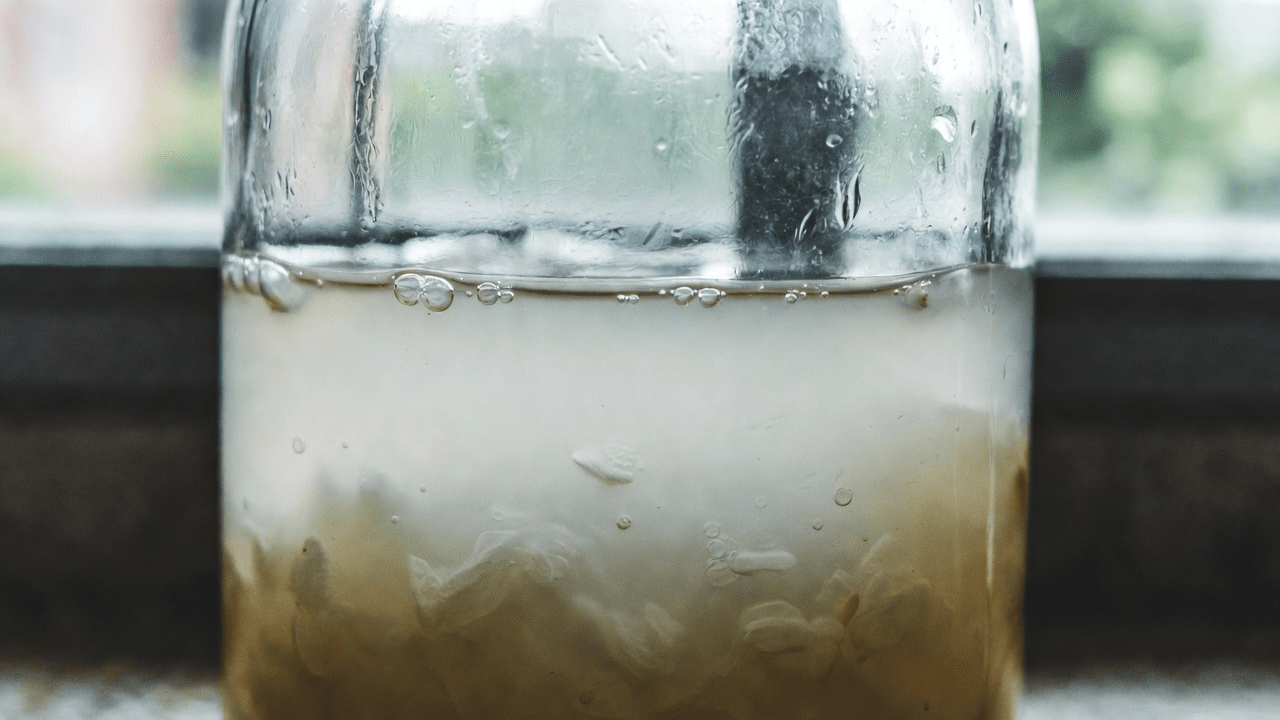
- Cover loosely and let it sit at room temperature for 12–48 hours (watch for slight bubbling and a mild sour smell—this means it’s fermenting).
- Once ready, store in the fridge and use within a few days.
Pro tip: Always do a patch test first on your inner arm to check for sensitivity.
Here are the key differences at a glance:
- Soaking — Mild, quick, great for daily use
- Boiling — Thicker, more concentrated starch
- Fermented — Higher antioxidants, but stronger scent and shorter shelf life
How to Use Rice Water Safely and Effectively
Once prepared, here are practical ways to incorporate it:
For Hair:
- Use as a final rinse after shampooing (pour over hair, massage in, wait 5–20 minutes, then rinse with cool water).
- Try 2–3 times per week to start.
- For extra care, mix with a conditioner if it feels too protein-heavy.
For Skin:
- Apply as a gentle toner with a cotton pad after cleansing.
- Use as a face mist or soak a cloth for a soothing compress.
- Dilute if your skin feels tight.
Start slow—overuse might lead to buildup or dryness in some cases, so listen to your body.
Common Questions About Rice Water (FAQ)
How long does rice water last? Fresh rice water keeps in the fridge for 3–7 days. Fermented lasts shorter (2–4 days) due to natural changes—discard if it smells off or grows mold.
Is rice water suitable for all hair and skin types? Most people tolerate it well, but those with very protein-sensitive or oily hair/skin should test sparingly. Always patch test.
Can I use rice water every day? It’s gentle for many, but starting 2–3 times weekly prevents potential overload. Adjust based on how your hair or skin responds.
Final Thoughts
Rice water is one of those simple, low-cost discoveries that connects everyday cooking to personal care. Whether you try the basic soak or go for fermented, it’s an easy experiment worth considering for healthier-looking hair and skin.
Give it a go this week—next time you cook rice, save that water instead of wasting it. You might be surprised how such a humble ingredient becomes part of your routine.
Disclaimer: The information in this article is for educational purposes only and not intended as medical advice. Rice water is a traditional home remedy with some supporting research on its components, but individual results vary. Consult a dermatologist or healthcare professional before adding new routines, especially if you have skin conditions, allergies, or concerns. This is not a substitute for professional treatment.