

Many people don’t realize that certain common foods can add extra work to the kidneys over time, especially if you have risk factors like high blood pressure, diabetes, or early signs of kidney concerns. Research from trusted sources like the National Kidney Foundation and Healthline shows that foods high in sodium, potassium, or phosphorus may contribute to increased strain when consumed in large amounts regularly. This can be particularly relevant for those managing chronic kidney health.
The good news? Small, mindful swaps in your daily choices can make a real difference in supporting better kidney function. In this guide, we’ll explore 9 foods that experts often recommend limiting, explain why they matter, and share practical tips you can start using today. Stick around until the end for a simple daily habit that many people find helpful for overall kidney support.

Why Your Kidneys Care About What You Eat
Your kidneys filter waste, balance fluids, and regulate important minerals like sodium, potassium, and phosphorus. When these minerals build up due to frequent high intake, it can create additional challenges, particularly in chronic kidney disease (CKD). Studies, including those referenced by the National Institute of Diabetes and Digestive and Kidney Diseases (NIDDK), highlight how balanced nutrition helps ease the workload on these vital organs.
But here’s the thing: It’s not about eliminating everything — it’s about awareness and moderation. Let’s dive into the foods to watch.
9 Foods Experts Often Suggest Limiting for Kidney Health
Here are some of the most commonly mentioned items that may contribute to extra kidney strain when eaten often or in large portions:
- Dark-Colored Sodas (like cola)
These drinks are loaded with added phosphorus (often from phosphoric acid) and sugar. Excess phosphorus can accumulate when kidneys aren’t filtering at full capacity. The National Kidney Foundation notes that colas are a top source of hidden phosphorus in many diets. - Processed Meats (bacon, sausage, deli slices, hot dogs)
High in sodium and preservatives, these can raise blood pressure and add to fluid retention. Research links frequent processed meat intake to higher risks for kidney concerns. - Dairy Products (milk, cheese, yogurt — especially in large amounts)
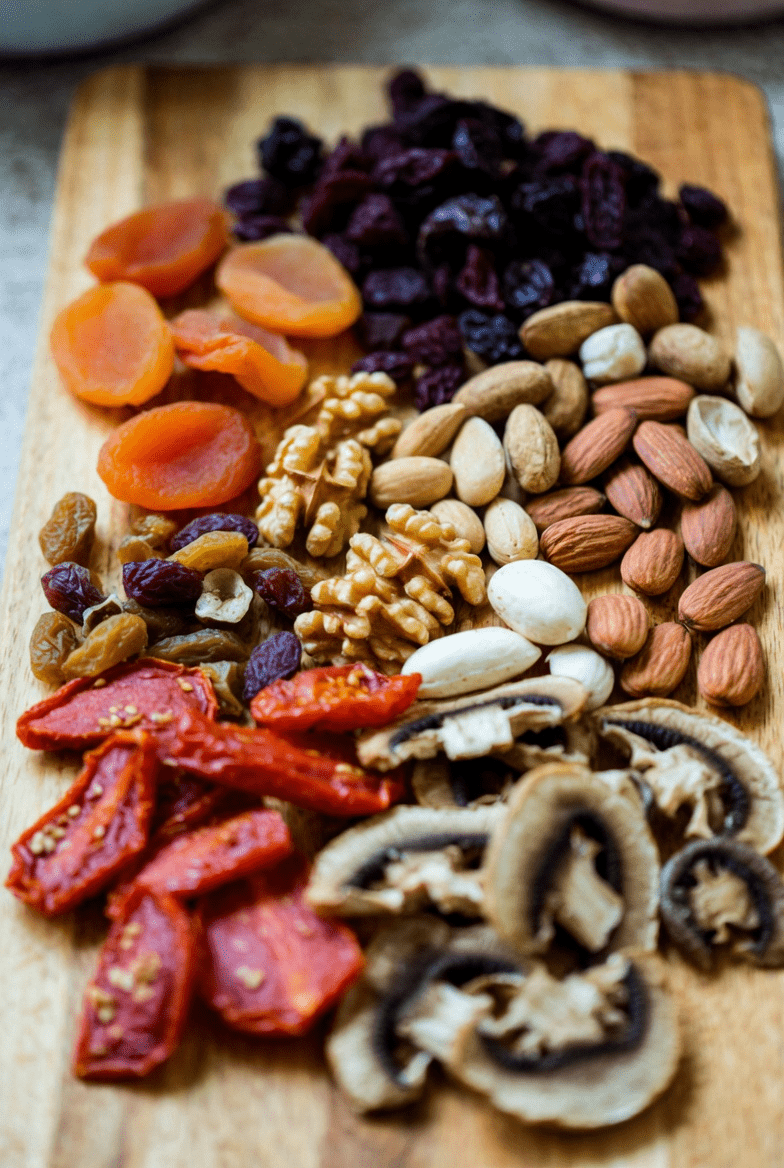
Rich in natural phosphorus and protein, dairy can increase the mineral load. For those monitoring intake, experts suggest portion control or lower-phosphorus alternatives. - Bananas and Other High-Potassium Fruits (oranges, avocados, dried fruits)
Potassium is essential, but too much from these sources can build up. One medium banana packs around 422 mg — something to consider if your levels need watching. - Whole-Grain Breads and Brown Rice
These nutritious options contain more phosphorus and potassium than refined versions. While great for general health, they may need moderation in certain kidney situations. - Processed and Packaged Foods (frozen meals, chips, canned soups)
Often packed with hidden sodium and phosphate additives (look for “phos” in ingredients). A 2022 study found higher processed food consumption linked to increased kidney disease risk. - Nuts and Seeds
Excellent for healthy fats, but high in potassium and phosphorus. Small handfuls are usually fine, but frequent large servings add up. - Tomatoes and Tomato-Based Products (sauce, juice)
Naturally high in potassium, these can contribute when consumed regularly in big portions. - Potatoes (especially baked or fried)
Another potassium heavyweight. Boiling and draining can help reduce levels if you enjoy them occasionally.
But that’s not all — the way these foods add up in your overall diet matters most. Many people are surprised how quickly portions accumulate.
Quick Comparison: High vs. Lower-Impact Swaps
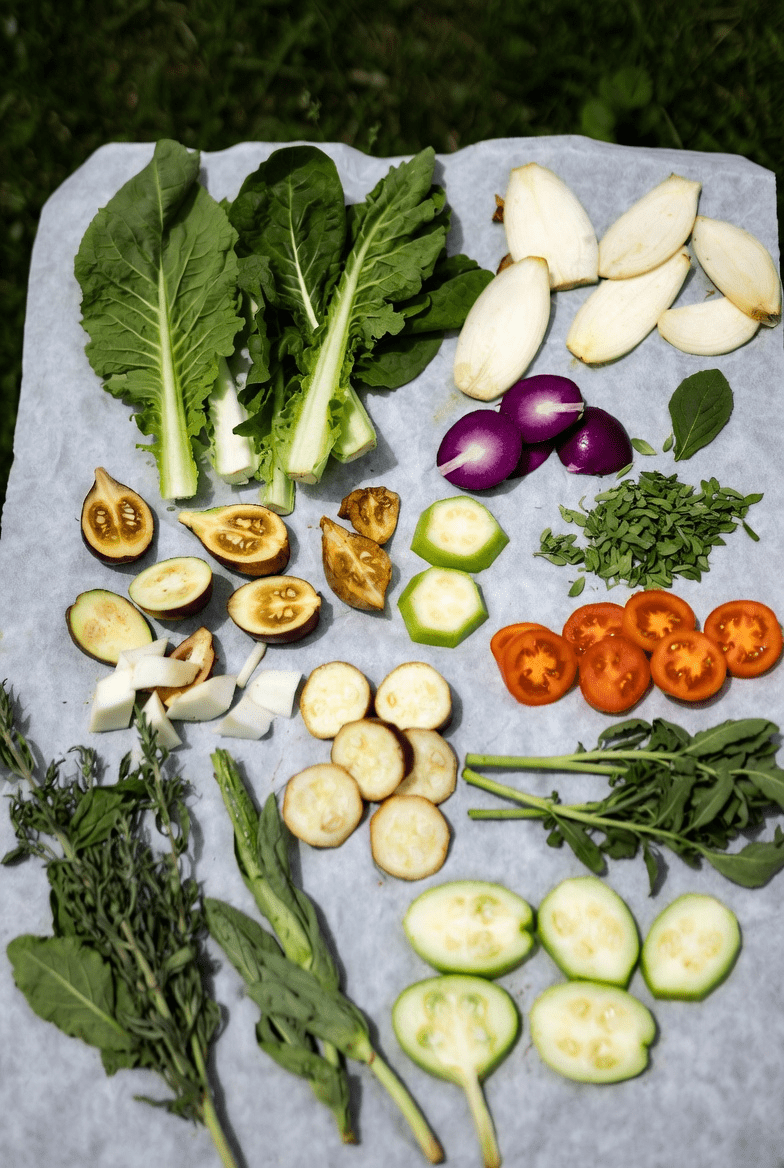
To make it easier, here’s a simple side-by-side:
- Instead of dark soda → Try sparkling water with a splash of lemon
- Instead of processed deli meat → Opt for fresh grilled chicken or turkey
- Instead of full-fat cheese → Choose small amounts of lower-phosphorus varieties
- Instead of banana → Reach for apples, berries, or grapes (lower potassium options)
- Instead of brown rice → White rice in moderation
These small changes can help reduce the overall load without feeling restrictive.
Actionable Tips to Support Your Kidneys Starting Today
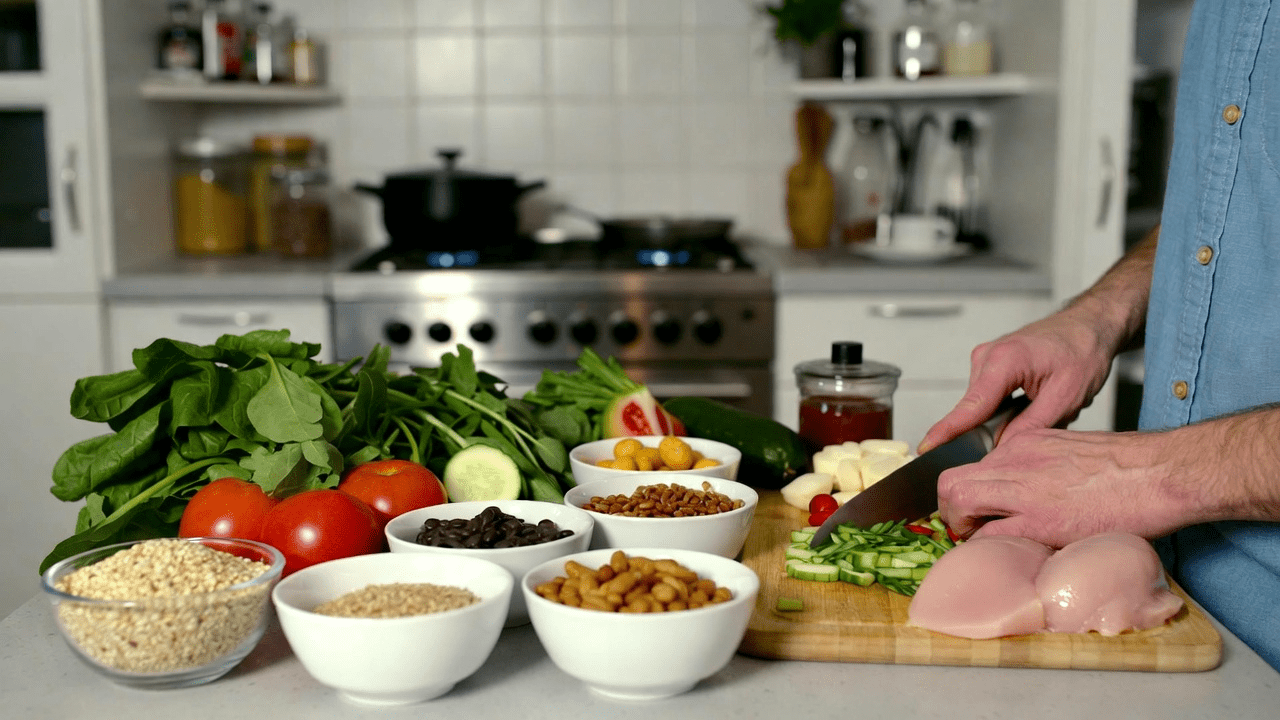
Here are practical steps backed by expert guidance:
- Read food labels carefully — aim for low-sodium options (under 140mg per serving when possible).
- Stay hydrated with plain water — proper fluid intake helps kidneys flush naturally (talk to your doctor about your specific amount).
- Choose fresh over processed whenever you can — this cuts hidden sodium and additives.
- Work with a registered dietitian — they can tailor a plan based on your bloodwork and stage of health.
- Boil vegetables like potatoes or greens — this simple cooking method leaches out some potassium.
The key is consistency. Start with one or two swaps this week and build from there.
Wrapping It Up: Small Choices, Big Support
Your kidneys do incredible work every day, and giving them a little extra consideration through mindful eating can go a long way toward feeling your best. By being aware of these 9 foods and making gradual adjustments, you’re taking proactive steps for long-term health.
One surprising habit many find supportive? Adding a bit of fresh lemon to your water — studies suggest the natural citrate may help with certain aspects of kidney wellness, like stone prevention (always check with your healthcare provider first).
What questions do you have about supporting kidney health? Share in the comments — we’d love to hear from you!
Frequently Asked Questions (FAQ)
1. Is lemon water bad for kidneys?
No — in fact, moderate amounts of lemon water are often considered helpful due to citric acid, which research links to potential benefits for preventing certain kidney stones (National Kidney Foundation). It’s generally safe, but consult your doctor for personalized advice.
2. Can everyone follow the same kidney-friendly diet?
No — needs vary by CKD stage, other health conditions, and lab results. What works for early stages may differ later on. Always get guidance from a healthcare professional or dietitian.
3. Should I completely avoid these 9 foods?
Not necessarily — moderation is key for most people. Focus on portion sizes, frequency, and overall balance rather than total elimination unless advised otherwise.
Disclaimer: This article is for informational purposes only and is not intended as medical advice. Dietary needs vary greatly depending on individual health status. Please consult your doctor or a registered dietitian before making significant changes to your diet, especially if you have kidney disease or related conditions.
(Word count: ~1350)