How to Make Onion Hair Oil at Home for Supporting Healthy Hair Growth and Reducing Hair Fall

Are you tired of seeing more hair in your brush than on your head? Dealing with excessive shedding can feel frustrating and even a little disheartening, especially when your hair once felt full and strong. Many people experience increased hair fall due to stress, poor nutrition, or simply daily styling habits. While no single remedy works for everyone, a simple homemade onion hair oil has become a popular natural option for those looking to nourish their scalp and support healthier-looking hair.
The good news? You can make this oil right in your kitchen using everyday ingredients. In this guide, we’ll walk you through the easy steps, explain why people love it, and share practical tips to get the most from it. Stick around until the end for a surprising twist on making the smell more bearable!
Why People Use Onion Hair Oil for Hair Care
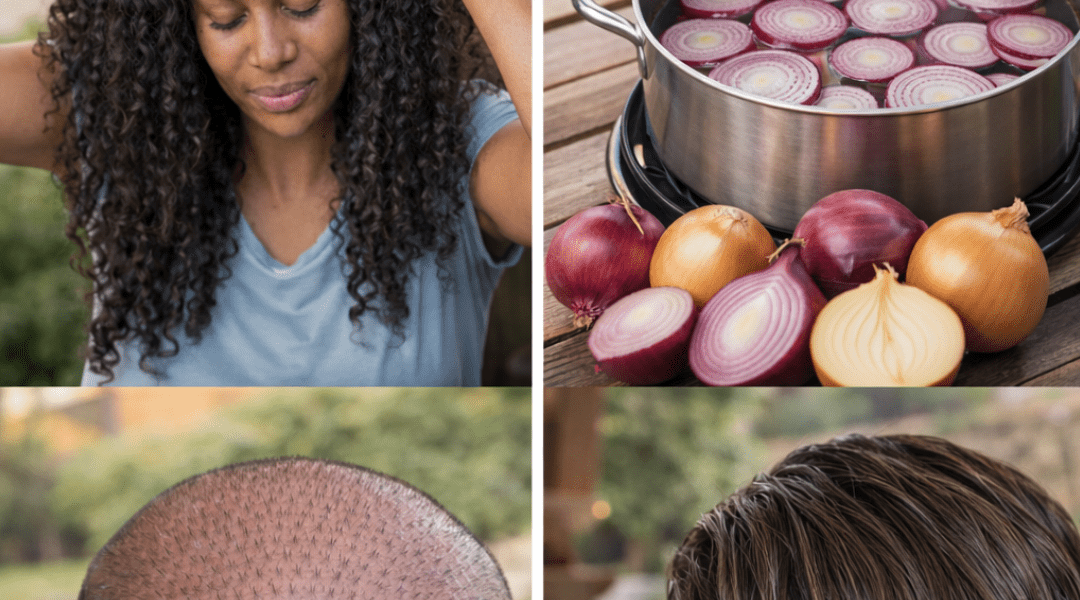
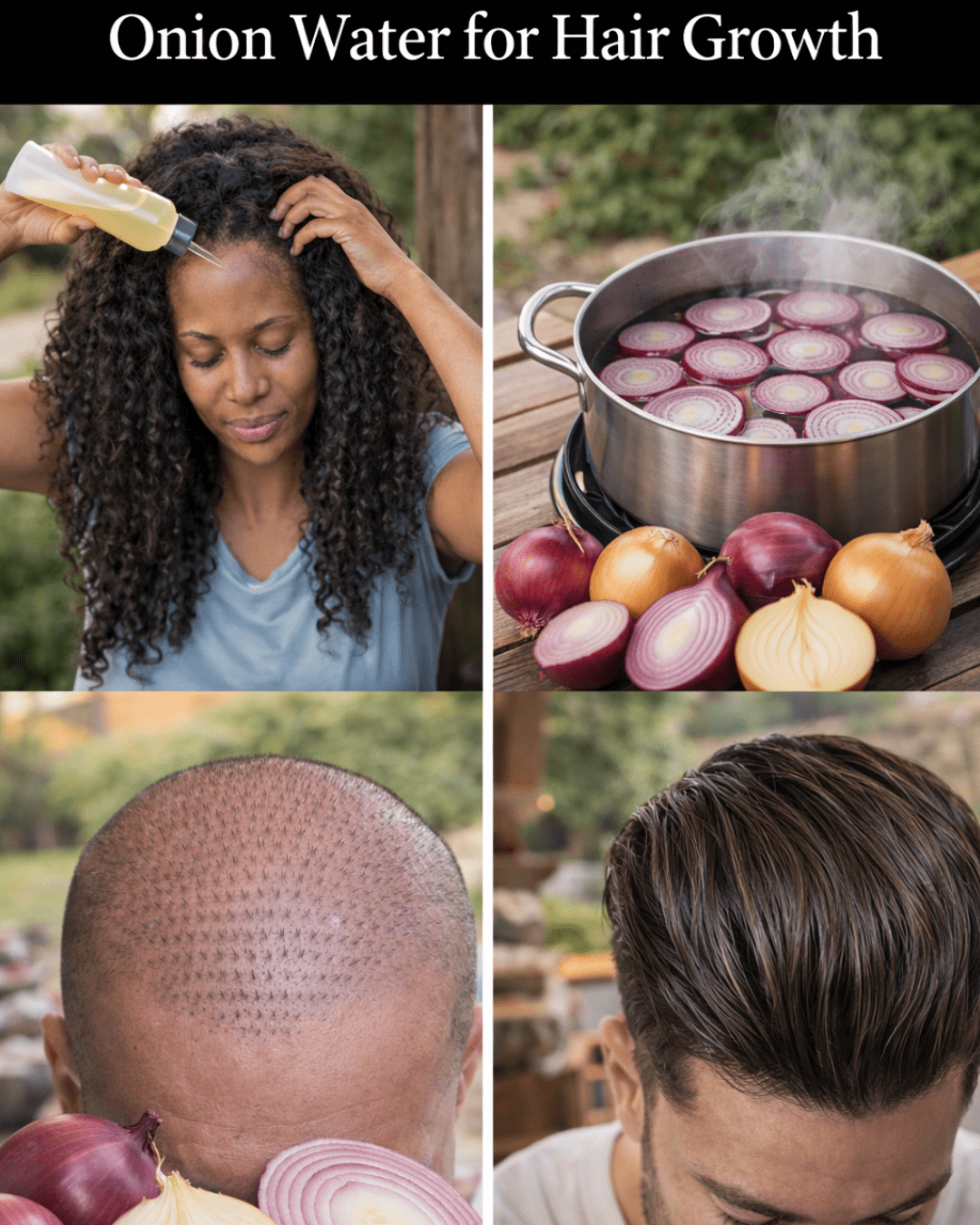
Onions are packed with sulfur compounds, a key building block of keratin—the protein that makes up your hair. Research, including a small study on patchy hair loss, has shown that onion juice applied topically may support hair regrowth in some cases by helping improve blood flow to the scalp and providing nutrients to hair follicles.
While more large-scale studies are needed, many people report that regular use leaves their hair feeling stronger and looking thicker. Combining onion with a carrier oil like coconut oil helps dilute the mixture, making it gentler on the scalp while adding extra moisture and nourishment.
But that’s not all—onion also contains antioxidants that may help protect hair from everyday damage. Ready to give it a try?
Ingredients You’ll Need
Gather these simple items:
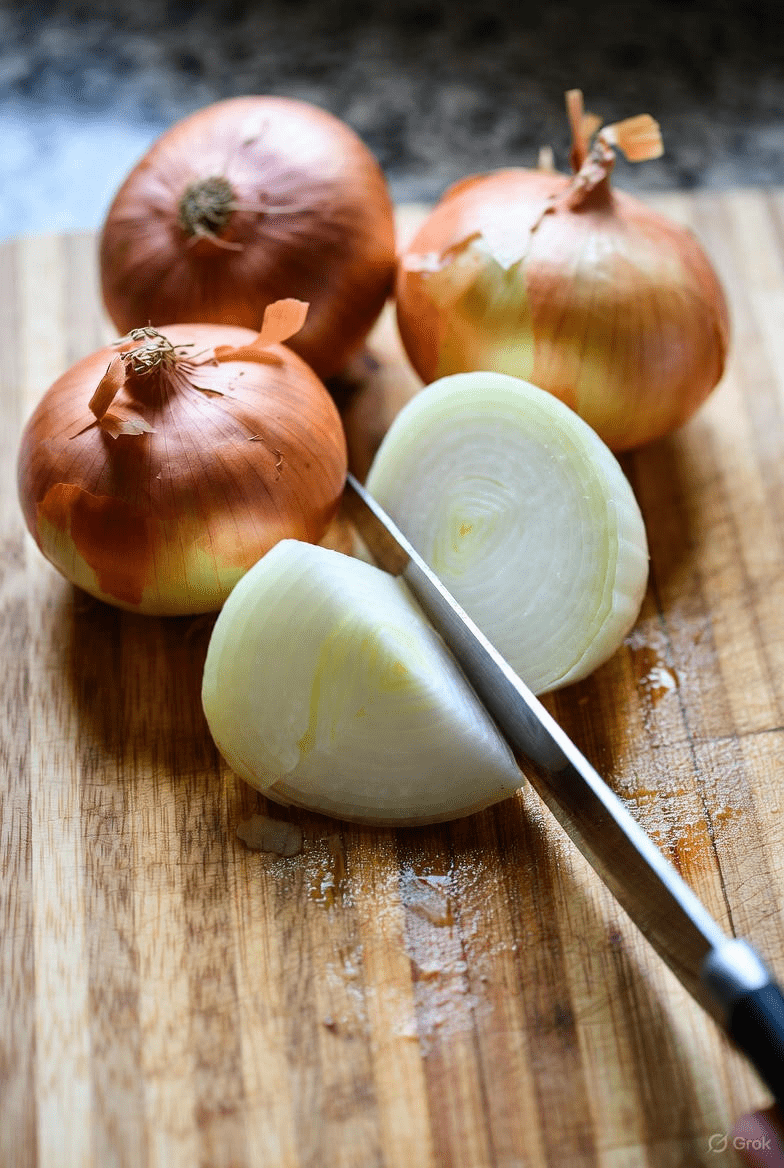
- 2–3 medium fresh onions (red or yellow work best)
- 1 cup (about 240 ml) coconut oil (or olive oil as an alternative)
- Optional: 10–15 curry leaves (to help reduce the strong smell)
- Optional: 1 teaspoon fenugreek (methi) seeds (for added nourishment)

Step-by-Step Guide: How to Make Onion Hair Oil
Follow these easy steps to create your homemade batch.
Step 1: Prepare the Onions
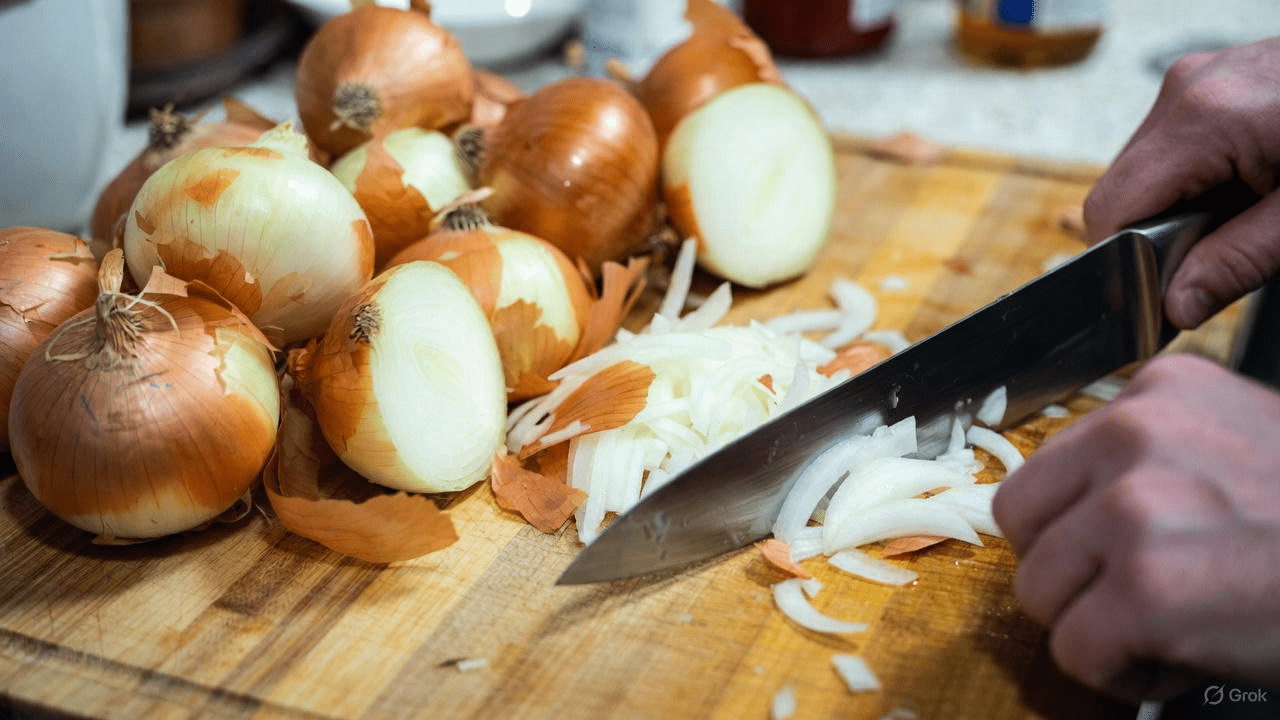
Peel and roughly chop the onions into small pieces. Place them in a blender or food processor and blend until you get a smooth paste.
Step 2: Extract the Onion Juice
Strain the blended mixture through a fine cheesecloth or muslin cloth. Squeeze firmly to extract as much juice as possible. You should get about ½ cup of fresh onion juice.
Step 3: Heat the Carrier Oil
Pour the coconut oil into a pan and warm it on low heat until it melts completely. Do not let it smoke or boil.
Step 4: Infuse the Oil
Add the onion juice (and optional curry leaves or fenugreek seeds) to the warm oil. Stir gently and let the mixture simmer on low heat for 10–15 minutes. Stir occasionally. The oil will take on a light golden color and release a strong aroma—this is normal.
Step 5: Cool and Strain
Remove from heat and let the mixture cool completely. Strain through a fine sieve or cheesecloth into a clean glass jar. Discard the solids.
Step 6: Store Properly
Store your onion hair oil in a dark, cool place. It can last up to 4–6 weeks. Always use a clean spoon to scoop it out.
How to Use Your Homemade Onion Hair Oil
- Apply 1–2 tablespoons to your scalp and hair.
- Massage gently with your fingertips for 5–10 minutes to boost circulation.
- Leave on for 30–60 minutes (or overnight for deeper nourishment).
- Wash out with a mild shampoo. You may need to shampoo twice to remove the scent.
- Use 2–3 times per week for best results.
Quick Tips for Better Results:
- Do a patch test on your inner arm first to check for irritation.
- Start with shorter leave-on times if you have sensitive skin.
- For extra hydration, mix in a few drops of rosemary or lavender essential oil.
Potential Benefits You Might Notice
Here are some reasons people keep coming back to this remedy:
- May support stronger, less brittle hair strands
- Helps create a nourished scalp environment
- Can make hair appear shinier and healthier
- Provides a natural alternative to commercial products
But wait—there’s an even better way to customize it…
Variations to Try
- Curry Leaf Boost: Add extra curry leaves during infusion for a milder scent and added nutrients.
- Fenugreek Power: Soak fenugreek seeds overnight, then add to the oil for extra protein support.
- Gentler Version: Mix 1 part onion juice with 4 parts oil if your scalp is sensitive.
Things to Keep in Mind (Important Safety Notes)
While many people use onion hair oil without issues, it’s not right for everyone. Some may experience mild scalp redness, itching, or dryness—especially if applied undiluted or left on too long. If you notice irritation, rinse immediately and discontinue use. Avoid getting it in your eyes, as it can sting. People with allergies to onions should skip this remedy entirely.
Conclusion: Give Your Hair Some Natural Love
Making onion hair oil at home is an easy, affordable way to show your scalp and strands some extra care. With consistent use and proper application, you might notice your hair feels stronger and looks healthier over time. Remember, healthy hair starts from the inside too—pair this with a balanced diet, good hydration, and gentle handling.
Have questions about how often to use it or what to do about the smell? Check the FAQ below!
FAQ
Q1: How long does it take to see results from onion hair oil? Most people notice improvements in hair strength and reduced shedding after 4–8 weeks of regular use. Results vary based on individual factors like diet and overall hair health.
Q2: Does the onion smell stay in my hair forever? The strong scent usually washes out after 1–2 shampoos. Adding curry leaves or essential oils during preparation helps reduce it significantly.
Q3: Can I use onion hair oil every day? It’s best to start with 2–3 times per week. Daily use may cause dryness or irritation for some people.
Disclaimer: This article is for informational purposes only and is not a substitute for professional medical advice. Onion hair oil is a home remedy and not intended to diagnose, treat, cure, or prevent any disease. If you have significant hair loss, scalp conditions, or allergies, consult a healthcare professional or dermatologist before trying new remedies. Always perform a patch test and discontinue use if irritation occurs.