Does Garlic Really Have Strong Antimicrobial Properties? Exploring the Science Behind This Popular Kitchen Staple

You’ve probably seen viral posts claiming that garlic can take on dozens of bacteria and infections with ease. It’s easy to get excited about a simple food that might support your body’s natural defenses, especially when seasonal bugs are going around or when you’re looking for everyday ways to stay feeling your best. But those bold numbers often leave people wondering what’s real and what’s hype. The frustration comes from sorting through exaggerated claims while still wanting to make smart choices for your wellness routine.
The good news is that garlic has been studied extensively for its potential supportive role in health, thanks to natural compounds like allicin. Research points to interesting properties, but the reality is more nuanced than social media memes suggest. By the end of this article, you’ll have a clearer picture of what science actually says—and a surprising insight into how something as ordinary as garlic might fit into your daily habits in meaningful ways.
What Makes Garlic Special: The Key Compound Called Allicin
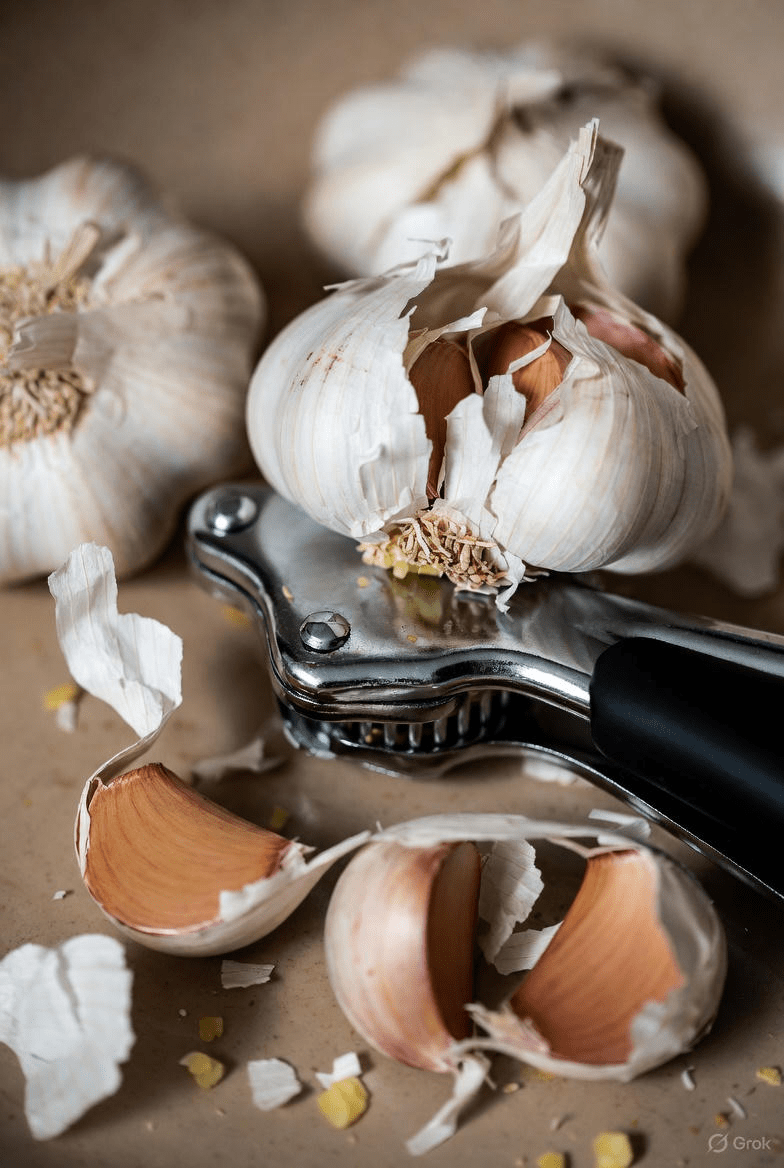
Garlic’s distinctive aroma and flavor come from sulfur-containing compounds, with allicin being the star player. When you crush or chop a fresh garlic clove, an enzyme called alliinase reacts with alliin (a non-protein amino acid) to form allicin almost instantly.
This process is fascinating—it’s nature’s way of protecting the plant from pests and pathogens. Studies, including reviews published on PubMed, show that allicin exhibits antimicrobial effects in lab settings against a broad spectrum of microbes. For instance, research has demonstrated activity against both Gram-positive and Gram-negative bacteria, as well as some fungi and parasites.
But here’s where it gets interesting: allicin is unstable and breaks down quickly when heated or exposed to stomach acid. That’s why fresh, crushed garlic often shows stronger effects in studies compared to cooked versions or some supplements.
The truth is, while allicin contributes to garlic’s reputation, it’s not a standalone miracle. Other compounds like diallyl sulfides and ajoene also play roles, adding to the overall profile that researchers continue to explore.
Debunking the Viral Claim: Where Do “14 Bacteria and 13 Infections” Come From?
Those specific numbers circulating online—”garlic kills 14 types of bacteria and 13 types of infections”—appear to stem from exaggerated or misinterpreted social media posts rather than a single peer-reviewed study. Searches through scientific databases like PubMed turn up no exact match for these figures.
One older reference mentions garlic oil showing activity against around 14 enteric pathogens in lab tests, but it’s not a direct quote about fresh garlic “killing” them outright. Other studies highlight broad-spectrum effects, such as allicin inhibiting multidrug-resistant strains of E. coli or Staphylococcus.
The reality? Lab research consistently shows garlic extracts can inhibit growth of many microbes—including Salmonella, E. coli, Staphylococcus, Pseudomonas, and even some fungi like Candida. But these are in vitro (test tube) results, not proof of the same impact inside the human body.
This doesn’t mean garlic has no value—far from it. It just reminds us that real science is about evidence from controlled studies, not viral headlines. And that’s okay; understanding the nuances helps you make informed choices.
What Research Actually Shows About Garlic’s Antimicrobial Potential
Dozens of studies have investigated garlic’s effects, with promising but preliminary findings.
- Broad antibacterial range: Reviews note activity against Gram-positive (like Staphylococcus aureus) and Gram-negative bacteria (like E. coli and Pseudomonas), including some antibiotic-resistant strains.
- Antifungal and more: Allicin has shown effects against Candida albicans and certain parasites in lab settings.
- Support for immune health: Some human trials suggest regular garlic consumption may support overall wellness, such as reducing the severity of common seasonal discomforts.
However, most strong evidence comes from lab or animal studies. Human trials are fewer and often small, showing modest supportive effects rather than dramatic results.
Here’s a quick comparison of garlic forms based on common research observations:
| Garlic Form | Key Compounds Active | Potential Strengths | Notes on Effectiveness |
|---|---|---|---|
| Fresh crushed | High allicin | Strongest in lab antimicrobial tests | Unstable; best used soon after crushing |
| Cooked | Lower allicin | Easier to eat daily | Heat reduces some compounds |
| Aged extract | Stable sulfides | Better absorption in some studies | Often used in supplements |
| Powder/Oil | Varies by processing | Convenient for recipes | Activity depends on preparation |
The takeaway? Garlic shows intriguing properties in research, but it’s part of a bigger picture of healthy habits.
Simple, Actionable Ways to Include Garlic in Your Daily Routine
If you’re interested in adding more garlic based on its researched properties, here are practical tips to get started safely:
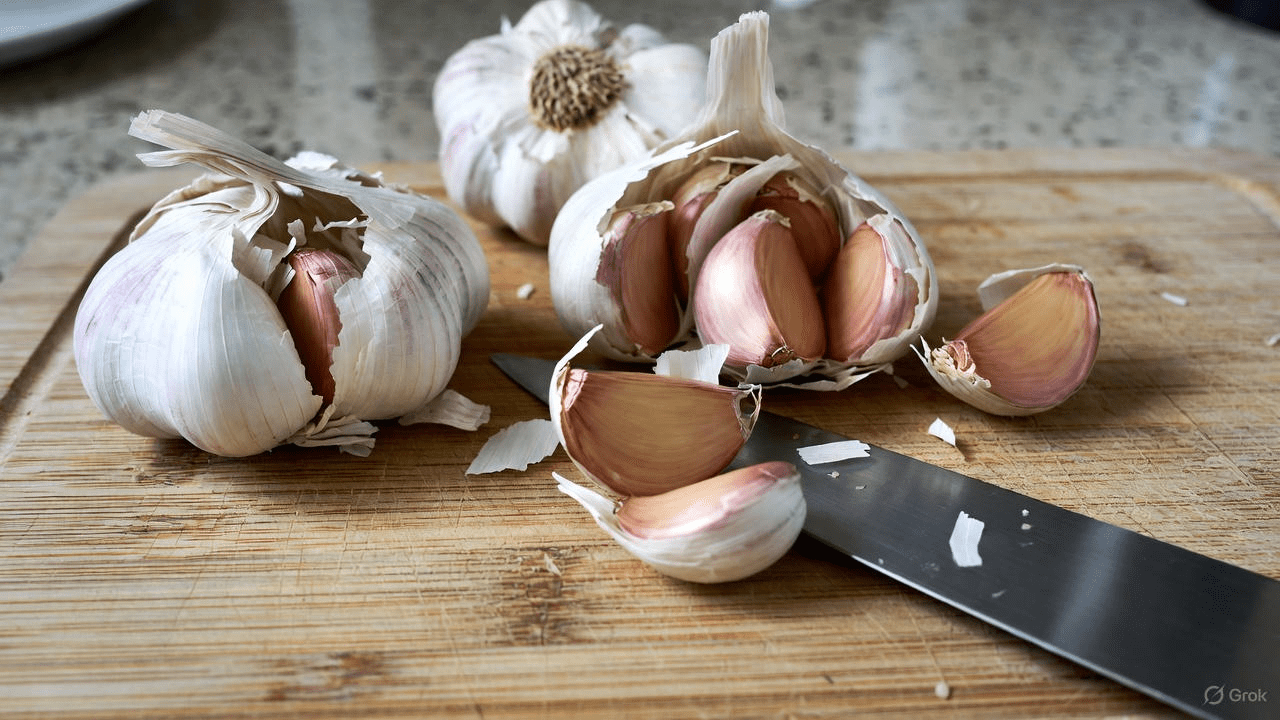
- Start fresh: Crush or finely chop 1-2 cloves and let them sit for 10 minutes before using—this maximizes allicin formation.
- Mix into meals: Add crushed garlic to salads, dressings, or stir-fries near the end of cooking to preserve more compounds.
- Try a honey blend: Chop a clove, mix with a teaspoon of honey, and swallow for a gentler option.
- Roast for flavor: Whole bulbs roasted until soft are milder and great spread on bread or mixed into veggies.
- Incorporate gradually: Begin with half a clove daily and build up to avoid digestive discomfort.
- Pair wisely: Combine with olive oil, lemon, or herbs in marinades for tasty, everyday use.
Aim for 1-2 cloves per day as a general starting point, based on how studies often dose garlic for research.
Other Evidence-Based Reasons People Enjoy Adding Garlic
Beyond antimicrobial interest, garlic gets attention for:
- Supporting heart health through modest effects on blood pressure and cholesterol in some reviews.
- Providing antioxidants that may help combat oxidative stress.
- Adding flavor to make vegetable-heavy meals more enjoyable, indirectly supporting better eating patterns.
These benefits come from consistent, moderate inclusion rather than mega-doses.
In Summary: A Balanced View on Garlic’s Role
Garlic is a flavorful, nutrient-rich food with compounds like allicin that have shown antimicrobial properties in laboratory research. While viral claims overstate specifics, evidence supports its potential as a supportive addition to a healthy lifestyle. The most exciting part? Something as accessible as garlic can encourage more home-cooked, plant-focused meals—and that’s a win on its own.
Frequently Asked Questions
1. How much garlic should I eat daily for potential benefits?
Many studies use the equivalent of 1-2 fresh cloves (about 3-6 grams). Start small and listen to your body.
2. Is raw garlic better than cooked or supplements?
Raw, crushed garlic often retains more allicin in lab tests, but cooked is easier to enjoy regularly. Supplements vary—look for standardized ones and consult a professional.
3. Can garlic replace antibiotics?
No. While it shows lab activity, it’s not a substitute for medical treatment. Always see a healthcare provider for infections.
Disclaimer: This article is for informational purposes only and is not intended to diagnose, treat, cure, or prevent any disease. Consult your healthcare provider before making changes to your diet, especially if you have health conditions or take medications.