Have You Noticed Small White Spots on Your Arms or Legs? Here’s What You Need to Know About Them

Many people start seeing tiny white spots appear on their sun-exposed skin as they get older, especially on the arms and legs. These spots can be worrying at first glance because they stand out, particularly after spending time in the sun or getting a tan. It’s completely normal to wonder what they are and if they mean something more serious is going on. The good news is that in most cases, these are a common, harmless skin change that affects a large number of adults.
But here’s the thing—they don’t just appear out of nowhere, and understanding what’s behind them can help you feel more in control. Keep reading, because toward the end, I’ll share some practical steps experts recommend to help manage their appearance and prevent more from showing up.
What Are These Small White Spots Exactly?
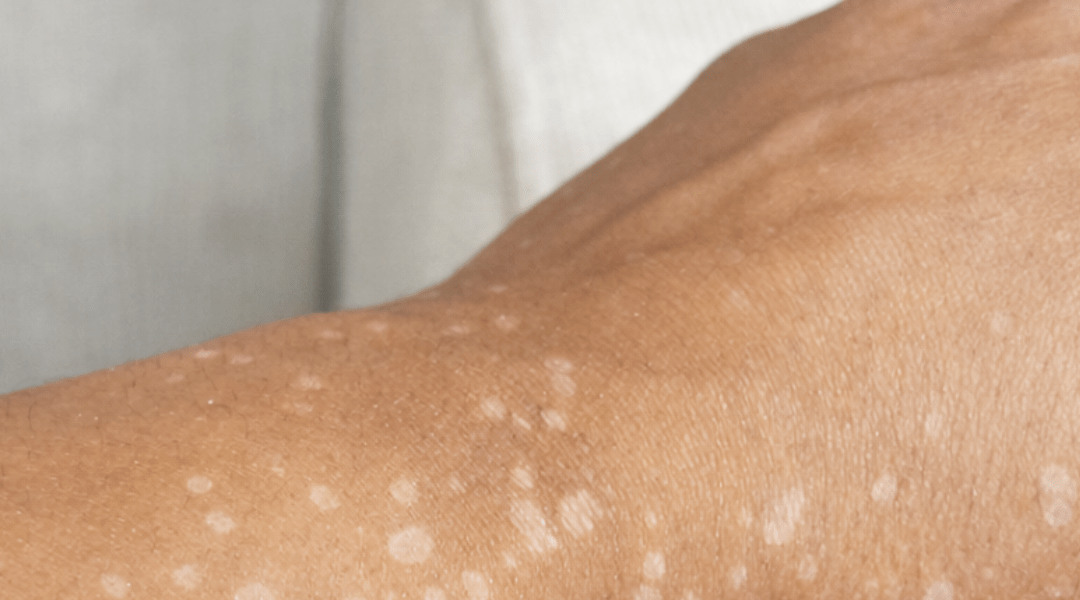
These small, flat white or pale spots are most often a condition known as idiopathic guttate hypomelanosis (IGH), sometimes called “sun spots” or “white freckles.”
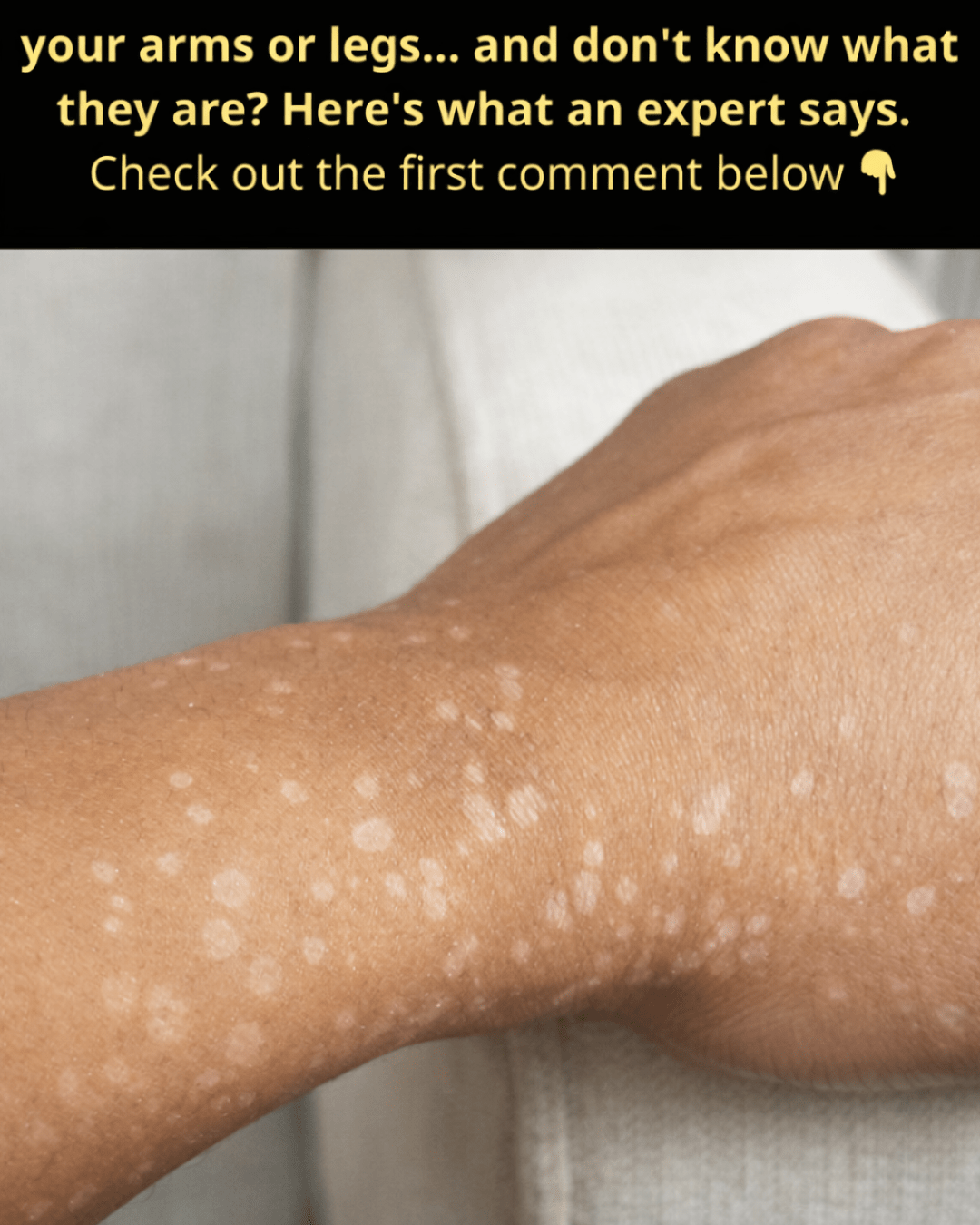
They typically measure 2 to 5 millimeters across—about the size of a pencil eraser—and have smooth, well-defined edges. Unlike raised bumps or itchy patches, these spots are completely flat and don’t cause any discomfort, scaling, or pain.
Research shows IGH becomes more common with age. Studies indicate it affects fewer than 50% of people in their 30s, but up to 80% or more of those over 40, and nearly everyone in older age groups. It’s seen across all skin types, though it’s more noticeable on medium to darker tones.
Here’s the interesting part: These spots tend to show up first on the shins and forearms—the areas that get the most cumulative sun exposure over the years.
Why Do These White Spots Appear?
Experts believe the main trigger is long-term exposure to ultraviolet (UV) light from the sun. Over time, this can affect how pigment-producing cells (called melanocytes) function in small areas of the skin.
As we age, natural skin changes play a role too. The “idiopathic” part of the name simply means the exact mechanism isn’t fully understood yet, but sun exposure and aging are the key factors consistently linked in medical literature.
But that’s not all—genetics may influence who develops more of them, and they’re more common in fair-skinned individuals with a history of outdoor activities or tanning.
The truth is, these spots are a sign that your skin has accumulated years of sun exposure. They’re harmless, but they do remind us how important ongoing protection is.
How to Tell If It’s IGH or Something Else
While IGH is the most frequent cause of these particular spots, other skin changes can look similar. Here’s a quick comparison:
| Condition | Appearance | Common Locations | Other Features |
|---|---|---|---|
| Idiopathic Guttate Hypomelanosis | Small (2-5mm), round/oval flat white spots | Arms, legs (shins), upper back | No itch, no scale; more visible after tanning |
| Pityriasis Alba | Larger pale patches, sometimes scaly | Face, arms in children | Mild itch possible; often resolves on its own |
| Tinea Versicolor | White, pink, or brown patches | Trunk, upper arms | Fine scale; caused by yeast |
| Vitiligo | Larger irregular white patches | Anywhere, often symmetrical | Progressive; autoimmune link |
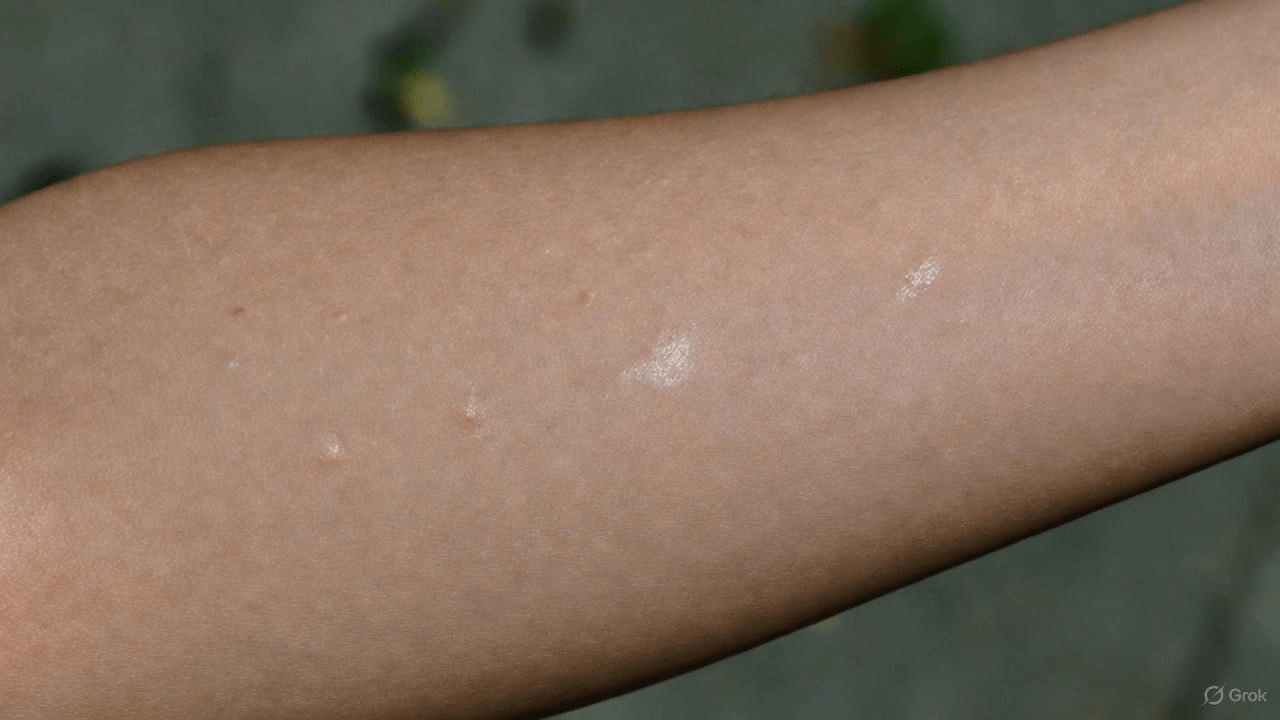
If your spots are tiny, multiple, and only on sun-exposed areas without any other symptoms, IGH is the likely explanation. However, new or changing skin spots always deserve a professional look.
Everyday Habits That Can Help Manage the Appearance
The best approach focuses on supporting overall skin health and protecting it moving forward. Here are some practical steps many dermatologists suggest:
- Prioritize sun protection daily: Use a broad-spectrum sunscreen with SPF 30 or higher on exposed areas, even on cloudy days. Reapply every two hours when outdoors.
- Keep skin hydrated: Apply a gentle, fragrance-free moisturizer twice daily, especially after showering. Well-hydrated skin often looks more even.
- Wear protective clothing: Long sleeves, pants, and wide-brimmed hats add an extra layer of defense.
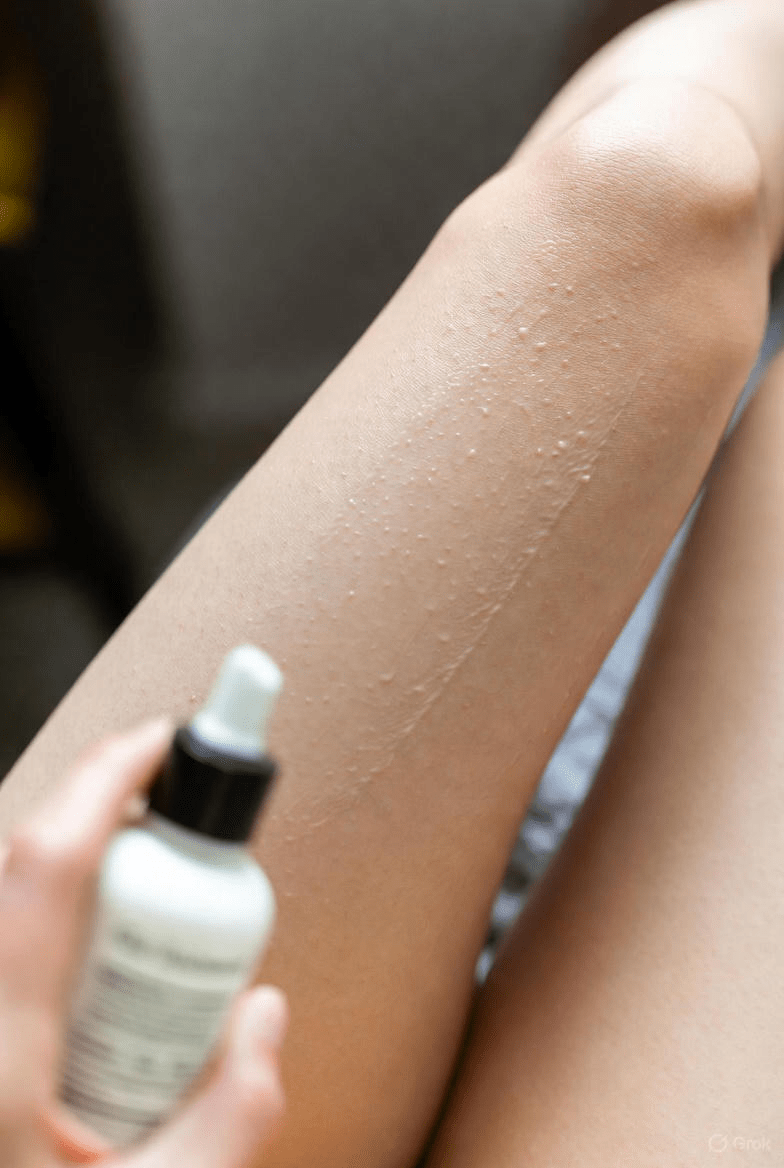
- Gentle exfoliation: Once or twice a week, use a soft washcloth or mild chemical exfoliant to remove dead skin cells—this can help improve texture over time.
- Avoid tanning: Whether from the sun or beds, additional UV exposure can make existing spots more noticeable and encourage new ones.
Consistency with these habits is key. Many people notice that diligent sun protection helps slow the development of additional spots.
When to See a Dermatologist
Most of the time, these spots are nothing to worry about. But it’s wise to have them checked if:
- The spots are growing, changing shape, or becoming raised
- You have many new spots appearing quickly
- There’s itching, redness, or bleeding
- You’re concerned about the cosmetic appearance
A board-certified dermatologist can confirm the diagnosis with a simple exam and discuss options if you’d like to explore ways to minimize their visibility.
Frequently Asked Questions
Are these white spots contagious?
No, IGH is not contagious at all—it’s simply a natural skin change related to sun exposure and aging.
Will the spots go away on their own?
They usually persist once they appear, but good skin care and protection can help prevent more from forming and may make existing ones less prominent over time.
Can diet or supplements help?
While no specific food or supplement has been proven to reverse these spots, a balanced diet rich in antioxidants supports overall skin health.
Final Thoughts
Small white spots on the arms and legs are incredibly common and, in the vast majority of cases, a benign reminder of time spent in the sun over the years. They’re not dangerous, but they can affect how confident you feel in short sleeves or shorts.
By focusing on consistent sun protection, gentle moisturizing, and healthy skin habits, you can take positive steps forward. Your skin has served you well—now it’s time to return the favor.
Important Disclaimer: This article is for informational purposes only and is not a substitute for professional medical advice, diagnosis, or treatment. Always consult a qualified healthcare provider or dermatologist for any concerns about your skin. Individual results and experiences may vary.