
Many people today feel overwhelmed by daily health concerns like fluctuating energy levels, occasional digestive discomfort, or the desire for better overall vitality. These common issues can make it hard to enjoy life fully, leaving you searching for natural ways to feel more balanced. The good news is that simple, everyday herbs from your kitchen or garden might offer gentle support as part of a healthy lifestyle.
One such herb that’s been used for centuries is thyme—a fragrant plant with a rich history in traditional wellness practices. But what makes it stand out, and how can you incorporate it safely? Keep reading to uncover some surprising insights backed by emerging research.

What Is Thyme and Why Is It Worth Exploring?
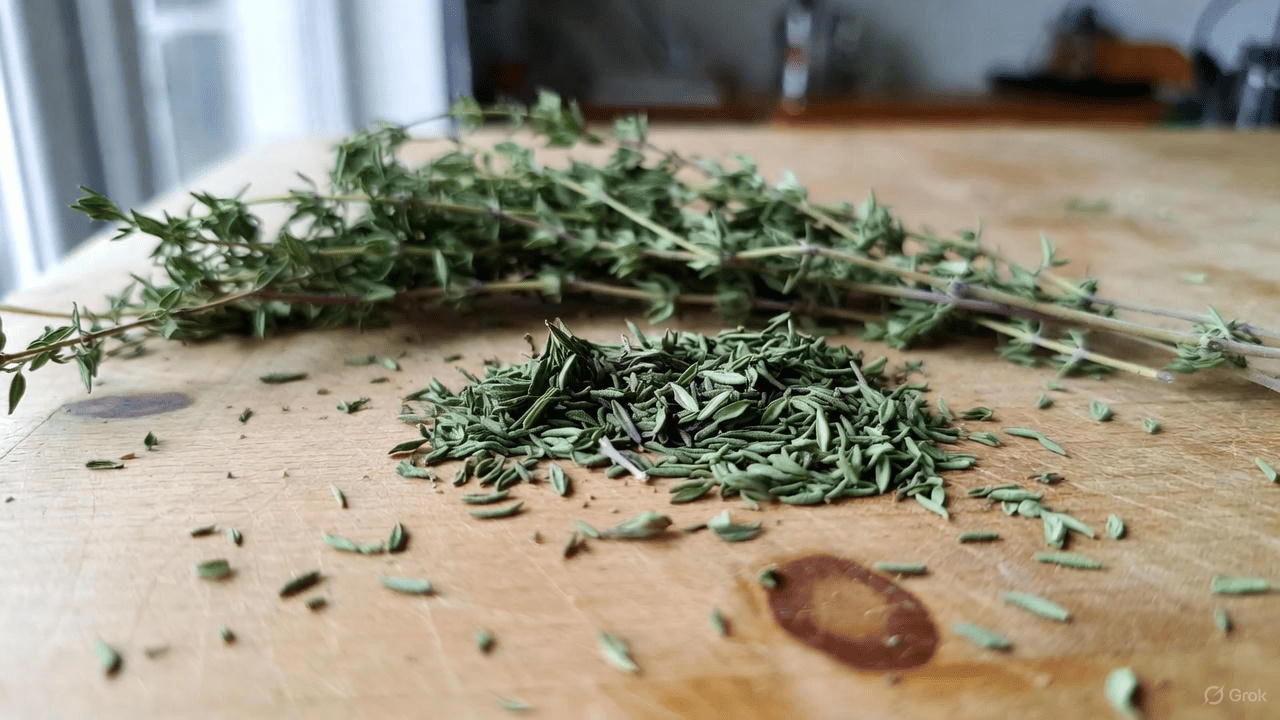
Thyme (Thymus vulgaris) is a small, evergreen herb from the mint family, native to the Mediterranean region. It’s commonly used in cooking for its earthy, slightly minty flavor, but its leaves and essential oils have also been valued in traditional remedies.
Research highlights thyme’s high content of compounds like thymol and carvacrol, which contribute to its antioxidant properties. Studies, including reviews published in journals like Phytotherapy Research, suggest these antioxidants may help combat oxidative stress in the body—a factor linked to many modern health challenges.
But that’s just the beginning…
Nutritional Profile: What Makes Thyme Nutrient-Rich?
Thyme packs a surprising amount of nutrients into its tiny leaves. Just one teaspoon of dried thyme provides:
- Vitamin C for immune support
- Vitamin A for eye and skin health
- Iron and manganese for energy metabolism
- Potassium for heart function
Here’s a quick comparison of key nutrients in fresh vs. dried thyme (per tablespoon):
| Nutrient | Fresh Thyme (1 tbsp) | Dried Thyme (1 tbsp) |
|---|---|---|
| Vitamin C | 4.8 mg | 1.5 mg |
| Iron | 1.4 mg | 3.7 mg |
| Manganese | 0.1 mg | 0.4 mg |
| Calories | 3 | 7 |
(Source: USDA data)
These nutrients make thyme a worthwhile addition to meals or teas, potentially supporting overall nourishment.
Potential Ways Thyme May Support Circulation and Heart Health
Maintaining healthy blood flow is essential for feeling energized throughout the day. Some animal and preliminary human studies indicate that thyme extracts might help relax blood vessels, contributing to normal blood pressure levels.
For instance, a study on individuals with elevated blood pressure found that thyme supplementation was associated with modest improvements in readings. Researchers attribute this to thyme’s potassium content and antioxidant effects, which may promote vascular health.
Of course, lifestyle factors like diet and exercise play the biggest role—but adding thyme could be a supportive habit.
How Thyme Might Contribute to Balanced Blood Sugar and Metabolic Wellness
Managing energy crashes and cravings is a common goal. Emerging research, including animal studies, shows thyme may influence insulin sensitivity and glucose metabolism positively.
One review noted antidiabetic potential in thyme due to its bioactive compounds. While more human trials are needed, incorporating thyme tea as part of balanced meals might offer gentle metabolic support.
This is especially interesting for those exploring natural ways to maintain steady energy.
Thyme’s Role in Supporting Liver and Digestive Comfort
Occasional bloating or sluggish digestion can disrupt your routine. Thyme has long been used traditionally for digestive ease, and some studies support its carminative properties—helping reduce gas and discomfort.
Additionally, preclinical research suggests hepatoprotective effects, meaning it may help protect liver cells from stress. A study on nonalcoholic fatty liver models found thyme associated with improved markers.
Sipping thyme tea after meals could become a soothing ritual for digestive wellness.
Antioxidant Power: Thyme’s Potential in Overall Cellular Health
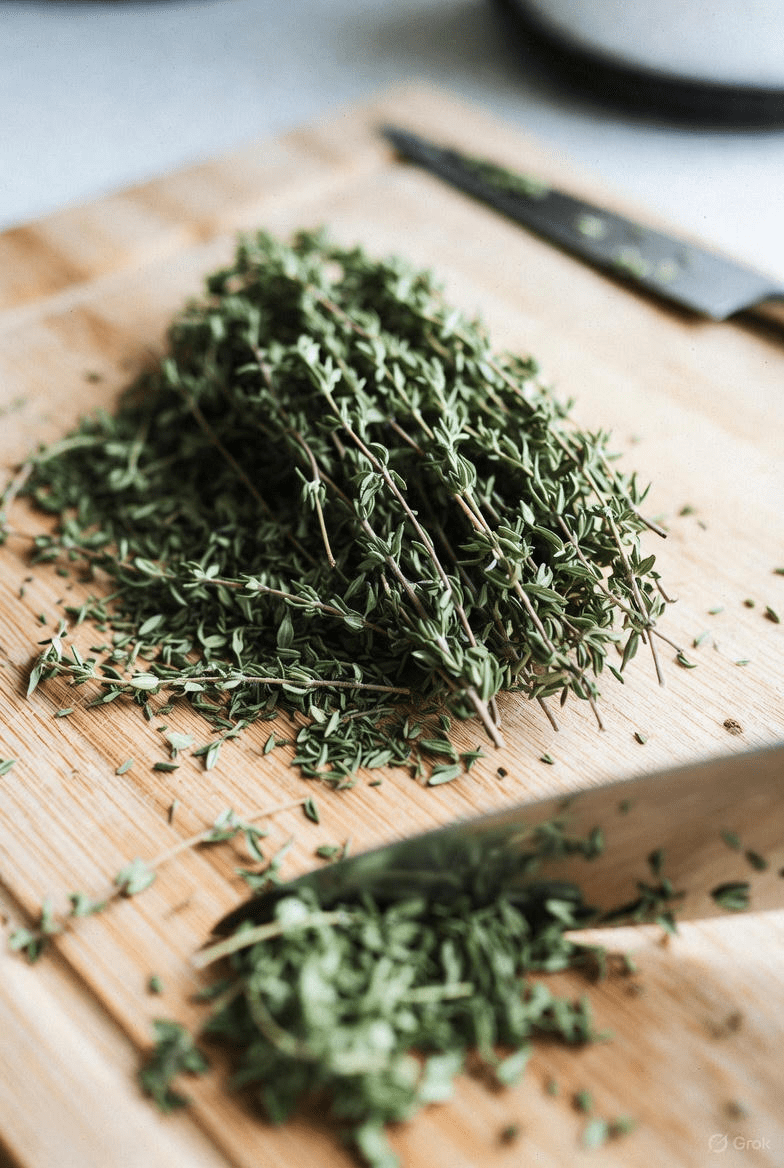
Free radicals from daily life can contribute to aging and inflammation. Thyme’s phenolic compounds act as potent antioxidants, neutralizing these stressors.
Lab studies have explored thyme’s effects on cell lines, showing promise in inhibiting oxidative damage. While not a replacement for medical approaches, its antioxidant profile adds to its appeal as a daily herb.
Here’s a bullet list of key compounds in thyme and their studied roles:
- Thymol: Antimicrobial and anti-inflammatory support
- Carvacrol: Antioxidant and mood-enhancing potential
- Flavonoids: Help reduce oxidative stress
- Terpenes: Contribute to respiratory comfort
Research from sources like PMC articles emphasizes these synergies.
Practical Tips: How to Incorporate Thyme into Your Routine
Ready to try thyme? Here are actionable steps for making thyme tea—a simple, enjoyable way to enjoy its benefits:
- Gather ingredients: Use 1-2 teaspoons of dried thyme or 3-4 fresh sprigs per cup of water.
- Boil water: Bring fresh water to a rolling boil.
- Steep: Add thyme to a mug or teapot, pour hot water over it, and cover for 5-10 minutes (longer for stronger flavor).
- Strain and enhance: Remove the herbs, then add honey, lemon, or ginger for taste.
- Enjoy: Sip 1-2 cups daily, preferably between meals.
Start with small amounts to see how your body responds. You can also sprinkle fresh thyme on salads, soups, or roasted vegetables for culinary benefits.
But remember, consistency matters—pair it with a varied diet for best results.
Safety Considerations and Who Should Be Cautious
Thyme is generally safe in food amounts, but concentrated forms like teas or oils may cause mild stomach upset or allergic reactions in sensitive individuals.
Avoid excessive use if pregnant, as some studies suggest it could stimulate contractions. Consult a doctor if you have hormone-sensitive conditions or take medications.
Conclusion: A Timeless Herb for Modern Wellness
Thyme offers a gentle, natural way to support circulation, digestion, metabolic balance, and antioxidant defenses—all backed by promising research. While it’s not a miracle solution, incorporating this versatile herb could enhance your daily routine meaningfully.
Start small, listen to your body, and enjoy the process of exploring nature’s offerings.
Frequently Asked Questions
1. How often can I drink thyme tea?
Most people enjoy 1-3 cups daily safely. Begin with one cup to assess tolerance.
2. Can thyme tea help with respiratory comfort?
Traditional use and some studies suggest it may soothe occasional coughs due to its expectorant properties, but it’s not a substitute for medical care.
3. Is fresh or dried thyme better for tea?
Fresh offers milder flavor; dried is more concentrated. Both work well—experiment to find your preference.
Important Disclaimer: This article is for informational purposes only and does not provide medical advice. Thyme and herbal teas may support general wellness but are not intended to diagnose, treat, cure, or prevent any disease. Always consult a healthcare professional before adding new herbs to your routine, especially if you have health conditions or take medications.
(Word count: approximately 1350)