
Why Everyone Loves Cloves – And How Clove Oil Takes Their Natural Power to the Next Level: A Simple Home Guide

Cloves have been a beloved spice in kitchens around the world for centuries, adding warmth and depth to everything from holiday recipes to everyday teas. Many people appreciate their rich aroma and the way they seem to bring a little extra comfort to daily routines. But what makes cloves so special is their concentrated natural compounds, and when you turn them into an infused oil, those properties become even more accessible in a versatile form that you can easily make at home.
The frustration comes when you want to harness that natural potency more directly – store-bought versions can be expensive or filled with additives, and it’s hard to know exactly what’s in them. That’s where creating your own clove-infused oil shines: it’s straightforward, cost-effective, and lets you control every step. Keep reading, because toward the end, I’ll share a surprisingly simple method that’s safer and more effective than you might expect.
What Makes Cloves So Popular?
Cloves come from the dried flower buds of an evergreen tree native to Indonesia. They’ve been prized for generations not just for flavor, but for their natural compounds like eugenol, which gives them their distinctive spicy scent.
Research shows that eugenol is the key player here – it’s a phenolic compound that contributes to cloves’ strong antioxidant profile. Studies, including those published in journals like Molecules and Frontiers in Nutrition, highlight how clove extracts rich in eugenol exhibit antimicrobial and anti-inflammatory properties in lab settings.
But here’s the interesting part: while whole cloves contain about 8-14% essential oils (mostly eugenol), a properly made infused oil concentrates these compounds into a liquid form that’s easier to use in small amounts.
This is why many people find clove oil even more versatile than the whole spice. It’s not about being “better” – it’s about convenience and potency for everyday applications.

The Difference Between Whole Cloves and Clove Oil
Let’s break it down clearly:
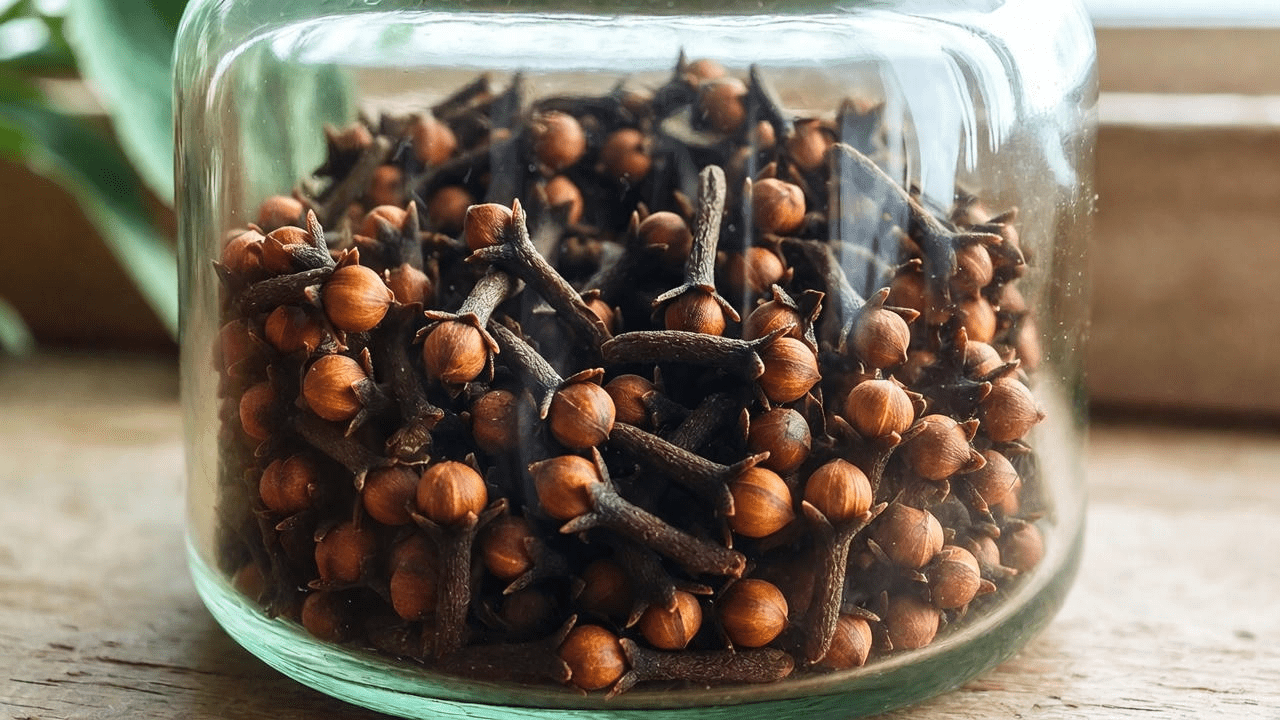
- Whole Cloves: Perfect for cooking, teas, or studding oranges for natural fragrance. They release their compounds slowly, making them ideal for infusions or direct use.
- Ground Cloves: Convenient for baking, but they lose potency faster due to exposure to air.
- Clove Oil (Infused at Home): A carrier oil extracts the beneficial compounds, creating a concentrated version that’s simple to apply or add to recipes.
Commercial essential oils are steam-distilled and highly concentrated (often 70-90% eugenol), while homemade infused versions are milder and safer for beginners.
Here’s a quick comparison:
| Form | Potency Level | Best For | Shelf Life | Ease of Use |
|---|---|---|---|---|
| Whole Cloves | Medium | Cooking, teas, decor | 1-2 years | Moderate |
| Ground Cloves | Medium-Low | Baking, quick seasoning | 6-12 months | High |
| Homemade Infused Oil | High | Topical blends, aromatherapy | 6-12 months | Very High |
| Commercial Essential Oil | Very High | Professional aromatherapy | 2+ years | Requires dilution |
The truth is, homemade clove oil strikes the perfect balance for most people – powerful enough to notice, but gentle when used properly.
Why Consider Making Your Own Clove Oil?
Many turn to cloves for their natural warmth in recipes or home remedies. Infusing them into oil amplifies that by making the compounds more bioavailable.
Studies on clove extracts (rich in eugenol) suggest potential support for oral health, like reducing bacteria in the mouth when used in rinses. Other research points to antioxidant effects that help combat oxidative stress.
But that’s not all…
People often report enjoying clove oil in massage blends for its soothing warmth, or adding a drop to DIY cleaners for a fresh scent. The key is starting with quality ingredients and proper preparation.
Step-by-Step Guide: How to Make Clove-Infused Oil at Home
Ready to try it? This cold infusion method is the safest and simplest for beginners. It avoids heat, preserving the natural compounds.
What You’ll Need:
- 1/2 cup whole organic cloves (preferably high-quality for better aroma)
- 1 cup carrier oil (extra-virgin olive oil is classic; jojoba or almond work well too)
- A clean glass jar with a tight lid
- Cheesecloth or fine strainer
- Dark glass bottle for storage
Instructions:
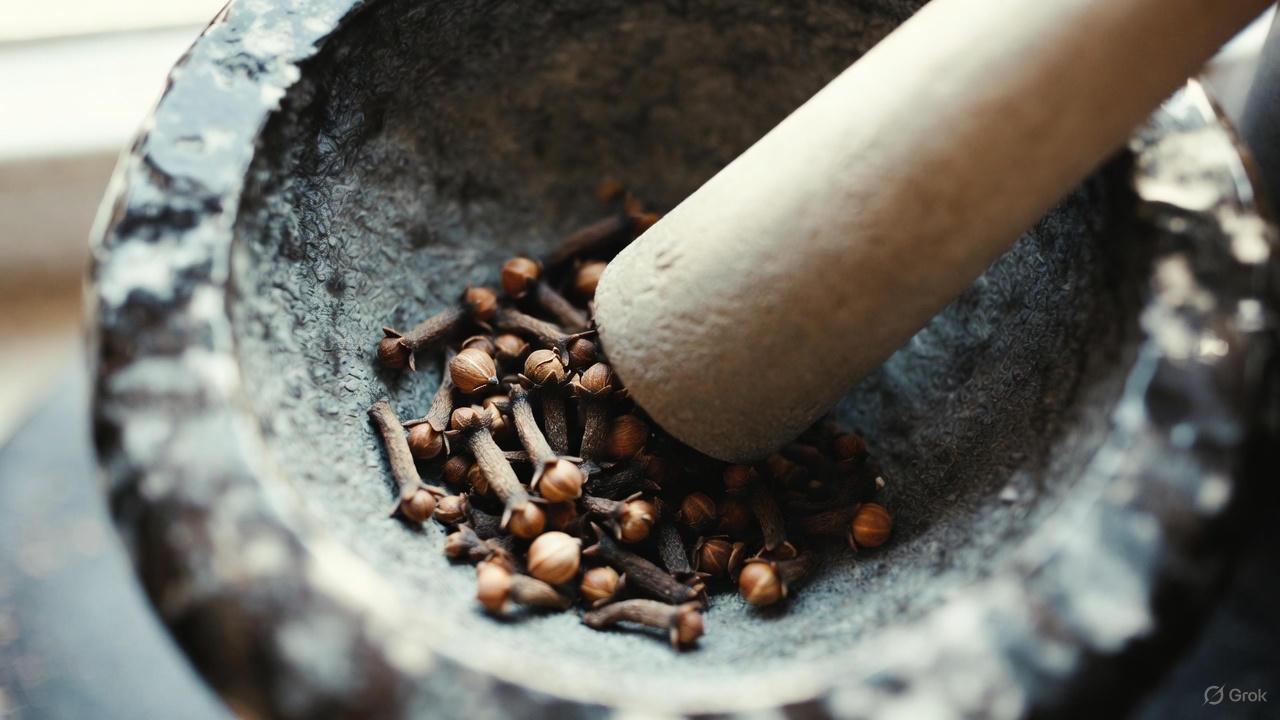
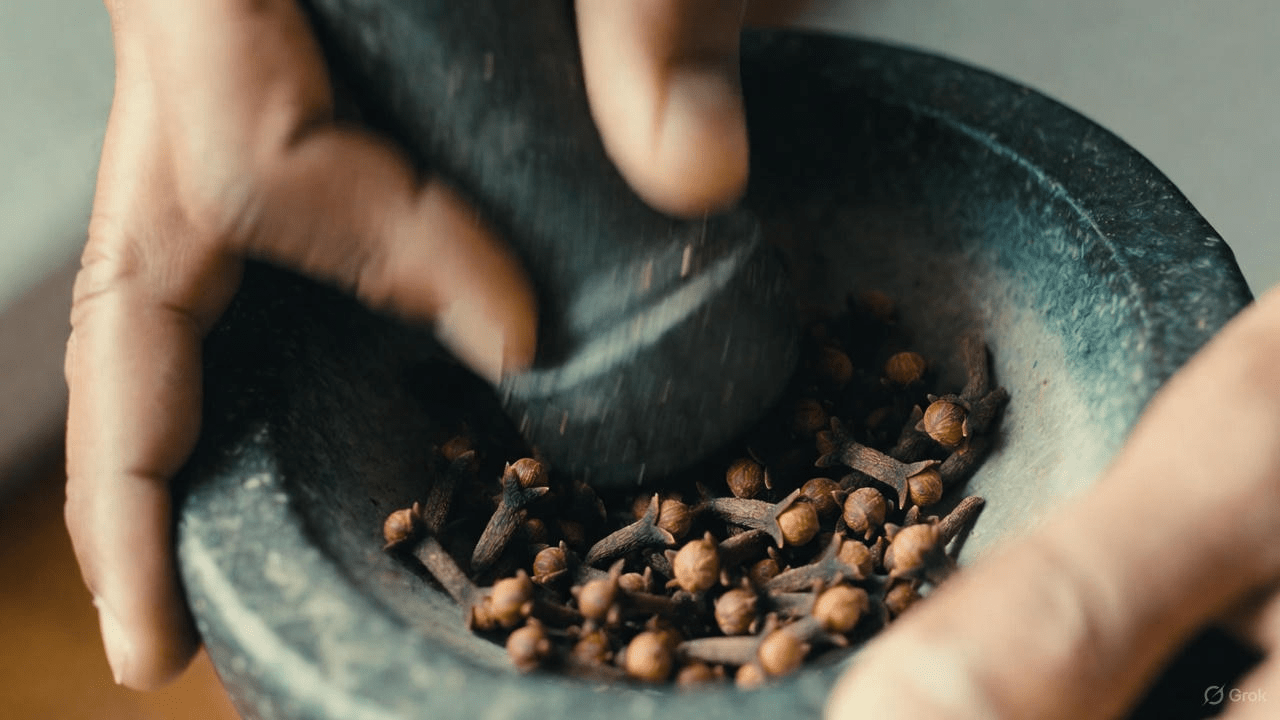
- Prepare the Cloves: Lightly crush the whole cloves using a mortar and pestle or rolling pin. This helps release the oils without grinding them too finely (which can make straining harder).
- Combine Ingredients: Place the crushed cloves in your glass jar. Pour the carrier oil over them until fully covered.
- Infuse: Seal the jar tightly and store in a cool, dark place (like a cupboard). Shake gently every day.
- Wait Patiently: Let it infuse for 2-4 weeks. The longer, the stronger – but 2 weeks is often plenty.
- Strain: Use cheesecloth to strain out the cloves, pressing gently to extract as much oil as possible.
- Store: Transfer to a dark glass bottle. Label with the date and keep in a cool spot.
For a faster warm method: Gently heat the mixture in a double boiler on low (never boil) for 2-4 hours, then strain and store.
Pro Tip: Always use whole cloves for the cleanest infusion – ground ones can leave sediment.
Safety Tips to Keep in Mind
- Perform a patch test: Apply a diluted drop to your inner arm and wait 24 hours.
- Dilute further for skin use: Mix 1-2 drops of your infused oil in a teaspoon of carrier oil.
- Avoid ingestion in large amounts.
- Not for children under 2, and consult a doctor if pregnant or on medications.
Creative Ways to Use Your Homemade Clove Oil
Here are some popular ideas:
- Aromatherapy: Add a few drops to a diffuser for a warm, inviting scent.
- Massage Blend: Mix with coconut oil for a soothing rub.
- Oral Rinse: Dilute heavily and swish (spit out – do not swallow).
- Natural Cleaner: Combine with vinegar and water for a spiced spray.
- Holiday Potpourri: A drop on pinecones for festive fragrance.
Research supports eugenol’s role in supporting healthy inflammation responses and microbial balance, making it a staple in many natural wellness routines.
Conclusion
Cloves are beloved for good reason – their natural compounds offer warmth, aroma, and versatility. Making your own infused oil at home elevates that experience, giving you a concentrated yet gentle product tailored to your needs.
Start small, experiment safely, and enjoy discovering why so many people can’t get enough of this timeless spice in its most potent form.
Frequently Asked Questions (FAQ)
1. How long does homemade clove oil last?
Properly stored in a dark glass bottle in a cool place, it can last 6-12 months. Check for rancid smell before use.
2. Is homemade clove oil as strong as store-bought essential oil?
No – homemade is milder and safer for direct use, while commercial essential oils are highly concentrated and require more dilution.
3. Can I use any oil as a carrier?
Yes, but choose food-grade like olive, jojoba, or coconut for versatility. Avoid mineral oils.
Disclaimer: This article is for informational purposes only and not intended as medical advice. Clove oil, even homemade, can cause irritation if misused. Always dilute properly, perform a patch test, and consult a healthcare professional before use, especially if pregnant, nursing, or having health conditions. It is not meant to diagnose, treat, cure, or prevent any disease.
(Word count: approximately 1350)