Discover Chayote Squash: 7 Simple Ways This Everyday Vegetable Can Support Your Daily Wellness Routine

As we get older, many of us notice little changes—like occasional joint stiffness after a long day, mild swelling in the hands or feet, or just not feeling as energetic as we used to. These common experiences can make everyday activities feel a bit more challenging, leaving us searching for gentle, natural ways to feel more comfortable and vibrant. The good news? Something as simple as adding one affordable vegetable to your meals might offer meaningful support.
Meet chayote squash, a mild-tasting green gem that’s been a kitchen staple in many cultures for generations. But here’s the exciting part we’ll explore together: how this humble squash could become a quiet ally in your wellness journey—keep reading to uncover practical tips and a soothing recipe that many people swear by.
What Is Chayote Squash and Why Is It Gaining Attention?
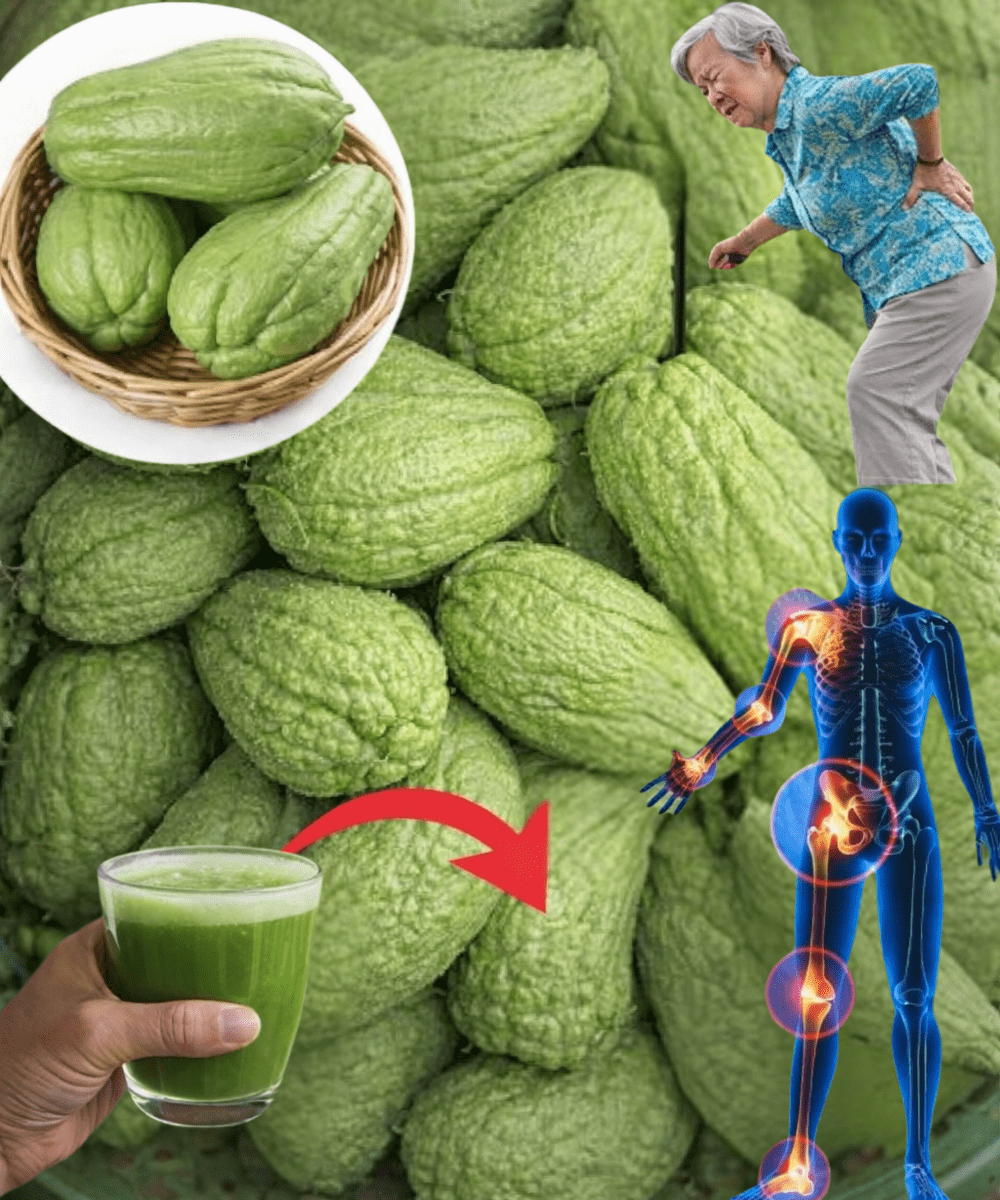
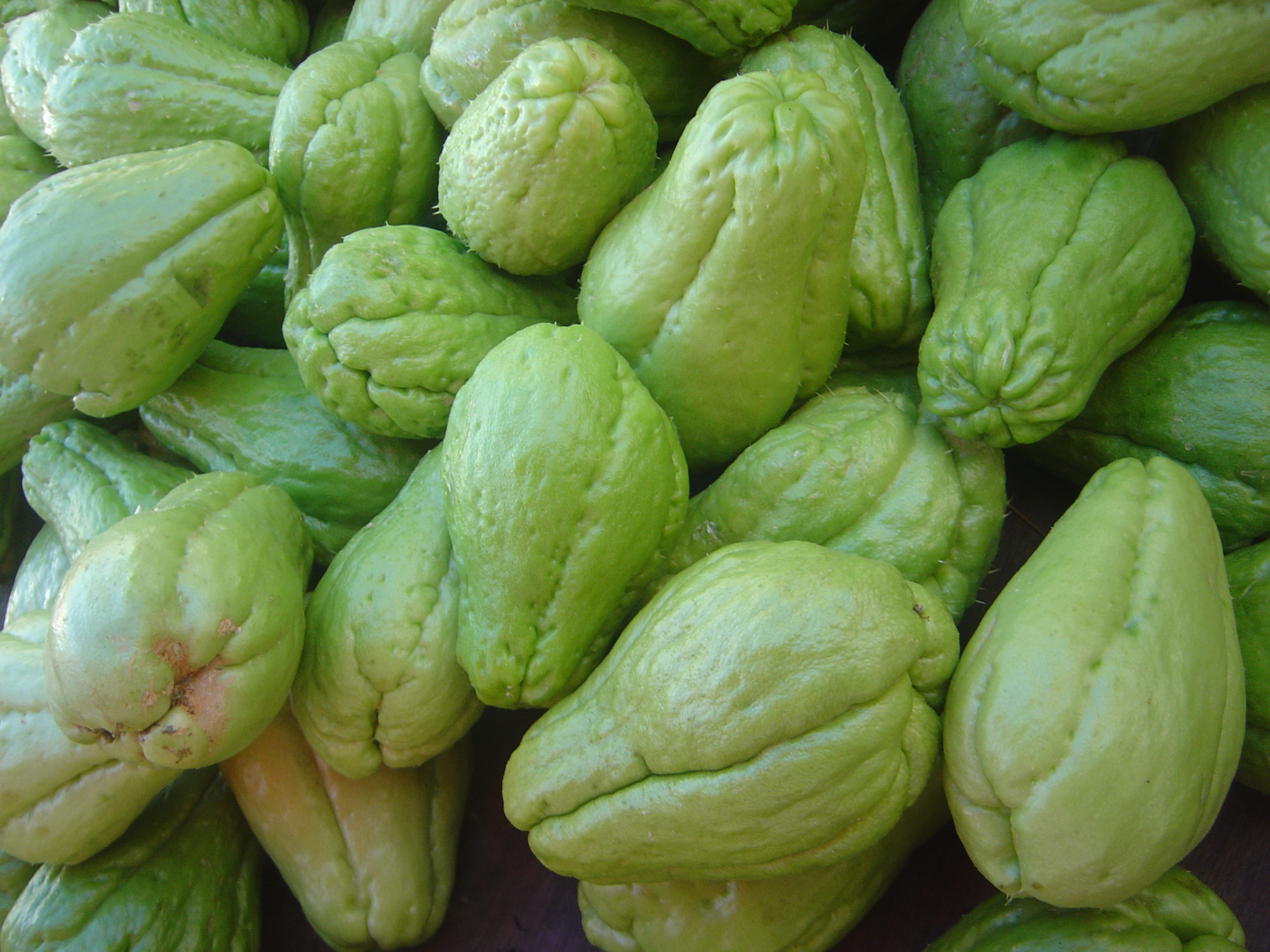
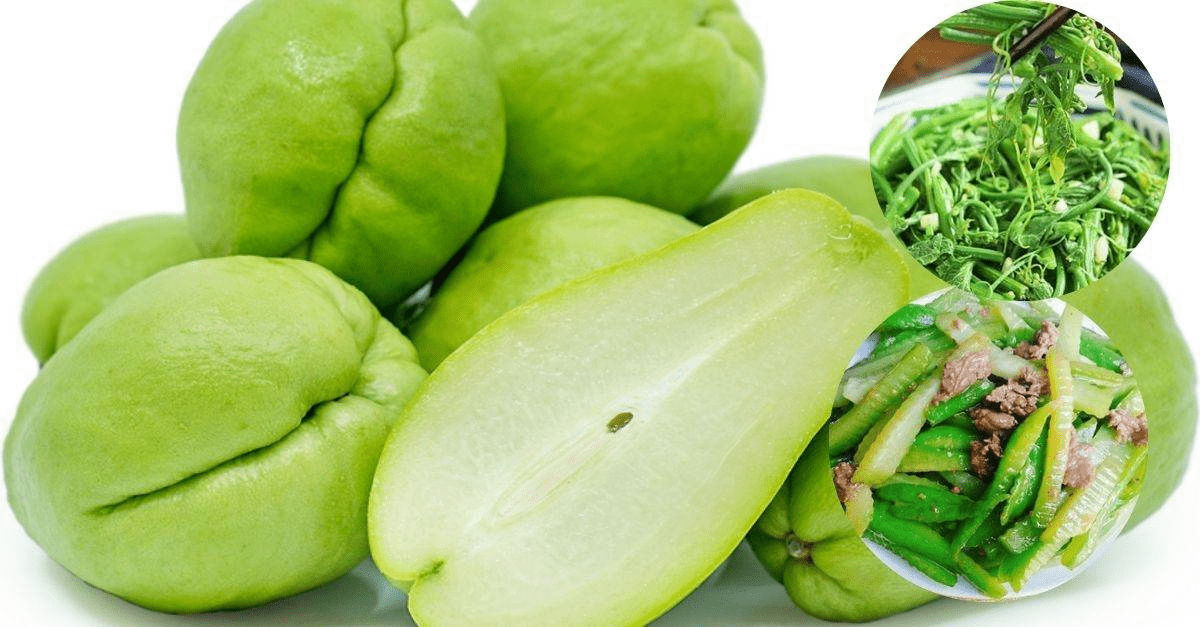
Chayote, also known as vegetable pear or mirliton, is a versatile squash from the gourd family. It’s pear-shaped, light green, and has a crisp texture similar to a cucumber or apple when raw.
What makes it stand out? It’s low in calories (about 25 per cup raw) yet packed with nutrients like vitamin C, folate, potassium, and fiber. Research suggests that foods rich in these compounds can contribute to overall health, including supporting antioxidant defenses and heart function.
But that’s not all—traditional uses in Latin America, Asia, and the Caribbean highlight its role in everyday meals and home remedies. Emerging studies, including one on older adults with metabolic syndrome, show that regular chayote consumption may help boost antioxidant activity and reduce oxidative stress.
The Nutritional Breakdown: What Makes Chayote So Supportive?
One raw chayote (about 203 grams) provides:
- Calories: Around 39
- Fiber: 3.5 grams (helps with digestion)
- Vitamin C: 26% of daily needs (supports collagen and immunity)
- Folate: Up to 47% in some servings (important for cell function)
- Potassium: About 7% (helps balance fluids)
- Antioxidants: Including quercetin and myricetin
Studies indicate these nutrients work together to combat inflammation and support circulation. For instance, vitamin C aids collagen production for connective tissues, while potassium helps maintain healthy blood vessel function.
The best part? It’s naturally low in sodium and high in water content, making it a hydrating choice.
7 Ways Chayote May Support Your Health Naturally
Here are some evidence-based ways this squash could fit into a healthy lifestyle:
1. Promotes Joint Comfort and Flexibility
Vitamin C in chayote contributes to collagen formation, which is key for healthy joints. Research shows adequate vitamin C intake supports connective tissue health, potentially easing everyday stiffness.
2. Helps Reduce Occasional Swelling
Its high water and potassium content act as a natural diuretic in traditional practices, helping balance fluids gently.
3. Supports Heart Health
Low sodium and high potassium help relax blood vessels. Some small studies on chayote extracts suggest benefits for blood pressure and cholesterol management.
4. Encourages Healthy Digestion
The fiber promotes regularity and feeds beneficial gut bacteria, supporting smooth bowel function without discomfort.
5. Aids Better Circulation and Energy
Folate and plant compounds help red blood cell production, improving oxygen delivery for sustained daily energy.
6. Provides Antioxidant Protection
Compounds like quercetin fight oxidative stress. A study in older adults found chayote supplementation increased antioxidant enzymes.
7. Boosts Overall Nutrient Intake Easily
Affordable and mild-flavored, it’s an easy way to add vitamins without overwhelming your plate.
Here’s a quick comparison of chayote vs. common veggies:
| Nutrient (per cup raw) | Chayote | Cucumber | Zucchini |
|---|---|---|---|
| Calories | 25 | 16 | 17 |
| Fiber (g) | 2.5 | 0.5 | 1 |
| Vitamin C (% DV) | 17% | 5% | 30% |
| Folate (% DV) | 12% | 5% | 10% |
| Potassium (mg) | 170 | 150 | 260 |
How to Add Chayote to Your Daily Routine
Chayote is incredibly versatile—no need for fancy prep.
- Raw: Slice into salads for crunch.
- Cooked: Sauté, steam, or add to soups/stir-fries.
- Pickled: Quick fridge pickles for a tangy side.
Pro tip: Leave the skin on for extra fiber and nutrients.
But here’s the part many people love most…
A Soothing Chayote Tea Recipe for Relaxation and Wellness
In many cultures, chayote (or its leaves) is brewed into a mild tea for daily comfort. While traditionally made from leaves, a simple fruit-based version is easy at home.
Simple Chayote Tea (Serves 2)
Ingredients:
- 1 fresh chayote, washed and thinly sliced (skin on)
- 2 cups water
- Optional: Lemon slice or honey for flavor
Steps:
- Slice the chayote thinly to release nutrients.
- Bring water to a boil, add slices, then simmer on low for 10-15 minutes.
- Strain into cups.
- Add lemon or honey if desired.
- Enjoy warm, once or twice daily.
Bonus: Snack on the cooked slices—toss with olive oil and salt for a fiber boost.
Traditional users report feeling more relaxed and energized, thanks to its hydrating and nutrient-rich profile.
Real Stories and Tips from Everyday Users
Many people over 60 share how adding chayote helped them feel lighter and more active. One reader mentioned noticing less swelling after incorporating it weekly.
Start small: Try one new recipe per week to see what works for you.
Conclusion: Make Chayote Your Everyday Ally
This unassuming squash offers a gentle, nutrient-packed way to support joint comfort, digestion, heart health, and vitality. Affordable and easy to find year-round, it’s worth experimenting with.
Pair it with a balanced diet, movement, and hydration for the best results.
Frequently Asked Questions
1. Is chayote safe for everyone?
Generally yes—it’s a whole food with no common allergens like nuts. But if you have latex allergy, consult a doctor as some squashes may cross-react.
2. Can I eat chayote raw?
Absolutely! It’s crisp and mild, perfect for salads or snacks.
3. Where can I buy chayote?
Most grocery stores in the produce section, especially Latin or Asian markets. Look for firm, unblemished ones.
Disclaimer: This article is for informational purposes only and not intended to diagnose, treat, or cure any condition. Always consult your healthcare provider before making dietary changes, especially if you have health concerns or take medications.
(Word count: 1,248)