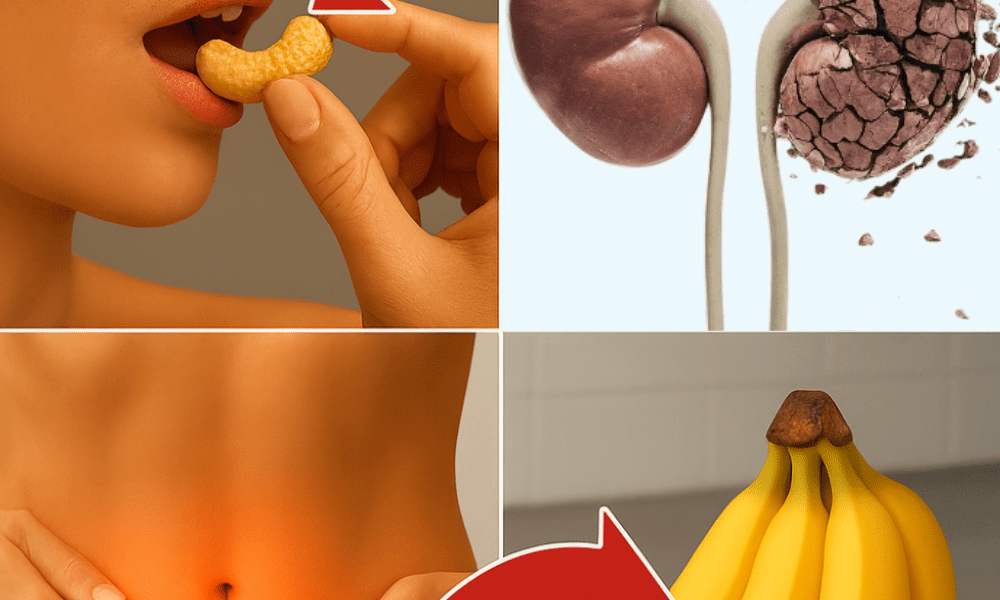

Living with kidney disease can feel overwhelming—especially when some of your favorite foods suddenly become “off-limits.” The worst part? Many of these foods look perfectly healthy on the surface, yet they quietly push your potassium, phosphorus, and sodium levels into dangerous territory, speeding up kidney damage without you even noticing. The good news is that once you know exactly which everyday foods are the biggest culprits, you can take back control—and slow the disease progression faster than you think. Keep reading, because by the end of this article you’ll discover a few surprising swaps that taste just as good (and one trick doctors rarely mention).
Why Certain Foods Become Dangerous When Kidneys Struggle
Healthy kidneys act like a 24/7 filtering system, balancing sodium, potassium, phosphorus, and protein with ease. When chronic kidney disease (CKD) sets in, that system starts to fail. Waste and minerals build up in the blood, leading to muscle cramps, irregular heartbeat, bone weakness, itching, and even heart complications. Research from the National Kidney Foundation shows that smart food choices can slow CKD progression by up to 50 % in some patients—without extra medication.
1. Bran Cereals, Oatmeal, and Granola
That “heart-healthy” bowl of oatmeal or crunchy granola? It can deliver more potassium and phosphorus than your kidneys can handle right now.
- ¾ cup bran flakes → 160 mg potassium + 135 mg phosphorus
- 1 cup cooked oatmeal → 164 mg potassium + 180 mg phosphorus
- ½ cup granola → 329 mg potassium + 263 mg phosphorus
Here’s the tricky part: phosphorus isn’t always listed on the label—look for words ending in “phos” in the ingredients.
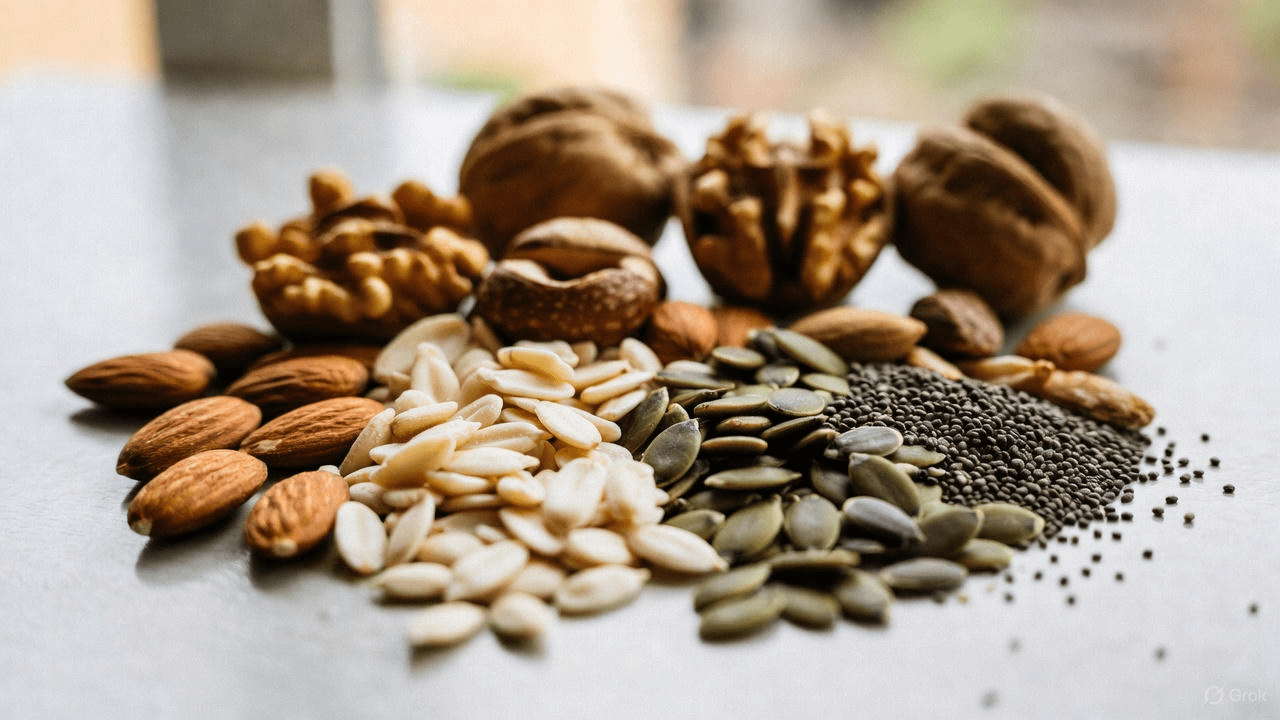
2. Nuts and Seeds (Yes, Even the “Healthy” Ones)
A small handful seems harmless, but the numbers add up fast.
- 1 oz almonds (22 pieces) → 202 mg potassium + 133 mg phosphorus
- 1 oz sunflower seeds → 241 mg potassium + 328 mg phosphorus
If your lab results show high phosphorus, even natural unsalted nuts may need to go on the “occasional treat” list.
3. Tomatoes and Tomato-Based Products
Pizza night and pasta sauce are two of the biggest hidden potassium bombs.
- 1 cup tomato sauce → ~910 mg potassium
- 1 small fresh tomato → ~216 mg potassium
Low-sodium canned tomatoes or fresh tomatoes in very small portions are usually okay earlier in CKD.
4. Avocados and Guacamole
One medium avocado packs almost 700 mg of potassium—nearly the daily limit for many people with stage 3–4 CKD. Yes, it hurts to hear. But there are creamy swaps coming up later.
5. High-Potassium Fruits You Love
These fruits are nutrition superstars… until potassium restriction becomes necessary.
- 1 medium banana → 422 mg
- 1 orange → 255 mg (1 cup OJ = 443 mg)
- 1 cup fresh apricots → 427 mg
- Small box of raisins → 320 mg
Dried fruits concentrate potassium even more, so a single handful can push you over the edge.
6. Dairy Products (Milk, Yogurt, Cheese)
Dairy is rich in phosphorus and potassium while adding extra protein your kidneys may struggle to process.
- 1 cup 2 % milk → 390 mg potassium + 252 mg phosphorus + 8 g protein
Switching to unsweetened almond, rice, or oat milk (check the label!) often cuts these numbers dramatically.
7. Potatoes (Unless You Know This Simple Trick)
One medium baked potato has over 600 mg potassium. But here’s the game-changer most patients never learn: leaching.
How to leach potatoes in 4 easy steps:
- Peel and cut into small pieces (⅛-inch thick is best)
- Rinse under warm water for a few seconds
- Soak in 10 parts water to 1 part potato for at least 4 hours (overnight is fine)
- Boil in fresh water (5:1 ratio) for at least 10 minutes
This simple process removes up to 50–80 % of the potassium—confirmed by studies in the Journal of Renal Nutrition.
8. Dark Leafy Greens (Spinach, Swiss Chard, Beet Greens)
One cup of cooked spinach delivers a shocking 839 mg potassium. Boiling helps reduce it, but many nephrologists still recommend sticking to lower-potassium greens like cabbage, kale, or lettuce.
9. Salty Snacks, Processed Meats, and Pickles
Sodium forces your kidneys to work overtime and drives up blood pressure—the second-leading cause of kidney failure.
- 1 large dill pickle → 1,092 mg sodium
- 1 beef hot dog → 424 mg sodium
- 10 pretzel twists → 744 mg sodium
Tip: Foods labeled “low sodium” (≤140 mg per serving) or “no salt added” are your new best friends.
10. Canned Soups and Frozen Meals
A single bowl of canned soup can contain 800–1,000 mg sodium—half your daily allowance in one meal. Always choose “low-sodium” or “no salt added” versions and rinse canned beans or veggies to cut sodium by up to 40 %.
11. Dark-Colored Colas and Sodas
Most contain added phosphoric acid (a highly absorbable form of phosphorus). One 12-oz cola can contribute 50–100 mg phosphorus—far more bioavailable than the phosphorus naturally found in whole foods.
Actionable Tips You Can Start Today
- Read every nutrition label—focus on serving size first.
- Use the “double-cooking” or leaching method for high-potassium vegetables (potatoes, carrots, beets, greens).
- Replace high-potassium fruits with safer choices: apples, berries, grapes, pineapple, or cranberries.
- Flavor food with herbs, lemon, vinegar, or spices instead of salt or soy sauce.
- Work with a renal dietitian—your exact potassium, phosphorus, and protein goals are unique to your latest blood work.
The Bottom Line
Avoiding or strictly limiting these 11 foods isn’t about punishment—it’s about giving your kidneys the best possible chance to last longer. Small, consistent changes add up to years of better health and fewer complications.
And here’s the secret most articles never mention: many people feel better—less swelling, more energy, fewer cramps—within just 1–2 weeks of cleaning up these hidden offenders.
Frequently Asked Questions
Can I ever eat bananas again if I have kidney disease?
In early stages (1–3), small portions are often fine. In stage 4–5 or with high potassium levels, most patients need to avoid them or limit to ½ banana occasionally.
What drinks are safest for kidney disease?
Water, herbal tea, clear apple juice, rice milk, or root beer (low in phosphorus) are usually safe. Limit coffee and tea if phosphorus is high.
Do I need to avoid protein completely?
No. In fact, people on dialysis often need more protein. Before dialysis, moderate high-quality protein (egg whites, fish, chicken) is usually recommended.
Disclaimer: This article is for informational purposes only and is not a substitute for professional medical advice. Always consult your nephrologist or registered dietitian before making significant dietary changes, as individual needs vary based on your stage of kidney disease and lab results.
(Word count: 1,487)