
Spiny Amaranth (Amaranthus spinosus): What Are Its Real Benefits, Risks, and How to Use It Safely?

Have you ever pulled what you thought was just another annoying weed from your garden, only to later discover it’s been used as medicine for hundreds of years? Millions of people unknowingly step over Spiny Amaranth every day, while in other parts of the world it’s boiled, brewed, and eaten as part of daily meals. The tricky part? This same plant that supports digestion and fights inflammation in traditional recipes can also send you to the emergency room if you use it wrong. Keep reading—by the end, you’ll know exactly how to tell the difference between helpful and harmful.

What Exactly Is Spiny Amaranth?
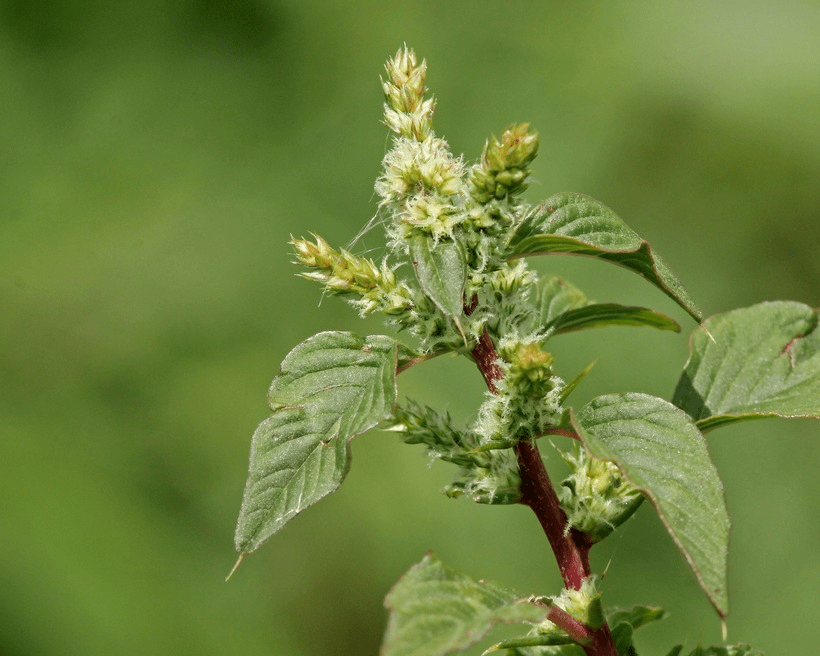
Spiny Amaranth (scientific name Amaranthus spinosus) is an annual plant that grows wild across most of the United States, especially in disturbed soil—think vacant lots, farm edges, and even your own backyard.
You can spot it easily because of three unmistakable features:
- Oval green leaves with sharp spines where the leaf meets the stem (that’s why it’s called “spiny”)
- Tall, finger-like flower clusters that turn reddish-purple as they mature
- A tough, almost woody stem that can reach 3–4 feet high
Although the USDA labels it a noxious weed in some states, traditional healers in India, Nigeria, Mexico, and the Caribbean have used the leaves, roots, and seeds for generations.
Potential Health Benefits Backed by Tradition and Early Research
People don’t keep using the same plant for centuries without noticing some effects. Here’s what traditional use and preliminary studies suggest:
1. Helps Keep Things Moving (Digestive Support)
The young leaves are naturally high in fiber. In many rural areas, a simple tea made from the leaves is a go-to home remedy when constipation hits. The gentle laxative effect usually starts within 6–8 hours.
2. Calms Everyday Inflammation
Lab studies on animals show that extracts from the plant can lower inflammatory markers similar to some over-the-counter options. Traditional users often apply a poultice of crushed leaves to minor skin swelling or drink the tea for stomach discomfort.
3. Packed With Micronutrients
When the leaves are cooked properly, they deliver:
- Vitamin A (important for eyes and immune system)
- Vitamin C
- Iron
- Calcium
- Small amounts of protein
In food-scarce regions, it’s a true “famine food” that helps prevent nutritional gaps.
4. Traditional Detox and Diuretic Use
In Ayurvedic and African traditional medicine, the root is boiled and drunk to “cleanse” the kidneys and encourage urine flow. Modern researchers are now looking at its mild diuretic compounds.
But here’s the catch—and it’s a big one…
The Risks You Absolutely Need to Know
Spiny Amaranth contains natural compounds that become dangerous in high amounts:
- High levels of oxalates → can contribute to kidney stones or strain kidney function
- Nitrates → may cause stomach upset if eaten raw or in large quantities
- Saponins → irritate the gut lining when the plant isn’t cooked thoroughly
Real-world reports (mostly from India and Southeast Asia) describe people developing severe stomach pain, nausea, and even temporary kidney issues after drinking strong tea for several days in a row.
People who already have gout, rheumatoid arthritis, or a history of kidney stones are usually advised to stay away completely.
How to Use Spiny Amaranth Safely (Step-by-Step)
If you want to try it, follow these rules—every single one:
- Harvest only young, tender leaves (older leaves have more oxalates).
- Wash thoroughly—three rinses minimum.
- Always cook: boil for at least 10 minutes or sauté until completely wilted. Cooking reduces oxalates by up to 50–70 %.
- Start small: no more than one small bowl of cooked leaves or one weak cup of tea the first time.
- Never use daily for more than 3–4 days in a row.
- Skip it entirely if you take lithium, have kidney disease, or are pregnant/breastfeeding (not enough safety data).
Quick cooking idea that tastes surprisingly good: sauté the boiled leaves with garlic, onion, and a pinch of salt—tastes a bit like spinach with a slight nutty flavor.
What Does Modern Science Actually Say?
Research is still in early stages, but here are the most credible findings so far:
- A 2019 study published in Journal of Ethnopharmacology confirmed anti-inflammatory activity in rats.
- A 2021 paper from Nigeria showed the leaf extract helped lower oxidative stress in lab animals.
- Multiple food chemistry studies confirm the high oxalate content—reinforcing the “cook it well” rule.
Bottom line: promising, but definitely not proven enough to replace any prescribed medication.
Frequently Asked Questions
Q: Can I eat Spiny Amaranth raw in a salad?
A: No. Raw leaves can cause severe digestive upset because of oxalates and saponins.
Q: Is Spiny Amaranth the same as the red “grain amaranth” sold in health stores?
A: No. Grain amaranth (Amaranthus cruentus or caudatus) is bred for edible seeds and has much lower spine and oxalate content.
Q: Where can I buy it safely?
A: In many Asian or Latino grocery stores it’s sold as “thorny amaranth” or “kangkong espinoso.” Foraging is fine if you’re 100 % sure of identification.
Final Takeaway
Spiny Amaranth is a perfect example of how the line between “weed” and “medicine” can be razor-thin. Used correctly and occasionally, the cooked leaves can be a nutritious wild green and gentle digestive aid. Used carelessly, it can cause real harm.
Always err on the side of caution, cook thoroughly, keep portions small, and talk to your doctor if you have any pre-existing conditions.
Disclaimer: This article is for informational purposes only and is not medical advice. Always consult a qualified healthcare professional before adding new herbs or wild plants to your diet, especially if you have kidney, liver, or digestive concerns.
(Word count: 1,312)
A