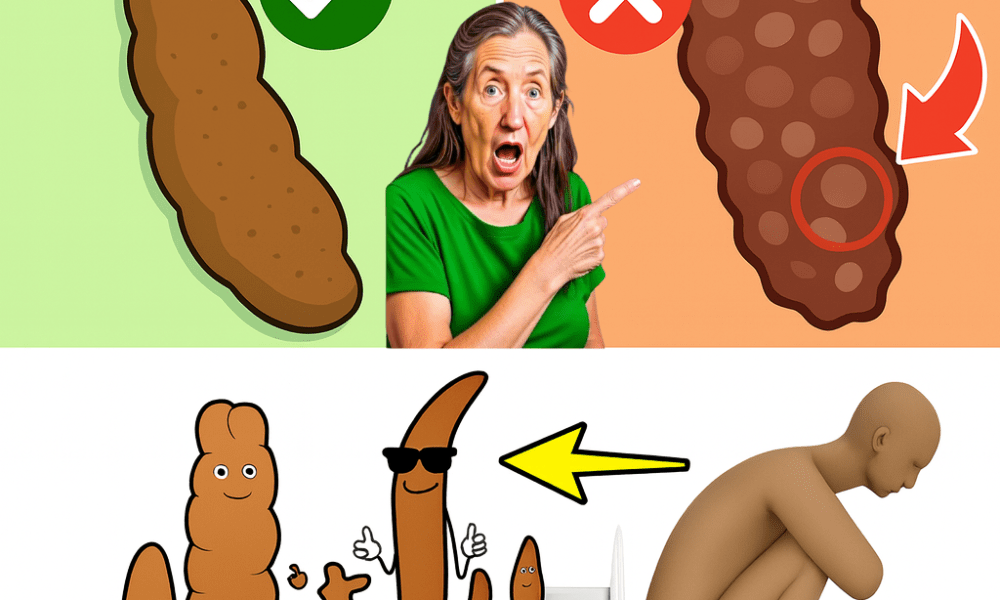

Let’s talk about something you probably avoid discussing: your poop. It might not be glamorous, but your stool is like a daily health report card, revealing critical clues about your digestion, hydration, and overall wellness. From vibrant greens to alarming reds, the color of your poop can signal everything from harmless dietary quirks to serious medical conditions. Curious about what your body is trying to tell you? Dive into this guide to decode the rainbow of stool colors and discover how to take charge of your health. Trust us—this is one health check you can’t afford to skip.
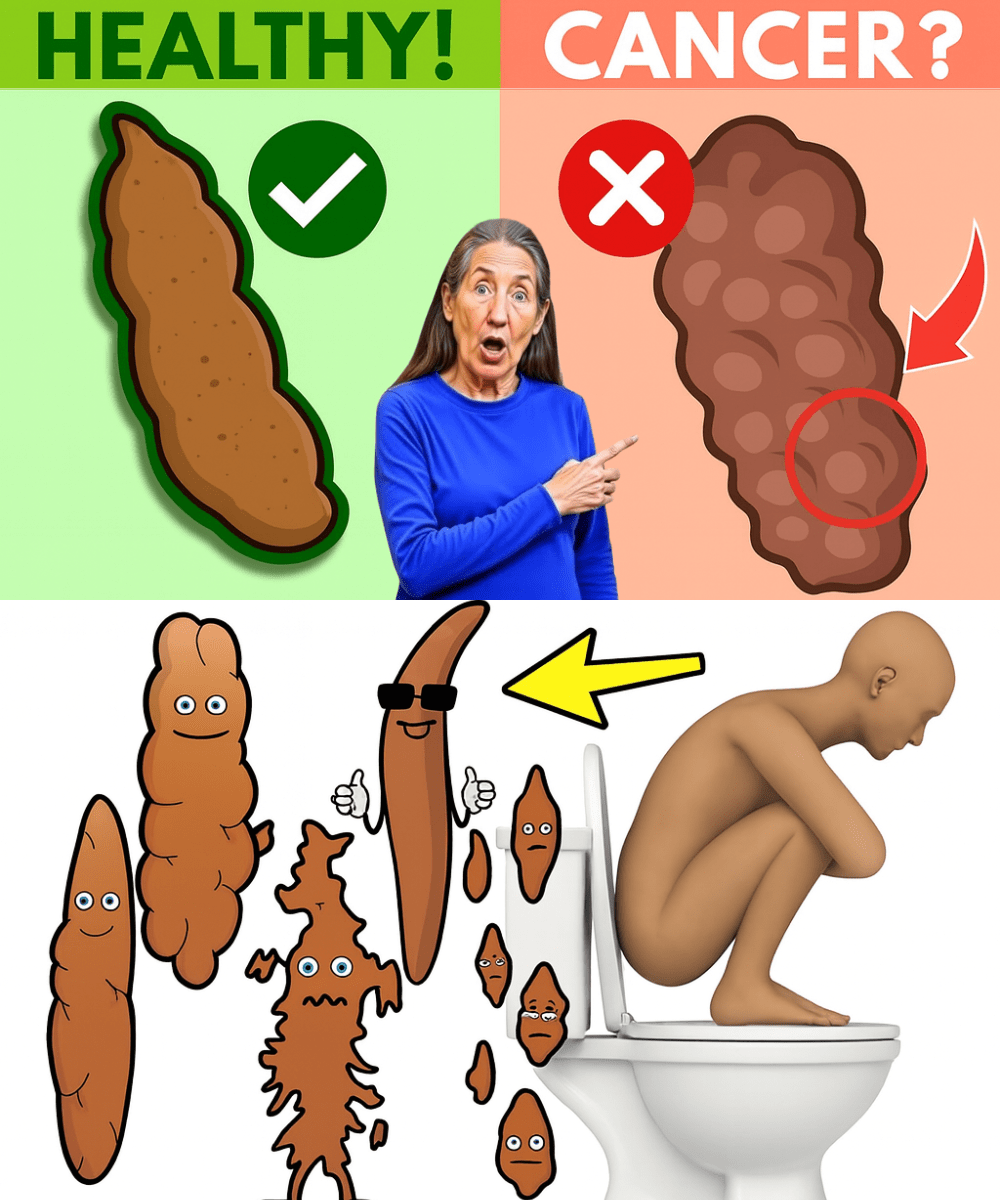
💡 Why Your Poop Color Matters
Your stool’s color is more than just a quirky detail—it’s a window into your body’s inner workings. The normal brown hue comes from bile, a fluid produced by your liver to break down fats. When digestion, bile flow, or gut health goes off track, your stool color can shift dramatically. While some changes are harmless (like after a beet-heavy meal), others could be your body waving a red flag. Understanding these signals empowers you to spot potential issues early and keep your health on track.
Ready to unravel the mystery of your poop? Let’s break down what each color means, why it happens, and when you should take action.
✅ Brown: The Gold Standard of Healthy Poop
When your stool is a rich, medium brown, it’s a sign that all systems are go. This classic color indicates that your liver is producing bile, your gallbladder is releasing it, and your intestines are processing it perfectly. A healthy brown stool means your digestive system is firing on all cylinders, breaking down food and absorbing nutrients like a well-oiled machine.
What to know: If your poop is consistently brown and well-formed, you’re likely in good health. Keep up your balanced diet and hydration to maintain this happy status quo.
🌿 Green: A Speedy Journey Through Your Gut
Green poop might raise an eyebrow, but it’s often harmless. This hue typically means food has zoomed through your intestines too quickly for bile to fully break down, leaving it with a greenish tinge. Common culprits include:
- 🥬 Leafy greens: Spinach, kale, or broccoli can naturally tint your stool.
- 💊 Iron supplements: These can give poop a greenish or dark hue.
- 🏃♂️ Fast digestion: Conditions like diarrhea can speed up transit time, limiting bile breakdown.
What to know: Occasional green stool is usually no cause for alarm, especially if you’ve been eating greens or taking supplements. But if it’s persistent or paired with diarrhea, it might be worth checking your diet or consulting a doctor.
🟡 Yellow: A Greasy Warning Sign
Yellow, greasy, or foul-smelling stool is hard to ignore—and it shouldn’t be. This color often signals that your body isn’t absorbing fats properly, leaving them to pass through your stool. The result? A shiny, oily appearance that’s a clue something’s amiss. Potential causes include:
- 🍔 Malabsorption: Conditions like celiac disease can prevent nutrient absorption.
- 🩺 Gallbladder issues: A blocked or underperforming gallbladder may limit bile flow.
- 🦠 Pancreatic disorders: Pancreatitis or other issues can disrupt fat digestion.
What to know: Yellow stool isn’t normal and warrants attention, especially if it’s greasy or accompanied by weight loss or abdominal pain. A doctor can help pinpoint the cause and get your digestion back on track.
⚫ Black: A Potential Red Flag
Black stool can be startling, and while it’s sometimes harmless, it’s a color you shouldn’t ignore. Common causes include:
- 💊 Medications or supplements: Iron pills or bismuth (found in Pepto-Bismol) can darken stool.
- 🍇 Foods: Black licorice, blueberries, or dark-colored foods may be to blame.
- 🩺 Upper GI bleeding: Bleeding in the stomach or esophagus can turn stool tarry and black, a serious condition requiring immediate medical attention.
What to know: If black stool persists for more than a day or two, especially without a clear dietary or medication-related cause, see a doctor ASAP. It could indicate internal bleeding that needs urgent care.
🔴 Red: A Color That Demands Attention
Red stool can send your heart racing, but don’t panic just yet. Sometimes, it’s simply a sign of what you ate. Other times, it’s a signal to act quickly. Possible causes include:
- 🍅 Dietary triggers: Beets, red food dye, or tomatoes can give stool a reddish hue.
- 🩺 Hemorrhoids or anal fissures: These common issues can cause small amounts of bright red blood.
- 🩺 Colon issues: Bleeding in the lower digestive tract, possibly from polyps or more serious conditions, can also turn stool red.
What to know: If red stool isn’t linked to food and persists, or if you see blood on toilet paper or in the bowl, consult a doctor to rule out serious conditions like colorectal issues.
⚪ Pale, Clay-Colored, or White: A Bile Blockage Alert
Pale, clay-colored, or white stool is a rare but serious sign that bile isn’t reaching your intestines. This could point to a blockage or issue with your liver, gallbladder, or bile ducts. Possible causes include:
- 🚫 Bile duct obstruction: A blockage can prevent bile from flowing, lightening your stool.
- 🩺 Liver disease: Conditions like hepatitis or cirrhosis can disrupt bile production.
- 🪨 Gallstones: These can block bile ducts, causing pale stool and other symptoms.
What to know: Pale or white stool is a red flag that requires immediate medical attention, especially if paired with yellowing skin (jaundice), pain, or nausea. Don’t delay—see a doctor to investigate the cause.
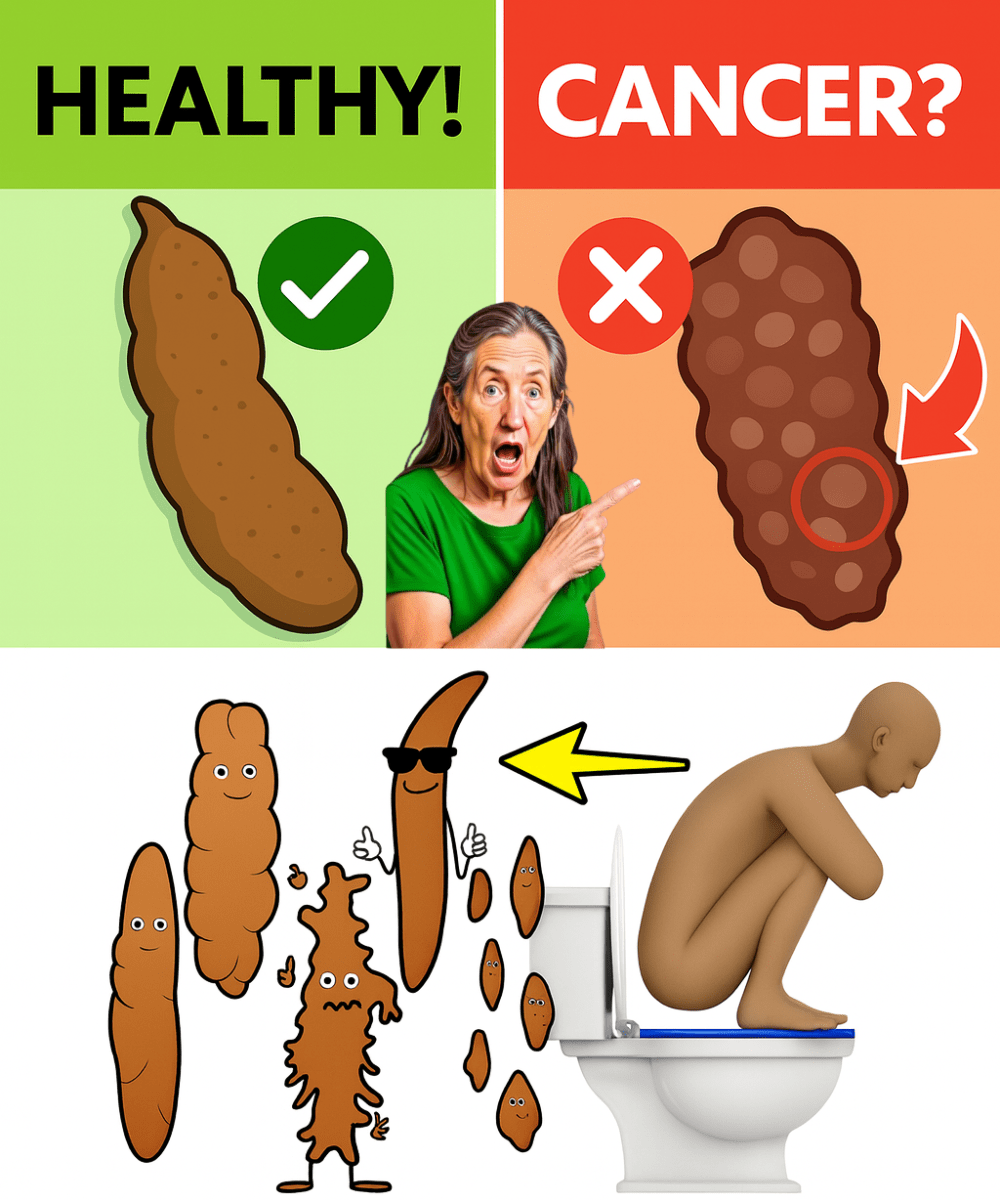
🚨 When to Call Your Doctor
Your poop is a powerful health indicator, but knowing when to act is key. Reach out to a healthcare professional if you notice:
- 📅 Persistent changes: Any unusual color lasting more than a few days.
- 🩺 Blood in stool: Red or black stool that isn’t explained by diet or supplements.
- ⚪ Pale or white stool: A sign of potential liver or bile issues.
- 😣 Accompanying symptoms: Pain, nausea, weight loss, or fatigue alongside color changes.
Acting quickly can make all the difference, so don’t hesitate to seek expert advice when something feels off.
🧬 The Science Behind Poop Color
Your stool’s color is a direct reflection of your digestive process. Bile, produced by the liver and stored in the gallbladder, gives poop its signature brown hue as it breaks down fats. When this process is disrupted—whether by diet, medications, or health conditions—the color changes. For example, fast-moving digestion can leave bile green, while a lack of bile can result in pale stool. Blood from different parts of the digestive tract can also alter color, with upper GI bleeding causing black stool and lower GI bleeding producing red.
By paying attention to these changes, you’re essentially tuning into your body’s internal messaging system. It’s like having a built-in health monitor you can check every day.
💪 Take Control of Your Health
Monitoring your poop color isn’t just about curiosity—it’s about empowerment. By understanding what’s normal and what’s not, you can catch potential issues early and take proactive steps to stay healthy. Here are some tips to keep your digestive system in top shape:
- 🥗 Eat a balanced diet: Fiber-rich foods like fruits, vegetables, and whole grains promote healthy digestion.
- 💧 Stay hydrated: Water helps your body process waste efficiently, keeping stool soft and regular.
- 🏋️♀️ Exercise regularly: Physical activity supports gut motility and overall wellness.
- 🩺 Schedule check-ups: Regular doctor visits can catch issues before they become serious.
🌟 Final Thoughts: Listen to Your Body
Your poop might not be a topic for dinner conversation, but it’s one of the most accessible ways to gauge your health. From the reassuring brown to the alarming red or pale, every color tells a story about what’s happening inside your body. By paying attention to these subtle signals, you can catch potential problems early, make smarter lifestyle choices, and feel more confident in your wellness journey.
So, the next time you’re in the bathroom, take a quick peek. Your poop is trying to tell you something—don’t ignore it. Embrace this simple, no-cost health check and let it guide you toward a healthier, happier you. Ready to start listening? Your body will thank you.