
Imagine stumbling upon a plant that stands like a sentinel in the wild, its tall, fuzzy stalk crowned with vibrant yellow flowers, whispering tales of ancient remedies and ecological marvels. The common mullein (Verbascum thapsus), often overlooked as a roadside weed, is a botanical treasure waiting to captivate your curiosity. This towering herb, with its soft leaves and striking presence, is more than just a pretty face in the wilderness—it’s a plant steeped in history, utility, and ecological significance. Let’s embark on a journey to uncover the secrets of this remarkable species, exploring why it deserves a spotlight in the world of plants.
🌱 A Plant That Commands Attention
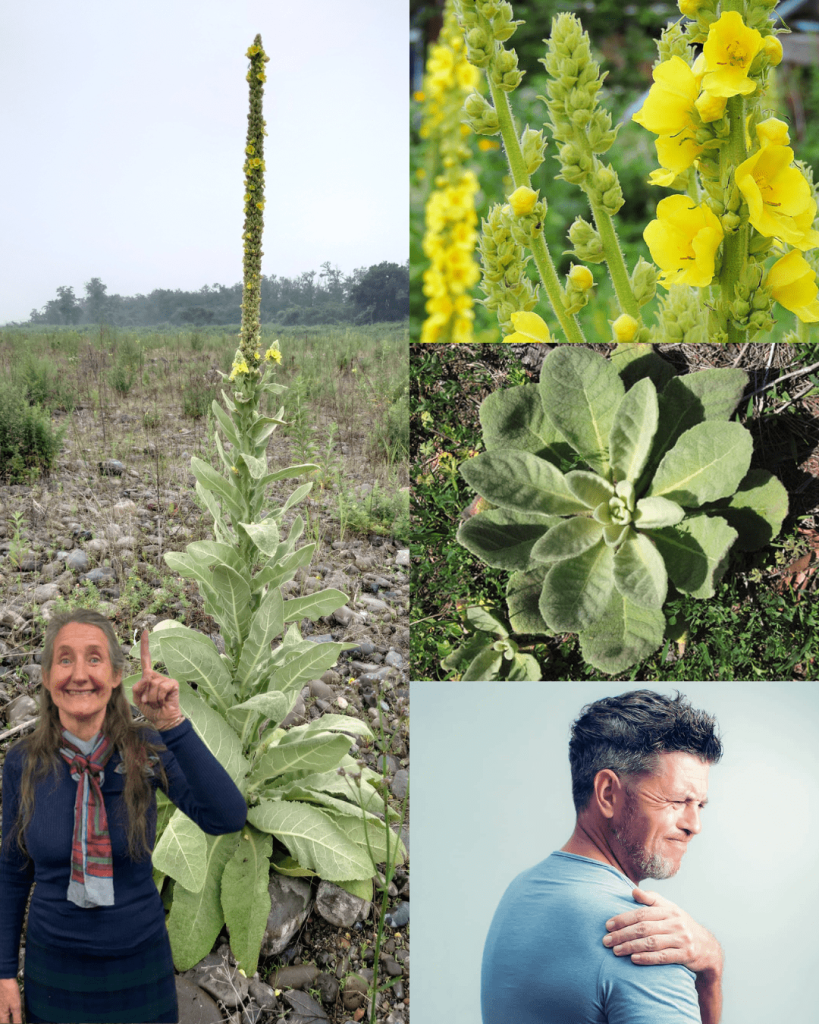
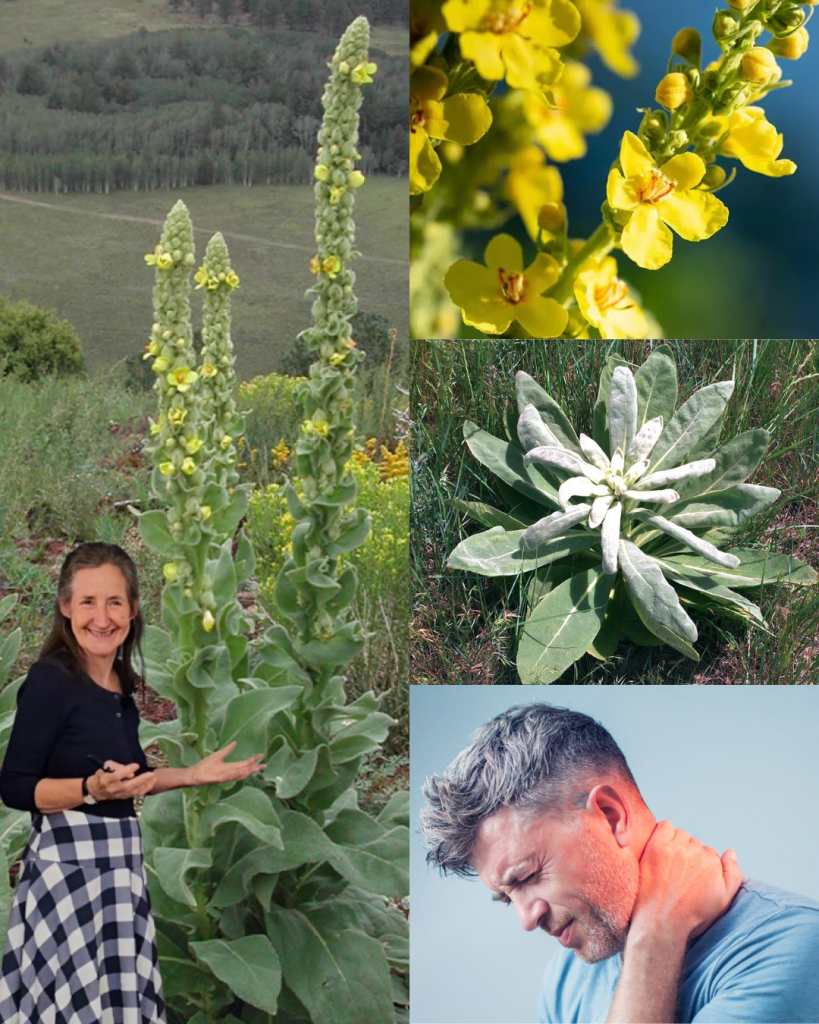
The common mullein is impossible to ignore. Rising up to seven feet tall, its single, unbranched stalk shoots skyward, adorned with clusters of bright yellow flowers that bloom like tiny suns. Its leaves, covered in a velvety layer of fine hairs, give it a silvery-green glow that shimmers in the sunlight. Often found in disturbed soils, along roadsides, or in open fields, mullein thrives where others falter, a testament to its resilience and adaptability. But what makes this plant truly fascinating is not just its appearance—it’s the stories it tells through its uses, ecology, and cultural significance.
This isn’t just a weed; it’s a botanical giant with a legacy. From ancient herbal remedies to modern ecological roles, mullein has woven itself into the fabric of human and natural history. Let’s dive deeper into its world, where every leaf and flower holds a story worth telling.
🌼 A Historical Healer with Timeless Appeal
For centuries, mullein has been a cornerstone of herbal medicine, revered across cultures for its soothing properties. Its leaves and flowers, rich in compounds like saponins and mucilage, have been used to treat ailments ranging from respiratory issues to skin irritations. In ancient Europe, healers brewed mullein tea to ease coughs and colds, while Native American tribes applied its leaves as poultices for wounds. Even today, herbalists prize mullein for its ability to calm inflammation and support lung health.
The plant’s versatility doesn’t stop there. Its dried stalks, once dipped in wax or fat, served as torches in medieval times, earning it the nickname “candlewick plant.” Picture villagers lighting their way through dark nights with mullein’s glowing stalks—a practical yet poetic use of nature’s bounty. This blend of utility and mystique makes mullein a plant that bridges the gap between science and folklore, inviting us to appreciate its dual role as both healer and illuminator.
🌍 An Ecological Powerhouse
Beyond its human uses, mullein plays a vital role in the ecosystems it inhabits. As a biennial plant, it spends its first year forming a rosette of soft, fuzzy leaves close to the ground, storing energy for its dramatic second-year growth. This life cycle makes it a pioneer species, one of the first to colonize disturbed or barren landscapes. By stabilizing soil and preventing erosion, mullein paves the way for other plants to take root, acting as a silent architect of ecological recovery.
Mullein’s flowers are a magnet for pollinators, particularly bees and butterflies, which flock to its nectar-rich blooms. Each flower opens for just a day, creating a fleeting but vital food source for these creatures. The plant’s seeds, tiny and numerous, can remain viable in the soil for decades, ensuring its legacy in the landscape. This resilience and generosity make mullein a quiet hero in the natural world, supporting biodiversity while thriving in the toughest conditions.
🌞 Growing Mullein: A Gardener’s Delight
For those inspired to bring mullein’s magic into their own gardens, this plant is as rewarding as it is low-maintenance. Mullein thrives in full sun and well-drained soil, making it ideal for xeriscaping or low-water gardens. Its drought tolerance and ability to grow in poor soils make it a favorite for gardeners looking to add height and texture without fuss. Simply scatter its seeds in a sunny spot, and watch as it transforms your garden into a haven for pollinators and a conversation starter for visitors.
Planting Tips for Success
Start with a sunny location—mullein loves basking in light. Sow seeds directly in the soil in spring or fall, as they need light to germinate. Avoid overwatering; mullein’s fuzzy leaves are designed to conserve moisture, so it prefers dry conditions. Be patient during its first year, as the rosette stage sets the stage for its towering second-year display. For a natural look, plant mullein in clusters or alongside other wildflowers to create a meadow-like effect.
Design Ideas for Your Garden
Mullein’s architectural form makes it a standout in any garden. Use it as a focal point in a mixed border, where its height adds drama. Pair it with shorter plants like lavender or salvia for a striking contrast in texture and color. Its silvery foliage complements purple or blue flowers, creating a visually stunning palette. For a whimsical touch, let mullein self-seed to create a natural, untamed look that evokes the wild beauty of a meadow.
🍵 Mullein in Modern Wellness
In today’s wellness world, mullein is experiencing a renaissance. Its leaves and flowers are key ingredients in herbal teas, tinctures, and salves, prized for their anti-inflammatory and expectorant properties. Mullein tea, with its mild, slightly sweet flavor, is a popular remedy for soothing sore throats and easing respiratory discomfort. For those seeking natural skincare solutions, mullein-infused oils can calm irritated skin, making it a versatile addition to any herbal apothecary.
Preparing mullein at home is simple. Harvest its leaves and flowers during the growing season, dry them thoroughly, and store them in airtight containers. To make tea, steep a tablespoon of dried mullein in hot water for 10-15 minutes, then strain through a fine mesh to remove the tiny hairs. Add honey for a touch of sweetness, and enjoy a warm, comforting brew that connects you to centuries of herbal tradition.
🌟 The Cultural Charm of Mullein
Mullein’s allure extends beyond its practical uses, weaving its way into folklore and symbolism. In some cultures, it was believed to ward off evil spirits, with its tall stalks planted near homes for protection. Its association with light—both from its torch-like stalks and its sunny flowers—has made it a symbol of clarity and guidance. This blend of mysticism and utility gives mullein a unique place in the human imagination, inviting us to see it as more than just a plant, but a beacon of resilience and hope.
🌎 Mullein Around the World
While native to Europe and Asia, mullein has spread across the globe, thriving in North America, Australia, and beyond. Its ability to adapt to diverse climates and soils has made it a global citizen, though in some regions, it’s considered invasive. This duality—beloved yet sometimes problematic—adds to mullein’s complex character. In gardens and wild spaces alike, it sparks conversations about the balance between cultivation and conservation, reminding us of nature’s intricate dance.
✨ Why Mullein Captivates Us
What makes the common mullein so irresistible? It’s the perfect blend of beauty, utility, and resilience. Its towering presence commands attention, while its soft leaves invite touch. Its historical and modern uses bridge the gap between past and present, offering practical benefits wrapped in a cloak of intrigue. Whether you’re a gardener, a nature enthusiast, or simply curious about the world around you, mullein has something to offer—a story, a remedy, or a moment of awe.
Next time you spot a mullein standing tall by the roadside, pause and take a closer look. This isn’t just a weed; it’s a testament to nature’s ingenuity, a plant that has thrived against the odds and enriched the world in countless ways. Let mullein inspire you to explore the hidden wonders in your own backyard, where every plant has a story waiting to be discovered.