
Hearing a cancer diagnosis in the news or within your circle can bring a quiet sense of unease—wondering what you can do to protect yourself and your loved ones. While no single food can prevent cancer, and there’s no guarantee, mounting research shows that what you eat consistently matters. A diet rich in plant foods may help support lower risk over time.
The American Institute for Cancer Research notes that filling your plate with vegetables, fruits, whole grains, and beans is linked to reduced risk for many cancers. Yet many common diets fall short on these protective choices.
The encouraging part? Small, sustainable additions—like the eight foods below—could make a meaningful difference. Studies highlight their potential benefits, often due to unique compounds. Let’s explore them and how to enjoy more.
🥦 1. Cruciferous Vegetables: Powerful Plant Protectors
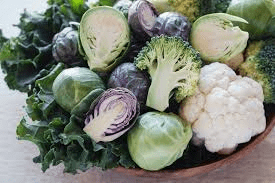
Cruciferous vegetables like broccoli, cauliflower, Brussels sprouts, kale, cabbage, and arugula stand out in cancer research.
These veggies contain compounds called glucosinolates, which break down into isothiocyanates—substances that may help reduce inflammation and neutralize harmful chemicals.
Large reviews link higher intake to lower risk of several cancers, including breast and colorectal.
Many find steaming or light cooking preserves these benefits best.
Easy ways to add more:
- Roast broccoli with olive oil
- Add kale to smoothies
- Toss cabbage into stir-fries
🌿 2. Turmeric: The Golden Spice with Promising Compounds
Turmeric’s bright color comes from curcumin, a compound studied extensively for its anti-inflammatory and antioxidant effects.
Lab and animal research suggests curcumin may help slow cancer cell growth and support healthy cell protection.
Human studies are ongoing, but adding turmeric to meals could contribute to overall wellness.
Pair it with black pepper for better absorption.
Ideas to try:
- Golden milk lattes
- Curries
- Scrambled eggs
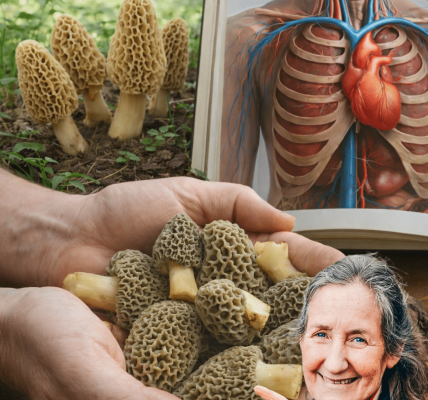
🍄 3. Mushrooms: Everyday Varieties with Unique Benefits
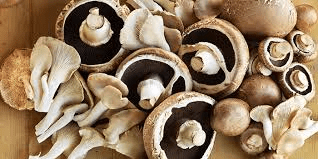
Common and medicinal mushrooms—like shiitake, maitake, and reishi—offer antioxidants such as ergothioneine.
Large observational studies link higher mushroom intake to lower overall cancer risk, with one analysis showing up to 45% reduction in those eating them regularly.
Medicinal types show immune-supporting potential in research.
Sauté them simply to enjoy:
- Add to soups
- Omelets
- Pasta
🧅 4. Allium Vegetables: Flavorful Everyday Staples
Garlic, onions, leeks, and shallots contain organosulfur compounds that lab studies suggest may protect cells and reduce inflammation.
Population research associates higher allium intake with lower risk of stomach and colorectal cancers.
Chop garlic and let it sit 10 minutes before cooking to maximize benefits.
Boost meals with:
- Roasted onions
- Garlic in dressings
- Leeks in soups
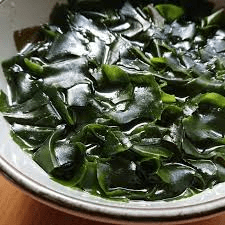
🌊 5. Wakame Seaweed: A Nutrient-Dense Ocean Addition
Wakame, a type of edible seaweed common in miso soup, provides iodine and unique compounds.
Animal and lab studies suggest it may suppress certain cancer cell growth, particularly breast.
Human evidence is limited, but it’s a low-calorie way to add variety.
Start small:
- Rehydrate dried wakame for salads
- Add to broths
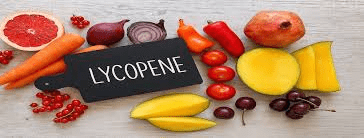
🍅 6. Lycopene-Rich Foods: Vibrant Red Choices
Tomatoes, watermelon, and pink grapefruit deliver lycopene—a potent antioxidant.
Reviews link higher lycopene intake, especially from cooked tomatoes, to lower prostate cancer risk.
Heat enhances absorption, so sauces and soups work well.
Enjoy as:
- Fresh watermelon slices
- Tomato salsa
- Roasted tomatoes
🥕 7. Beta-Carotene-Rich Foods: Colorful Orange Options
Carrots, sweet potatoes, and butternut squash provide beta-carotene, which the body converts to vitamin A.
Food sources of carotenoids associate with potential protection against certain cancers.
Note: supplements may increase risk in smokers, so focus on whole foods.
Simple ideas:
- Baked sweet potatoes
- Carrot soups
- Roasted squash
🐟 8. Fatty Fish: Sources of Omega-3s and Vitamin D
Salmon, sardines, herring, and mackerel offer omega-3 fatty acids and vitamin D.
Some studies suggest these nutrients may support lower risk in certain groups, though large trials show mixed overall results.
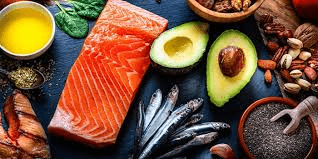
Aim for 1–2 servings weekly.
Try:
- Grilled salmon
- Canned sardines on salads
📊 Quick Comparison of These 8 Foods
| Food Group | Key Compounds | Potential Linked Benefits | Easy Sources |
|---|---|---|---|
| Cruciferous Vegetables | Glucosinolates, isothiocyanates | Lower risk for several cancers | Broccoli, kale, cauliflower |
| Turmeric | Curcumin | Anti-inflammatory support | Spice in curries, teas |
| Mushrooms | Ergothioneine, polysaccharides | Overall lower cancer association | Shiitake, button, maitake |
| Allium Vegetables | Organosulfur compounds | Stomach and colorectal support | Garlic, onions, leeks |
| Wakame Seaweed | Fucoxanthin, iodine | Lab-suggested cell protection | Miso soup, salads |
| Lycopene-Rich | Lycopene | Prostate cancer risk reduction | Tomatoes, watermelon |
| Beta-Carotene Foods | Carotenoids | Antioxidant cell support | Carrots, sweet potatoes |
| Fatty Fish | Omega-3s, vitamin D | Potential inflammation reduction | Salmon, sardines |
🍽️ Simple Ways to Include More Daily
Build habits gradually:
- Add one new food weekly
- Keep frozen or canned options handy
- Experiment with seasonings for enjoyment
Pair with overall healthy patterns—plenty of plants, limited processed meats, and moderate alcohol—for broader support.
❓ Frequently Asked Questions
Can these foods prevent cancer completely?
No single food or diet guarantees prevention. However, consistent healthy eating patterns may help lower risk alongside other factors like exercise and not smoking.
How much should I eat for potential benefits?
Aim for variety—several servings of vegetables daily, a few mushroom or fish portions weekly. Focus on whole foods over supplements unless advised by your doctor.
Are supplements as effective as food sources?
Generally no. Whole foods provide synergistic nutrients. Some supplements, like beta-carotene, may even increase risk in certain groups.
Disclaimer: This article is for informational purposes only and is not a substitute for professional medical advice. Always consult your healthcare provider for personalized guidance, especially if you have health conditions or take medications.