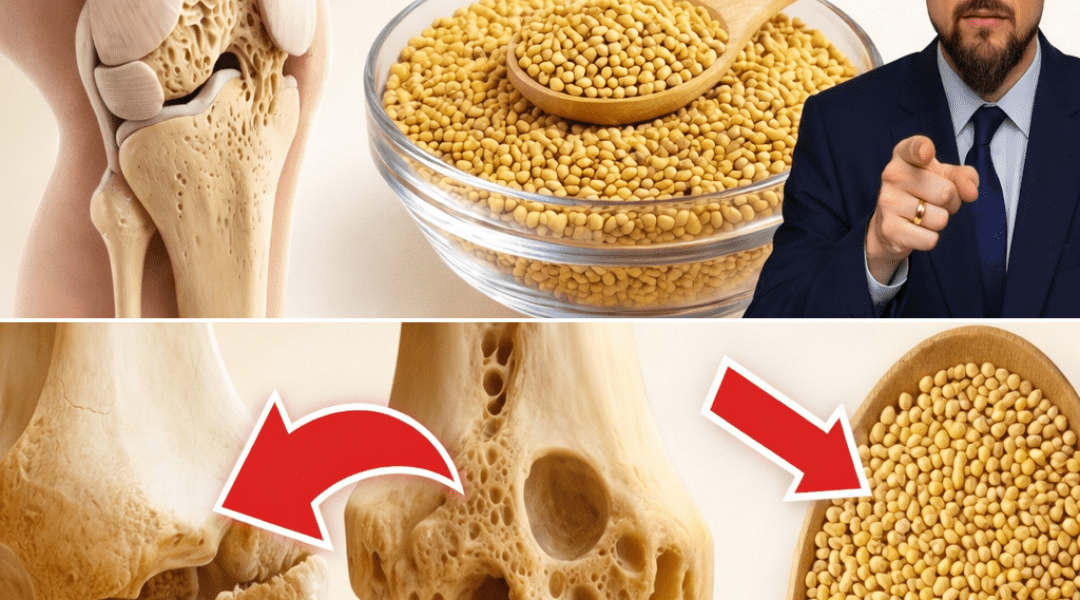

Many older adults wake up with joint stiffness or worry about unexpected falls that could limit independence and daily activities. Bone density naturally declines with age, and for those over 50, this can lead to fragility and reduced confidence in movement. The encouraging news is that everyday nutrition can play a supportive role in maintaining bone health through balanced minerals and compounds. Imagine incorporating simple, budget-friendly foods that provide key nutrients like calcium, magnesium, phosphorus, and collagen to help your body maintain bone structure.
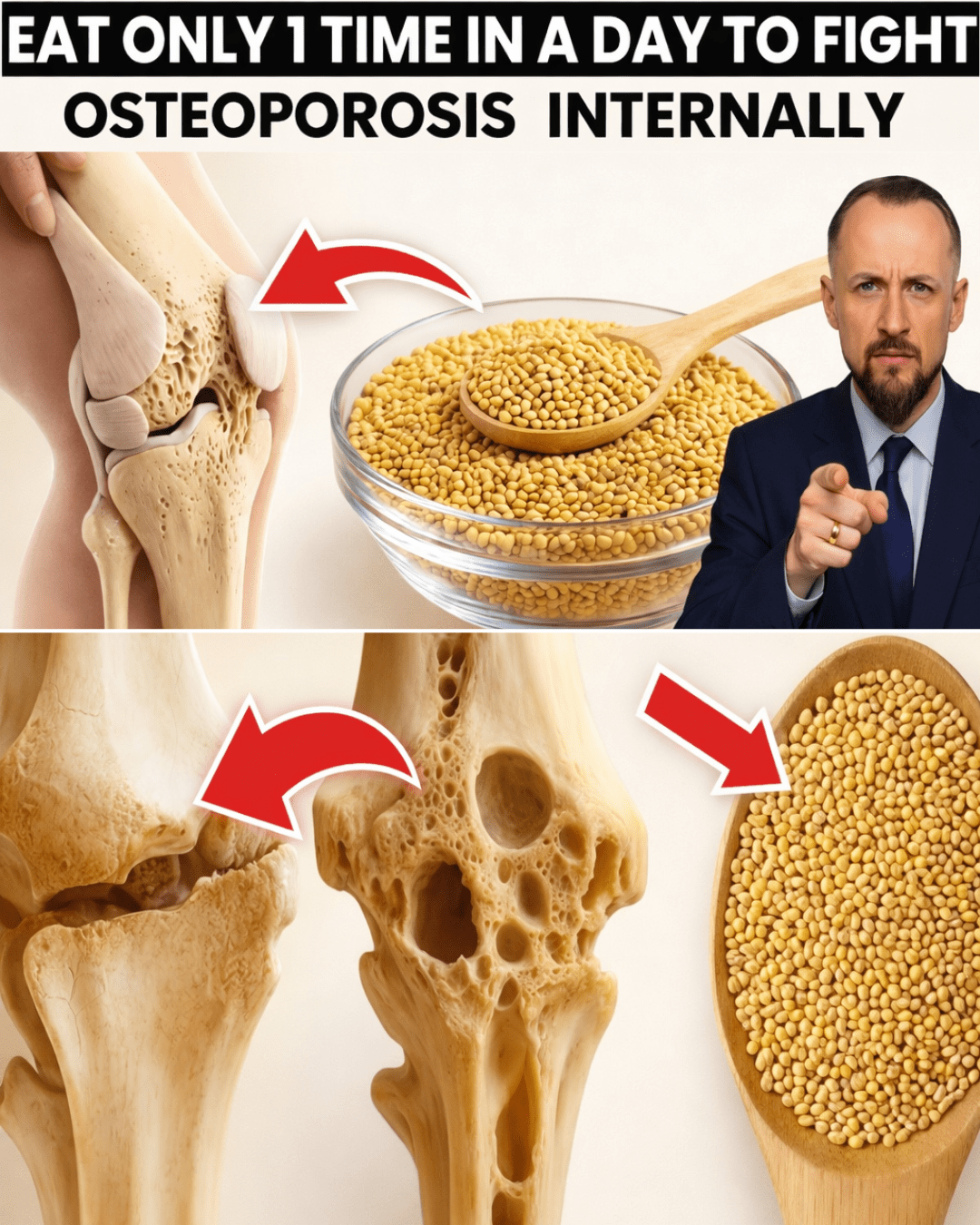
Busting the Calcium Myth: What Bones Really Need for Support
For years, dairy has been highlighted for bone health, yet some people consume plenty without seeing optimal results in bone strength. The key often lies in absorption and nutrient balance rather than calcium alone. Magnesium helps direct calcium to bones, phosphorus contributes to structural hardness, and collagen offers flexibility to prevent brittleness. Research indicates these elements work together for better bone maintenance, especially in older adults facing age-related changes.
Natural, affordable foods deliver this synergy gently, supporting overall bone resilience without relying solely on supplements. Studies suggest that diets rich in these balanced nutrients may help preserve bone mineral density over time.
Sesame Seeds – Tiny Affordable Powerhouses for Bone Support
Picture sprinkling toasted sesame seeds on your meals—the nutty flavor adding crunch while delivering valuable nutrients. Sesame seeds provide highly bioavailable calcium (around 88 mg per tablespoon), along with magnesium and phosphorus, which research links to bone health benefits. Reviews highlight their lignans, which may offer mild supportive effects during postmenopausal changes when bone density concerns rise.
Lightly toasting or grinding sesame seeds improves absorption, making them practical for daily use. Many older adults find this small addition eases worries about brittle bones.
- Add 1 tablespoon of tahini to toast or oatmeal for easy mornings.
- Mix ground seeds into yogurt or salads.
- Use as a topping for vegetables or stir-fries.
Three tablespoons daily can offer calcium comparable to some dairy sources, plus cofactors for better utilization—consistency helps build habits that support long-term bone comfort.
Nutrient Comparison Table
| Food Source | Calcium (per serving) | Magnesium | Key Advantage |
|---|---|---|---|
| 3 Tbsp Sesame Seeds | ~264 mg | High | Natural lignans, potential better absorption |
| 1 Cup Milk | ~300 mg | Low | Often fortified |
| Calcium Supplement | Varies | None | Isolated, may lack supporting nutrients |
This shows how sesame seeds stand out as an affordable, plant-based option for bone-supporting minerals.
Almonds – A Simple Handful for Everyday Bone Support
Imagine enjoying a small handful of almonds—the satisfying crunch and mild taste making them an easy snack. Almonds deliver about 80 mg calcium per 20-25 nuts, plus magnesium and vitamin E, an antioxidant that may protect bone cells. Ex vivo studies suggest almond consumption influences pathways related to reduced bone breakdown activity.
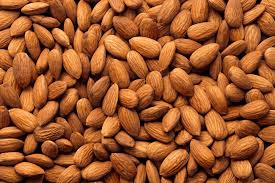
Observational research in postmenopausal women links regular nut intake, including almonds, to maintained bone density. Soaking almonds overnight aids digestion for those with sensitive stomachs.
- Snack on a handful mid-morning.
- Add sliced almonds to salads or yogurt.
- Blend into smoothies for extra nutrition.
This affordable habit may contribute to a supportive environment for bone maintenance, addressing the fatigue from worrying about falls.
Black Beans – Earthy, Budget-Friendly Building Blocks
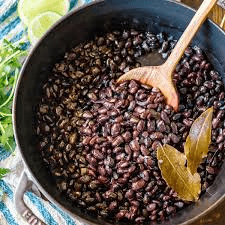
Think of a comforting bowl of black beans—their creamy texture and earthy flavor perfect for simple meals. Black beans supply phosphorus (up to 240 mg per cooked cup), magnesium, and plant protein, with phosphorus aiding bone structure alongside calcium. Studies associate legume-rich diets with higher bone mineral density in key areas like the spine and hip.
Their antioxidants help counter inflammation, a factor in bone weakening over time. Soaking and cooking with herbs improves digestibility.
- Add to soups, salads, or rice dishes.
- Make hearty dips or side servings.
- Include in vegetarian meals for protein balance.
As an inexpensive staple, black beans offer versatile ways to support bone repair naturally.
Homemade Bone Broth – Traditional Collagen-Rich Comfort
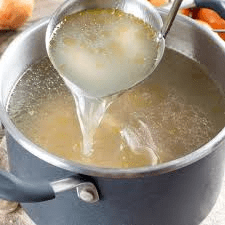
Envision simmering bones slowly—the savory aroma filling your home as it becomes nourishing broth. Homemade bone broth extracts collagen, which provides a flexible matrix for bones, along with minerals like calcium and magnesium in absorbable forms. Research on collagen peptides shows potential increases in bone density over time, particularly in postmenopausal women.
Slow cooking with a splash of vinegar draws out nutrients effectively. Opt for homemade over processed versions for real benefits.
- Sip warm as a soothing evening drink.
- Use as a base for soups or stews.
- Add to gravies for extra nourishment.
This affordable ritual may help with the stiffness that makes mornings challenging.

Daily Incorporation Guide
| Food | Suggested Daily Amount | Easy Ways to Add | Safety Note |
|---|---|---|---|
| Sesame Seeds | 3 Tbsp | Tahini on toast, ground in yogurt | Toast for better absorption |
| Almonds | 1 Handful (~25g) | Raw snack, soaked overnight | Unsalted; watch portions |
| Black Beans | ½-1 Cup cooked | Salads, soups | Soak to reduce gas |
| Bone Broth | 1-2 Cups | Sip warm, meal base | Homemade preferred |
Combining These Foods for Greater Potential Synergy
These four foods complement each other wonderfully—sesame and almonds for calcium and magnesium, black beans for phosphorus and protein, bone broth for collagen flexibility. A simple daily plan might include oatmeal with sesame and almonds for breakfast, black beans in lunch salads, and bone broth-based soup for dinner.
Research suggests nutrient synergy enhances overall support for bone health. Small, consistent changes provide the building blocks bones need as they renew naturally.
This article is for informational purposes only and is not intended as medical advice. Always consult your healthcare provider before making dietary changes, especially if you have existing health conditions or concerns about bone health. What small step will you try first to nurture stronger bones?