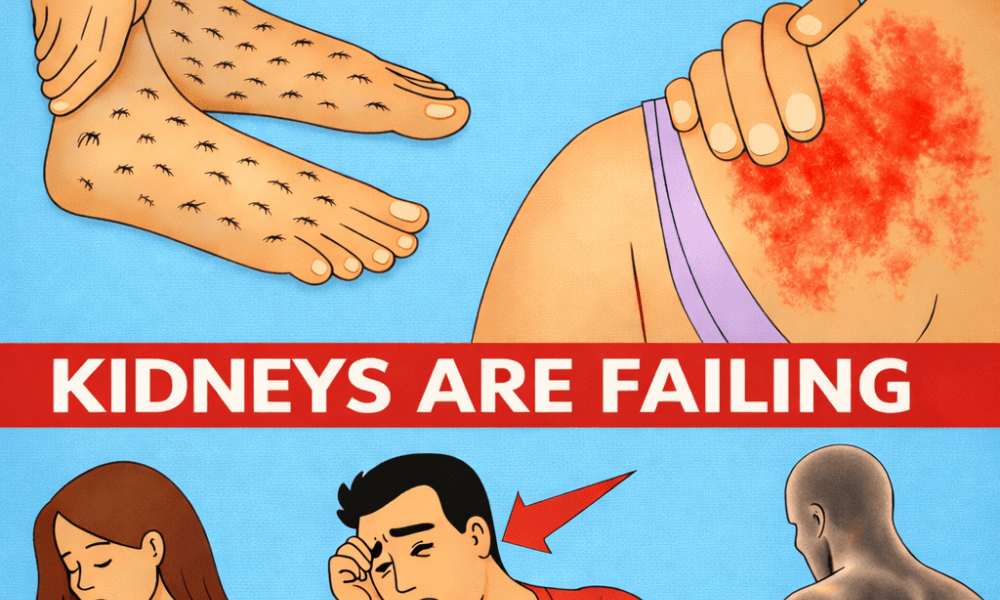

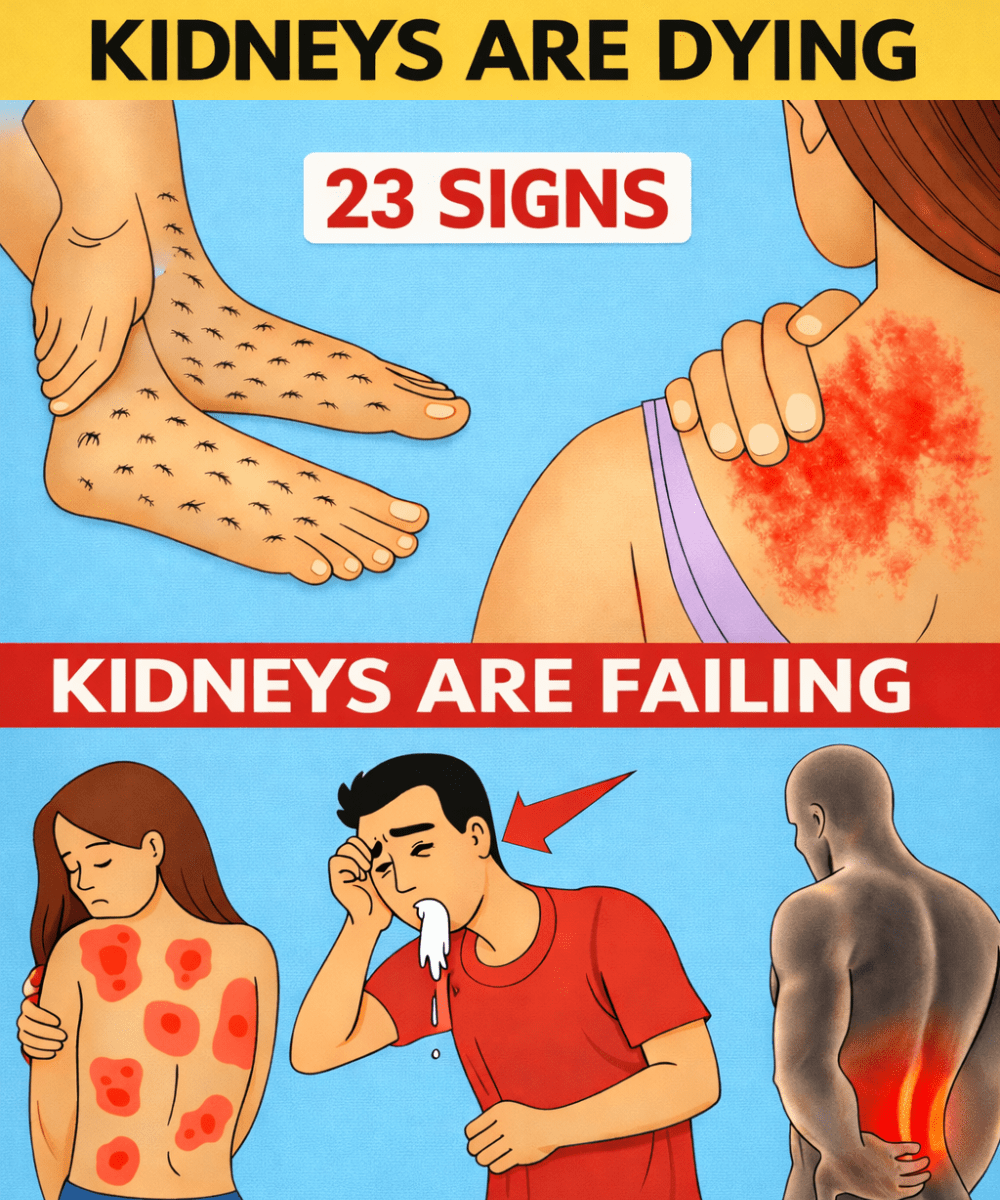
That lingering tiredness that no amount of rest seems to fix, or the unexplained puffiness around your eyes each morning—could these quiet signals point to something more? Your kidneys work tirelessly filtering waste and balancing fluids, yet early kidney issues often stay hidden, with up to 90% of cases going unnoticed until advanced stages according to sources like the National Kidney Foundation. Many people over 40 dismiss these changes as normal aging, stress, or minor annoyances, only to later wish they’d paid closer attention. While not every symptom means kidney trouble, persistent ones can be red flags worth checking. Let’s explore 23 common and unusual signs backed by medical insights, starting with real-world examples that make them relatable.
🌿 Why Kidney Warning Signs Often Go Unnoticed
Kidneys filter about 200 liters of blood daily, but when function declines gradually—as in chronic kidney disease (CKD)—symptoms creep in subtly. Early stages are frequently “silent,” with issues like high blood pressure or diabetes quietly contributing to damage. Research from Mayo Clinic and the National Kidney Foundation emphasizes that recognizing changes early can lead to better management through lifestyle tweaks or medical care. Feeling “off” without a clear reason? These signs might explain why.
🔍 The 23 Signs to Watch For – Backed by Reliable Sources
Here are the most frequently mentioned symptoms from trusted health organizations, grouped for easier reading. Many overlap with other conditions, so professional evaluation is essential.
1. Persistent Fatigue That Won’t Lift
Constant exhaustion, even after good sleep, often stems from anemia or toxin buildup when kidneys struggle to produce erythropoietin or clear waste.

2. Puffy Eyes or Face in the Morning
Fluid retention causes swelling around the eyes, a common early clue tied to sodium imbalance.
3. Swollen Ankles, Feet, or Hands
Edema in lower extremities signals kidneys aren’t handling fluids properly—often one of the first noticeable signs.
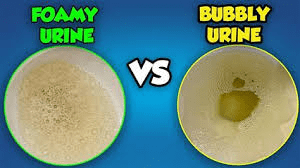
4. Foamy or Bubbly Urine
Excess protein in urine (proteinuria) creates foam; this is a key indicator of glomerular damage.
5. Changes in Urine Color or Clarity
Dark, cloudy, or unusually colored urine may point to blood, waste buildup, or concentration issues.
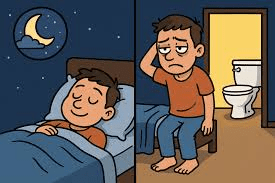
6. Frequent Urination, Especially at Night (Nocturia)
Needing to go more often, particularly disrupting sleep, can reflect reduced kidney concentrating ability.
7. Persistent Itchy Skin
Toxin accumulation or mineral imbalances (like high phosphorus) cause widespread itching, especially in later stages.

8. Metallic Taste in the Mouth or Ammonia Breath
Waste buildup alters taste and causes bad breath that lingers despite oral care.
9. Shortness of Breath
Fluid in the lungs or anemia reduces oxygen delivery, making stairs feel exhausting.
10. Muscle Cramps, Especially at Night
Electrolyte imbalances disrupt muscle function, leading to painful cramps.
11. Dry, Scaly, or Dull Skin
Poor mineral balance and dehydration from impaired function affect skin health.

12. Loss of Appetite or Feeling Full Quickly
Toxin buildup suppresses hunger, often with nausea.
13. Nausea or Occasional Vomiting
Uremia (waste in blood) commonly causes stomach upset.
14. Trouble Concentrating or “Brain Fog”
Reduced oxygen to the brain from anemia or toxins impacts focus and memory.
15. High Blood Pressure That’s Hard to Control
Kidneys regulate BP; damage often causes or worsens hypertension.
16. Pale Skin or Noticeable Dark Circles
Anemia leads to pallor; under-eye changes can accompany fatigue.
17. Bone or Joint Pain
Mineral and bone disease weakens bones, causing aches.
18. Feeling Cold All the Time
Lower red blood cell count reduces warmth.

19. Irregular Heartbeat or Palpitations
Electrolyte shifts affect heart rhythm.
20. Unexplained Weight Gain
Fluid retention adds pounds without diet changes.
21. Persistent Headaches
Toxin buildup or blood pressure fluctuations trigger them.
22. Mood Changes or Irritability
Toxins and fatigue impact emotional well-being.
23. Changes in Sleep Patterns (Beyond Nocturia)
Sleep apnea links to CKD, worsening fatigue and focus.
Here’s a quick comparison table of common vs. potentially concerning features:
| Symptom | Often Normal Variation | May Warrant Attention If… |
|---|---|---|
| Fatigue | Occasional tiredness | Persistent despite rest |
| Swelling | Temporary after salty meal | Daily, in ankles/feet/hands |
| Urine Changes | From diet/dehydration | Foamy, dark, or frequent night trips |
| Itchy Skin | Dry weather | Widespread and unrelieved |
| Bad Breath/Taste | Food or hygiene | Metallic/ammonia-like and ongoing |
⚠️ What to Do If These Signs Feel Familiar
Most symptoms have multiple causes, so don’t panic—but don’t ignore them either. Track patterns in a journal (when they occur, severity, other factors), stay hydrated, and limit sodium. Then consult your doctor—mention specifics for targeted tests like blood creatinine, eGFR, or urine albumin. Early checks often lead to simple interventions that protect kidney health.

Wrapping Up: Listening to Your Body Could Make All the Difference
These 23 signs highlight how kidneys quietly signal distress, from everyday fatigue to quirky changes like metallic tastes. Catching them early empowers better outcomes—many people regain energy and peace after addressing underlying issues. You’re not alone in this; proactive steps today support long-term wellness.
Frequently Asked Questions (FAQ)
How early do symptoms appear in kidney disease?
Often none in early stages—many discover CKD through routine tests. Symptoms typically emerge in moderate to advanced stages.
Are these signs always due to kidneys?
No—they overlap with conditions like heart issues, diabetes, or aging. A doctor can differentiate with tests.
What tests check for kidney problems?
Common ones include blood tests (creatinine, eGFR), urine tests (for protein/blood), and sometimes imaging.
This article is for informational purposes only and is not intended as medical advice. Symptoms can indicate many conditions, and self-diagnosis isn’t reliable. Always consult a healthcare professional for evaluation, testing, and personalized guidance—early professional input is the best way to protect your health.