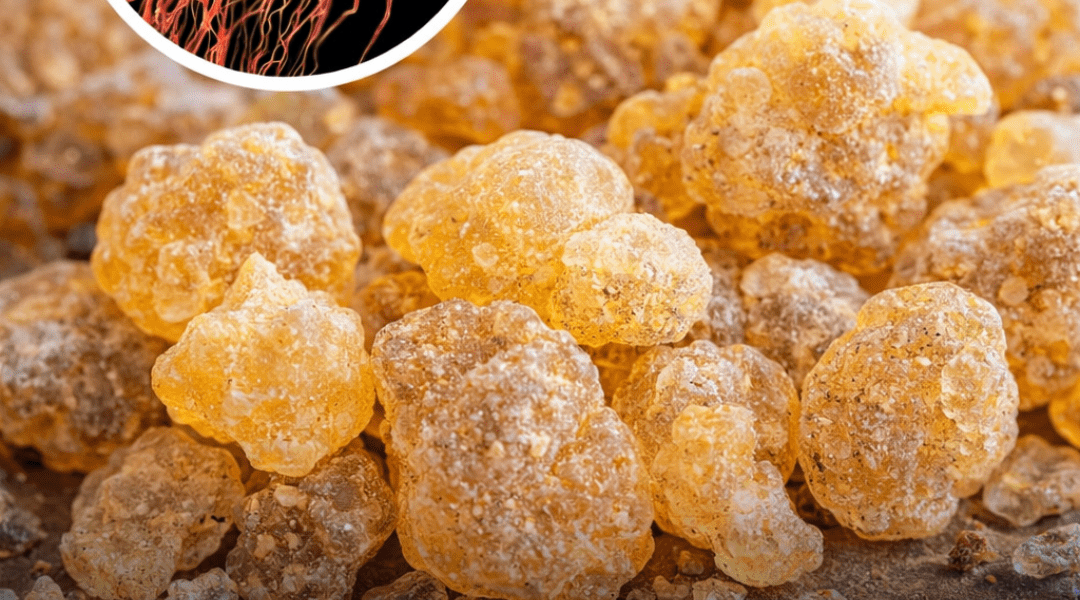

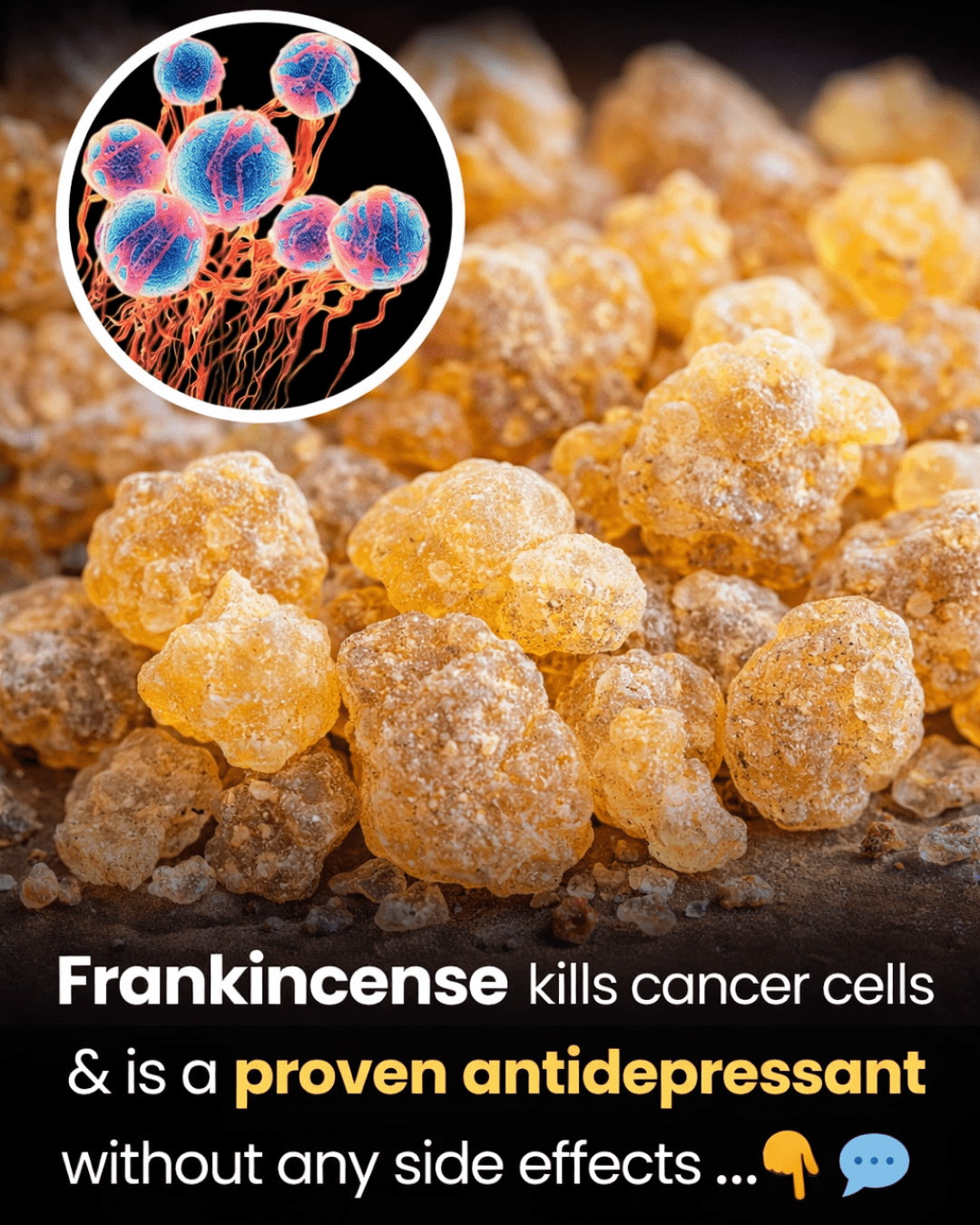
The article you shared discusses frankincense (from Boswellia trees) and its potential benefits for mood and cancer, based on traditional use and some research. While frankincense has interesting properties—mainly anti-inflammatory from compounds like boswellic acids and incensole acetate—the claims in the piece are overstated compared to current evidence.
Mood Benefits (Anxiety and Depression)
The article highlights a compound called incensole acetate activating brain ion channels (TRPV3) to reduce anxiety and depression. This comes from a 2008 study where researchers gave it to mice, observing anxiolytic (anti-anxiety) and antidepressive-like effects.
Follow-up research has mostly involved animals (e.g., rats or mice exposed to stress), showing similar potential mood-supporting effects.
No high-quality human clinical trials confirm frankincense or incensole acetate as a proven antidepressant or anti-anxiety treatment. It’s not established as a reliable alternative to medications for the millions affected by depression.
Aromatherapy with frankincense oil (via diffuser) may promote relaxation for some due to its scent stimulating brain areas tied to emotion, but this is general to many pleasant aromas—not unique evidence of therapeutic effects.
Cancer-Fighting Claims
Frankincense shows promising anti-inflammatory and anti-cancer activity in lab studies (e.g., cell cultures) and some animal models, including effects on breast, pancreatic, and brain tumor cells.
Limited human evidence exists:
- Small early-phase trials suggest Boswellia extracts may reduce brain tumor-related swelling (edema) after radiation.
- One recent small trial in breast cancer patients showed some anti-proliferative activity.
These are preliminary findings—not proof it “fights cancer,” reverses metastases, or serves as a treatment. No robust clinical evidence supports it curing or reliably alleviating cancer symptoms in humans. Claims of reversing breast cancer brain metastases appear based on in vitro (test tube) work, not patient outcomes.
Major organizations like Memorial Sloan Kettering Cancer Center note potential supportive roles but emphasize more research is needed.
Safety and Side Effects
Frankincense is generally considered safe for most adults when used appropriately (e.g., as incense, oil in a diffuser, or supplements). However, it’s not free of side effects:
- Possible mild issues include stomach upset, nausea, or allergic reactions.
- Topical use can cause skin irritation.
- It’s not recommended during pregnancy.
Always consult a doctor before using it, especially if on medications (including psychoactive ones) or dealing with health conditions.
In summary, frankincense has a long history in traditional medicine and some intriguing early research for inflammation, mood support in animals, and lab-based anti-cancer effects. But it’s not a proven cure for cancer or a side-effect-free antidepressant in humans. Over-the-counter or natural doesn’t mean risk-free or effective for serious conditions. For depression, anxiety, or cancer, evidence-based treatments under medical guidance remain the standard.
This is general information based on available studies—not medical advice. Please talk to a healthcare professional for personalized recommendations.