Could Frankincense Offer Mood Support? Exploring Research on Its Potential Benefits and Uses

Feeling overwhelmed by daily stress or low mood can make even simple tasks feel heavy, leaving you searching for gentle, natural ways to find calm without the common drawbacks of some medications. Many turn to traditional remedies hoping for relief from anxiety or low spirits, but it’s important to separate promising early findings from proven treatments. Frankincense, the aromatic resin from Boswellia trees, has a long history in wellness practices and recent studies have looked into its effects on mood through compounds like incensole acetate. While animal research shows intriguing possibilities, human evidence remains limited. Stay with us to learn what current science suggests about this ancient resin and how it might fit into a mindful routine.
🔍 What Is Frankincense and Why the Interest in Mood Benefits?
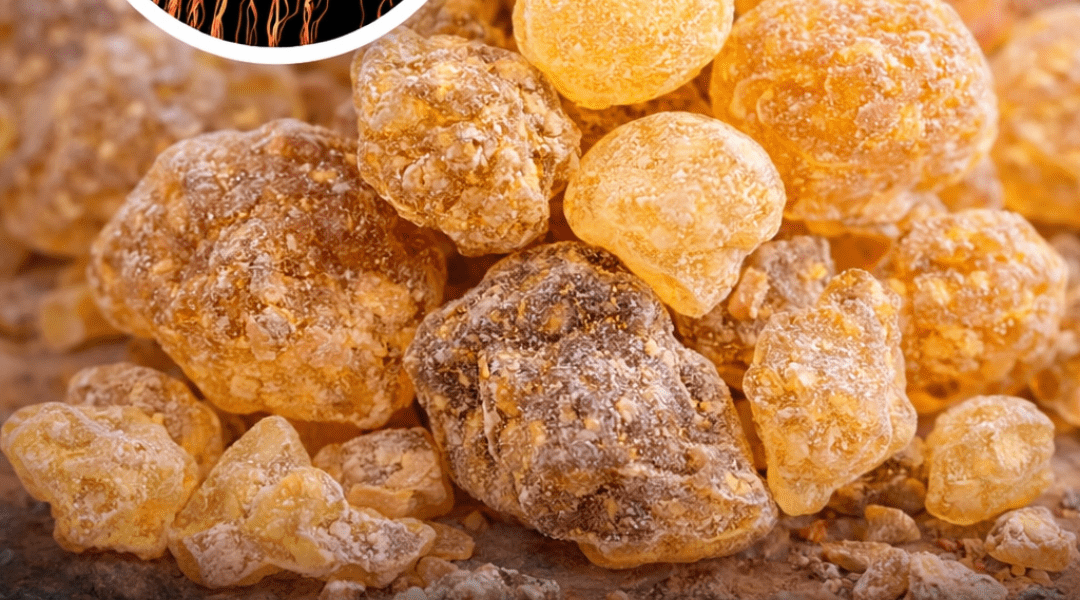
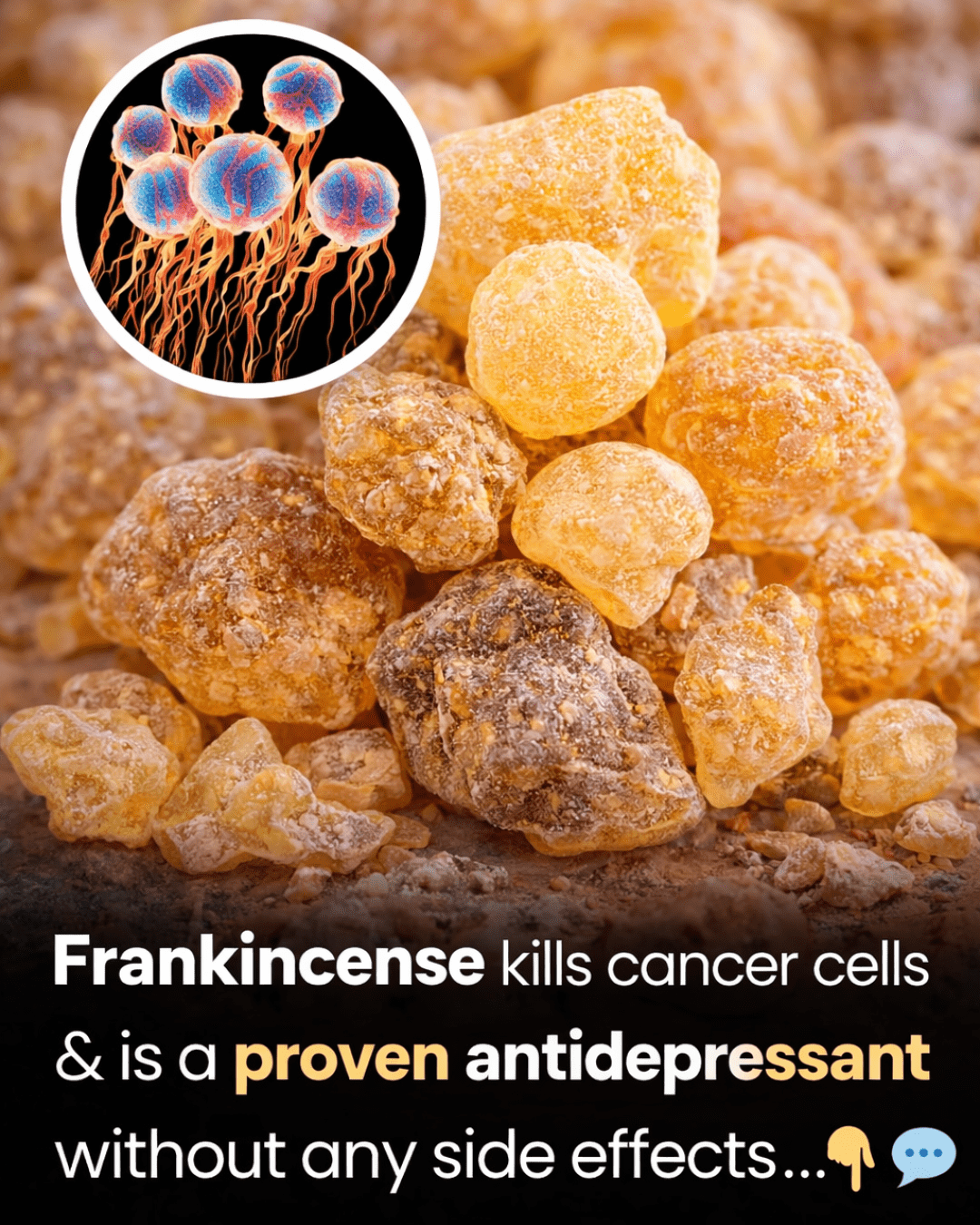
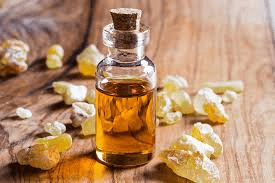
Frankincense comes from the dried resin of Boswellia trees, traditionally used for its calming scent in religious and cultural practices. Compounds in frankincense, particularly incensole acetate, have drawn attention for potentially influencing brain pathways related to emotions. Early lab and animal studies indicate it may activate certain ion channels, like TRPV3, which could play a role in regulating mood. This has sparked curiosity about whether inhaling or using frankincense could offer subtle support for those dealing with occasional stress or low mood. However, these effects are mostly observed in preclinical models, not yet widely confirmed in people.
⚠️ The Connection Between Stress, Mood, and Natural Options
Chronic stress can contribute to feelings of unease or low mood, prompting many to explore alternatives to conventional options that sometimes come with unwanted effects like drowsiness or other changes. Aromatherapy with scents that engage the sense of smell directly links to brain areas involved in emotions, offering a non-invasive way to promote relaxation. Frankincense essential oil is popular in diffusers for this reason, with some users reporting a sense of calm. Research on essential oils in general suggests they may help ease tension when used mindfully, though individual responses vary greatly.
🧠 What Research Says About Frankincense and Mood
Animal studies have provided some of the most direct evidence for potential mood-related effects of frankincense components. A key 2008 study found that incensole acetate activated TRPV3 channels in the brain, leading to reduced anxiety-like and depression-like behaviors in mice. Follow-up research has shown similar results, including modulation of stress-related proteins and improved performance in behavioral tests. More recent work, such as studies on extracts in stress-induced models, reported reductions in inflammation-linked behaviors. These findings suggest frankincense compounds might influence mood pathways, but translating this to humans requires more investigation.
Here are highlights from key research:
- Incensole acetate demonstrated anxiolytic and antidepressant-like effects in wild-type mice via TRPV3 activation.
- Extracts reduced anxiety- and depression-like behaviors in lipopolysaccharide-induced models in rats.
- Chronic administration in certain animal models modulated gene expression linked to mood regulation.
Human studies on mood benefits remain scarce, and most evidence comes from preclinical work.
📊 Frankincense’s Broader Wellness Profile: Anti-Inflammatory and More
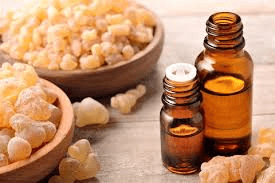
Beyond mood, frankincense has been studied for its anti-inflammatory properties, which may indirectly support overall well-being since inflammation can relate to stress responses. Some research explores its role in various conditions, but results are preliminary. Importantly, frankincense is generally considered well-tolerated when used appropriately, with mild side effects like possible skin irritation from topical application.
Common considerations from reliable sources:
- Topical use: May cause irritation in sensitive individuals—dilute with a carrier oil.
- Inhalation: Often viewed as safe for aromatherapy, but avoid direct ingestion without guidance.
- General tolerance: Low toxicity reported in traditional and modern uses, but interactions with medications are possible.
Always prioritize safety and consult a professional.
🛠️ Practical Ways to Explore Frankincense for Relaxation
If you’re interested in trying frankincense for its aromatic qualities, start with simple, low-risk methods. Diffusing the essential oil can create a soothing environment, potentially supporting a calmer mindset during meditation or downtime.
Simple Steps for Aromatherapy Use
- Add a few drops to a diffuser with water and run for 30-60 minutes in a well-ventilated space.
- Combine with other calming scents like lavender for a blended experience.
- Use during yoga or quiet reflection to enhance the sensory aspect.
Remember, aromatherapy works best as part of a balanced routine including exercise, sleep, and stress management techniques.
⚠️ Important Safety Notes When Using Frankincense
Frankincense is often well-tolerated, but it’s not without potential considerations. Skin application of the essential oil may irritate some people, so always dilute and patch-test first. Those on medications, pregnant, or with health conditions should check with a healthcare provider before use. While side effects are typically mild, individual responses differ, and it’s not a replacement for professional care.
🔄 Wrapping Up: Frankincense as a Supportive Option
Frankincense holds promise in early research for mood support through its unique compounds and aromatic properties, particularly in animal models showing reduced anxiety- and depression-like behaviors. Its traditional use in calming practices aligns with modern interest in natural wellness tools. While more human studies are needed, incorporating it thoughtfully via aromatherapy may contribute to a sense of relaxation for some. Approach with realistic expectations—natural options can complement, but not replace, evidence-based care for mood concerns.
Frequently Asked Questions
Does frankincense really help with mood based on science?
Preclinical studies show promising anxiolytic and antidepressant-like effects in animals through TRPV3 activation, but robust human clinical trials are limited. It may offer subtle support via aromatherapy for some people.
What are the safest ways to use frankincense?
Inhalation through a diffuser is commonly considered safe for most adults. Topical use requires dilution to minimize irritation risk.
Can frankincense replace antidepressant medications?
No—frankincense is not a proven substitute for prescribed treatments. Always consult a healthcare provider before making changes to mental health management.
This article is for informational purposes only and is not a substitute for professional medical advice. Individual results vary, and frankincense or its essential oil should only be used after consulting your healthcare provider, especially if you have health conditions or take medications.