

Knee discomfort is a common challenge as we age, often making simple activities like walking, climbing stairs, or even getting out of bed feel difficult and frustrating. Many people experience stiffness, reduced mobility, and that nagging ache that affects daily life and overall well-being. While various approaches exist to manage these issues, emerging discussions around nutrition highlight how certain foods might play a supportive role in maintaining joint comfort.
What if a simple, traditional ingredient could be part of your daily routine to help nourish your joints from within? In this article, we’ll explore the potential connection between one specific food—gelatin—and joint health, drawing from scientific insights and practical tips.

Understanding Joint Cartilage and Why It Matters
Cartilage acts as a cushion between bones in your joints, helping absorb shock and allow smooth movement. Over time, factors like age, activity levels, and wear can affect its condition, leading to discomfort in areas like the knees.
Research suggests that supporting collagen production—a key building block of cartilage—may contribute to better joint function. Gelatin, derived from collagen-rich animal tissues, provides amino acids such as glycine and proline that the body uses in collagen synthesis.
Studies, including those published in scientific journals, have examined how gelatin or hydrolyzed collagen supplements might influence markers related to collagen production, particularly when combined with physical activity.

The Science Behind Gelatin and Joint Support
One notable area of interest comes from lab and human studies exploring gelatin’s role. For instance, research from UC Davis and the Australian Institute of Sport found that consuming vitamin C-enriched gelatin before exercise increased blood markers linked to collagen synthesis. This could potentially support tissues like tendons and ligaments, with implications for overall joint health.
Other reviews of clinical trials on hydrolyzed collagen (a processed form of gelatin) have reported improvements in measures of joint comfort and function among people with activity-related discomfort or osteoarthritis. A pilot study using delayed gadolinium-enhanced MRI even noted changes in knee cartilage proteoglycan content after consistent use over several weeks.
Here are some key findings from research on collagen/gelatin supplementation:
- May help reduce joint pain at rest and during activity in some participants.
- Could support better mobility and function in knees.
- Appears safe for most people when used appropriately.
- Benefits often seen with consistent intake, such as 10-15 grams daily, over weeks or months.
While results vary and more large-scale studies are needed, these insights suggest gelatin as a promising dietary addition for those looking to support their joints naturally.

How Gelatin Fits Into a Joint-Friendly Lifestyle
Gelatin is versatile, affordable, and easy to incorporate. It’s the same ingredient used in homemade jellies, soups, and bone broths. Unlike quick fixes, supporting joint health through diet is about consistency.
Many older adults, including experienced orthopedic professionals, emphasize natural approaches alongside movement and balanced nutrition. While no single food offers overnight transformation, regular inclusion might contribute to long-term comfort.
But that’s not all—pairing gelatin with other habits can amplify its potential benefits.
Practical Ways to Add Gelatin to Your Daily Routine
Here’s a simple, step-by-step guide to get started:
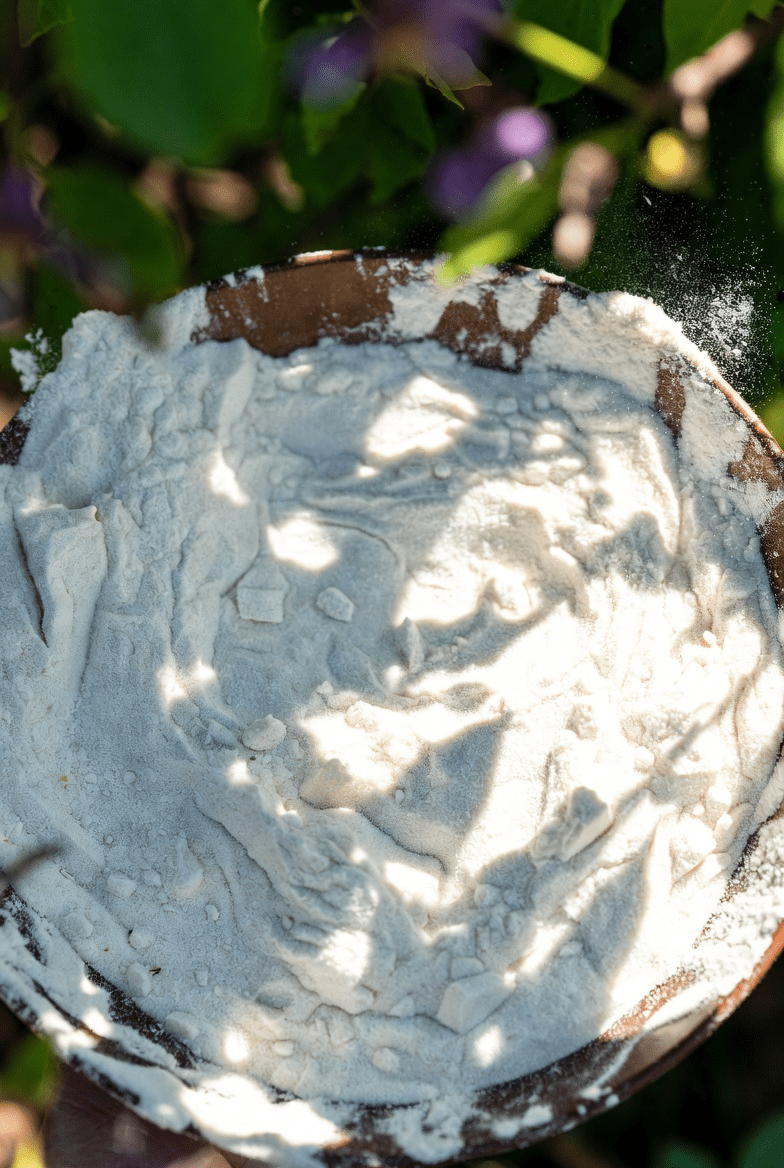
- Choose plain, unflavored gelatin powder (food-grade, available at most grocery stores).
- Start with 1-2 tablespoons (about 10-15 grams) per day.
- Dissolve it in warm water, juice, tea, or soup—stir well until fully mixed.
- For better absorption, consider adding vitamin C sources like lemon juice or fresh fruit.
- Consume it consistently, ideally before light activity or exercise.
- Track how your joints feel over 4-8 weeks.
Additional joint-supporting foods to combine with gelatin:
- Bone broth (naturally rich in gelatin and minerals)
- Citrus fruits and berries (for vitamin C to aid collagen formation)
- Leafy greens and broccoli (antioxidants and vitamin K)
- Fatty fish like salmon (omega-3s for inflammation support)
- Nuts and seeds (magnesium for tissue health)
These small additions can create a more comprehensive approach to feeling your best.
What to Expect and Realistic Timelines
Many people notice subtle improvements in comfort and ease of movement after several weeks of consistent use, especially when combined with gentle exercises like walking or stretching. Results depend on individual factors such as age, activity level, and overall diet.
Remember, nutrition supports the body’s natural processes—it’s not a substitute for professional medical advice or treatment.
Conclusion: A Simple Step Toward Better Joint Comfort
Incorporating gelatin into your routine offers an accessible, evidence-informed way to nourish your joints. While dramatic overnight changes are unlikely, steady habits can contribute to improved mobility and reduced discomfort over time. Listen to your body, stay active, and consider how small dietary tweaks might make a meaningful difference.
Frequently Asked Questions (FAQ)
How much gelatin should I take daily for joint support?
Most studies use around 10-15 grams (1-2 tablespoons) of gelatin or hydrolyzed collagen per day. Start low and adjust based on how you feel.
Is gelatin safe for everyone?
Gelatin is generally considered safe when consumed in food amounts. Those with allergies to animal products or specific dietary restrictions should check with a healthcare provider.
Can gelatin replace medical treatments for knee issues?
No—gelatin is a dietary supplement, not a treatment. Always consult your doctor for personalized advice on managing joint conditions.
Disclaimer: This article is for informational purposes only and does not constitute medical advice. The statements here have not been evaluated by the FDA. Results vary by individual. Consult a healthcare professional before making dietary changes, especially if you have existing health conditions or take medications.