Nearly 600,000 Bottles of Common Blood Pressure Medication Recalled: What You Need to Know Right Now

If you or someone you love relies on medication to keep blood pressure in check every single day, the thought of that pill bottle containing something potentially harmful is downright frightening. Millions of us trust these little capsules with our lives, yet suddenly there’s news of a massive recall involving a cancer-linked impurity – and it hits close to home because it’s a drug many people have in their cabinets right now. The worry, the uncertainty, the fear of what this could mean long-term… it’s completely understandable and shared by thousands of patients across the country.
But here’s the thing – knowledge is power, and there’s a straightforward path forward that can ease your mind today. Keep reading, because by the end of this article, you’ll know exactly how to check if your medication is affected and what smart steps to take next (including one simple habit that could make all the difference in avoiding issues like this in the future).
What Exactly Happened with This Blood Pressure Drug Recall?
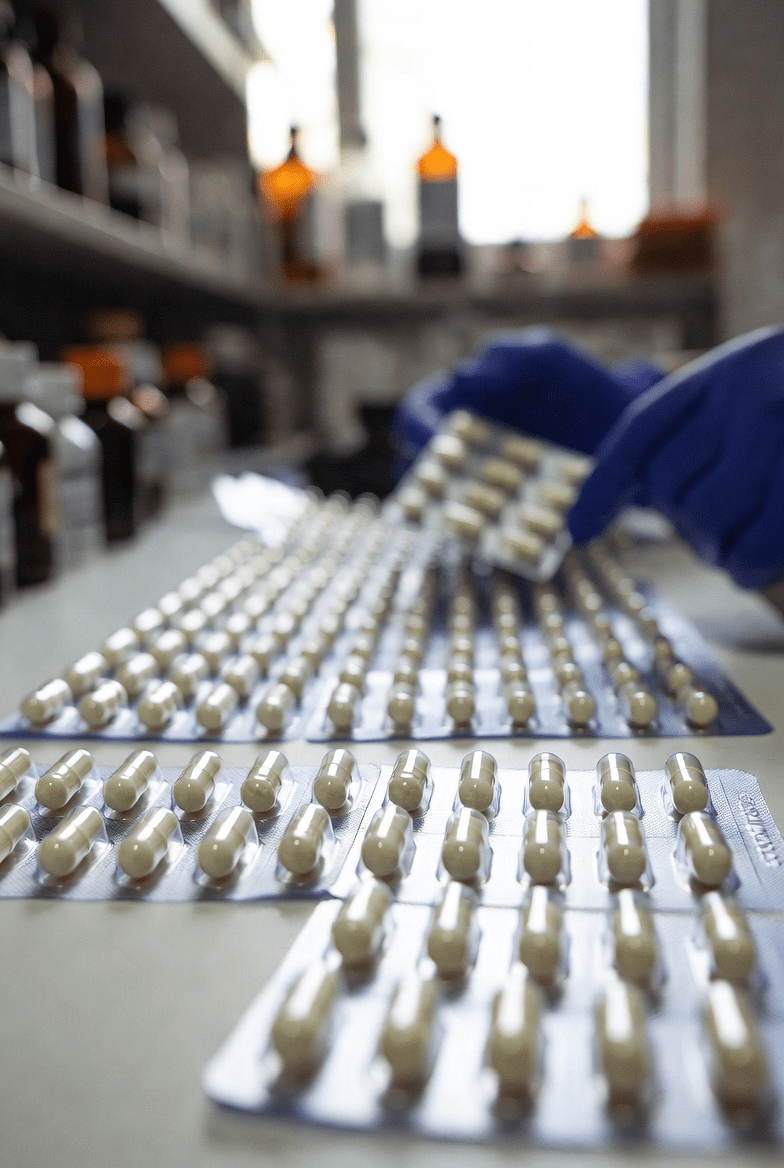
In October 2025, the U.S. Food and Drug Administration (FDA) announced a voluntary nationwide recall of more than 580,000 bottles of prazosin hydrochloride capsules. This medication, sold under generic labels by Teva Pharmaceuticals and distributed through Amerisource Health Services, comes in 1 mg, 2 mg, and 5 mg strengths.
The issue? Testing revealed levels of a nitrosamine impurity – specifically N-nitroso Prazosin impurity C – above the FDA’s acceptable limits. Nitrosamines are chemicals that can form during manufacturing or storage, and they’re the same class of compounds that triggered recalls of other common drugs in recent years.
Here’s the breakdown of the recalled amounts:
- 1 mg capsules: 181,659 bottles
- 2 mg capsules: 291,512 bottles
- 5 mg capsules: 107,673 bottles
These bottles (ranging from 100 to 1,000 capsules each) were distributed across the U.S., with expiration dates stretching from late 2025 through early 2028.
But that’s not all – the FDA classified this as a Class II recall, meaning use of the product could cause temporary or reversible health issues, or there’s a remote chance of serious harm. No injuries have been reported so far, which is reassuring… but it still raises valid concerns.

Why Are Nitrosamine Impurities a Concern in Medications?
You’ve probably heard about nitrosamines before – they’re found in tiny amounts in water, cured meats, and even some vegetables. Our bodies handle low levels just fine every day.
The problem arises when levels exceed safety thresholds over extended periods. According to FDA guidance, exposure to nitrosamines above acceptable limits for years could potentially increase cancer risk, though the agency emphasizes that staying at or below daily limits for a lifetime (70 years) is not expected to raise that risk.
Research on nitrosamines in pharmaceuticals dates back to 2018, when similar impurities led to widespread recalls of blood pressure drugs like valsartan and losartan. Since then, the FDA has ramped up testing requirements, uncovering issues in various medications – from heartburn relief to quit-smoking aids.
The good news? Manufacturers have improved processes significantly, and these recalls are proof the system is catching problems early.
Still wondering why this keeps happening? It often ties back to chemical reactions in older manufacturing methods or solvent recovery practices. The FDA continues to work with companies to minimize these risks moving forward.
Is Your Bottle of Prazosin Part of the Recall? How to Check Quickly
This is the part that matters most to you right now.
Grab your prescription bottle and look for these details:
- Medication name: Prazosin hydrochloride capsules
- Manufacturer: Teva Pharmaceuticals (NDC codes starting with 0093-4067 for 1 mg, 0093-4068 for 2 mg, or 0093-4069 for 5 mg)
- Lot numbers: Match against the official FDA list (specific lots include examples like 3010544A, 3010545A, 1016996, and others – full details on the FDA website)
If it matches, don’t panic – but do act.
Here’s your step-by-step action plan:
- Contact your pharmacist immediately – They can confirm if your lot is affected and often provide a replacement on the spot from an unaffected batch.
- Talk to your doctor before making any changes – Suddenly stopping prazosin can cause blood pressure to spike dangerously. Your healthcare provider may switch you to an alternative like doxazosin, terazosin, or another class of medication entirely.
- Return the recalled medication – Pharmacies and manufacturers have processes for safe returns, often with refunds or exchanges.
- Monitor for updates – Check the FDA’s recall database regularly, as more lots could be added.
Many patients have already gone through this smoothly – pharmacies are well-prepared for these situations.
Practical Habits to Stay Ahead of Medication Safety Issues
While recalls like this are rare and caught through rigorous testing, taking a proactive approach gives you extra peace of mind.
Here are simple, everyday steps anyone can follow:
- Review your prescriptions annually with your doctor or pharmacist – Discuss generics vs. brand names and any recent safety alerts.
- Sign up for FDA recall alerts – It’s free and takes seconds at fda.gov/safety/recalls.
- Store medications properly – Keep them in a cool, dry place away from sunlight to minimize any degradation risks.
- Use one pharmacy for all prescriptions – This creates a complete record, making it easier for them to flag potential issues.
- Ask about manufacturing origin when filling generics – Some patients prefer U.S.- or EU-made versions for added reassurance (though FDA standards apply globally).
These small habits add up to big protection over time.
And here’s something interesting most people don’t realize: Independent labs and enhanced FDA scrutiny have made our drug supply safer than ever, despite these headlines. Recalls actually prevent far more problems than they cause.
Other Blood Pressure Medications That Faced Similar Issues Recently
To give you full context, prazosin isn’t the first – here are a few others affected by nitrosamine concerns in the past few years:
| Medication | Year of Major Recall | Impurity Involved | Approximate Bottles Recalled |
|---|---|---|---|
| Valsartan | 2018–2019 | NDMA/NDEA | Millions |
| Losartan | 2019–2020 | NDMA | Millions |
| Metformin (extended-release) | 2020–2021 | NDMA | Hundreds of thousands |
| Quinapril | 2022 | Nitrosamine | Thousands |
| Prazosin | 2025 | N-nitroso Prazosin | Over 580,000 |
The pattern shows the FDA’s vigilance is working – catching issues before widespread harm.
Final Thoughts: You’re Not Alone in This
Hearing about a recall on a medication you’ve trusted for years can feel unsettling, but remember: This action was taken precisely to protect patients like you. No adverse events have been linked to this prazosin recall yet, and quick replacements are available.
By checking your bottle today and talking openly with your healthcare team, you’re already taking the best possible step.
Stay informed, stay proactive, and keep prioritizing those daily habits that support healthy blood pressure naturally alongside your prescribed plan.
Frequently Asked Questions
1. Will I develop cancer if I took the recalled prazosin? The FDA states that short-term use of the affected lots poses low risk. Long-term exposure above limits is the primary concern, but no increased cancer cases have been tied to this recall so far. Discuss any worries with your doctor.
2. What are safe alternatives to prazosin? Common options include other alpha-blockers like doxazosin or terazosin, or different classes such as ACE inhibitors, ARBs, or calcium channel blockers. Your doctor will choose based on your specific health needs.
3. How can I get notifications for future drug recalls? Sign up for email alerts on the FDA website (fda.gov/safety/recalls-market-withdrawals-safety-alerts) or use apps like MedWatcher. Many pharmacies also offer automatic notifications.
Disclaimer: This article is for informational purposes only and is not a substitute for professional medical advice. Always consult your healthcare provider or pharmacist regarding your medications, and never stop taking prescribed blood pressure treatment without guidance, as doing so can be dangerous.