
Have you ever noticed those tough, broad green leaves pushing through cracks in sidewalks, thriving in lawns, or lining pathways? Many people pull them out as weeds without a second thought, stepping over them day after day. Yet this resilient plant has been valued for centuries in traditional herbal practices around the world, often overlooked in modern life despite growing literally under our feet. What if something so ordinary could play a simple role in supporting everyday wellness? Keep reading – there’s a surprising discovery waiting that might change how you see your next walk outside.
What Is This Everyday Plant Everyone Ignores?
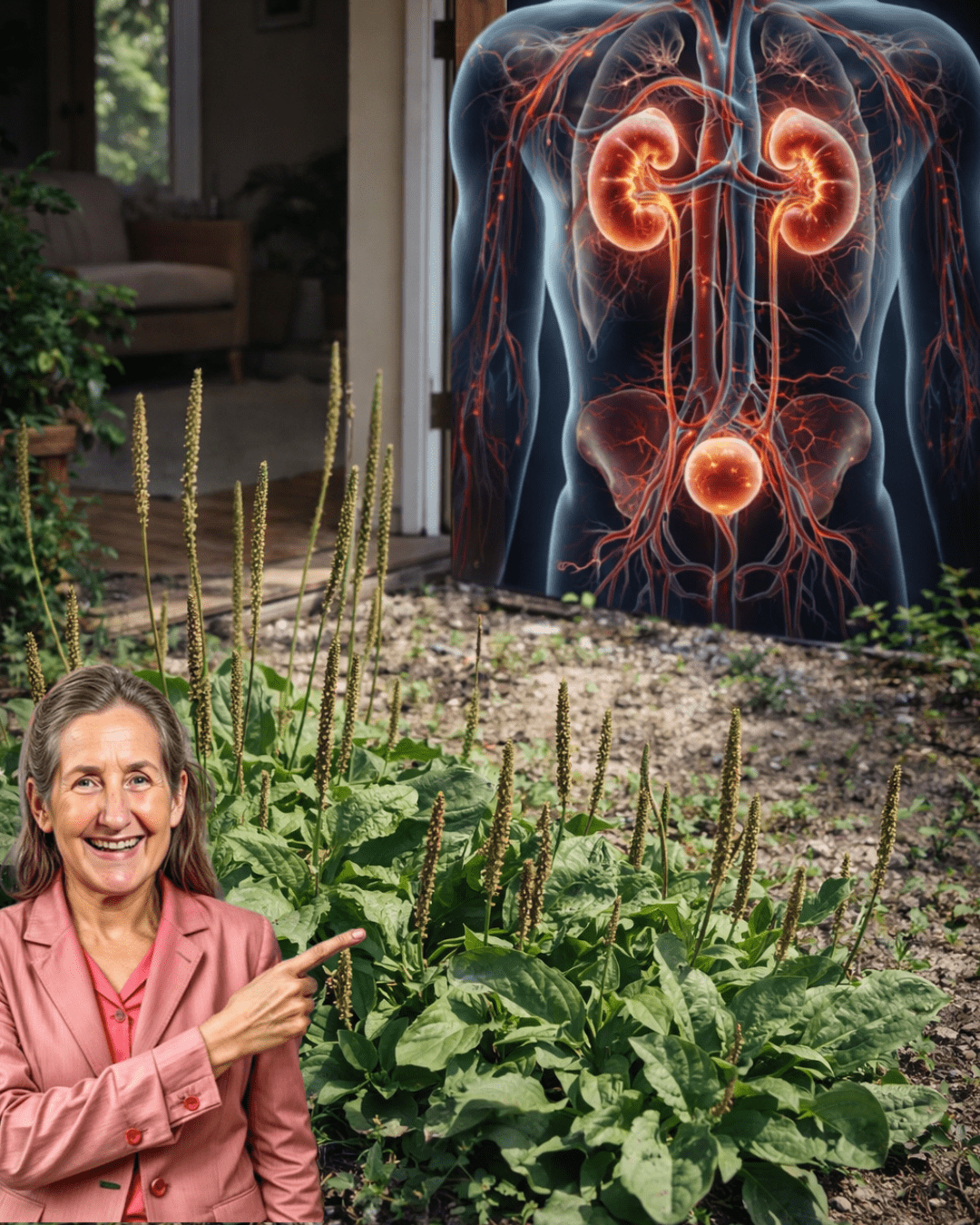
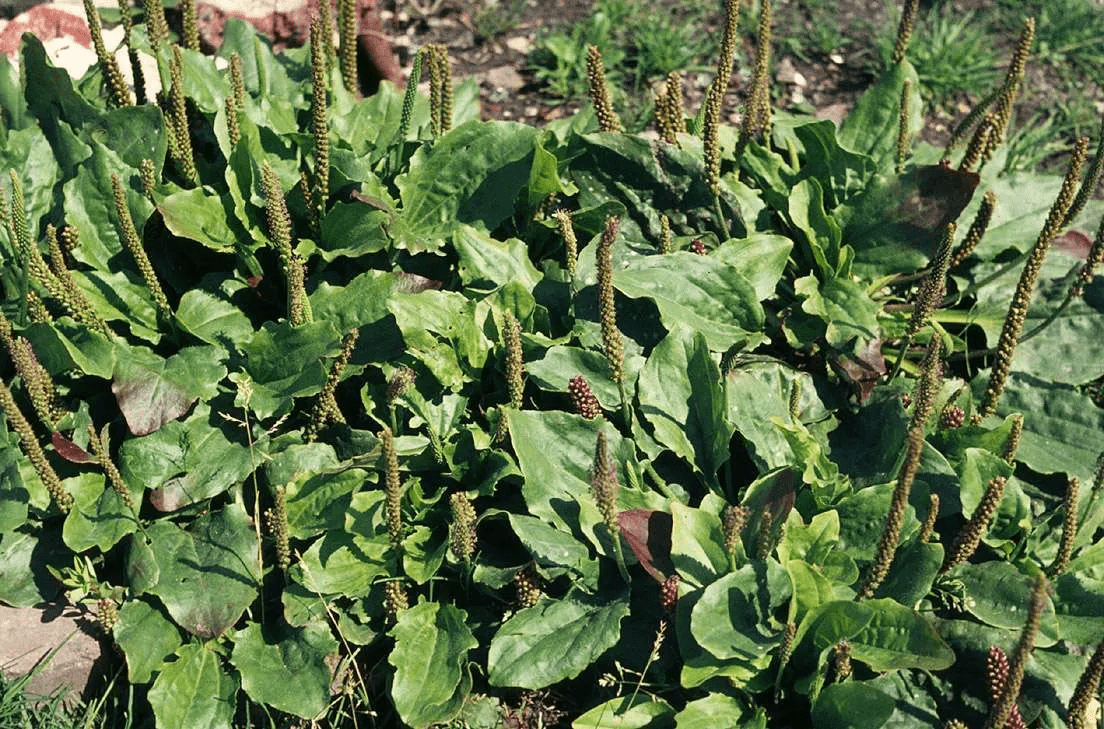
The plant in question is broadleaf plantain, known scientifically as Plantago major. It’s not the banana-like fruit – this is a low-growing perennial herb with wide, oval leaves that form a rosette close to the ground and tall spikes of tiny flowers.
It thrives in disturbed soils, making it common in urban areas, gardens, and fields worldwide. Often dismissed as a lawn intruder, broadleaf plantain (along with its close relative, ribwort plantain or Plantago lanceolata) has a long history of use in folk traditions across Europe, Asia, and beyond.
But here’s the interesting part: traditional herbalists have turned to it for generations to support comfort in various ways.
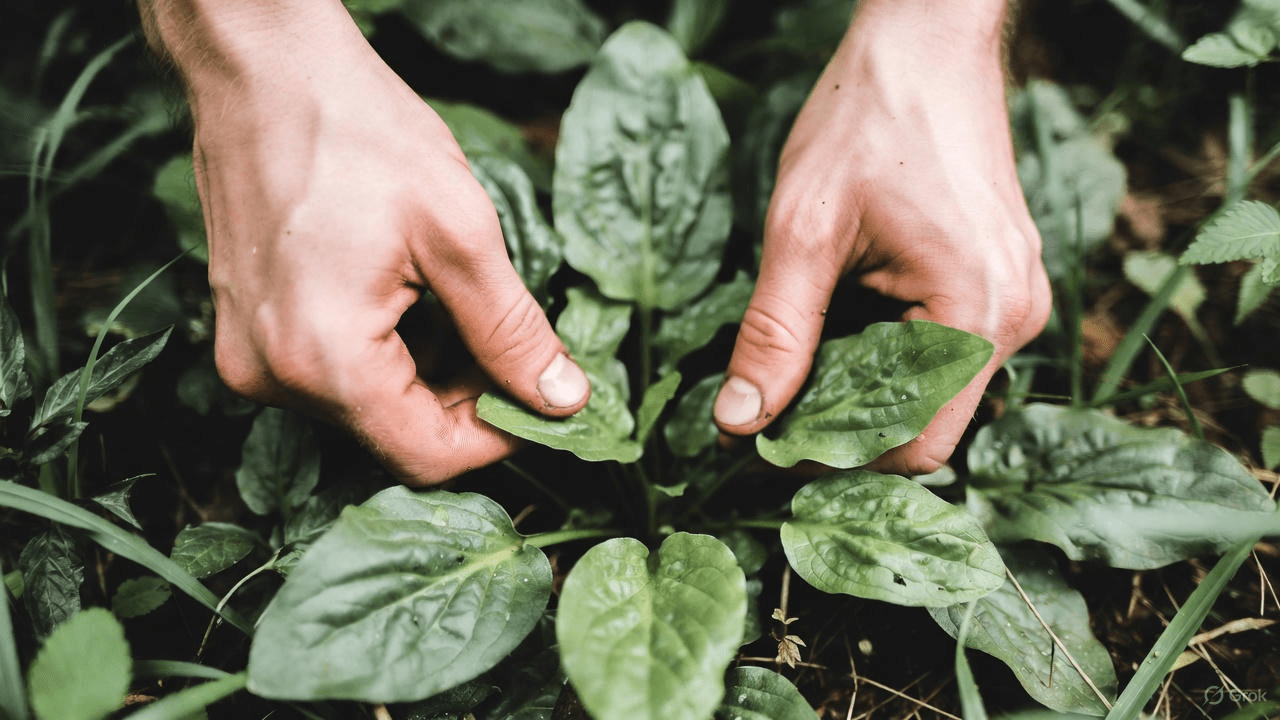
How to Easily Identify Broadleaf Plantain in the Wild
Spotting broadleaf plantain is straightforward once you know what to look for.
- Leaves: Broad, oval-shaped with prominent parallel veins running lengthwise – they look like ribs.
- Growth habit: Forms a flat rosette on the ground, with leaves up to 6-8 inches long.
- Flower spikes: Tall, slender stems topped with dense clusters of small greenish-brown flowers, often from spring to fall.
- Where it grows: Sidewalk cracks, compacted soil, lawns, paths – anywhere feet tread regularly.
It’s incredibly hardy, which is why it pops up everywhere. Just be sure to harvest from clean, pesticide-free areas.
Why Has Broadleaf Plantain Been Valued for Centuries?
In traditional practices, broadleaf plantain earned nicknames like “nature’s band-aid” for its soothing reputation.
Ancient texts from Persian medicine and European herbalism highlight its use for everyday discomforts, from minor skin irritations to respiratory support.
Research today echoes some of this wisdom: studies note compounds like mucilage (a soothing gel-like substance), iridoid glycosides (such as aucubin), and flavonoids that contribute to its anti-inflammatory and antioxidant properties.
For instance, lab and animal studies suggest it may help soothe irritated mucous membranes – think throat or digestive lining.
But that’s not all…
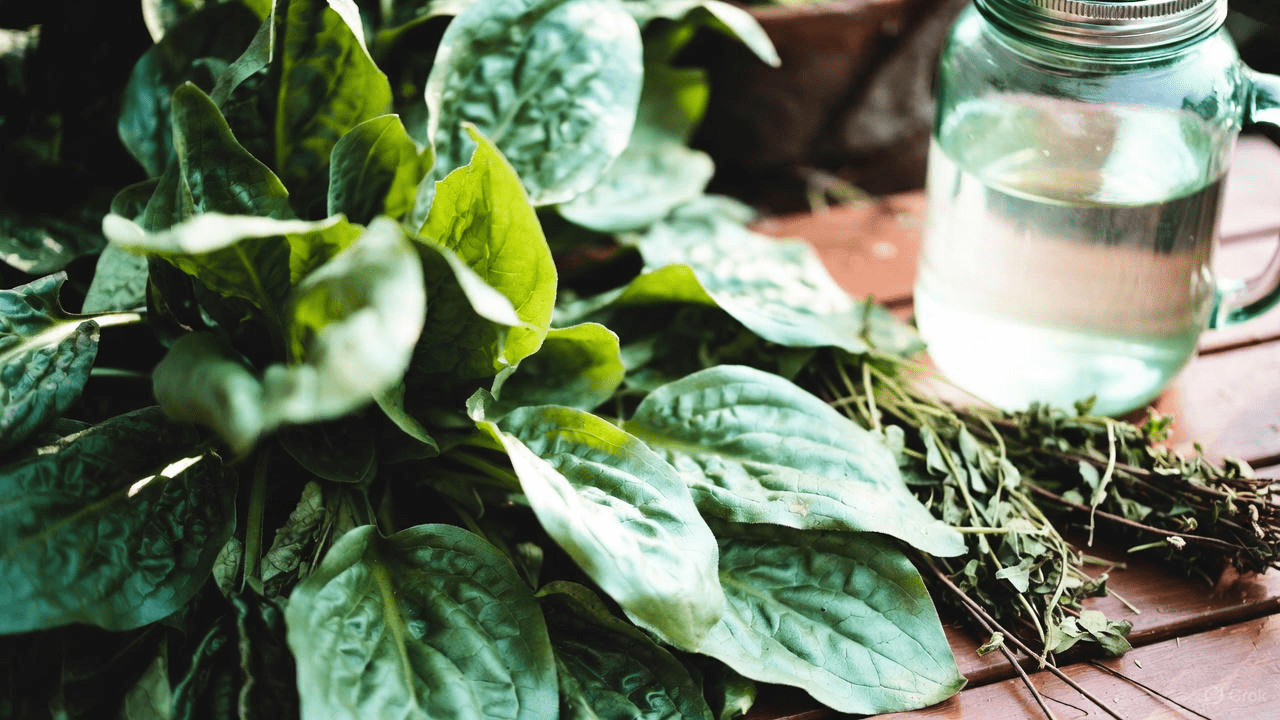
How Broadleaf Plantain May Support Urinary and Kidney Comfort
One of the most overlooked traditional uses of plantain is its role in promoting urinary health.
Herbalists have long prepared it as a tea to act as a mild diuretic, helping the body maintain healthy fluid balance.
Preliminary research supports this: some studies on Plantago species show diuretic effects, potentially aiding in flushing the urinary tract and supporting kidney function.
Traditional Persian medicine specifically mentions it for urinary retention and bladder comfort, while modern reviews note its potential to soothe irritation in the urinary system.
People often ignore this benefit because the plant seems too common – yet incorporating it as a simple herbal tea could be an easy daily habit for those seeking natural urinary support.
Here’s the really fascinating part: in vitro studies have even explored its effects on calcium oxalate crystals, common in kidney stones, showing promising inhibition compared to standard agents.
Of course, more human research is needed, but the historical use is compelling.
Simple Ways to Incorporate Broadleaf Plantain Into Your Routine
Ready to try this overlooked gem? Here are practical, actionable tips:
Harvesting and Preparing Fresh Leaves
- Identify clean plants away from roads or sprayed areas.
- Pick young, vibrant leaves in spring or summer.
- Wash thoroughly under cool water.
- Use fresh or dry for later.
Making a Soothing Plantain Tea (Step-by-Step)
- Gather 1-2 teaspoons of dried leaves (or 2-3 fresh leaves).
- Place in a mug and pour 8 oz of boiling water over them.
- Steep covered for 10-15 minutes.
- Strain and enjoy 1-3 cups daily, plain or with honey.
This mild, earthy tea is traditionally sipped for overall comfort.
Other Easy Uses
- Topical poultice: Crush fresh leaves and apply to minor skin irritations.
- Dried storage: Spread leaves on a screen in a dark, airy spot – ready in 1-2 weeks.
| Traditional Use | Common Preparation | Potential Support |
|---|---|---|
| Respiratory comfort | Tea or syrup | Soothing irritated airways |
| Digestive ease | Infusion | Calming gut lining |
| Urinary health | Daily tea | Mild diuretic effect |
| Skin support | Fresh poultice | Soothing minor irritations |
Safety Considerations and Who Should Be Cautious
Broadleaf plantain is generally considered safe for most people when used appropriately.
Studies and traditional use report minimal side effects, though rare allergic reactions can occur (especially if sensitive to related plants).
Start with small amounts to test tolerance.
It’s widely regarded as gentle, even for children in moderated doses, but always consult a healthcare provider if pregnant, nursing, or on medications.
Frequently Asked Questions (FAQ)
Is broadleaf plantain the same as the banana-like plantain fruit?
No – this is an unrelated herbal weed (Plantago major), not the starchy fruit.
How much plantain tea is safe to drink daily?
Most sources suggest 1-3 cups of infusion made from 1-2 teaspoons dried leaves – listen to your body.
Can I use it if I have kidney issues?
While traditionally supportive, always check with a doctor first, especially with existing conditions.
Final Thoughts: Rediscover the Value Under Your Feet
Broadleaf plantain reminds us that some of nature’s most useful gifts are the ones we see every day but rarely appreciate.
From its historical role in soothing discomfort to modern interest in its supportive properties – especially for urinary and overall wellness – this common plant deserves a closer look.
Next time you spot those resilient leaves, you might just pause and smile.
Disclaimer: This article is for informational purposes only and is not intended to diagnose, treat, cure, or prevent any disease. Always consult with a qualified healthcare professional before adding new herbs to your routine, especially if you have health conditions or take medications. Individual results may vary.