
Many of us notice changes in our vision as we get older—things like struggling to read fine print or adjusting to dim light feel frustrating and worrisome. These shifts can make everyday activities harder and raise concerns about long-term eye comfort. But what if a small, natural addition to your routine could help support healthier eyes over time?
Research is exploring how certain foods and spices might play a role in maintaining eye health. One ingredient standing out in studies is saffron, a vibrant spice long used in cooking. Keep reading to discover what science says about it—and a surprising way to incorporate it every day.

What Makes Saffron Special for Eye Health?
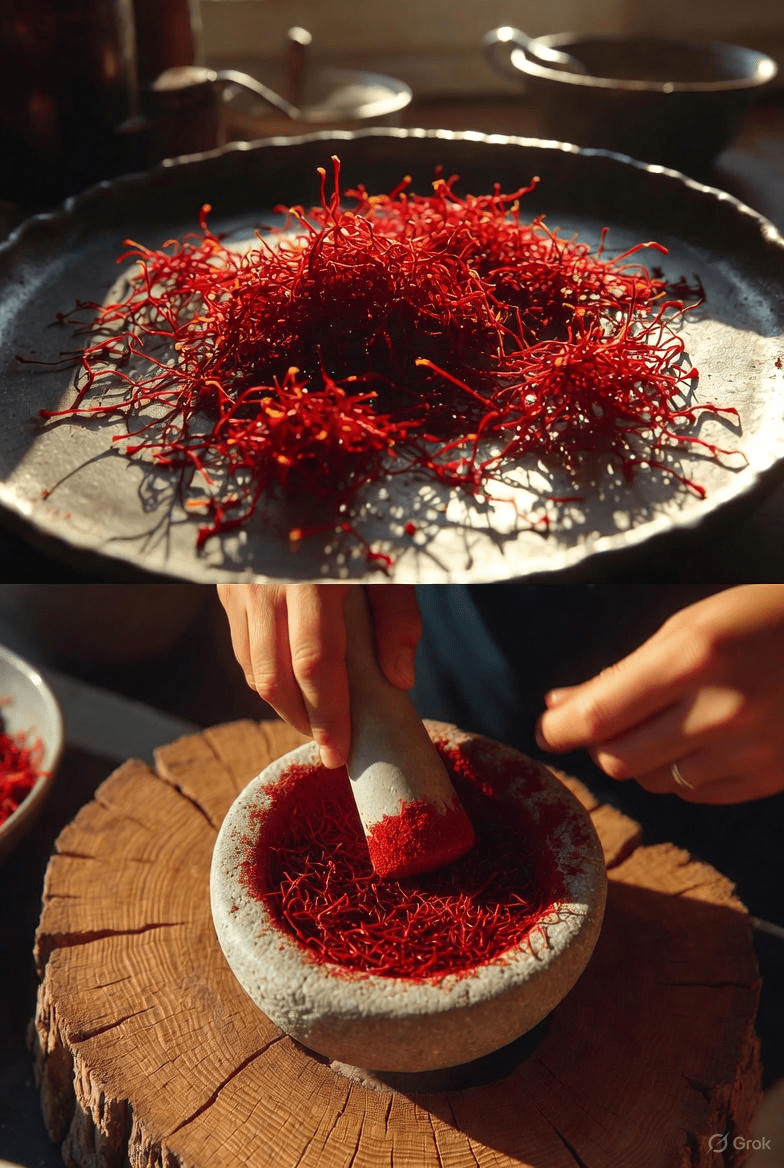
Saffron comes from the delicate stigmas of the Crocus sativus flower. It’s packed with powerful antioxidants like crocin and crocetin, which help combat oxidative stress—a factor linked to age-related eye changes.
Studies suggest these compounds may support retinal function and protect eye cells. For instance, clinical trials have shown that daily saffron supplementation can help preserve visual performance in people with early age-related macular degeneration (AMD).
But that’s not all. Preliminary research also points to potential benefits for other concerns, like supporting healthy intraocular pressure in glaucoma models or aiding retinal health in diabetic conditions.
The truth is, saffron’s anti-inflammatory and neuroprotective properties make it an intriguing option for overall eye support. Researchers continue to explore how it might complement a healthy lifestyle.
The Science Behind Saffron and Vision Support
Multiple human studies have investigated saffron’s effects on eyes. Here’s a quick overview:
- In one randomized trial, participants with early AMD taking 20 mg of saffron daily showed improvements in retinal flicker sensitivity compared to placebo.
- Longer-term follow-ups (up to 12 months) indicated sustained benefits in multifocal electroretinogram (mfERG) responses—a measure of retinal function.
- Other research found that 30 mg daily helped maintain visual acuity and contrast sensitivity over several months.
These findings come from peer-reviewed sources, including publications in Evidence-Based Complementary and Alternative Medicine and BMJ Open Ophthalmology.
Of course, results vary by individual, and saffron works best alongside other eye-friendly habits.
Key Compounds in Saffron That Matter for Eyes
Saffron contains several bioactive elements. Here’s a simple breakdown:
| Compound | Potential Role in Eye Health | Evidence Highlight |
|---|---|---|
| Crocin | Strong antioxidant; protects retinal cells | Improved visual function in AMD studies |
| Crocetin | Supports blood flow and reduces inflammation | Neuroprotective effects in lab models |
| Safranal | Anti-inflammatory properties | Helps combat oxidative stress |
This table highlights why researchers are excited—saffron offers a natural mix of supportive nutrients.
Simple Ways to Add Saffron to Your Daily Routine
The good news? You don’t need much saffron to potentially benefit. Studies often use around 20-30 mg per day—about a small pinch of high-quality threads.
Here’s an easy, actionable way to try it:
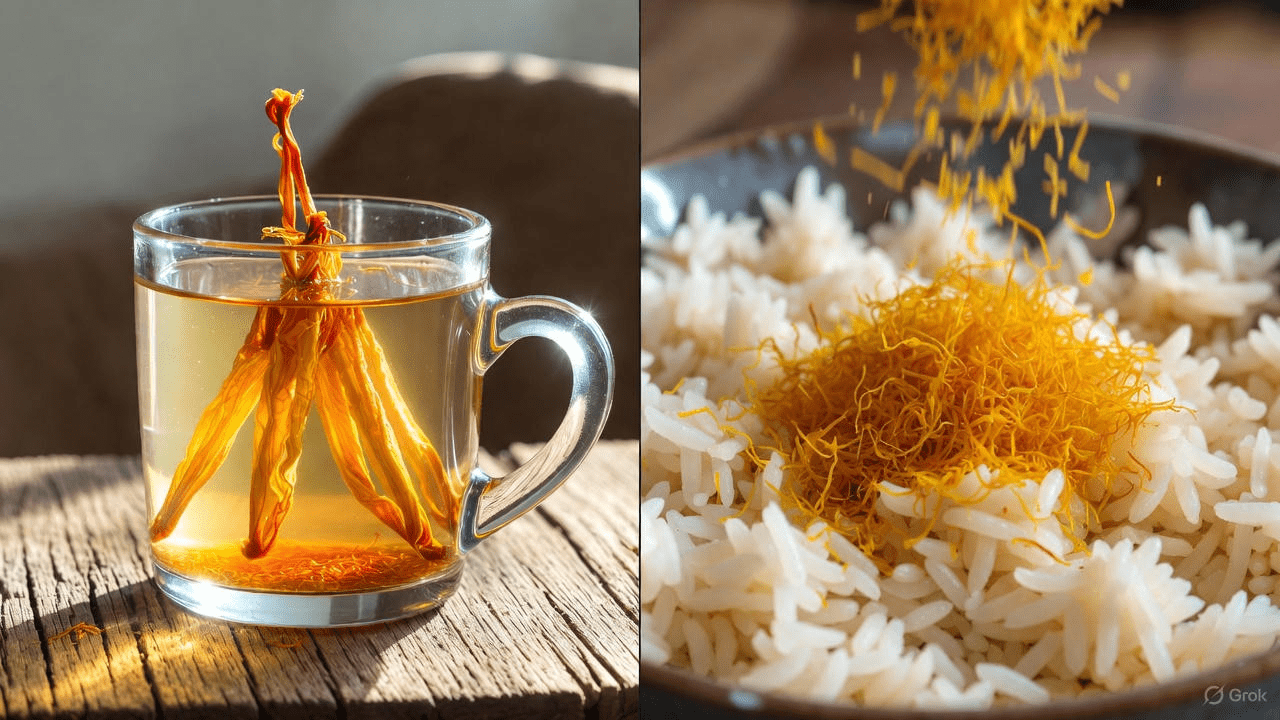
How to Make Saffron-Infused Water (Your “One Glass a Day”)
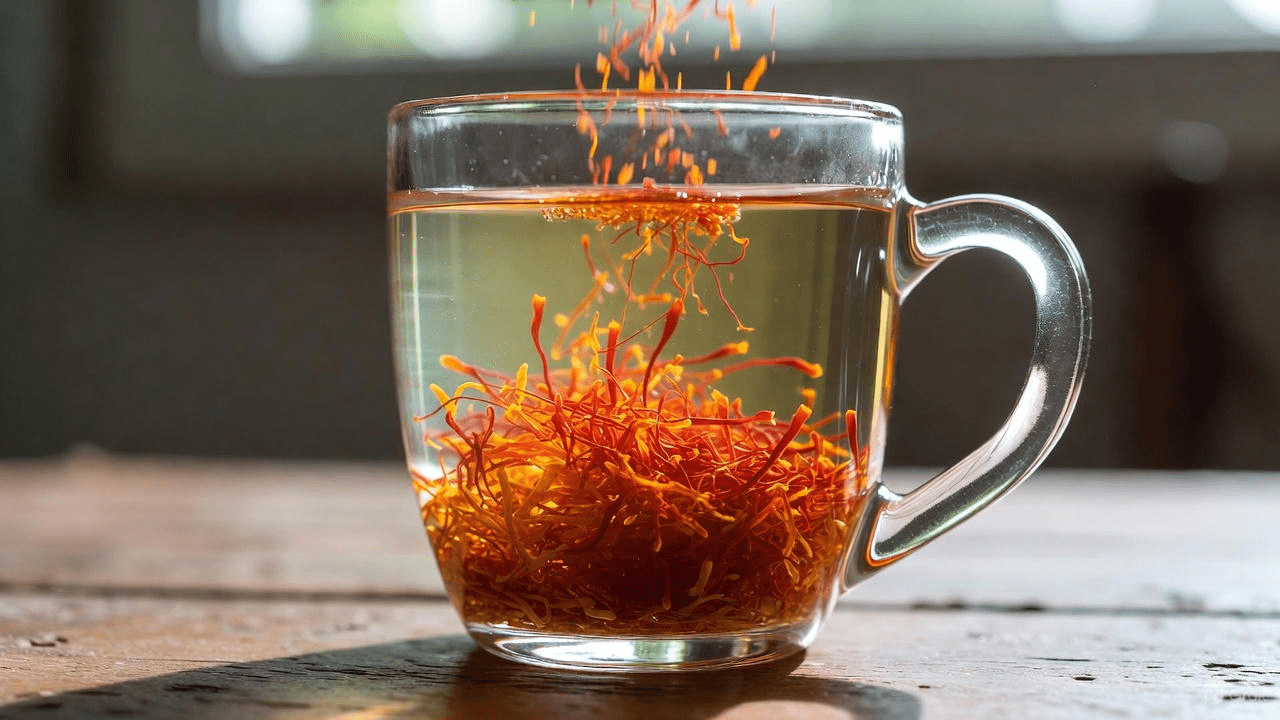
- Take 10-15 high-quality saffron threads (roughly 20 mg).
- Place them in a glass or mug.
- Pour in 1 cup (8 oz) of warm water (not boiling—around 170-180°F to preserve compounds).
- Let it steep for 10-15 minutes, stirring occasionally. The water will turn a beautiful golden hue.
- Drink it plain, or add a touch of honey or lemon for flavor.
Enjoy this once daily, perhaps in the morning or evening. It’s soothing, caffeine-free, and fits seamlessly into most routines.
Other Easy Incorporation Ideas
- Add steeped saffron water to herbal tea or smoothies.
- Sprinkle a few threads into rice, soups, or oatmeal.
- Use it in golden milk (warm milk with a pinch of saffron and turmeric).
Start small and choose pure, reputable saffron to ensure quality.
Tips to Maximize Eye Health Support Naturally
While exploring saffron, combine it with proven habits for better results:
- Eat plenty of leafy greens, berries, and omega-3-rich foods.
- Protect your eyes from UV light with sunglasses.
- Take regular screen breaks (20-20-20 rule: every 20 minutes, look 20 feet away for 20 seconds).
- Stay active and manage blood sugar and pressure.
- Schedule annual eye exams.
These steps together create a strong foundation for long-term vision comfort.
Conclusion: A Small Step Toward Healthier Eyes
Incorporating just one simple ingredient like saffron into your day—through a soothing glass of infused water—could be an easy way to support your eye health naturally. Backed by promising research on its antioxidant power, it’s a gentle addition worth considering.
Remember, consistency matters, and pairing it with healthy habits amplifies the potential. Many people find this small ritual enjoyable and empowering.
Frequently Asked Questions
How long does it take to notice any benefits from saffron for eyes?
Studies often show initial changes in retinal function within 3 months of daily use, with sustained effects over longer periods. Individual experiences vary.
Is saffron safe for everyone to try daily?
In moderate amounts (20-30 mg/day), it’s generally well-tolerated. However, consult your doctor if pregnant, breastfeeding, or on medications.
Can I use cooking saffron or do I need supplements?
High-quality culinary saffron works fine for infusions. Supplements offer standardized dosing but choose third-party tested brands.
Disclaimer: This article is for informational purposes only and not intended as medical advice. Saffron may support eye health through its natural properties, but it does not diagnose, treat, cure, or prevent any disease. Always consult a healthcare professional before starting any new dietary practice, especially if you have existing health conditions.