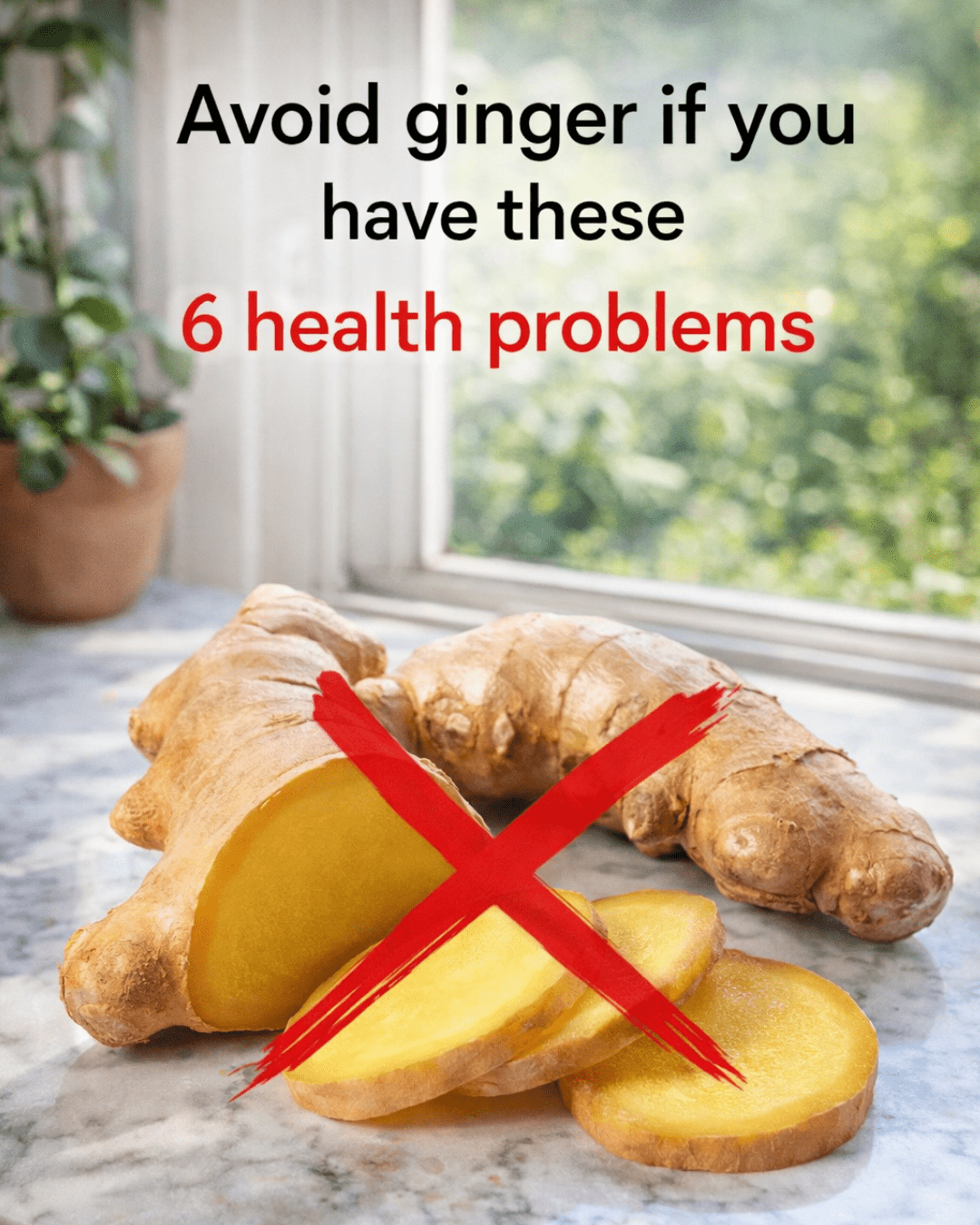
When Might You Want to Limit or Avoid Ginger? 6 Situations Doctors Often Discuss with Patients

Ginger is a popular spice many people enjoy in teas, meals, and supplements for its warm flavor and potential supportive effects on digestion. Yet, like many foods and herbs, it isn’t suitable for everyone in larger amounts. Some individuals notice discomfort or interactions that make them rethink how much ginger they consume daily. If you’ve ever wondered why experts sometimes suggest caution, you’re not alone—keep reading to understand the common scenarios where moderating ginger intake could make sense. And toward the end, there’s a simple tip that might surprise you about enjoying ginger more safely.
Why Ginger Can Sometimes Cause Issues
Ginger contains active compounds like gingerol that give it its distinctive taste and properties. In moderate, food-based amounts (like in cooking or tea), most people tolerate it well. But higher doses—often from supplements—can lead to mild side effects such as heartburn, gas, or stomach upset, according to sources like the National Center for Complementary and Integrative Health (NCCIH).
The key is individual factors: certain health situations or medications can amplify ginger’s natural effects, like its influence on blood flow or bile production. Research shows these effects are usually mild, but awareness helps avoid unnecessary discomfort.
But that’s just the start…
6 Common Situations Where Caution with Ginger Is Recommended
Experts from reliable sources like WebMD, Mayo Clinic, and Memorial Sloan Kettering Cancer Center often highlight these scenarios. Here’s a breakdown:
1. If You’re Taking Blood-Thinning Medications
Ginger may have mild blood-thinning properties, similar to how it affects platelet function in some studies. This could potentially increase bleeding risk when combined with medications like warfarin, aspirin, or clopidogrel.
- Studies suggest ginger might enhance the effects of these drugs.
- Doctors typically advise discussing intake with your healthcare provider.
- Even small amounts are usually fine in food, but supplements warrant extra caution.
This is one of the most frequently mentioned interactions.
2. Before Upcoming Surgery
Due to the same potential blood-thinning effects, many healthcare professionals recommend stopping ginger supplements at least 1-2 weeks before surgery.
- It could contribute to prolonged bleeding time.
- Post-surgery, resuming too soon might also pose concerns.
- Always inform your surgical team about any herbs or supplements you’re using.
Planning ahead keeps things straightforward.
3. If You Have Gallstones or Gallbladder Concerns
Ginger stimulates bile flow, which aids digestion for many—but this can be problematic for those with gallstones.
- Increased bile production might trigger discomfort or complications.
- Sources like NCCIH and peer-reviewed reviews note this as a reason for caution.
- If you’ve had gallbladder issues, it’s worth checking with a doctor.
Not everyone experiences this, but it’s a common flag.
4. During Certain Stages of Pregnancy
While small amounts of ginger (like in tea) help many with morning nausea, higher doses raise questions.
- Some observational data links very high intake to potential risks.
- Guidelines often suggest limiting to 1 gram per day and consulting a provider.
- Food amounts are generally considered safe, but supplements need discussion.
The truth is, moderation often works best here.
5. If You Manage Blood Sugar Levels
Ginger might influence blood sugar, potentially lowering it in some cases.
- This could interact with diabetes medications, requiring adjustments.
- Research from systematic reviews shows mixed but notable effects.
- Monitoring is key if you’re on related treatments.
Regular checks can prevent surprises.
6. If You’re Prone to Heartburn or Digestive Sensitivity
In doses over 4-5 grams daily, ginger can irritate the stomach lining.
- Common reports include heartburn, bloating, or diarrhea.
- Those with reflux or sensitive digestion notice it more.
- Starting low and observing your response helps.
Here’s the interesting part: many of these concerns tie back to dose and form.
How Much Ginger Is Generally Considered Moderate?
To put things in perspective:
| Form of Ginger | Approximate Daily Amount Often Viewed as Moderate | Notes from Reliable Sources |
|---|---|---|
| Fresh root (grated) | Up to 4 grams (about 1-2 teaspoons) | Safe for most in food |
| Dried powder | 1-2 grams | Common in teas/supplements |
| Tea (from fresh slices) | 1-2 cups | Mild and enjoyable |
| Supplements | Follow label; often 500-1000 mg | Consult provider first |
Exceeding these regularly might tip the balance toward discomfort for sensitive individuals.
Practical Ways to Enjoy Ginger Safely
If ginger appeals to you, here are actionable steps to incorporate it thoughtfully:
- Start small: Add fresh slices to hot water for tea rather than jumping to supplements.
- Track your response: Note how your body feels after consumption.
- Choose food forms: Cooking with ginger (stir-fries, soups) often provides benefits without high concentrations.
- Talk openly: Share your habits with your doctor, especially if medications are involved.
- Alternatives if needed: Turmeric or peppermint can offer similar digestive support in some cases.
These habits make it easier to benefit without overdoing it.
And here’s that surprising tip: many people find combining ginger with food (like in meals) reduces any potential stomach irritation compared to taking it alone.
Wrapping It Up: Informed Choices for Better Well-Being
Ginger remains a beloved addition to many diets, offering flavor and potential digestive comfort for most. However, in situations involving blood thinners, surgery prep, gallstones, pregnancy, blood sugar management, or sensitive digestion, limiting intake or seeking advice ensures peace of mind. By staying moderate and attentive, you can decide what works best for your routine.
Frequently Asked Questions
Is ginger safe to consume every day?
In typical food amounts (like in cooking or occasional tea), yes for most people. Higher supplement doses deserve a chat with your healthcare provider.
Can ginger interact with common medications?
It may with blood thinners or blood sugar drugs. Always disclose supplements to your doctor or pharmacist.
What if I experience discomfort from ginger?
Reduce the amount or stop, and monitor. If it persists, consult a professional to rule out other causes.
Disclaimer: This article is for informational purposes only and is not medical advice. Ginger and other herbs do not diagnose, treat, cure, or prevent any disease. Always consult your healthcare provider before making changes to your diet, especially if you have health conditions or take medications. Individual responses vary.