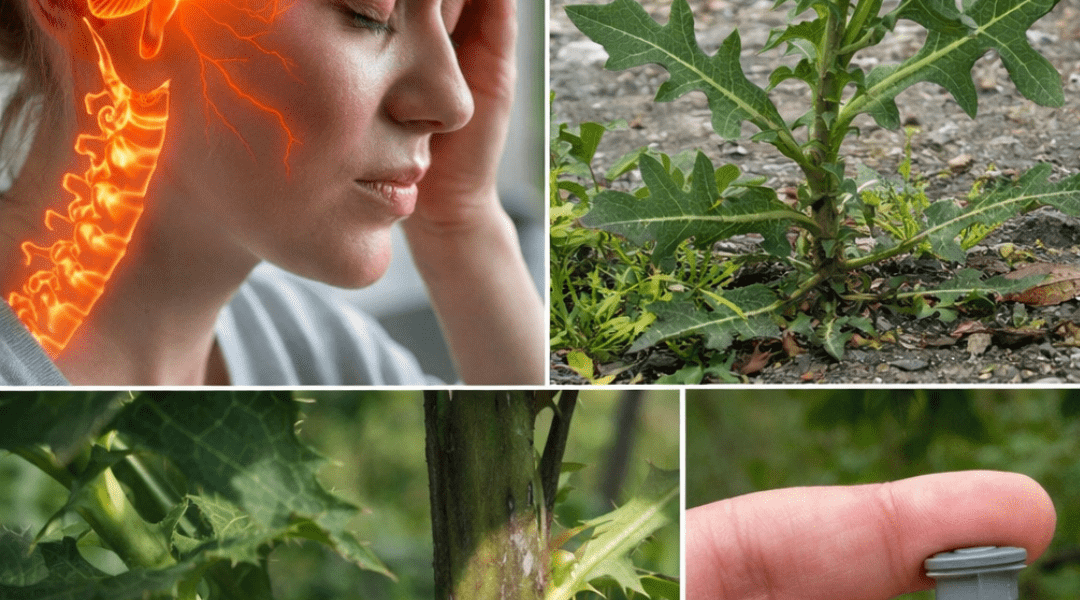
Discover the Hidden Secret of a Common Weed: Why Its Milky Sap Was Once Valued Like Silver

Walking through fields or along roadsides, you’ve probably stepped over a tall, prickly plant without a second thought. Many people dismiss it as just another weed, unaware that it hides a substance historically prized for its unique properties. This overlooked plant produces a milky sap that, in the 19th century, became so sought after it earned comparisons to precious metals due to its rarity and demand.
But that’s not the full story. Keep reading to uncover exactly what this plant is, why its sap held such value, and how people have interacted with it throughout history—you’ll be surprised by the fascinating details waiting below.
What Is This Mysterious Plant Growing Everywhere?
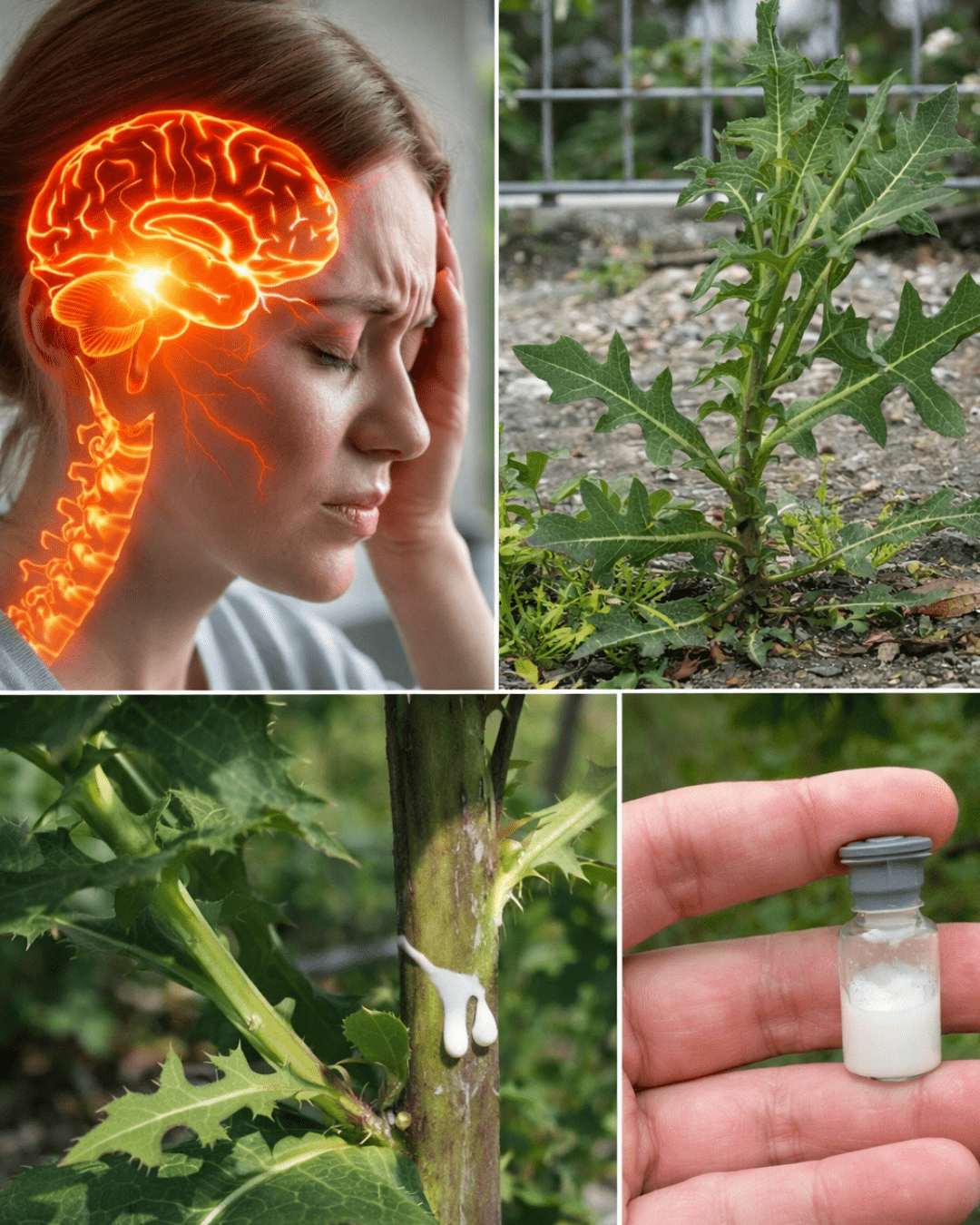
The plant in question is wild lettuce, scientifically known as Lactuca virosa. Often called bitter lettuce or opium lettuce, it belongs to the same family as common garden lettuce but grows wild in many regions worldwide.
Native to Europe and parts of Asia, it has naturalized in North America and other areas. You might spot it in disturbed soils, like roadsides, fields, or waste grounds. It thrives in sunny spots and can reach heights of up to 7 feet.
What sets it apart? When you break the stem or leaves, a white, milky sap—called lactucarium—oozes out. This sap dries into a brownish resin and has been the source of its historical intrigue.
But here’s the interesting part: not all “wild lettuce” species are the same. Lactuca virosa is the one most associated with higher concentrations of this sap, though related species like Lactuca serriola (prickly lettuce) also produce it.
Why Was the Sap Once “as Expensive as Silver”?
In the 19th century, lactucarium was harvested and dried for use as a milder alternative when stronger options were scarce. Physicians valued it highly, leading to commercial production.
Historical accounts note that collecting enough sap required repeated cuts on many plants, making pure lactucarium labor-intensive and costly. At times, its market value approached that of silver due to demand and limited supply.
Research from that era, including studies by pharmaceutical societies, identified key compounds like lactucin and lactucopicrin in the sap. These bitter sesquiterpene lactones contribute to its distinctive properties.
Today, while not literally worth silver, dried lactucarium extracts are still sold by herbal suppliers, reflecting its enduring interest.
How to Identify Wild Lettuce in the Wild
Spotting Lactuca virosa requires attention to detail to avoid confusion with look-alikes.
Here are key features:
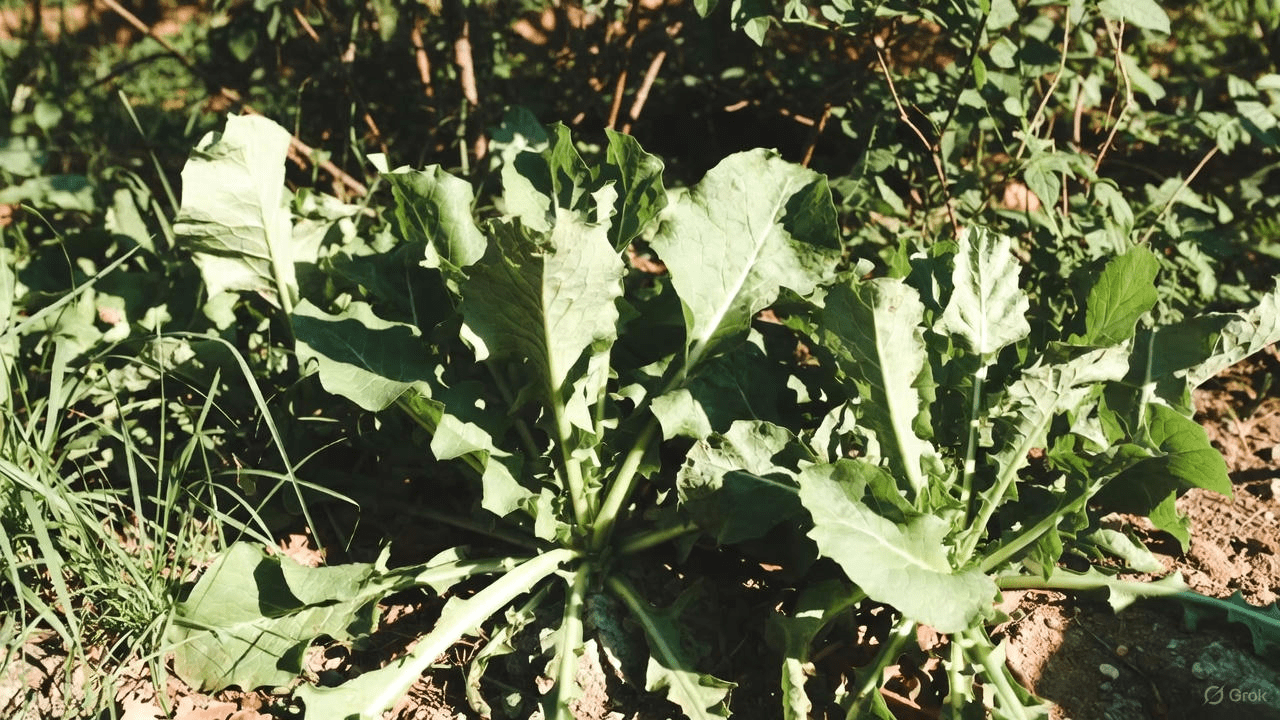
- Height and Structure: Grows tall (up to 7 feet) with a sturdy, often purple-tinged stem.
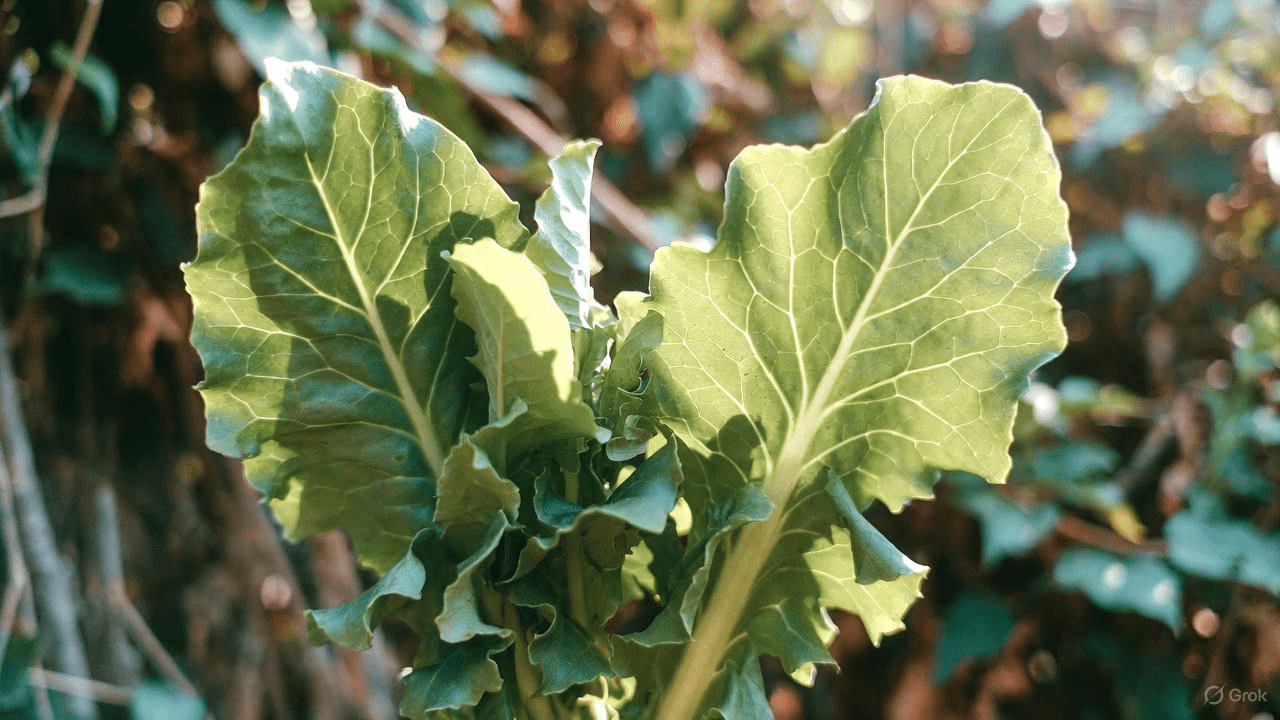
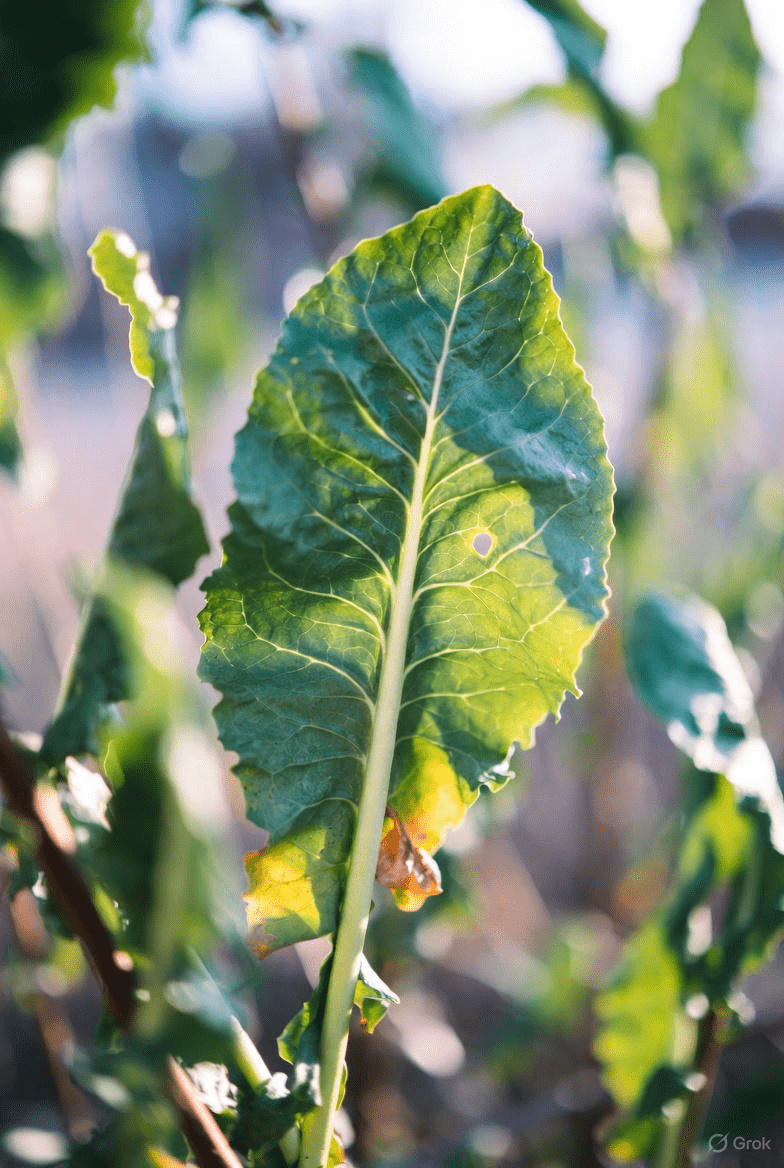
- Leaves: Broad, lobed, and spiny along the edges; bluish-green color.
- Sap: Thick, white milky latex when broken— a hallmark trait.
- Flowers: Small, yellow, similar to dandelions but in loose clusters.
- Seeds: Dark achenes with white pappus for wind dispersal.
Common confusions:
- Vs. Dandelion: Dandelions have deeply toothed, hairless leaves in a basal rosette; no tall stem until flowering.
- Vs. Sow Thistle: Similar milky sap, but leaves are shinier and less spiny.
- Vs. Prickly Lettuce (L. serriola): Very similar, but often more divided leaves and prickles on the stem.
Always confirm multiple traits before handling.
The Historical Fascination with Wild Lettuce Sap
Wild lettuce has a long backstory. Ancient Egyptians depicted it in art, and it appeared in European herbal traditions for centuries.
By the 1800s, it gained popularity as “lettuce opium”—a nickname reflecting its use in soothing preparations. Doctors turned to it when supplies of other botanicals ran low.
Studies from the early 1900s analyzed its chemistry, noting the sap’s bitter principles. Though modern medicine has moved on, herbal enthusiasts still explore its traditional role.
Animal research has examined compounds like lactucopicrin for potential calming effects, comparable in some tests to common analgesics. Human evidence remains limited, but historical use highlights its cultural significance.
Simple Ways to Explore Wild Lettuce Safely
If you’re curious about foraging, start with identification.
Here’s a step-by-step guide for basic observation:
- Locate potential plants in sunny, disturbed areas during summer.
- Check for tall growth and lobed, spiny leaves.
- Gently break a lower leaf—look for white sap.
- Note the bitter smell if present.
- Photograph and cross-reference with reliable guides.
For traditional preparations like tea:
- Use dried aerial parts from reputable sources.
- Steep 1-2 teaspoons in hot water for 10 minutes.
- Start with small amounts to observe personal response.
Many prefer ready-made tinctures or dried herbs from herbal shops for consistency.
Key Compounds in Wild Lettuce: A Quick Overview
Wild lettuce contains several naturally occurring substances that have drawn scientific interest.
| Compound | Description | Notes from Research |
|---|---|---|
| Lactucin | Bitter sesquiterpene lactone | Studied for potential sedative effects in animals |
| Lactucopicrin | Another key bitter principle | Shown analgesic activity in lab tests |
| Flavonoids | Plant antioxidants | Common in Asteraceae family |
| Latex (Lactucarium) | Dried milky sap | Historical base for extracts |
Research indicates these contribute to the plant’s traditional profile, though more studies are needed.
- Promotes interest in natural botanicals
- Highlights historical herbal knowledge
- Encourages safe foraging practices
- Supports understanding of plant chemistry
Modern Interest and Ongoing Research
Today, wild lettuce appears in herbal supplements as teas, capsules, or extracts. People explore it for relaxation support, often combining with other calming herbs.
Limited animal studies suggest compounds may influence nerve activity, but experts emphasize the need for more human research.
Organizations like botanical societies continue to document its ethnobotanical uses worldwide.
Practical Tips for Responsible Engagement
If interested:
- Source from trusted herbal providers.
- Begin with low doses.
- Monitor how your body responds.
- Avoid combining with sedating substances.
- Consult a healthcare professional, especially if on medications.
Foraging tip: Harvest sustainably—take only what you need and leave plants intact.
Conclusion: A Weed with a Rich Story
Wild lettuce reminds us that common plants can hold surprising histories. From its ubiquitous growth to the once-precious sap, it bridges ancient traditions and modern curiosity.
Whether you’re a forager, herbal enthusiast, or just intrigued by nature’s secrets, understanding plants like this enriches our connection to the environment.
Next time you spot a tall, spiny weed with milky sap, you’ll know its hidden tale.
Frequently Asked Questions
Is wild lettuce the same as regular garden lettuce?
No. While related, wild varieties like Lactuca virosa are taller, bitterer, and produce more concentrated sap.
Can anyone forage wild lettuce safely?
Identification is key. Use guides, apps, or join local foraging groups. Start with experts if new to it.
Where does wild lettuce grow best?
In temperate regions, on disturbed soils like roadsides or fields. It’s common in Europe, North America, and parts of Asia.
Disclaimer: This article is for informational purposes only and does not provide medical advice. Wild lettuce may cause side effects or interactions. Always consult a qualified healthcare professional before using any herb or supplement, especially if pregnant, nursing, or taking medications. Foraging involves risks; proper identification is essential to avoid toxic look-alikes.