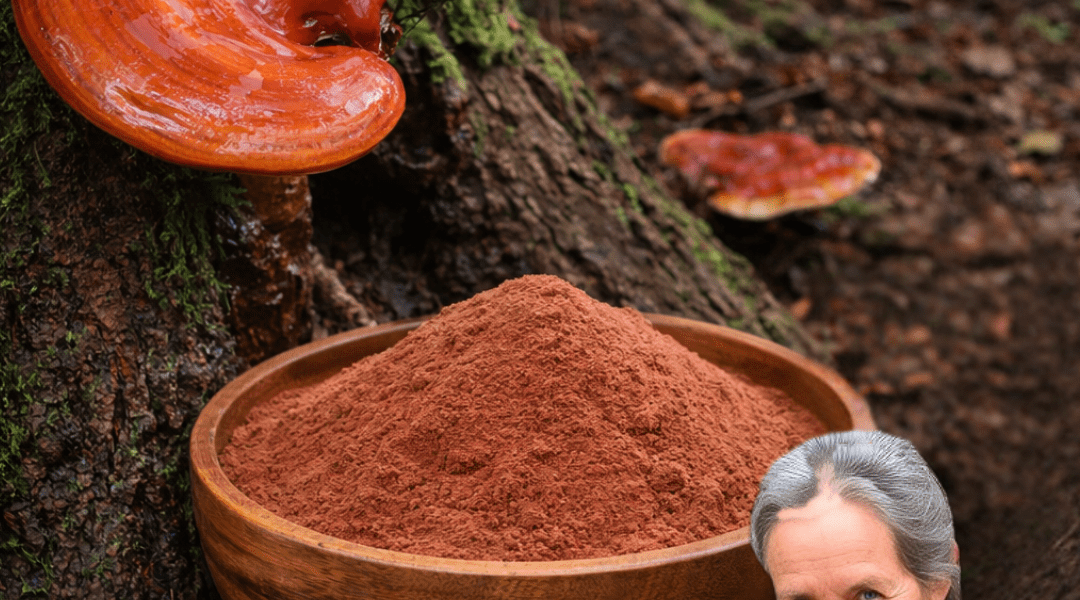
Have You Ever Walked Past This Stunning Red Mushroom Growing on a Tree Without Realizing Its Potential for Everyday Wellness?

Many of us love spending time in nature, hiking through forests or simply enjoying a walk in the woods, yet we often overlook some of the most fascinating natural treasures right in front of us. That glossy, reddish-orange bracket fungus clinging to tree trunks or stumps might seem like just another part of the landscape, making us pass by without a second thought. The truth is, this overlooked mushroom has been valued for centuries in traditional practices for supporting overall well-being, and modern interest is growing as people discover simple ways to incorporate it into daily routines. But here’s the exciting part: there’s an easy, at-home method to unlock its potential that you’ll wish you knew sooner—keep reading to find out.
What Exactly Is This Eye-Catching Mushroom?
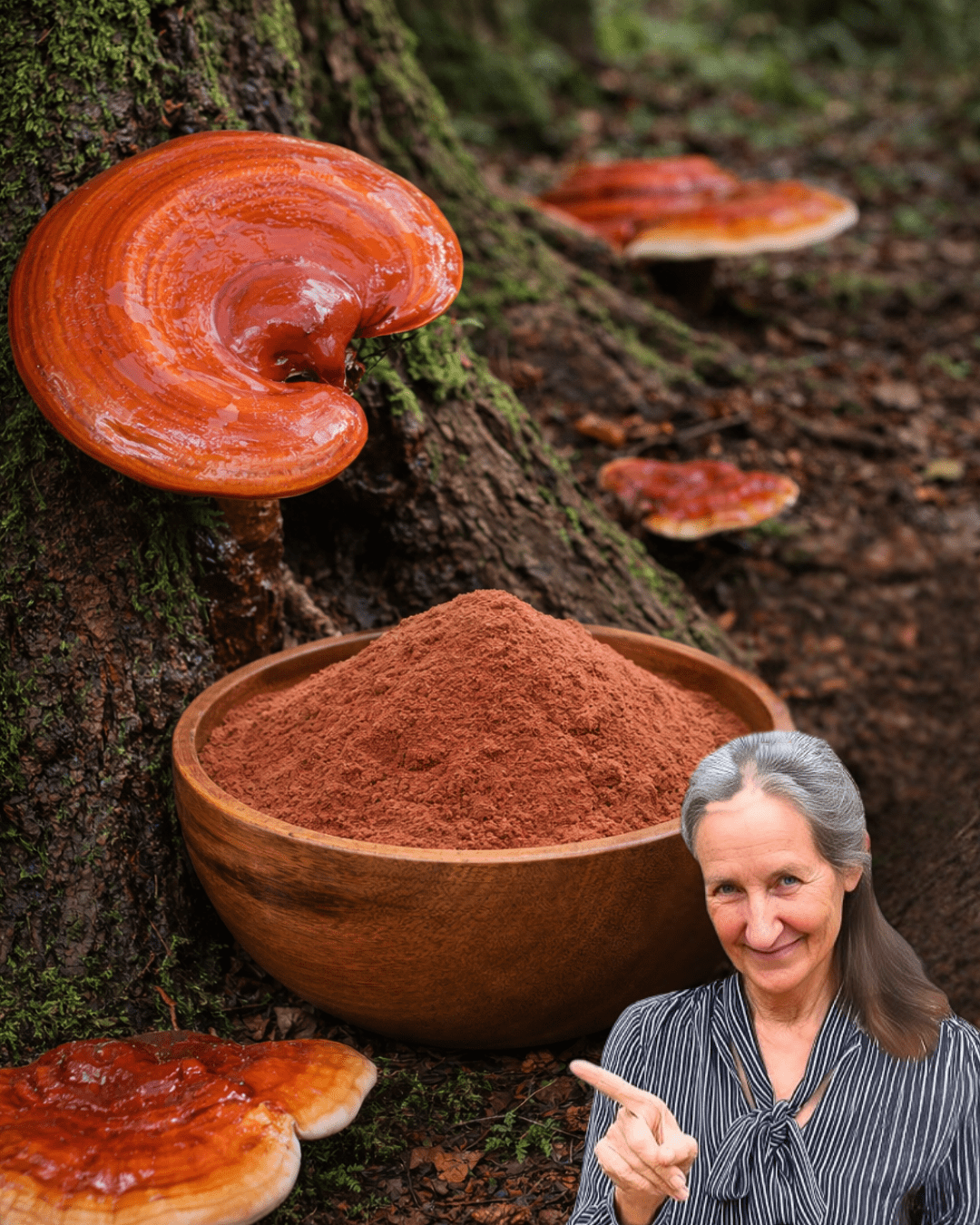
The mushroom in question is commonly known as Reishi, scientifically referred to as Ganoderma lucidum or related species like Ganoderma tsugae. It’s a polypore fungus with a distinctive shiny, varnished appearance on top, often in shades of red, orange, or brown, and a porous underside instead of gills.
Reishi typically grows on hardwood trees (like oaks or maples) or occasionally conifers, appearing as shelf-like brackets on trunks, stumps, or fallen logs. In the wild, it’s more common in humid, forested areas across Asia, Europe, and North America.
Its unique look—no stem, fan or kidney-shaped cap, and that lacquered sheen—makes it stand out once you know what to spot. Research highlights its rich content of bioactive compounds, including polysaccharides and triterpenes, which have sparked interest in its role as a functional food.
But that’s not all—Reishi has a long history of use in Asian traditions as a tonic for promoting vitality and balance.
How to Spot Reishi in the Wild: Key Identification Tips
Identifying Reishi safely is straightforward with a few key features in mind.
Here are the main characteristics to look for:
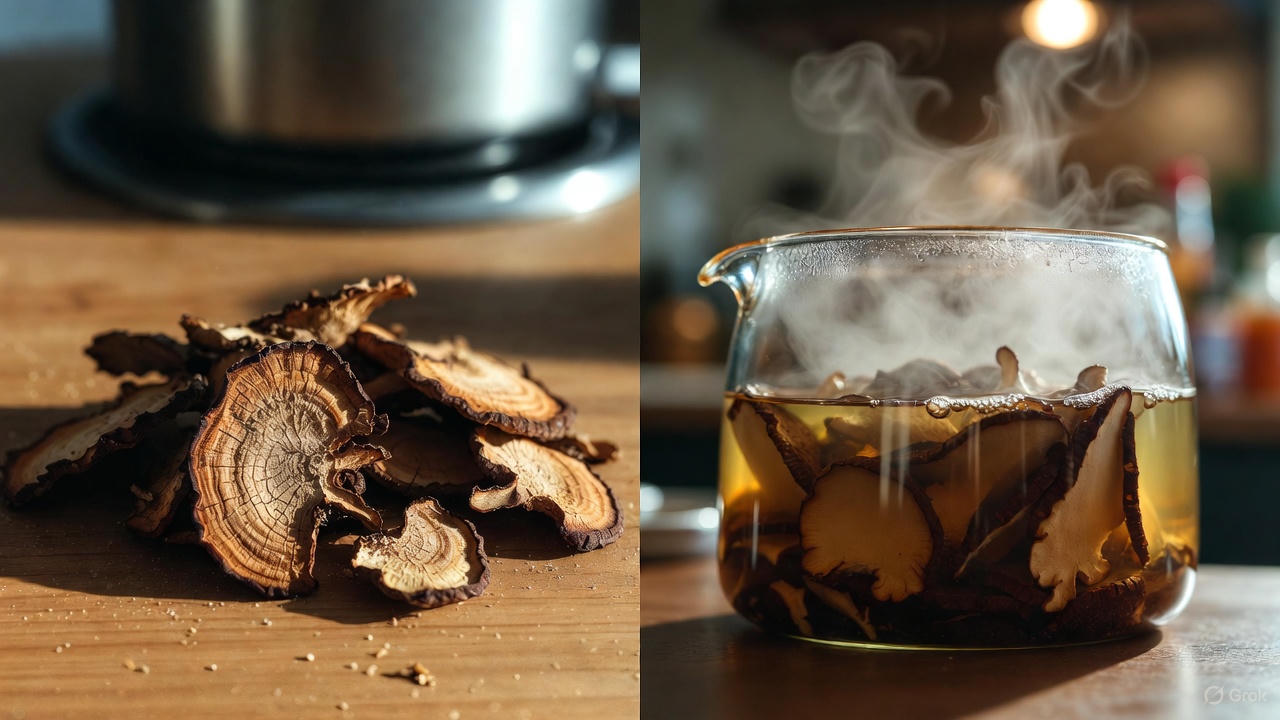
- Shape and Size: Shelf-like or kidney-shaped caps, often 4–12 inches wide, growing horizontally from wood.
- Color: Shiny red to reddish-brown when young, fading to darker brown with age; white or cream edges while actively growing.
- Surface: Glossy, varnished look on top (like it’s been painted); underside is white to cream with tiny pores (not gills).
- Texture: Tough and woody—definitely not soft like edible culinary mushrooms.
- Habitat: Exclusively on trees, stumps, or buried roots; never directly from soil.
Always cross-reference with reliable guides and avoid harvesting if unsure. Similar species exist, but true Reishi lacks poisonous look-alikes.
This is the part that’s truly fascinating: while wild Reishi can be harvested sustainably, high-quality dried slices or powder are widely available for convenience.
Why Has Reishi Been Called the “Mushroom of Immortality” for Centuries?
In traditional Chinese and Japanese practices, Reishi (known as Lingzhi or Mannentake) has been revered for over 2,000 years as a symbol of longevity and well-being.
Ancient texts describe it as a “superior herb” for harmonizing body and mind.
Today, preliminary studies suggest it may support immune function through its beta-glucans, act as an antioxidant, and help the body adapt to stress—qualities that align with its adaptogenic reputation.
Research, including reviews from sources like NCBI and Healthline, notes potential benefits for reducing fatigue, supporting healthy inflammation responses, and promoting relaxation.
Of course, more human studies are needed, but the growing body of evidence explains its popularity in wellness routines worldwide.
Experts like Tero Isokauppila, founder of a leading mushroom wellness brand, emphasize Reishi’s calming properties, often recommending it for evening use.
Simple Ways to Incorporate Reishi Into Your Daily Routine
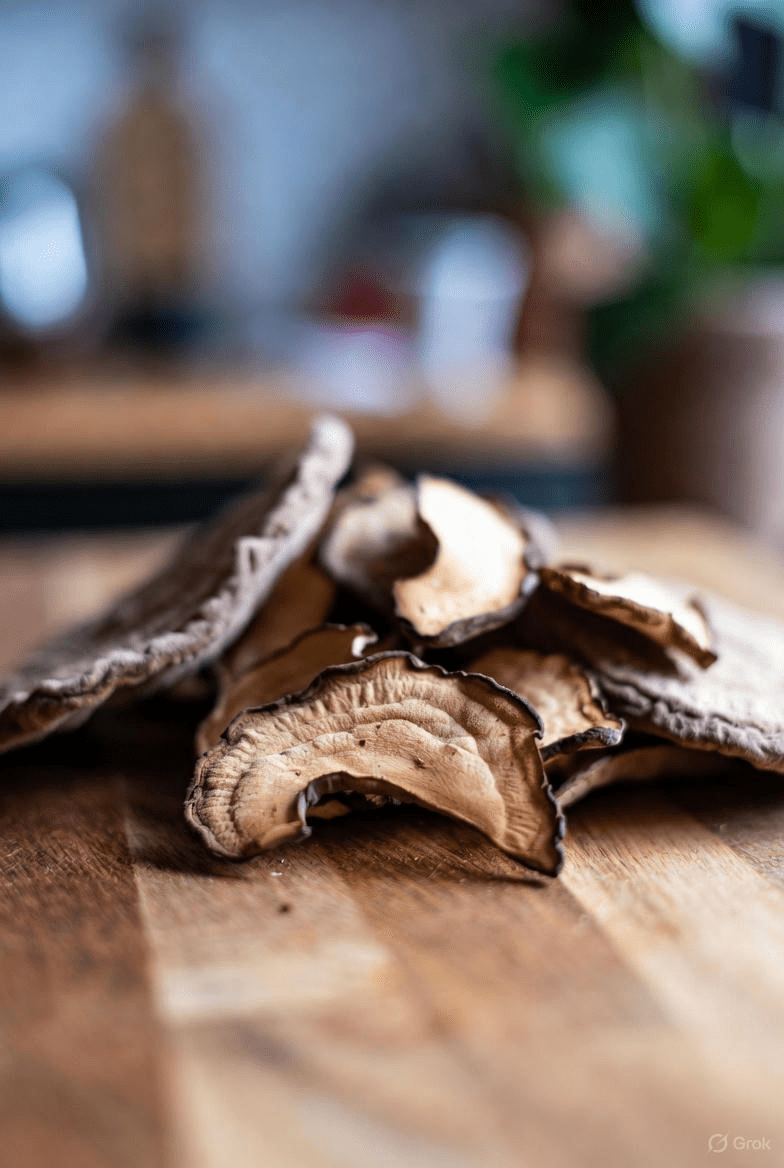
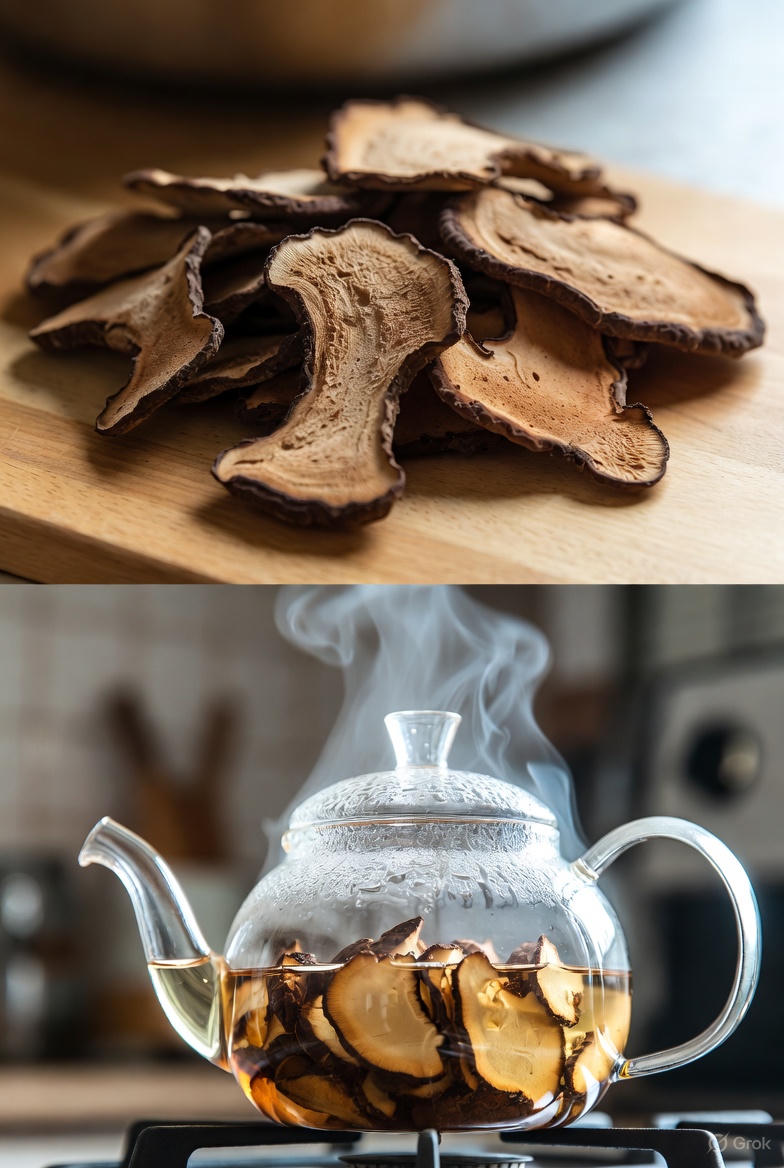
One of the easiest and most traditional methods is brewing Reishi into a soothing tea.
Because of its tough texture, long simmering extracts the beneficial compounds effectively.
Here’s a straightforward step-by-step guide to making Reishi tea at home:
- Start with 5–10 grams of dried Reishi slices (or 1–2 teaspoons of powder).
- Break slices into smaller pieces if needed.
- Add to 4–6 cups of water in a pot.
- Bring to a boil, then reduce to a low simmer for 30–60 minutes (longer for stronger brew).
- Strain the liquid (discard or compost solids).
- Enjoy 1–2 cups daily, perhaps sweetened with honey or mixed with herbal teas for better taste.
Reishi has a naturally bitter flavor, so blending with cinnamon, ginger, or cacao can make it more enjoyable.
You can also add powder to smoothies, coffee, or soups.
Consistency is key—many people notice subtle shifts in energy and calm after regular use over weeks.
Comparing Reishi Forms: Which One Is Right for You?
To help you choose, here’s a quick comparison:
| Form | Pros | Cons | Best For |
|---|---|---|---|
| Dried Slices | Traditional, cost-effective | Requires brewing time | Tea enthusiasts |
| Powder | Convenient, versatile | Can be bitter if not blended | Smoothies, quick additions |
| Capsules | Precise dosing, no taste | Less “hands-on” experience | On-the-go routines |
| Tea Bags | Easy prep | May be less potent | Beginners |
Studies often use extracts equivalent to 1–9 grams daily, but start low and listen to your body.
Conclusion: A Natural Treasure Worth Exploring
Reishi’s striking appearance and longstanding traditional use make it a standout in the world of functional mushrooms. From supporting immune health and antioxidant activity to promoting relaxation, it’s no wonder so many are turning to this ancient fungus for modern wellness. With simple preparation methods like tea, it’s easier than ever to add to your routine—and that surprising “recipe” is just the beginning of what this mushroom offers.
FAQ
1. Is Reishi safe for daily use?
Most people tolerate Reishi well in moderate amounts, but start with small doses. Those on medications or with health conditions should consult a healthcare provider.
2. Where can I find high-quality Reishi?
Look for organic, reputable sources selling dried mushrooms, powder, or extracts. Wild foraging is rewarding but requires proper identification.
3. Does Reishi taste good?
It’s naturally bitter, but blending with sweeteners or spices transforms it into a pleasant ritual—many grow to enjoy its earthy depth.
Disclaimer: This article is for informational purposes only and not intended to diagnose, treat, cure, or prevent any disease. Always consult a qualified healthcare professional before adding new supplements to your routine, especially if pregnant, nursing, or taking medications.
(Word count: approximately 1,350)