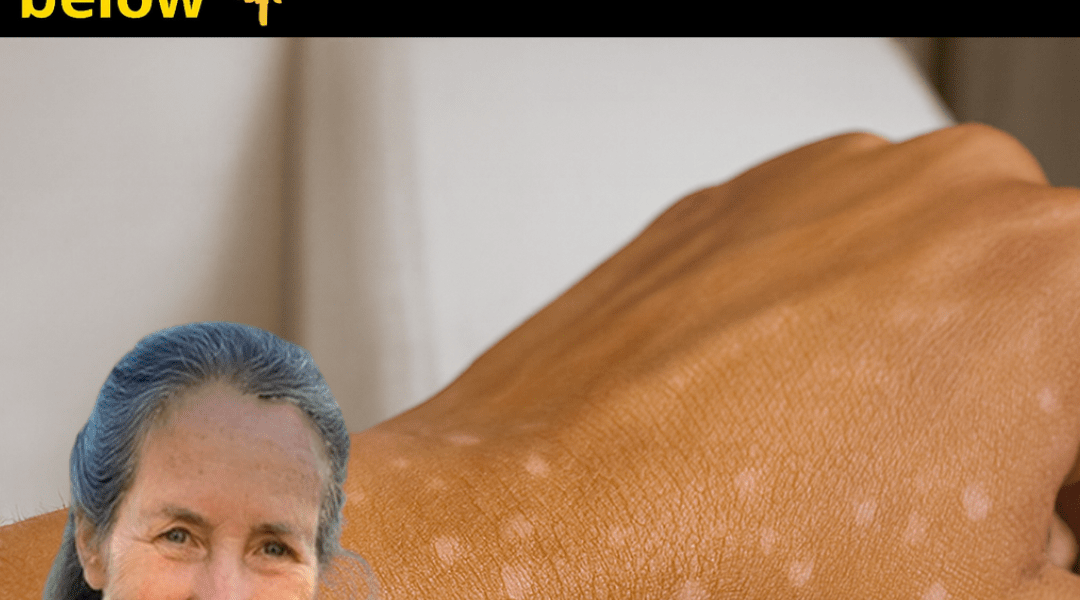

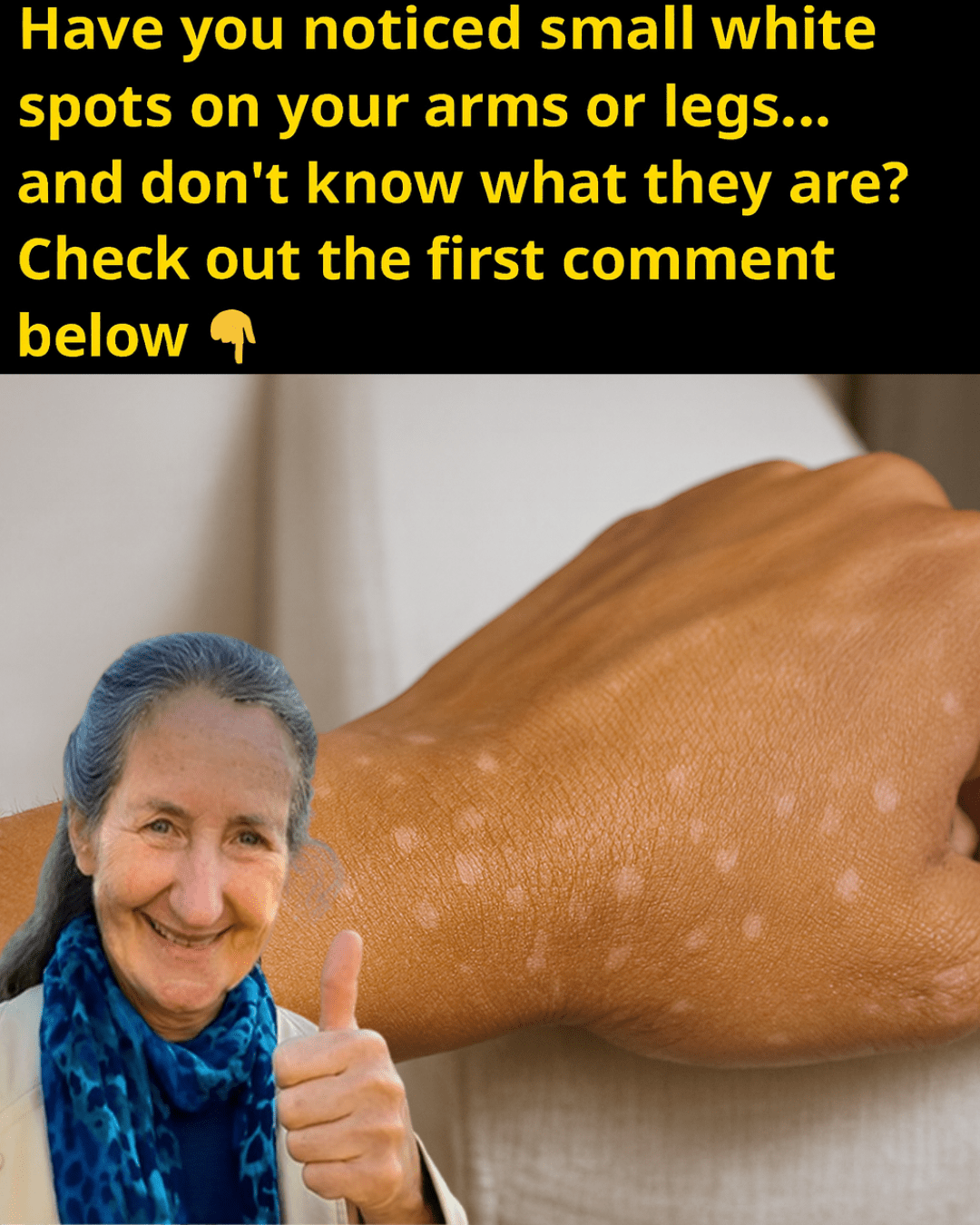
Have you ever glanced down at your arms or legs, noticed tiny white spots scattered across your skin and felt a little jolt of panic?
They don’t itch, they don’t hurt, but they are there every time you look. Are they a sign of something serious? Are they permanent? Did you do something wrong with your skin care or your diet?
If those questions sound familiar, you are not alone. Many adults start to see small white or lighter patches on their skin as they get older, spend more time in the sun, or go through hormonal changes. Most of the time, these spots are not dangerous, but it is completely natural to feel worried or even embarrassed when you do not know what is causing them.
In this article, we are going to slow things down and walk through what those white spots might be, why they appear, what is usually harmless and what deserves a closer look from a professional. By the end, you will understand the most common explanations and feel more prepared to talk with a doctor or dermatologist if you need to.
This is general information only and not a diagnosis. Any change in your skin should be checked by a qualified health professional, especially if it spreads quickly, changes in appearance, or is bothering you.
Why You Might Be Seeing Small White Spots In The First Place
Your skin gets its color from a natural pigment called melanin, produced by cells known as melanocytes. When those cells are working evenly, your skin tone looks uniform. When they produce more or less melanin in certain areas, you see darker or lighter patches.
Small white or pale spots usually mean one of two things is happening
Your skin has lost some pigment in those tiny areas
Something has gently damaged the outer layer of the skin, making it look lighter, drier, or flaky
Both situations can come from many different causes. Some are linked to sun exposure and aging, some to harmless skin conditions, and a few to medical issues that need treatment.
Understanding the pattern, size, and feel of the spots is a big clue. Are they like tiny drops of white paint scattered over sun-exposed skin? Are they larger patches with clear borders? Are they dry and flaky? These details help a doctor work out what is going on.
A Very Common Cause In Adults Idiopathic Guttate Hypomelanosis
One of the most frequent reasons for small white spots on the arms and legs, especially in middle-aged or older adults, is something with a complicated name idiopathic guttate hypomelanosis, often shortened to IGH.
Despite the scary name, IGH is considered harmless. Here is what typically characterizes it
The spots are small, usually between two and five millimeters across
They tend to appear on areas that get a lot of sun, such as the shins, forearms, and sometimes the shoulders
They do not itch, burn, or hurt
They are flat, not raised, and the skin usually feels normal to the touch
Over time, more spots may appear, and once they are there, they tend to stay
Doctors are not completely sure why IGH develops. It seems to be related to long-term sun exposure and the natural aging of the skin. Think of it as the skin’s way of showing its history in the sun, like tiny white “freckles” instead of dark ones.
While IGH is considered cosmetic and not dangerous, many people dislike the way it looks. A dermatologist can suggest options such as sun protection, gentle topical treatments, or professional procedures that may help blend the spots with the surrounding skin. Those approaches should always be guided by an expert, as not every method suits every skin type.
Other Possible Explanations For White Spots On Your Skin
Not every white spot is IGH. There are several other common conditions that can cause similar changes. Only a professional can tell you which one you may have, but it helps to know the possibilities.
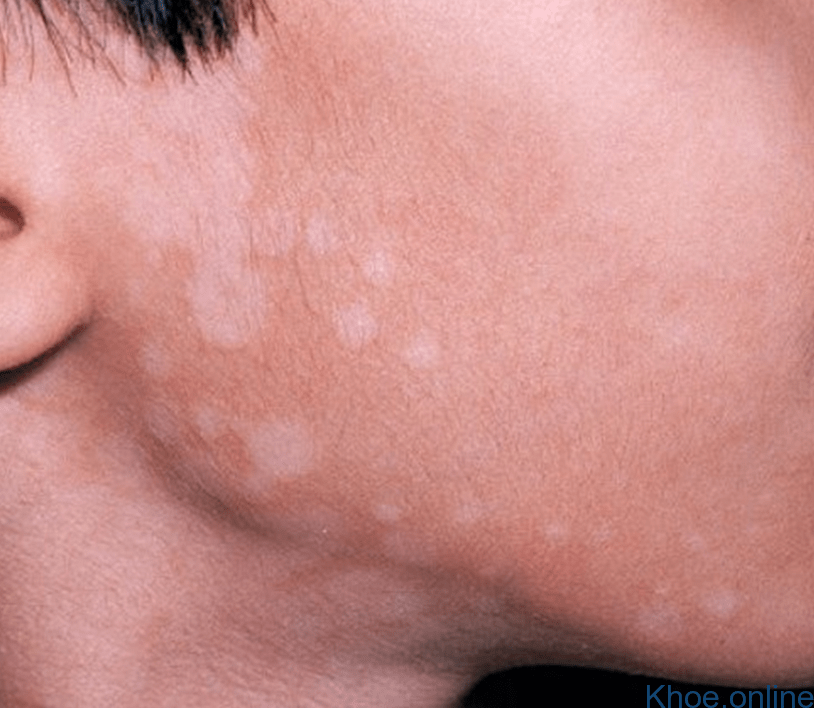
Pityriasis Alba
This condition is more common in children and teenagers but can appear in adults as well. It often shows up as pale, slightly dry patches on the face, neck, or upper arms.
The spots may begin as a light pink or slightly red area that then fades to a pale or whitish patch
The borders are often soft and not sharply defined
The skin may be a little rough or flaky
Pityriasis alba is usually associated with dry skin and sometimes with conditions like eczema. Good moisturising and gentle skin care often improves it, but a doctor can recommend suitable creams if needed.
Tinea Versicolor
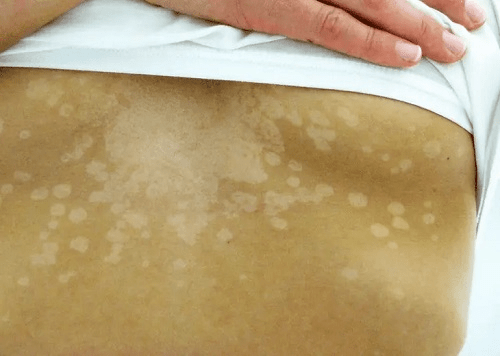
Tinea versicolor is a superficial fungal infection of the skin. It can cause both lighter and darker patches, often on the chest, back, shoulders, and upper arms.
The affected skin can look scaly or flaky
Spots may merge into larger patches
They may be more noticeable after sun exposure, when the surrounding skin tans and the affected areas stay light
While the word “fungal infection” sounds alarming, this is usually a mild condition and can often be treated with antifungal shampoos, creams, or medications prescribed by a doctor. Because it can look similar to other conditions, self-diagnosing is risky. A professional examination is important before you start any treatment.
Vitiligo
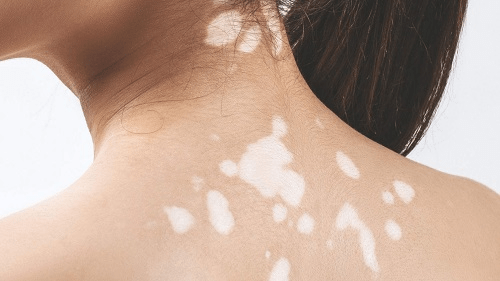
Vitiligo is a condition in which the cells that produce pigment are gradually lost in certain areas. This leads to patches of skin that are much lighter than the surrounding areas, sometimes completely depigmented.
Vitiligo patches usually have very clear, sharp borders
They may begin around the mouth, eyes, hands, feet, or joints, but can appear anywhere
Hair in the affected areas can turn white as well
Vitiligo is not contagious and not caused by anything you have done wrong. It is believed to involve the immune system and genetic factors. It can have a strong emotional impact, because changes in skin color are highly visible. Many people with vitiligo find support and guidance through dermatologists, counseling, and support groups. While there is no simple cure, there are treatments that can help reduce the contrast or slow down the spread of the patches.
Post-Inflammatory Hypopigmentation
Any time your skin has been inflamed or irritated, the healing process can lead to lighter areas. This happens after conditions like eczema, psoriasis, insect bites, burns, or even after cosmetic procedures.
The pale patches appear where the original problem was located
They may slowly regain color over months as the skin recovers
Sun exposure can make the difference more obvious, because the surrounding skin tans while the healing area stays light
Again, this is something a dermatologist can evaluate. Protecting the skin from further irritation and from sun damage is very important while it heals.
When White Spots Are Part Of Sun Damage And Aging
For many people, especially those who have spent years in strong sunlight, white spots are simply another sign of cumulative sun exposure. Just as dark age spots can appear, small pale spots can show up as well.
If you have a history of sunbathing, outdoor work, or little use of sunscreen, your skin has worked hard over the years. Some changes will be purely cosmetic, while others can be more serious. That is one more reason why regular skin checks with a professional are a wise habit, especially as you get older.
Warning Signs You Should Never Ignore
While most small white spots are not dangerous, there are certain changes in your skin that should always trigger a professional check.
See a doctor or dermatologist promptly if you notice any of the following
A spot that changes rapidly in size, shape, or color
Any patch that becomes painful, itchy, crusty, or bleeds
White patches surrounded by redness, swelling, or warmth
Spots appearing along with other symptoms such as fever, fatigue, joint pain, or unexplained weight loss
A history of skin cancer in yourself or close family members, combined with any new or unusual skin change
It is always better to ask and find out it is harmless than to wait and worry in silence.
What You Can Do At Home While You Wait To See A Professional
Even before you see a dermatologist, there are gentle steps you can take to care for your skin and prevent further damage.
Protect your skin from the sun
Use a broad-spectrum sunscreen with an appropriate SPF on exposed skin every day, even when it is cloudy. Reapply as directed, especially if you are sweating or swimming. Combine sunscreen with physical protection such as long sleeves, hats, and seeking shade during the strongest sun hours.
Be kind to your skin barrier
Avoid harsh scrubs, strong exfoliants, or aggressive treatments on the spots. Choose mild cleansers, fragrance-free moisturisers, and lukewarm water instead of very hot showers. A healthy skin barrier helps your skin look and feel better overall.
Avoid self-treating with strong products
It can be tempting to try bleaching creams, steroid creams, or intense acids you see advertised online, but using powerful products without guidance can actually make pigmentation problems worse or irritate the skin. Always talk to a professional before starting any strong treatment.
Keep a simple record
If possible, take clear photos of the spots in good light every few weeks. This can help you and your doctor see whether they are changing over time. Note any new symptoms such as itching, discomfort, or spreading.
The Emotional Side Of Seeing Changes In Your Skin
Skin is personal. It is what the world sees first, and it is what you live in all day. Even when a condition is “harmless,” it can still affect how you feel about yourself.
You might notice yourself hiding your arms or legs, avoiding certain clothes, or worrying about what other people think. These feelings are valid. Remind yourself that many adults experience small shifts in skin color, texture, or appearance over time. You are not alone, and nothing about a few white spots makes you less healthy, less attractive, or less worthy.
Talking openly with a healthcare provider, a trusted friend, or even a support community can help you process those emotions. If you ever feel that skin changes are strongly affecting your confidence or mood, consider speaking with a mental health professional. Your emotional well-being is just as important as your physical health.
How A Dermatologist Typically Evaluates White Spots
If you decide to see a skin specialist, here is what may happen during the visit
They will ask about your medical history, medications, and any family history of skin conditions
They will examine the spots closely, sometimes using a special light or a magnifying tool
In some cases, they may gently scrape the surface to check for fungal infection, or take a small sample of skin for laboratory analysis
Based on their findings, they can explain what is most likely causing the spots and what your options are
Treatment can range from “no treatment needed, just sun protection” to specific creams, antifungal products, light-based therapies, or other procedures. The important thing is that the plan is tailored to your skin and your overall health.
Questions You May Want To Ask Your Doctor
To make your appointment as helpful as possible, you can prepare a few questions, such as
What do you think is the most likely cause of these white spots
Are they dangerous in any way
Is there anything I should avoid putting on my skin
What treatments, if any, do you recommend for my situation
How long might it take to see changes
Should I come back for regular check-ups or contact you if something changes
Taking notes on the answers or having a friend with you can make it easier to remember everything later.
Living Confidently With Or Without Spots
Some people choose active treatment for white spots. Others decide to focus on protection and acceptance, especially when the spots are purely cosmetic and not a health concern. There is no single “right” choice. The best path is the one that feels respectful of your body, practical for your lifestyle, and aligned with professional advice.
You might experiment with clothing styles you enjoy, gentle self-tanning products recommended by your doctor, or simply shifting your focus from small imperfections to the many things your body allows you to do every day.
Remember your skin tells the story of your life in the sun, the years you have lived, and the experiences you have had. A few white dots on your arms or legs are simply one small chapter in that story.
The Bottom Line When You Notice Small White Spots On Your Arms Or Legs
If you have just noticed small white spots on your arms or legs and do not know what they are, do not panic. There are several common, often harmless explanations, including conditions related to sun exposure, dry skin, mild infections, or changes in pigment.
At the same time, any new or changing spot deserves respect. Protect your skin from the sun, avoid harsh self-treatments, and schedule a visit with a qualified professional for a proper evaluation. They can help you understand exactly what is happening and, if needed, guide you through safe options to manage or improve the appearance of your skin.
Your curiosity brought you here, and that is a powerful first step. The next step is simple talk to someone who can look at your skin in person and give you clear, personalised answers.
Taking that small action can turn worry into clarity, and those mysterious white spots into something you understand, manage, and no longer fear.