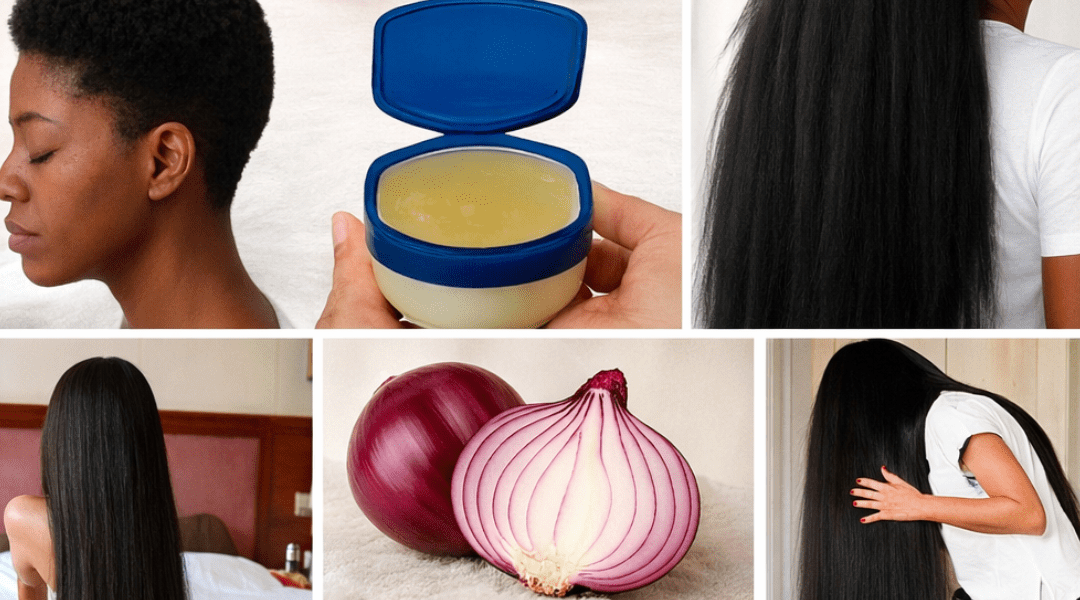
Exploring the Viral Onion and Vaseline Hair Routine: What You Need to Know About This Popular Home Remedy

Have you ever scrolled through social media and stumbled upon dramatic before-and-after photos promising rapid hair changes using everyday kitchen items? Many people feel frustrated watching their hair grow slowly or dealing with dryness that makes styling a challenge. It’s completely understandable—hair plays such a big role in how we feel about ourselves, and finding simple, affordable ways to support healthier-looking locks can feel empowering. But with so many trending remedies circulating online, it’s worth taking a closer look at what’s behind them… and there’s one detail about this particular combination that often gets overlooked until you dig deeper.
What Is the Viral Onion and Vaseline Method?
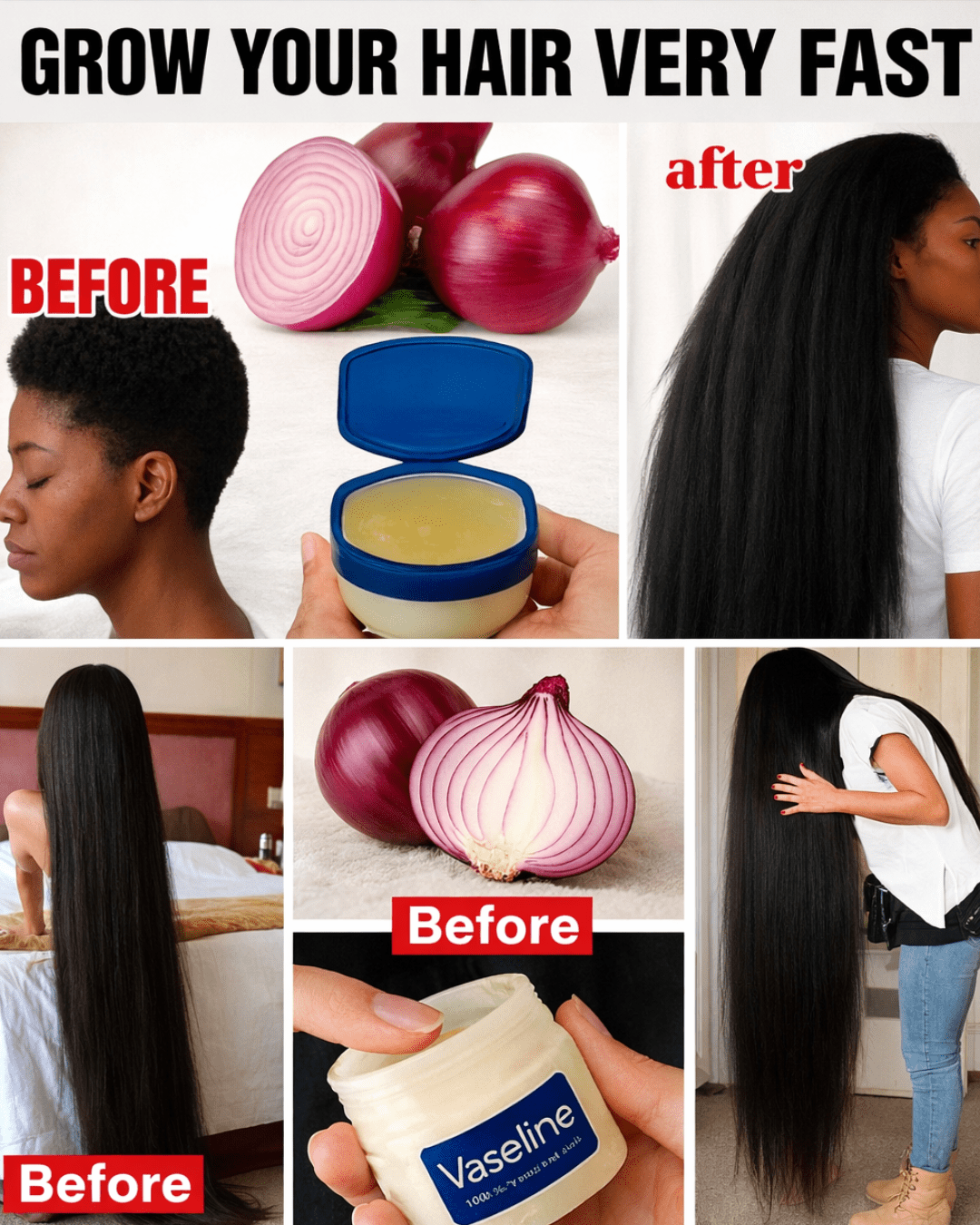
This popular home remedy involves mixing onion (often in juice form) with Vaseline (petroleum jelly) and applying it to the scalp or hair. Videos and posts claim it can nourish the scalp and lead to noticeable improvements in hair appearance.
The idea has gained traction because both ingredients are inexpensive and readily available. Onion has been part of traditional hair care in various cultures, while Vaseline is a staple for moisture-locking in skincare. But let’s break down what each one actually brings to the table based on available insights.
Why Onion Keeps Popping Up in Hair Care Discussions
Onions are packed with natural compounds like sulfur, antioxidants, and flavonoids. Sulfur, in particular, is a mineral that’s essential for building proteins like keratin—the main structural component of hair.
Some research has explored onion’s potential role in scalp health:
- A small study from 2002 looked at crude onion juice applied topically for patchy hair concerns and noted better results compared to plain water in participants.
- Researchers suggest onions’ antimicrobial and anti-inflammatory properties might help create a healthier scalp environment, which is key for maintaining strong, shiny strands.
That said, most evidence comes from limited studies, often focused on specific scalp conditions rather than general hair lengthening. Results can vary widely from person to person.
Here’s a quick overview of commonly mentioned onion properties for hair:
| Property | Potential Benefit | Supporting Notes |
|---|---|---|
| High sulfur content | Supports keratin production | Essential for hair strength |
| Antioxidants (e.g., quercetin) | May reduce oxidative stress on scalp | Helps combat environmental damage |
| Antimicrobial effects | Could soothe irritated scalp | Promotes a cleaner follicle environment |
The Role of Vaseline in Hair Routines
Vaseline is an occlusive agent, meaning it forms a barrier to help seal in moisture. It’s excellent for protecting dry skin, but on hair:
- It can smooth frizz and add shine by coating strands.
- Some use it sparingly on ends to prevent moisture loss in dry conditions.
- It might help tame flyaways or protect hair from harsh weather.
However, there’s no strong evidence that Vaseline actively stimulates follicle activity or changes growth rates. It’s more about surface-level protection than deep nourishment. Overuse can lead to buildup, making hair feel heavy or greasy.
But here’s something interesting about combining these two…
How People Are Trying the Onion and Vaseline Combo
In the viral versions, users typically:
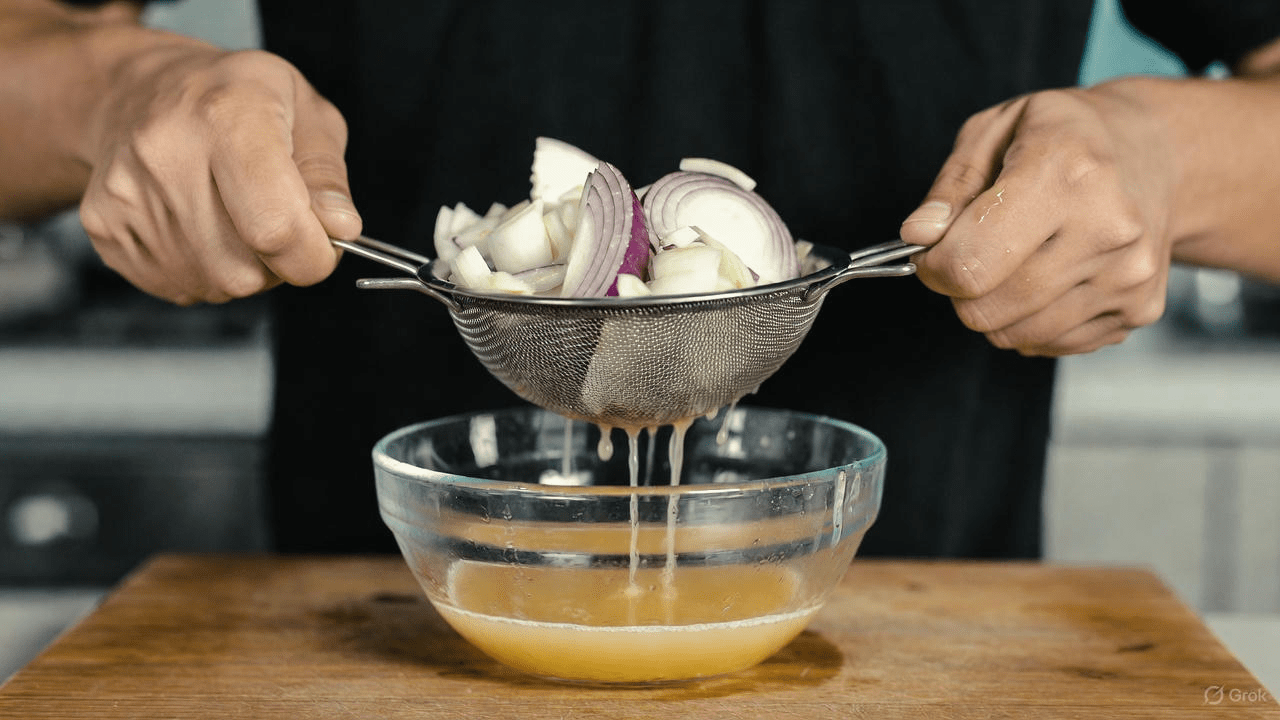
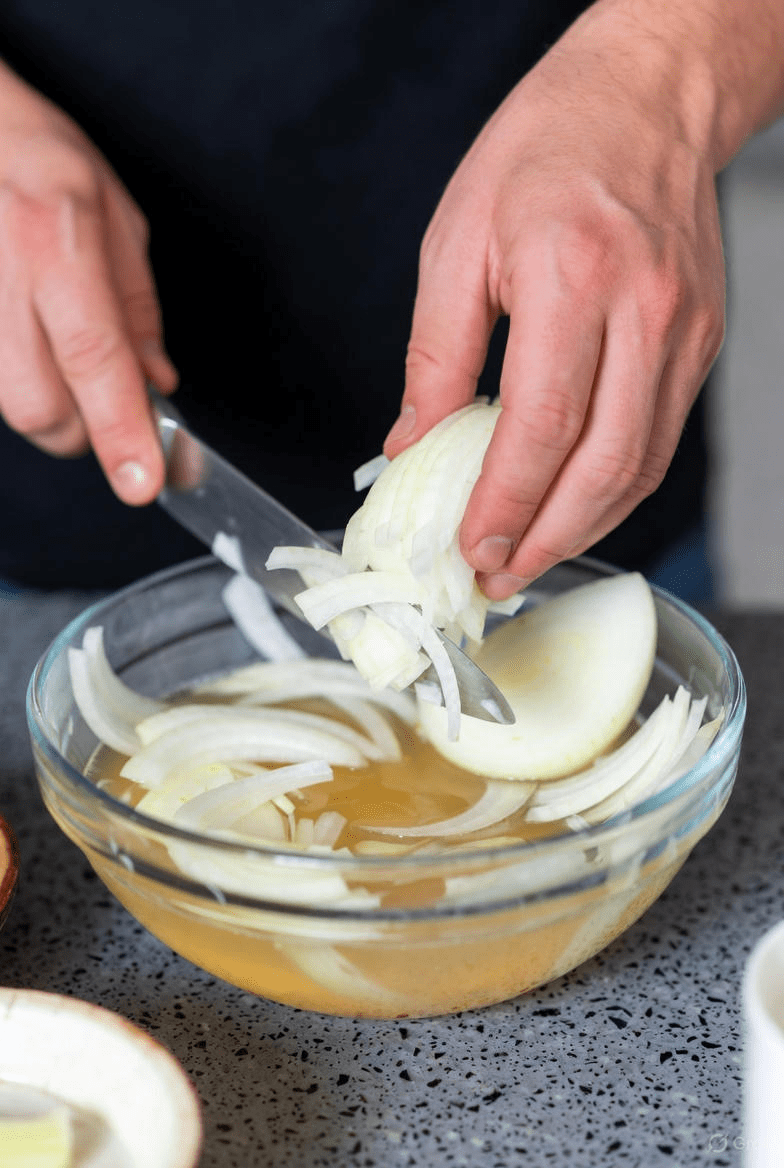
- Extract juice from fresh onions (by blending and straining).
- Mix it with a small amount of Vaseline to create a paste.
- Apply to the scalp, leave on for 30–60 minutes, then rinse thoroughly.
Proponents say the onion provides nutrients while Vaseline helps “seal” them in. It’s appealing because it’s DIY and uses household items.
The reality? While onion has some researched backing for scalp support, adding Vaseline doesn’t appear to enhance that in any proven way. In fact, the occlusive nature might trap the mixture longer, but it could also increase irritation risks for some.
Potential Benefits and Realistic Expectations
If you’re curious about natural scalp care options:
- Scalp nourishment: Onions’ compounds might contribute to a healthier scalp over time.
- Moisture retention: Vaseline can help dry hair feel softer and more manageable.
- Shine and smoothness: The combo might give a temporary glossy look.
Many who try it report enjoying the ritual, and some notice shinier hair. But dramatic daily growth claims? Average hair grows about 0.5 inches (1–1.5 cm) per month naturally—nothing accelerates that significantly without medical factors.
Research emphasizes that consistent gentle care, like massaging the scalp or using antioxidant-rich ingredients, supports overall hair health better than any single hack.
Actionable Tips If You Want to Experiment Safely
Always patch test first—apply a small amount to your inner arm and wait 24 hours for any reaction.
Basic Onion Juice Prep (Without Vaseline for Simplicity)
- Peel and chop 2–3 red onions.
- Blend into a pulp, then strain for juice.
- Apply to scalp with a cotton pad.
- Leave for 15–30 minutes, then shampoo twice.
Tips to Minimize Drawbacks
- Use 2–3 times weekly max.
- Follow with a clarifying shampoo to remove residue.
- Add honey or aloe vera to dilute and soothe.
- Rinse with apple cider vinegar water to neutralize odor.
For moisture-focused routines:
- Try lightweight oils (like coconut or argan) instead of Vaseline for sealing without heaviness.
Conclusion
The onion and Vaseline trend highlights how creative people get with natural ingredients—and it’s fun to explore what works for you. Onion shows some promise for supporting a healthy scalp thanks to its nutrient profile, while Vaseline excels at basic moisture protection. Together, they might offer a simple at-home mask for shine and softness, but they’re not a shortcut to overnight changes.
Focus on balanced nutrition, gentle handling, and patience for the best long-term results. Everyone’s hair responds differently, so listen to yours.
FAQ
1. How often should I try an onion-based routine?
Start with 1–2 times per week and monitor how your scalp feels. Overdoing it can cause irritation.
2. Will this method work for all hair types?
It may benefit dry or coarse textures more for moisture, but finer hair might feel weighed down. Always adjust based on your needs.
3. Can I reduce the onion smell?
Yes—mix with essential oils like lavender or rinse with diluted lemon juice afterward.
Disclaimer: This article is for informational purposes only and not medical advice. Results vary, and home remedies may cause irritation. Consult a healthcare professional before trying new routines, especially if you have scalp concerns.