11 Surprising Facts About Garlic You Probably Didn’t Know: Insights I Wish I’d Discovered Earlier

Garlic has been a kitchen staple for thousands of years, adding bold flavor to countless dishes while quietly offering some intriguing properties. Many people reach for it daily without realizing its rich history or the subtle ways it can support overall wellness. Yet, beneath that familiar pungent aroma lies a wealth of fascinating details backed by centuries of use and modern research. But that’s just the beginning—keep reading, because one of the most unexpected discoveries about garlic is waiting toward the end.
The Ancient Roots of Garlic That Might Surprise You
Garlic isn’t just a modern superfood—its story goes back over 5,000 years.
Historians trace its origins to Central Asia, where it was cultivated long before recorded history. Ancient Egyptians valued it so highly that they spent enormous sums feeding it to pyramid builders for strength and endurance.
Greek athletes consumed it before competitions, and Roman soldiers carried it into battle.
But here’s something lesser-known: Garlic bulbs have been found in tombs dating back to 1325 BC, including that of Tutankhamun.
Research highlights how early civilizations recognized its potential to combat fatigue.
That’s not all—garlic even played a role in folklore as a protective charm.
Why Crushing Garlic Unlocks Its True Potential
Not all garlic is created equal when it comes to its beneficial compounds.
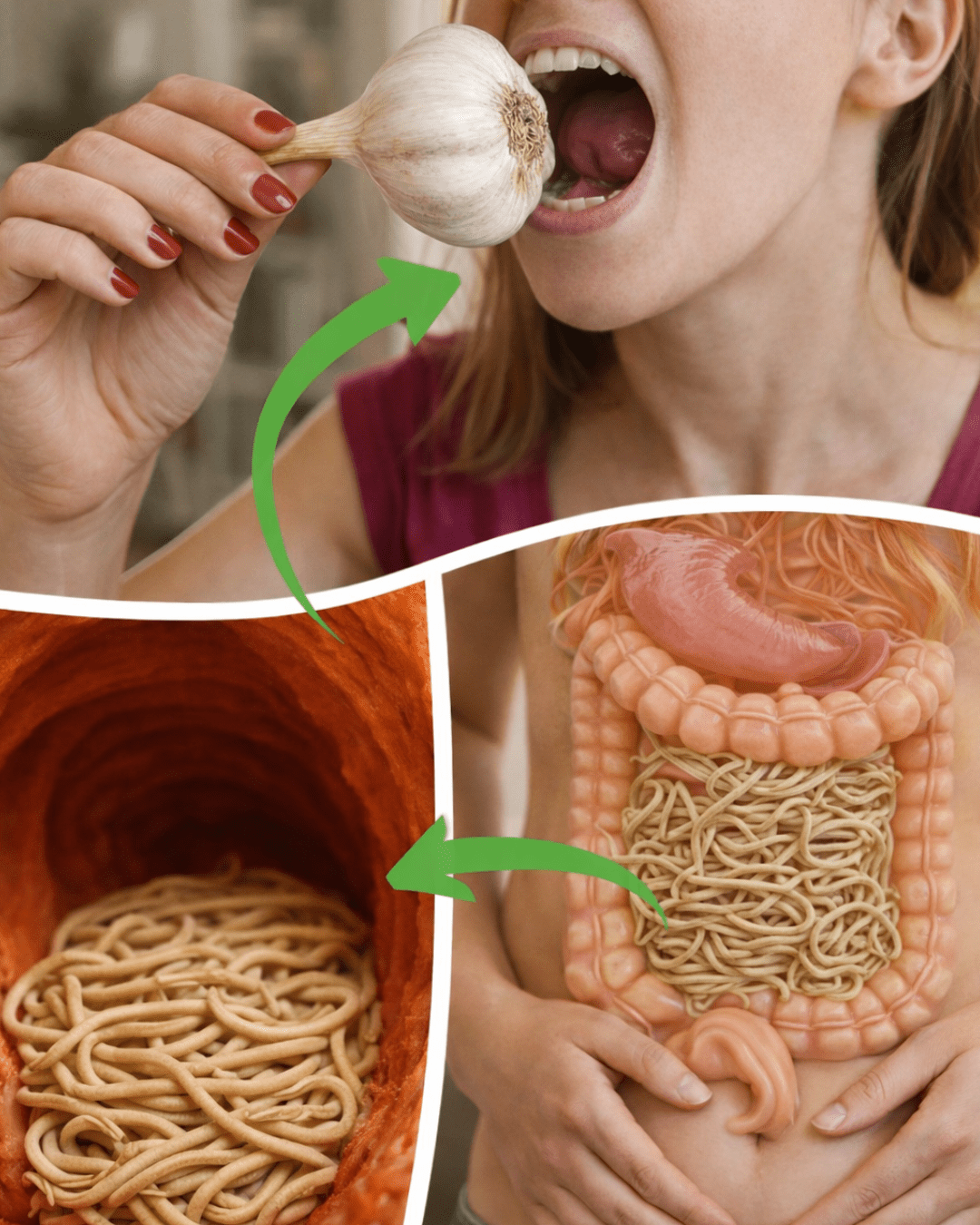
The magic happens when you chop, crush, or chew a clove.
This action triggers an enzyme called alliinase to convert alliin into allicin—the sulfur compound responsible for garlic’s distinctive smell and many of its studied effects.
Studies show allicin forms only after this mechanical disruption.
Interestingly, cooking garlic right away can reduce allicin production significantly.
For maximum benefit, let crushed garlic sit for 10-15 minutes before heating.
This simple step allows more active compounds to develop.
Garlic’s Role in Supporting Heart Health: What Studies Suggest
Heart health is a top concern for many, and garlic has been studied extensively in this area.
Research indicates that regular garlic consumption may help maintain healthy blood pressure levels in people with elevated readings.
A review of trials found supplements reduced systolic blood pressure notably.
Additionally, some studies link garlic to supporting healthy cholesterol profiles by influencing lipid metabolism.
Organosulfur compounds appear to play a key role here.
One surprising finding: Aged garlic extract has shown promise in reducing plaque buildup in arteries over time.
But remember, these effects vary, and garlic works best alongside a balanced diet.
The Antioxidant Power Hidden in Every Clove
Oxidative stress affects everyone as we age, but garlic packs a punch of antioxidants.
Compounds like S-allylcysteine help neutralize free radicals.
Animal and human studies suggest garlic supports the body’s natural defenses against oxidative damage.
This may contribute to overall cellular health.
Here’s the interesting part: Raw garlic often retains more antioxidants than heavily cooked versions.
Research also points to garlic enhancing enzymes like superoxide dismutase that combat oxidation.
That’s why incorporating fresh garlic could be a smart daily habit.
How Garlic May Bolster Your Immune Response
Getting through cold season unscathed is a common goal, and garlic has drawn attention here.
Some trials show that regular garlic intake might reduce the frequency of common colds.
One study found participants taking garlic supplements experienced fewer illnesses.
Allicin and other compounds exhibit antimicrobial properties in lab settings.
Garlic has even earned the nickname “Russian penicillin” for its historical use during shortages.
While not a guarantee, these findings make garlic a worthwhile addition to your routine.
But that’s not the only way it supports defenses—keep going.
Lesser-Known Ways Garlic Supports Detoxification
Your body naturally detoxifies daily, and garlic may lend a hand.
Studies reveal garlic compounds can help reduce heavy metal accumulation, like lead.
In one trial, garlic outperformed a drug in lowering toxicity symptoms.
It boosts enzymes involved in phase II detoxification.
Surprisingly, garlic also supports liver function in animal models.
This ties into its sulfur-rich profile, essential for glutathione production—a key detox molecule.
Garlic and Exercise: An Unexpected Connection
Athletes in ancient Greece weren’t wrong about garlic’s potential.
Modern research, though mostly in animals, suggests it may enhance performance by reducing fatigue.
Human studies are limited, but some indicate improved endurance markers.
Garlic’s anti-inflammatory effects could aid recovery.
One intriguing fact: It may increase nitric oxide, supporting better blood flow during activity.
Pair it with meals for a natural boost.
The Brain-Boosting Side of Garlic You Might Not Expect
Cognitive health matters at every age, and emerging research spotlights garlic.
Antioxidants in garlic may protect against age-related decline.
Some studies link it to reduced oxidative stress in brain tissue.
Animal research shows promise for compounds crossing the blood-brain barrier.
Interestingly, garlic consumption has been associated with better memory in certain models.
More human data is needed, but it’s a compelling area.
Garlic’s Potential in Maintaining Healthy Blood Sugar
Balanced blood sugar is crucial, and garlic shows intriguing effects.
Clinical trials suggest it may improve insulin sensitivity.
Organosulfur compounds influence glucose metabolism.
One review noted benefits in fasting blood sugar for some participants.
Raw garlic appears particularly effective in observational studies.
This makes it a flavorful option for meal planning.
Surprising Historical and Cultural Garlic Facts
Garlic’s lore is as rich as its flavor.
In medieval times, it was hung in homes for protection.
During World War I, it served as an antiseptic when supplies ran low.
But here’s a fun one: Chicago’s name derives from a Native American word for wild garlic growing there.
Cultures worldwide prize it—not just for taste, but tradition.
One of the Most Unexpected Garlic Secrets: Its Antimicrobial Versatility
Perhaps the biggest surprise is garlic’s broad antimicrobial profile.
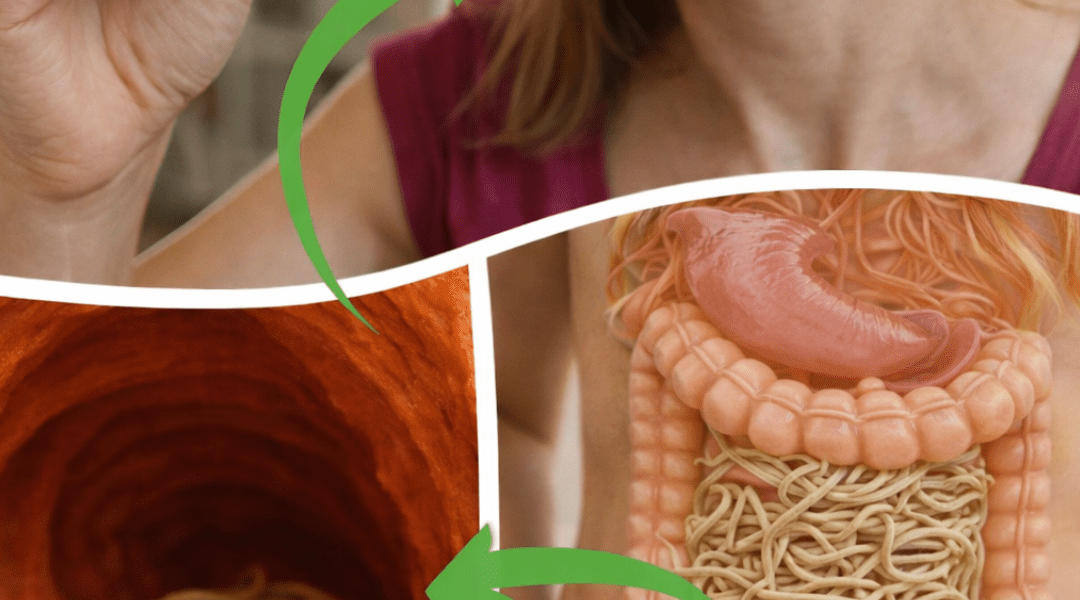
Lab studies demonstrate activity against bacteria, fungi, and even some parasites like Giardia.
Allicin disrupts microbial enzymes effectively.
Historical uses align with these findings.
While not a replacement for medical advice, this versatility explains garlic’s enduring popularity.
And there it is—the secret that ties much of this together.
Practical Ways to Add More Garlic to Your Day
Ready to incorporate these insights? Here are actionable tips:
- Crush 1-2 cloves and add to salads or dressings for raw benefits.
- Roast whole bulbs for milder flavor in sides.
- Make garlic-infused oil (store safely to avoid botulism).
- Try aged garlic supplements if fresh isn’t practical.
- Pair with honey for a soothing tea.
Start small to adjust to the intensity.
Conclusion
From its ancient origins to modern research-backed properties, garlic offers far more than flavor. These 11 facts highlight its antioxidant support, potential heart and immune benefits, and surprising historical roles. Incorporating it regularly could enhance your wellness routine in subtle, meaningful ways.
Frequently Asked Questions
How much garlic should I eat daily for potential benefits?
Most studies use 1-2 cloves or equivalent supplements. Start with what tastes good in meals.
Is raw or cooked garlic better?
Raw often preserves more allicin, but cooked is easier to digest. Both have value.
Can garlic interact with medications?
It may enhance blood-thinning effects. Consult a doctor if on related prescriptions.
Disclaimer: This article is for informational purposes only and not medical advice. Garlic supports general wellness but does not diagnose, treat, cure, or prevent any disease. Always consult a healthcare professional for personalized guidance.