
What if a single plant could seduce with its beauty, kill with a whisper, and heal under the strictest control? Meet Atropa belladonna, better known as Deadly Nightshade—a botanical enigma that has haunted history with its toxic charm. From ancient poisonings to Renaissance beauty secrets, this plant’s dark legacy is as captivating as it is dangerous. Its glossy black berries and delicate purple flowers hide a deadly secret, yet its compounds have carved a surprising niche in modern medicine. Ready to unravel the mystery of this infamous plant? Let’s explore its treacherous beauty, toxic power, and the precautions you need to know to stay safe.
🌿 What Makes Deadly Nightshade So Infamous?
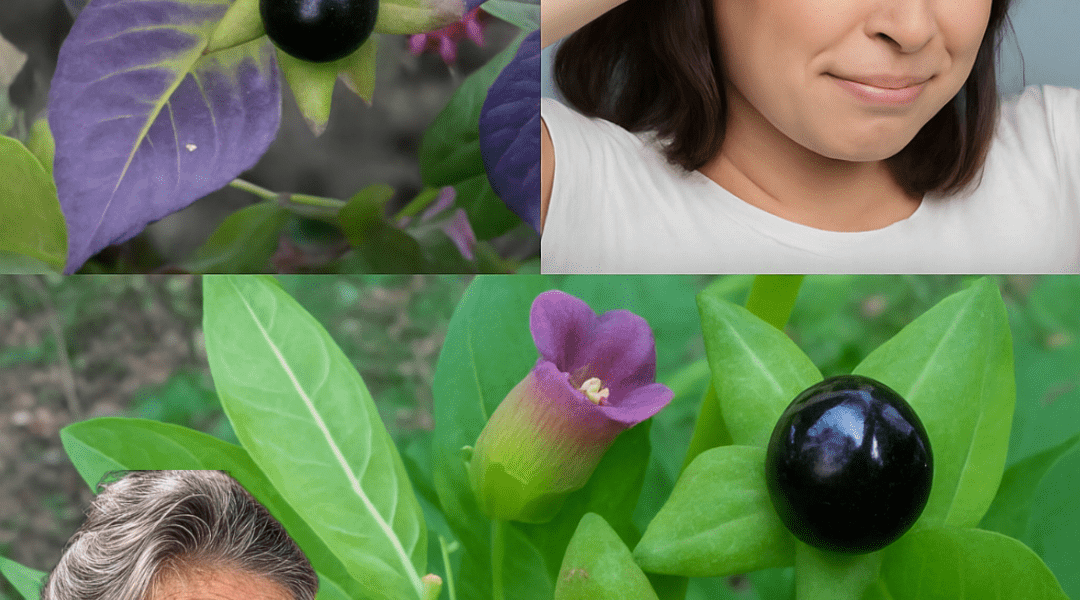
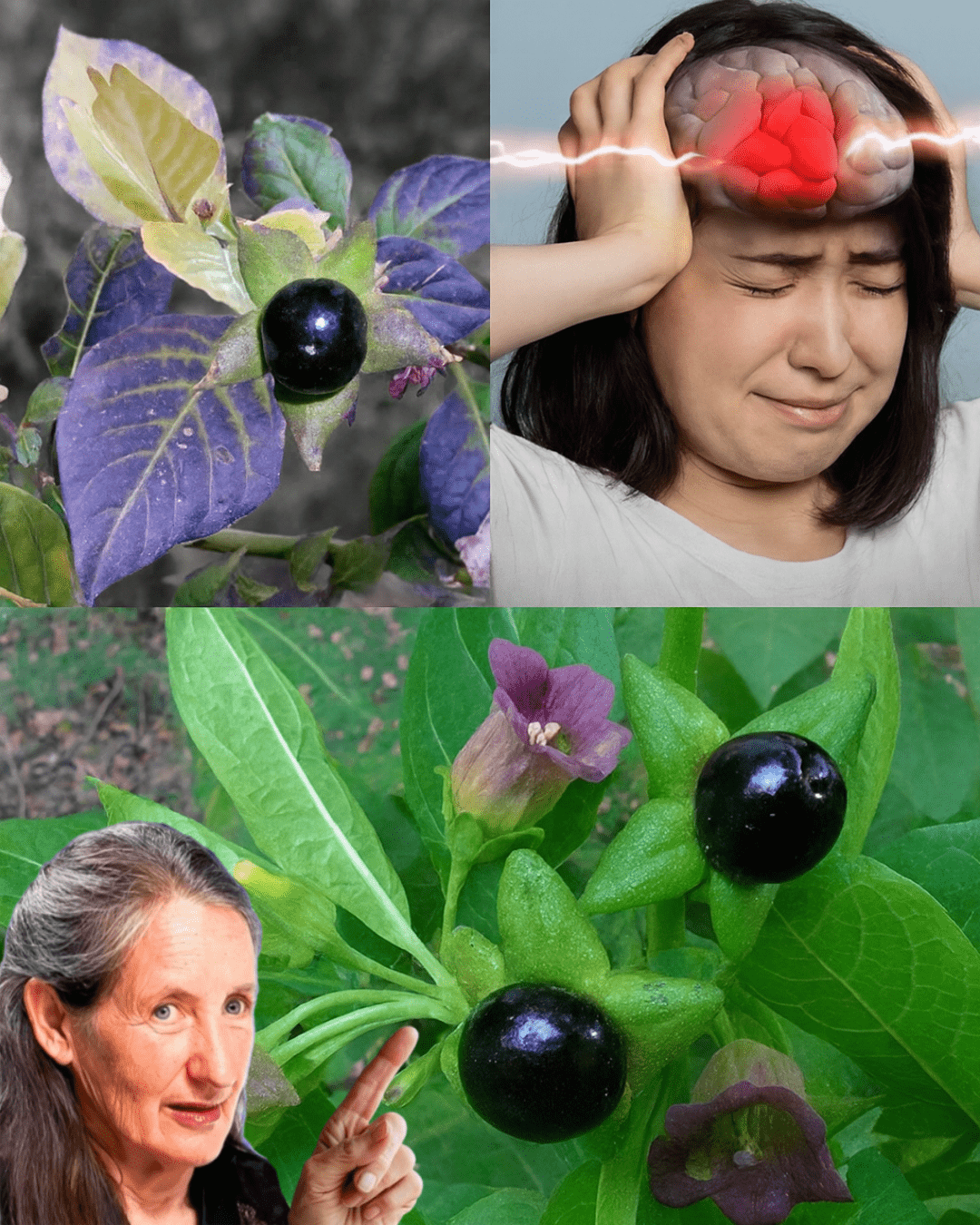
Deadly Nightshade belongs to the Solanaceae family, sharing roots with everyday plants like tomatoes and potatoes. Native to Europe, North Africa, and Western Asia, this perennial herb is a vision of deceptive elegance. Its bell-shaped, purple flowers with a greenish hue, glossy black berries, and lush, dark green leaves make it a striking addition to the wild. But don’t be fooled—every part of this plant, from its roots to its berries, is laced with potent toxins that can kill.
The plant’s name, belladonna, meaning “beautiful lady” in Italian, hints at its dual nature: alluring yet deadly. Its beauty has drawn people in for centuries, only for its alkaloids to leave a trail of tragedy. Whether mistaken for edible berries or mishandled by curious foragers, Deadly Nightshade demands respect—and caution.
☠️ The Toxic Arsenal Within
The danger of Deadly Nightshade lies in its powerful alkaloids: atropine, scopolamine, and hyoscyamine. These compounds disrupt the nervous system, creating a cascade of symptoms that range from disorienting to deadly. Here’s what makes each one so perilous:
Atropine: The Heart-Racing Toxin
Atropine interferes with the body’s neurotransmitters, causing rapid heartbeat, hallucinations, and, in high doses, paralysis. Even a small amount can turn a curious nibble into a medical emergency.
Scopolamine: The Mind-Bender
Known for its psychoactive effects, scopolamine can induce confusion, dizziness, and a dreamlike state. Historically, it was used in poisons and sedatives, making it a favorite among those with sinister intentions.
Hyoscyamine: The Silent Killer
This alkaloid targets neurological functions, leading to symptoms like blurred vision and difficulty breathing. In severe cases, it can cause convulsions, coma, or death.
These compounds work by blocking critical neurotransmitters, leading to symptoms like dry mouth, dilated pupils, and respiratory failure. The line between a therapeutic dose and a lethal one is razor-thin, making untrained handling a dangerous gamble.
🕰️ A Dark Legacy Through the Ages
Deadly Nightshade’s history is a tapestry of intrigue, danger, and unexpected utility. Its uses have spanned centuries, from sinister plots to surprising medical breakthroughs. Let’s journey through its storied past:
Ancient Rome and Greece: The Assassin’s Ally
In antiquity, Deadly Nightshade was a weapon of choice for poisoners. Its extracts coated arrows and laced drinks, silently eliminating political rivals with chilling efficiency. The plant’s ability to kill without a trace made it a feared tool in the hands of the cunning.
Medieval Witchcraft: The Witch’s Brew
During the Middle Ages, Deadly Nightshade was steeped in superstition. Witches reportedly used it in “flying ointments,” hallucinogenic salves that induced altered states, fueling tales of supernatural powers. Its mind-altering effects cemented its reputation as a plant of dark magic.
Renaissance Beauty: A Risky Seduction
In the Renaissance, women embraced belladonna for its cosmetic effects. A drop of its extract dilated pupils, creating a wide-eyed, alluring gaze. But this beauty hack came at a cost—prolonged use risked blindness and poisoning, a steep price for vanity.
Modern Medicine: Taming the Beast
Today, Deadly Nightshade’s toxins are harnessed in controlled settings. Atropine is used in ophthalmology to dilate pupils during eye exams, while scopolamine helps prevent motion sickness. Hyoscyamine finds its place in muscle relaxants, proving that even the deadliest plants can serve humanity—when handled with care.
🚨 The Symptoms of Poisoning: A Lethal Cascade
Ingesting even a small amount of Deadly Nightshade can trigger a terrifying chain of symptoms. The severity depends on the dose and the individual’s sensitivity, but the effects are swift and unforgiving. Here’s what to watch for:
- Mild Symptoms: Dry mouth, blurred vision, dilated pupils, rapid heartbeat, confusion, and dizziness.
- Severe Symptoms: Hallucinations, delirium, convulsions, and difficulty breathing.
- Fatal Symptoms: In extreme cases, complete paralysis, respiratory failure, and death.
Children are particularly vulnerable, often mistaking the plant’s sweet-looking berries for harmless fruit. Pets and livestock are also at risk, as are foragers who misidentify it in the wild. The stakes are high—one berry can be enough to cause serious harm.
🩺 Can Deadly Nightshade Be Used Safely?
Despite its dangers, Deadly Nightshade has found a place in modern medicine, but only under strict supervision. Its alkaloids are extracted and refined into precise doses for specific treatments:
Eye Dilation: Atropine is a staple in ophthalmology, used to dilate pupils for detailed eye exams.
Motion Sickness Relief: Scopolamine patches prevent nausea during travel, offering relief for those prone to seasickness.
Muscle Relaxation: Hyoscyamine helps treat muscle spasms and conditions like irritable bowel syndrome.
Emergency Antidote: Atropine is a critical tool in treating nerve gas poisoning, counteracting its deadly effects.
These applications are tightly regulated, and for good reason. Attempting to use Deadly Nightshade at home is a recipe for disaster. Always leave its handling to trained professionals.
🌱 How to Spot Deadly Nightshade in the Wild
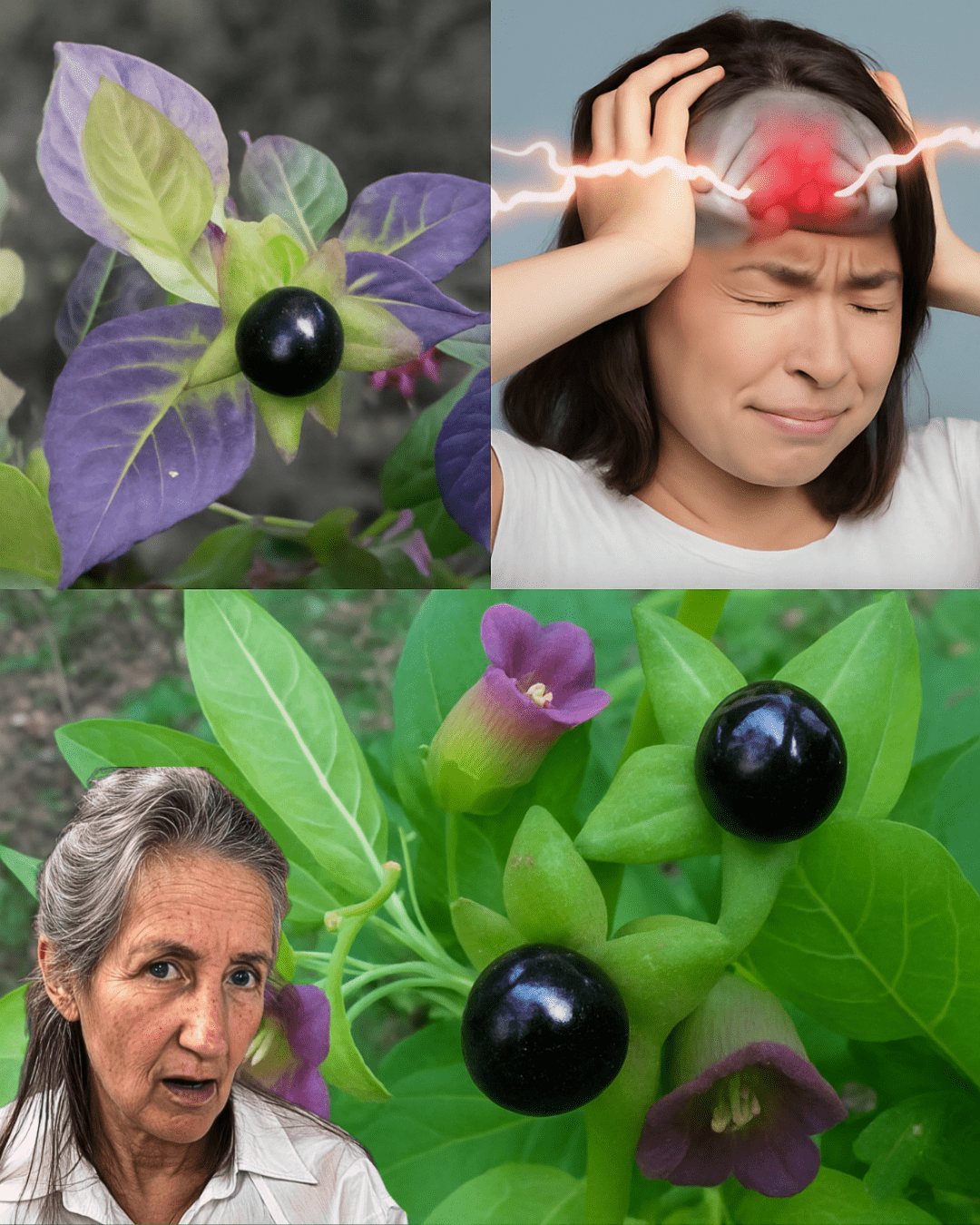
To avoid accidental poisoning, knowing how to identify Atropa belladonna is crucial. Here are its key features:
- Flowers: Bell-shaped, purple with a greenish tint, blooming in summer.
- Berries: Glossy, black, and deceptively appetizing, resembling small cherries.
- Leaves: Large, oval, and dark green, often paired unevenly along the stem.
- Height: Grows up to 6 feet tall, standing out in wooded areas or shaded gardens.
When foraging, double-check your finds. Mistaking Deadly Nightshade for edible berries like blueberries can have fatal consequences. If in doubt, consult a guidebook or a botanist.
🏡 Should You Grow Deadly Nightshade?
For some, the plant’s eerie beauty makes it tempting to grow as an ornamental. But think twice before inviting it into your garden:
- Risk to Children and Pets: The plant’s berries are especially dangerous for curious kids and animals.
- Medicinal Use: Unless you’re a trained professional, avoid using it for home remedies.
- Safety First: If you must grow it, keep it in a secure area, far from reach, and clearly labeled.
For most, the risks outweigh the rewards. Admire Deadly Nightshade from a distance, and leave its cultivation to experts.
💭 The Enduring Fascination of Deadly Nightshade
Deadly Nightshade is more than just a plant—it’s a paradox. Its beauty lures, its toxins terrify, and its history captivates. From ancient poisons to modern medicine, it has played many roles, each marked by its potent power. Yet, its danger demands respect. Whether you’re a history buff, a botany enthusiast, or simply curious, Atropa belladonna offers a chilling reminder of nature’s complexity—capable of both harm and healing.
If you encounter this plant in the wild, marvel at its elegance, but keep your distance. Its legacy is best appreciated through knowledge, not experimentation. For those intrigued by its medical potential, consult a professional to explore its benefits safely. Deadly Nightshade may be a villain in the botanical world, but its story is one of awe, caution, and undeniable intrigue.