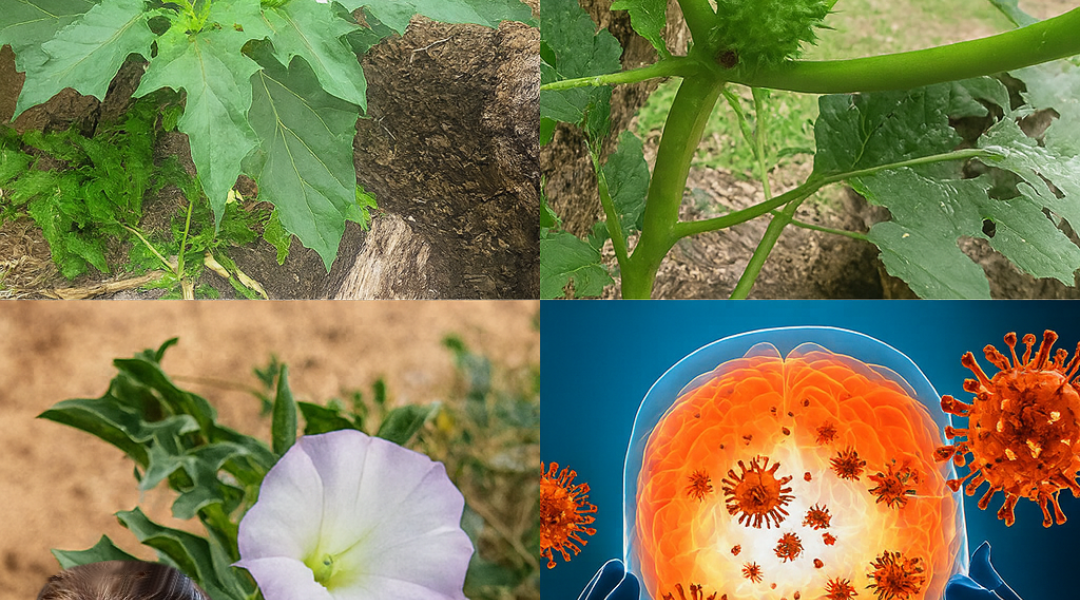

Imagine a plant so breathtakingly beautiful that it lures you in with its vibrant, trumpet-shaped flowers, only to hide a deadly secret. Meet the Datura genus, often called Devil’s Trumpet or Thorn Apple, a group of plants as dangerous as they are alluring. Found in gardens, roadsides, and even backyards, these toxic beauties pose a severe threat to humans, pets, and livestock. Packed with potent alkaloids, even a small dose can trigger life-threatening symptoms—from hallucinations to heart failure. Curious about why you should keep your distance? Dive into this guide to uncover the hidden dangers of Datura, explore its common species, and learn critical safety tips to protect yourself and loved ones. Don’t be fooled by their charm—read on to stay safe!
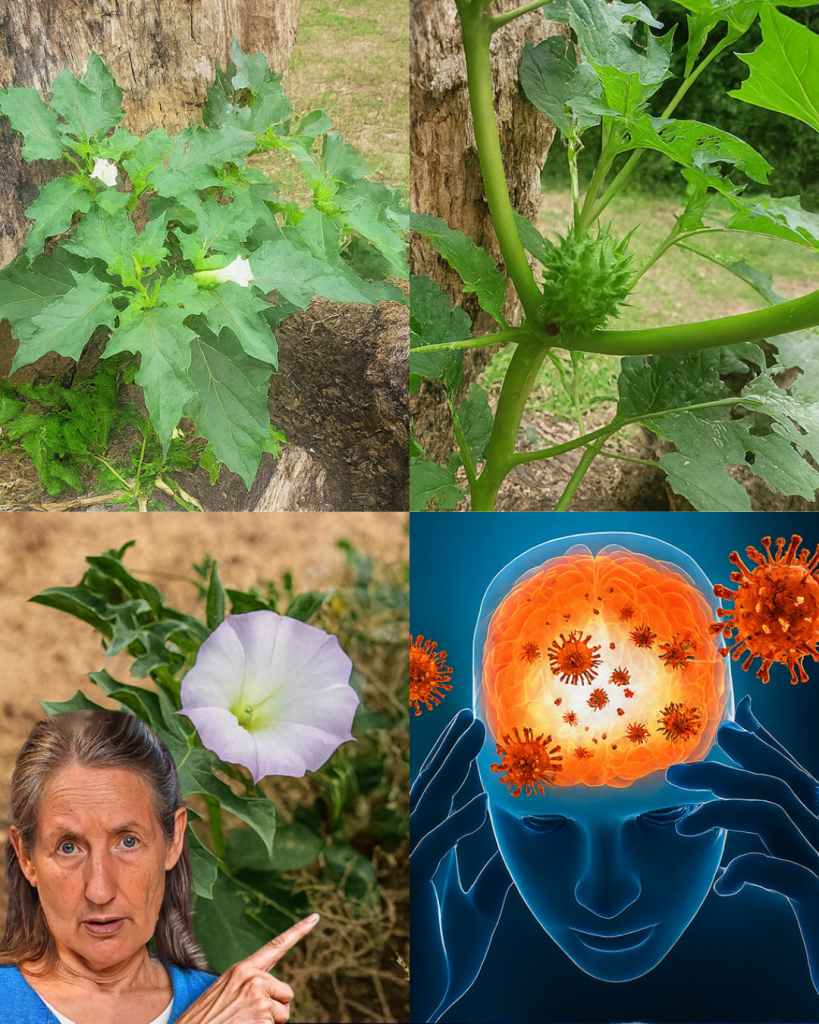
What Makes the Datura Genus So Dangerous?
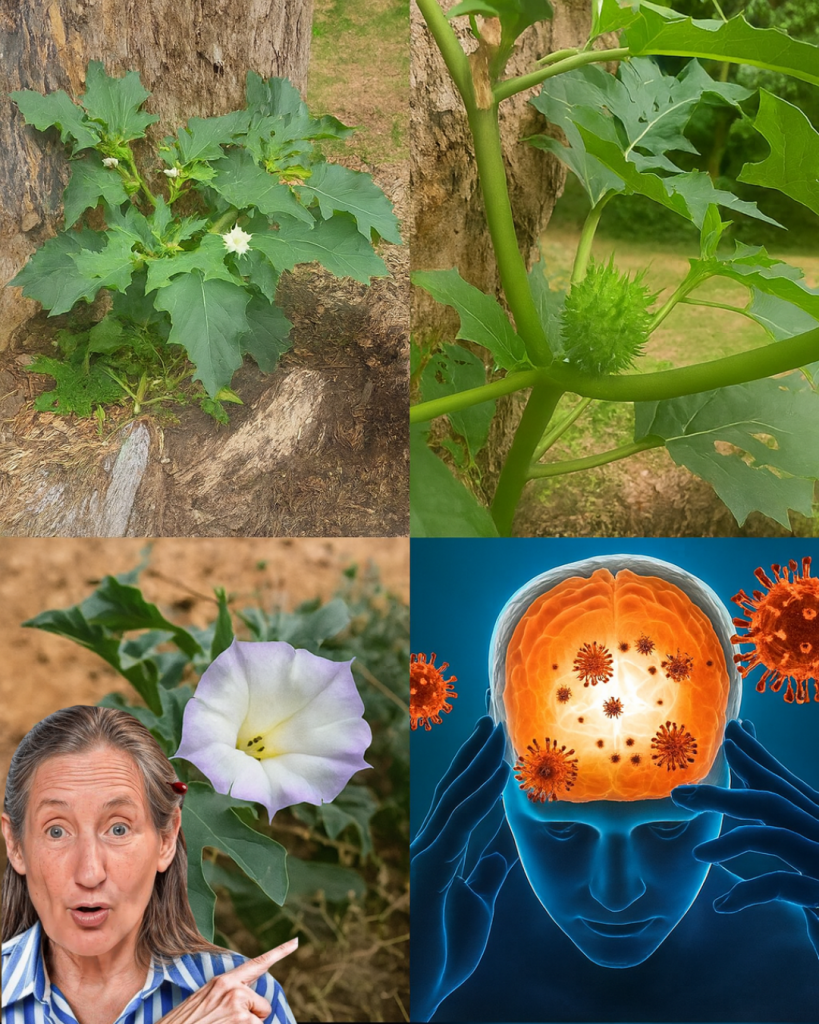
Part of the Solanaceae (nightshade) family, Datura plants are native to the Americas but have spread globally, thriving in disturbed soils, roadsides, and gardens. Their large, trumpet-shaped flowers in white, purple, or yellow and spiky seed pods make them visually striking, often leading to their cultivation as ornamental plants. But beneath this beauty lies a lethal secret: every part of the plant—leaves, flowers, seeds, and roots—is loaded with toxic tropane alkaloids like atropine, scopolamine, and hyoscyamine. These compounds wreak havoc on the central nervous system, making Datura one of nature’s most dangerous plants.
Common Datura Species You Need to Know
Datura’s deceptive allure comes in several forms, each as toxic as the next. Here are four common species to watch out for:
🌺 1. Datura stramonium (Jimsonweed or Thorn Apple)
- Appearance: White or purple trumpet-shaped flowers with spiky, golf ball-sized seed pods.
- Dangers: Known for its hallucinogenic effects, but even a few seeds can cause severe poisoning, including delirium and seizures.
- Where Found: Common in fields, roadsides, and disturbed soils worldwide.
🌼 2. Datura metel (Horn of Plenty)
- Appearance: Showy flowers in white, yellow, or purple, often grown for ornamental purposes.
- Dangers: Equally toxic, with a history of misuse in traditional medicine leading to dangerous outcomes.
- Where Found: Popular in gardens and tropical regions.
🌙 3. Datura inoxia (Moonflower)
- Appearance: Fragrant, white, night-blooming flowers that open at dusk.
- Dangers: Often mistaken for the harmless Moonflower vine, its seeds and flowers are rich in alkaloids, causing accidental poisonings.
- Where Found: Common in warm climates and gardens.
🌵 4. Datura ferox (Long-spined Thorn Apple)
- Appearance: Larger, spikier seed pods than other species.
- Dangers: Contains some of the highest alkaloid concentrations, making it exceptionally toxic.
- Where Found: Found in Asia, Australia, and other warm regions.
The Toxic Powerhouse: Datura’s Dangerous Alkaloids
Datura’s toxicity stems from its tropane alkaloids, which disrupt the nervous system and cause a range of severe symptoms. These include:
- Atropine: Blocks nerve signals, leading to rapid heart rate and delirium.
- Scopolamine: Causes confusion, hallucinations, and memory loss.
- Hyoscyamine: Triggers dry mouth, blurred vision, and cardiovascular issues.
Even minimal exposure—through ingestion, inhalation, or skin contact—can lead to poisoning. The unpredictability of alkaloid concentrations makes every encounter a gamble with serious consequences.
⚠️ 10 Alarming Symptoms of Datura Poisoning
Datura poisoning is a medical emergency, with symptoms appearing rapidly after exposure. Here’s what to watch for:
- 😵 Vivid Hallucinations: Terrifying, disorienting visions that can last hours.
- 👁️ Dilated Pupils: Causes light sensitivity and blurred vision.
- 🫦 Dry Mouth: Severe dryness makes swallowing difficult.
- ❤️ Racing Heart: Elevated heart rate and blood pressure can strain the heart.
- 🤪 Delirium: Confusion and agitation, often mistaken for intoxication.
- 🤢 Nausea and Vomiting: Common early signs of ingestion.
- 🌡️ High Fever: Body temperature spikes due to nervous system disruption.
- 😓 Muscle Weakness: Loss of coordination and difficulty moving.
- ⚡ Seizures: Severe cases may lead to uncontrollable convulsions.
- 💤 Coma or Death: High doses can cause respiratory failure or cardiac arrest.
Real-Life Warning: In 2023, a teenager in California was hospitalized after ingesting Datura seeds, mistaking them for a recreational substance. He experienced 12 hours of hallucinations and required intensive care, highlighting the plant’s dangers.
Why You Must Avoid Datura at All Costs
☠️ Extreme Toxicity in Small Doses
Just a few seeds or a single leaf can trigger life-threatening symptoms. Children are especially vulnerable, as their curiosity may lead to accidental ingestion of colorful flowers or pods.
🎲 Unpredictable Effects
Alkaloid levels vary widely between plants, seasons, and even individual specimens, making it impossible to predict the severity of poisoning.
🐶 Danger to Pets and Livestock
Datura is highly toxic to animals. Dogs, cats, and grazing livestock can suffer fatal poisoning from nibbling on leaves or seeds. A 2022 veterinary report noted cases of dogs dying after eating Datura in backyards.
🌿 Mistaken Identity
Datura’s beauty leads to its cultivation in gardens or confusion with edible plants, increasing the risk of accidental exposure.
🛡️ 6 Essential Safety Tips to Protect Yourself and Others
Stay safe by following these critical precautions:
- 🚫 Don’t Touch Datura: Avoid handling plants, as alkaloids can absorb through skin.
- 👶 Keep Away from Kids and Pets: Remove Datura from gardens or areas accessible to children and animals.
- 🧤 Wear Protective Gear: If removal is necessary, use gloves, long sleeves, and eye protection to avoid contact.
- 🗑️ Dispose Safely: Seal Datura plant parts in a bag and dispose of them properly to prevent accidental exposure.
- 📢 Spread Awareness: Educate family and friends about Datura’s dangers to prevent unintentional poisoning.
- 🚨 Seek Immediate Help: If poisoning is suspected, call emergency services or a poison control center immediately.
Pro Tip: Use a plant identification app or consult a local botanist to confirm Datura’s presence in your area.
Real-Life Dangers: A Cautionary Tale
In 2024, a family in Texas unknowingly planted Datura metel in their garden, mistaking it for an ornamental flower. Their dog ingested a seed pod and suffered seizures, requiring emergency veterinary care. Thankfully, the dog survived, but the incident underscores the need for vigilance.
Your Next Steps: Stay Safe and Informed
The Datura genus may captivate with its stunning flowers, but its toxic nature makes it a silent threat. From hallucinations to heart failure, the risks of exposure are too severe to ignore. Whether you’re a gardener, pet owner, or nature enthusiast, knowing how to identify and avoid Datura is crucial. Share this guide with friends and family to raise awareness and keep your community safe.
Have you spotted Datura in your area? Take action by safely removing it or contacting local authorities for guidance. Your vigilance could save a life.
Disclaimer: This article is for informational purposes only and does not replace professional medical or veterinary advice. If you suspect Datura poisoning in humans or animals, seek emergency help immediately.
Frequently Asked Questions
How can I identify Datura?
Look for trumpet-shaped flowers (white, purple, or yellow) and spiky seed pods. Leaves are broad and jagged. Use a plant ID app for confirmation.
What should I do if I touch Datura?
Wash skin thoroughly with soap and water. Avoid touching your face or eyes, and monitor for symptoms like dizziness or blurred vision.
Is Datura safe in small amounts?
No. Even tiny amounts can cause severe poisoning due to unpredictable alkaloid levels.
Can Datura be used medicinally?
While historically used in some cultures, its risks outweigh benefits. Modern medicine avoids Datura due to its toxicity.
What if my pet eats Datura?
Contact a veterinarian immediately. Symptoms like vomiting or seizures require urgent care.