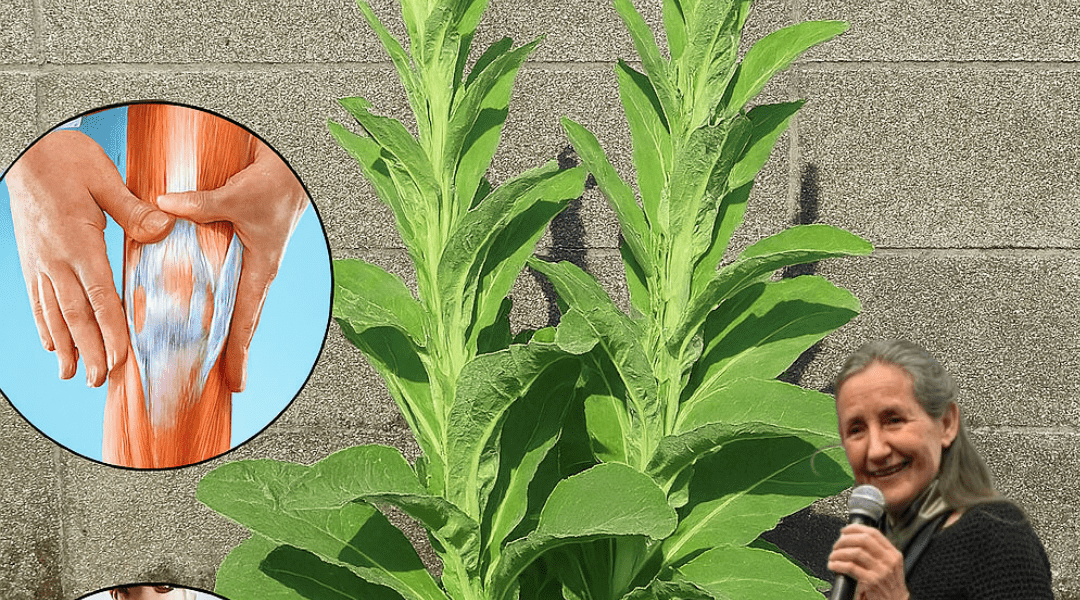

Imagine spotting a towering plant with soft, velvety leaves and vibrant yellow flower spikes in your garden or along a roadside. This is Common Mullein (Verbascum thapsus), a biennial herb that’s far more than a pretty weed. Native to Europe, Asia, and North Africa, and now thriving across the Americas, this resilient plant has been a cornerstone of traditional medicine for centuries. Packed with bioactive compounds like saponins, flavonoids, and verbascoside, mullein offers a wealth of health benefits and practical uses. From soothing your lungs to healing your skin, Mullein is a versatile ally for wellness enthusiasts, gardeners, and eco-conscious souls. Ready to uncover why this plant is a true gift from nature? Let’s explore its 11 remarkable benefits and how to bring its magic into your life.

Why Common Mullein Is a Wellness Powerhouse
Common Mullein, also known as woolly mullein or flannel plant, is a member of the Scrophulariaceae family. Its soft, hairy leaves and tall, candle-like flower spikes make it unmistakable. Rich in mucilage, saponins, and antioxidants, mullein has been used since ancient times—documented by Greek botanist Dioscorides in the 1st century AD—for respiratory relief and more. Today, its dried leaves, flowers, extracts, and oils are staples in health stores, backed by growing research for their therapeutic potential. Whether you’re seeking natural remedies or eco-friendly garden additions, Mullein delivers.
11 Incredible Benefits and Uses of Common Mullein
1. Soothe Respiratory Issues
🫁 Clear Lungs Naturally: Mullein’s expectorant properties, driven by saponins, help loosen and expel mucus, making it a go-to remedy for coughs, bronchitis, asthma, and chest congestion. Its mucilage soothes irritated airways, easing dry, hacking coughs. Studies highlight its effectiveness for respiratory conditions, especially in chronic lung issues with abundant mucus.
How to Use: Brew mullein tea (recipe below) or use tinctures for concentrated relief. Drink 1–2 cups daily for respiratory support.
2. Relieve Ear Infections
🩺 Ease Earaches: Mullein flower oil is a traditional remedy for ear infections, particularly in children. Its antimicrobial and anti-inflammatory properties reduce pain and fight infection.
How to Use: Warm 2–3 drops of mullein-infused oil (recipe below) and apply to the affected ear, ensuring no perforation. Use under medical guidance.
3. Fight Inflammation
🔥 Calm Aches and Swelling: Mullein’s verbascoside and flavonoids offer potent anti-inflammatory effects, helping to ease joint pain, muscle aches, and swelling. Research supports its use for inflammatory conditions like arthritis.
How to Use: Sip mullein tea or apply a leaf poultice to sore areas for natural relief.
4. Combat Infections
🛡️ Antiviral and Antibacterial Power: Mullein’s extracts show activity against bacteria like Staphylococcus aureus and Escherichia coli, as well as influenza viruses. This makes it a valuable ally during cold and flu season.
How to Use: Drink mullein tea or take capsules to boost immunity and fight infections.
5. Heal Skin and Wounds
🌿 Soothe and Repair: Mullein’s astringent and anti-inflammatory properties make it ideal for treating burns, cuts, bruises, eczema, and rashes. Its soothing mucilage calms irritated skin.
How to Use: Apply mullein-infused oil or a poultice of fresh/dried leaves to affected areas.
6. Support Digestive Health
🌾 Ease Gut Issues: Mullein tea’s mucilage soothes the gut lining, helping with diarrhea, constipation, and hemorrhoids. Its anti-inflammatory effects calm digestive irritation.
How to Use: Drink 1 cup of mullein tea daily to support digestion and reduce discomfort.
7. Relieve Pain
💆 Natural Analgesic: Mullein’s mild pain-relieving properties can ease headaches, joint pain, and minor discomfort, as noted in traditional uses for migraines and arthritis.
How to Use: Sip tea or apply a warm leaf compress to painful areas.
8. Promote Relaxation
🌙 Calm the Mind: Mullein’s mild sedative effects may reduce stress and promote restful sleep, making it a soothing addition to your evening routine.
How to Use: Enjoy a cup of mullein tea before bed to unwind and relax.
9. Support Pollinators
🐝 Boost Biodiversity: Mullein’s yellow flowers are a magnet for bees, butterflies, and other pollinators, enhancing garden ecosystems. Its nectar-rich blooms support local wildlife.
How to Use: Plant mullein in sunny, well-drained garden spots to attract pollinators.
10. Practical Historical Uses
🔥 From Torches to Insulation: Historically, mullein’s dried stalks were dipped in tallow to create torches, and its soft leaves were used as insulation in shoes or clothing. Its nickname “cowboy toilet paper” reflects its practical, velvety texture.
How to Use: While less common today, dried stalks can be used as fire starters in outdoor settings.
11. Improve Soil Health
🌍 Eco-Friendly Ally: Mullein’s deep taproot helps stabilize soil and prevent erosion. It thrives in poor, disturbed soils, improving their structure over time.
How to Use: Allow mullein to grow in garden edges or wild areas to enhance soil health.
How to Use Common Mullein at Home
Mullein Tea Recipe
☕ Ingredients: 1–2 teaspoons dried mullein leaves or flowers, 1 cup (8 oz) hot water.
Instructions:
- Place dried mullein in a teapot or cup.
- Pour hot (not boiling) water over the herb and cover to preserve oils.
- Steep for 10–15 minutes.
- Strain carefully through a fine mesh or cheesecloth to remove tiny hairs, which can irritate the throat.
- Sip 1–2 cups daily for respiratory or digestive support.
Flavor Tip: Add honey or lemon for a smoother taste.
Mullein Oil for Earaches
🧴 Ingredients: Fresh or dried mullein flowers, ½ cup olive oil.
Instructions:
- Fill a clean jar with mullein flowers and cover with olive oil.
- Seal and place in a warm, sunny spot for 2–4 weeks, shaking daily.
- Strain through cheesecloth into a dropper bottle.
- Store in a cool, dark place.
- Use 2–3 warm drops in the affected ear (consult a doctor first).
Mullein Poultice for Skin
🌱 Ingredients: Fresh or dried mullein leaves, warm water.
Instructions:
- Crush fresh leaves or soak dried leaves in warm water to soften.
- Apply directly to cuts, burns, or rashes.
- Cover with a clean cloth and leave for 15–20 minutes.
- Rinse gently and moisturize.
Gardening with Mullein
Mullein is a low-maintenance biennial that thrives in full sun and well-drained, sandy soils. In its first year, it forms a rosette of fuzzy leaves; in the second, it shoots up a 5–10-foot flower spike. Plant in garden borders or wild areas to attract pollinators, but beware its prolific seeding (up to 180,000 seeds per plant!), which can make it invasive in some regions. Control spread by removing spent flower stalks before seeds drop.
Companion Plants: Pair with salvia, roses, coneflowers, or ornamental grasses for a stunning, pollinator-friendly garden.

Precautions for Safe Use
While Mullein is generally safe, take these precautions:
⚠️ Strain Tea Thoroughly: Mullein’s fine hairs can irritate the throat or skin if not filtered out.
🚨 Allergy Check: Avoid if allergic to Scrophulariaceae plants (e.g., foxglove). Test topically on a small area first.
🩺 Consult a Doctor: Seek medical advice before using mullein for chronic conditions, pregnancy, or if on medications, as it may interact with certain drugs.
🌱 Control Invasiveness: Monitor in gardens to prevent unwanted spread, especially in temperate regions.
🚫 Avoid Overuse: Stick to recommended doses (1–2 cups tea daily or 2–3 drops oil) to prevent digestive upset.
Why Mullein Is a Must-Have
Common Mullein is a gift from nature, blending ancient wisdom with modern potential. Its ability to soothe lungs, heal skin, and support ecosystems makes it a versatile herb for health-conscious individuals and gardeners alike. Imagine brewing a warm cup of mullein tea to ease a cough or applying its oil to calm an earache—all from a plant that grows effortlessly in your backyard. With its rich history and growing scientific support, Mullein is a natural remedy worth embracing.
Don’t overlook this woolly wonder. Try mullein tea, oil, or a garden patch today, share its benefits with friends, and explore more herbal tips to keep your wellness journey thriving. Your body and garden will thank you for this majestic herb.
Disclaimer: This article is for informational purposes only and is not a substitute for professional medical advice. Consult a healthcare provider before using Common Mullein, especially if you have medical conditions or take medications.