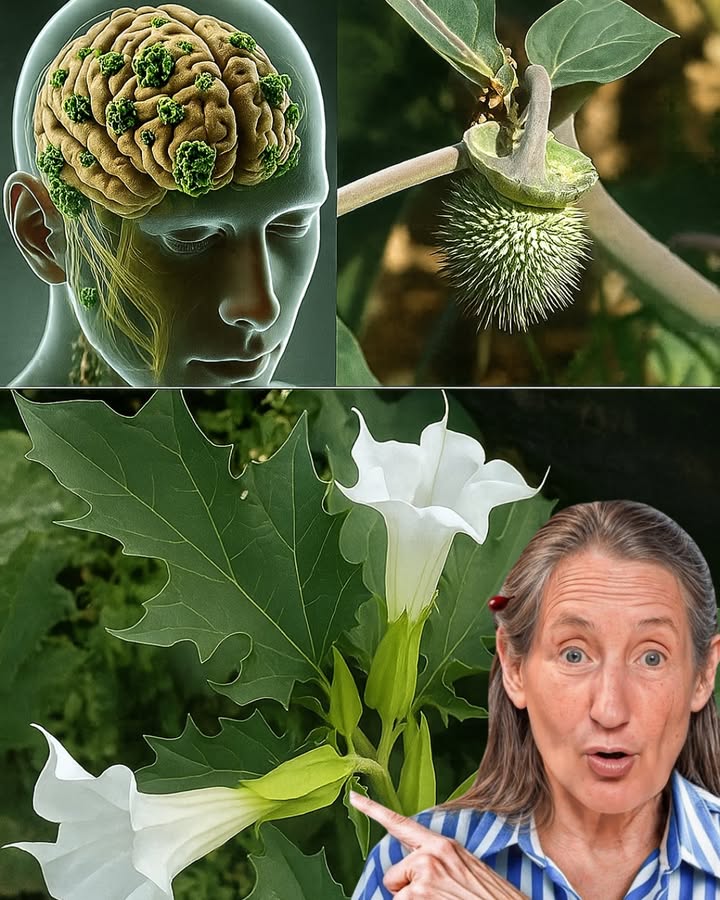
Imagine strolling through your garden, the air filled with the sweet scent of blooming flowers. Among the vibrant petals, a striking plant catches your eye—large, trumpet-shaped blossoms in pristine white or soft purple, swaying gently in the breeze. Its spiky seed pods add a quirky charm, tempting you to pluck it for your next bouquet. But what if this captivating beauty is a wolf in sheep’s clothing, hiding a lethal secret? Meet Datura stramonium, a plant as enchanting as it is dangerous, lurking in plain sight across North America. This isn’t just a weed—it’s a silent threat that could turn your peaceful gardening afternoon into a nightmare.
For seniors who cherish their time outdoors, whether tending to rose bushes or foraging for natural remedies, Datura stramonium poses a unique danger. Its deceptive allure can lead to accidental exposure, with consequences far more severe than a simple rash. Every part of this plant—leaves, flowers, seeds, and roots—harbors potent toxins that can wreak havoc on the body, especially for older adults with underlying health conditions. This article dives deep into the hidden dangers of Datura stramonium, offering practical tips to keep you safe while fueling your curiosity about the darker side of nature. Let’s unravel the mystery of this beautiful yet deadly plant and learn how to protect yourself without sacrificing your love for gardening.
🌸 Why Datura Stramonium Is So Deceptively Charming
At first glance, Datura stramonium seems like a gift from nature. Its trumpet-shaped flowers, which can stretch up to six inches long, bloom in elegant shades of white or lavender, exuding a delicate fragrance that draws you closer. The plant’s spiky seed pods, often called “thorn apples,” add a whimsical touch, making it a standout in any landscape. Found along roadsides, in pastures, or even sneaking into your backyard, it’s easy to mistake this wild plant for a harmless ornamental or a forgotten heirloom from folklore.
But this beauty belongs to the notorious nightshade family, a group that includes both benign crops like potatoes and sinister plants like deadly nightshade. Datura stramonium is no garden friend—it’s one of the most toxic plants in North America. For seniors, who may be drawn to its striking appearance while gardening or exploring natural remedies, the plant’s charm is a dangerous trap. A single misstep, like brushing against its leaves or nibbling a seed, can unleash a cascade of health issues. The risk is even higher for those with heart conditions or weakened immune systems, making awareness crucial for anyone who loves spending time in nature.
☠️ The Lethal Cocktail Within: Toxic Compounds of Datura Stramonium
What makes Datura stramonium so deadly? The answer lies in its chemical makeup. This plant is loaded with tropane alkaloids—specifically atropine, scopolamine, and hyoscyamine. These compounds act like saboteurs in the body, disrupting the nervous system by blocking acetylcholine, a critical neurotransmitter that keeps your brain and muscles in sync. The result? A range of symptoms that can escalate from uncomfortable to catastrophic.
For seniors, the stakes are higher. Many older adults take medications for chronic conditions like heart disease or hypertension, and these toxins can interact dangerously with their prescriptions. Even a small dose—say, a few seeds or a leaf fragment—can trigger severe reactions. The plant’s toxicity isn’t consistent either; it varies depending on the season, soil, or even the plant’s age, making it impossible to predict how much is “too much.” Handling it without gloves or accidentally inhaling its pollen can be enough to cause trouble, turning a casual gardening session into a medical emergency.
🚨 Recognizing the Red Flags: Symptoms of Datura Stramonium Poisoning
The symptoms of Datura stramonium poisoning are as alarming as they are fast-acting, often appearing within 30 to 60 minutes of exposure. For seniors, who may confuse these signs with other health issues like dehydration or medication side effects, quick recognition is a lifesaver. Here’s what to watch for:
🔥 Dry mouth and intense thirst: The plant’s toxins shut down saliva and sweat production, leaving you parched and uncomfortable.
👁️ Dilated pupils and blurred vision: Your eyes may struggle to focus, with bright lights feeling unbearable.
💓 Rapid heartbeat: This can strain the heart, a serious concern for those with cardiovascular issues.
🌀 Hallucinations and delirium: Vivid, disorienting visions or confusion can make you feel trapped in a waking nightmare.
⚡ Seizures or coma: In extreme cases, the toxins can push the body to the brink, requiring urgent medical intervention.
These symptoms can persist for up to 48 hours, and for seniors, they’re not just uncomfortable—they’re dangerous. A racing heart or hallucinations can exacerbate existing conditions, while delirium might lead to accidents or injuries. If you suspect exposure, don’t wait for symptoms to worsen. Act fast to protect yourself or a loved one.
🌱 Where Datura Stramonium Lurks: Common Exposure Risks
Datura stramonium is a master of disguise, blending seamlessly into places seniors frequent. Its ability to thrive in diverse environments—from rural fields to urban backyards—makes it a widespread threat. Understanding how exposure happens is the first step to staying safe. Here are the most common scenarios:
Gardening mishaps
Picture this: you’re weeding your flower bed when you spot an unfamiliar plant with jagged leaves and spiky pods. Thinking it’s just a quirky weed, you pull it out bare-handed. If it’s Datura stramonium, you’ve just exposed yourself to its toxins, which can absorb through cuts or mucous membranes.
Foraging mistakes
Seniors exploring natural remedies may mistake Datura stramonium for a medicinal herb, especially since it’s been used in traditional practices (though dangerously). A single leaf or seed can turn a well-meaning foraging trip into a health crisis.
Accidental contact
Brushing against the plant while hiking or gardening can transfer toxins to your skin or eyes. For seniors with thinner skin or slower healing, this contact can be more harmful than it seems.
Pets and grandchildren
Curious dogs or toddlers may chew on the plant’s seeds or leaves, putting the entire household at risk. A child’s smaller body or a senior’s slower metabolism amplifies the danger, making vigilance essential.
The plant’s sneaky presence means you can’t let your guard down, even in familiar spaces. A single encounter can have lasting consequences, but knowledge is your best defense.
🛡️ Five Essential Tips to Stay Safe from Datura Stramonium
You don’t have to abandon your love for gardening or nature to avoid Datura stramonium’s dangers. With a few smart precautions, you can enjoy your outdoor hobbies with confidence. Here are five practical steps to keep you safe:
🌼 Learn to identify the plant
Familiarize yourself with Datura stramonium’s telltale features: trumpet-shaped flowers, spiky seed pods, and jagged, slightly fuzzy leaves. Use a plant identification app or consult your local extension service to confirm suspicious plants.
🧤 Wear protective gear
Always don gloves and long sleeves when gardening or clearing weeds. This simple barrier can prevent toxins from reaching your skin or entering cuts.
🐶 Supervise pets and grandchildren
Keep curious explorers away from wild plants, especially in areas where Datura stramonium thrives, like roadsides or untended lots.
🌿 Avoid foraging without expertise
Unless you’re a trained botanist, skip wild plants for remedies. Stick to store-bought herbs to avoid accidental poisoning.
🗑️ Remove suspicious plants safely
If you spot Datura stramonium in your yard, use gloves and tools to dig it out, bag it securely, and dispose of it in the trash. Never burn it—the smoke can carry toxins into your lungs.
These steps are simple but powerful, letting you embrace nature without fear. Share them with your gardening friends to spread the word and keep everyone safe.
🚑 What to Do if Poisoning Strikes
If you suspect Datura stramonium exposure, time is critical. The toxins act quickly, and delaying action can worsen outcomes, especially for seniors. Follow these steps to protect yourself or a loved one:
📞 Call for help immediately
Dial 911 or Poison Control at 1-800-222-1222. Share details about the plant, symptoms, and when exposure occurred to guide first responders.
🚫 Do not induce vomiting
This can aggravate the situation, particularly for seniors with heart or lung issues. Leave treatment to professionals.
🏥 Seek medical care
Hospitals can administer treatments like activated charcoal to bind toxins or, in severe cases, physostigmine to reverse symptoms. Speed is essential.
🌱 Bring a sample if safe
If you can safely collect a piece of the plant (using gloves and a sealed bag), it can help doctors confirm the poisoning and tailor treatment.
Acting swiftly can mean the difference between a full recovery and serious complications. Keep these steps in mind, especially if you spend time outdoors or live in areas where Datura stramonium grows.
🌻 Embracing Safe Gardening as a Senior
Gardening is more than a hobby—it’s a source of joy, exercise, and connection to nature, especially for seniors. The threat of Datura stramonium doesn’t mean you have to give up your green thumb. Instead, it’s a call to garden smarter. Focus on planting safe, senior-friendly flowers like marigolds, lavender, or zinnias, which offer vibrant beauty without the risks. Join a local gardening club or tap into extension services to discover more non-toxic plants suited to your region.
Staying curious about nature is a beautiful part of life after 50, but caution is your greatest ally. By understanding Datura stramonium’s dangers and adopting simple safety habits, you can keep your garden a sanctuary, not a hazard. Share this knowledge with your loved ones to protect your community and inspire safer outdoor adventures. Your garden deserves to be a place of peace—let’s keep it that way.