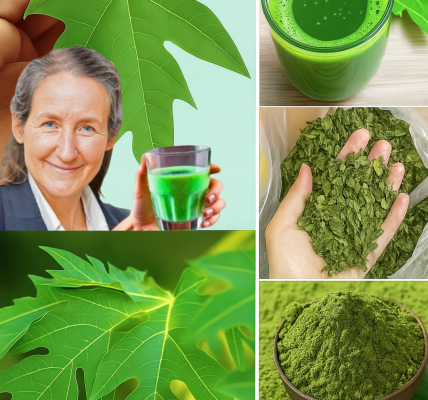

Have you ever wondered how a simple plant like aloe vera can support your wellness? Known for its soothing gel and vibrant green leaves, aloe vera has been used for centuries to promote health naturally. From calming skin irritations to supporting digestion, this versatile plant offers benefits that fit seamlessly into a health-conscious lifestyle. Let’s explore how aloe vera can enhance your well-being with science-backed tips and practical ways to use it safely.

What Makes Aloe Vera So Special?
Aloe vera is a succulent plant packed with vitamins, minerals, and antioxidants, earning it a spot in many American households. According to the Mayo Clinic, its gel contains compounds like polysaccharides and enzymes that support skin health and may aid other bodily functions. While it’s not a cure-all, research suggests aloe vera benefits include soothing skin and supporting digestion, making it a go-to natural remedy.
Key Components of Aloe Vera
- Vitamins and Minerals: Includes vitamins A, C, and E, plus magnesium and zinc.
- Antioxidants: Polyphenols help reduce inflammation and fight oxidative stress.
- Enzymes: Aid in breaking down sugars and fats, supporting digestion.
- Water Content: Hydrates skin and promotes a cooling effect.
These properties make aloe vera a versatile addition to your health routine. Let’s dive into its top benefits.

Soothe Your Skin Naturally
One of the most well-known aloe vera benefits is its ability to calm and hydrate skin. The National Center for Complementary and Integrative Health notes that aloe vera gel can help with minor burns, sunburns, and skin irritations due to its anti-inflammatory and moisturizing properties. A 2019 study in Phytotherapy Research found that aloe vera may speed up wound healing by promoting cell repair.
How to Use Aloe Vera for Skin
- Sunburn Relief: Apply fresh aloe gel to red, irritated skin for a cooling effect.
- Moisturizer: Use pure aloe gel as a lightweight hydrator for dry skin.
- Minor Cuts or Scrapes: Dab a small amount on clean wounds to support healing.
- Face Mask: Mix aloe gel with honey for a soothing DIY mask (patch-test first).
Tip: Always use pure aloe vera gel from a reputable source or fresh from the plant. Avoid products with added fragrances if you have sensitive skin. Share this tip with a friend who loves natural skincare!

Support Your Digestion with Aloe Vera
Aloe vera may also promote healthy digestion when used correctly. According to WebMD, aloe vera juice contains compounds that can act as a mild laxative, helping with occasional constipation. A small 2018 study in the Journal of Traditional and Complementary Medicine suggested that aloe vera may reduce bloating and improve gut comfort in some people.
Tips for Digestive Health
- Aloe Vera Juice: Start with 1–2 ounces daily, diluted in water or juice.
- Timing: Drink it in the morning to support regular bowel movements.
- Moderation: Avoid overuse, as too much can cause cramping or diarrhea.
- Quality Matters: Choose organic, food-grade aloe juice without added sugars.
Note: Check with your doctor before using aloe vera for digestion, especially if you have conditions like irritable bowel syndrome or take medications. Consistency is key for gut health!

Boost Your Immune System Naturally
Aloe vera’s antioxidants and nutrients may offer a gentle boost to your immune system. Harvard Health explains that antioxidants like vitamins C and E help protect cells from damage, which can support overall wellness. While aloe vera alone won’t prevent illness, incorporating it into a balanced diet may contribute to a stronger immune response.
Immune-Supporting Ideas
- Smoothie Add-In: Blend 1 tablespoon of aloe gel into a fruit smoothie.
- Hydrating Drink: Mix aloe juice with water and a splash of lemon for a refreshing sip.
- Pair with Healthy Foods: Combine with immune-friendly foods like berries or leafy greens.
- Stay Consistent: Use aloe as part of a broader healthy lifestyle for best results.
Explore more health tips on our site to keep your immune system in top shape. What’s your favorite way to stay healthy? Comment below!

How to Use Aloe Vera Safely
While aloe vera has many benefits, it’s important to use it safely to avoid side effects. The CDC advises that aloe vera is generally safe for topical use, but oral consumption requires caution. Overusing aloe juice or applying it to broken skin can cause irritation or digestive upset. Here’s how to incorporate it wisely.
Safety Guidelines
- Patch Test: Apply a small amount of aloe gel to your skin and wait 24 hours to check for reactions.
- Avoid Overuse: Stick to recommended amounts (e.g., 1–2 ounces of juice daily).
- Check for Allergies: Stop use if you notice rash, itching, or stomach discomfort.
- Choose Quality Products: Look for pure, organic aloe without harmful additives.
If you’re pregnant, breastfeeding, or have health conditions like diabetes, consult your doctor before using aloe vera. A healthcare provider can guide you on safe usage.

Common Myths About Aloe Vera
With its popularity, aloe vera is surrounded by myths that can lead to confusion. Let’s clear up a few misconceptions to ensure you’re using it effectively and safely.
Myths vs. Facts
- Myth: Aloe vera can cure serious diseases.
Fact: It may support wellness but isn’t a substitute for medical treatment. - Myth: More aloe is always better.
Fact: Overuse can cause side effects like diarrhea or skin irritation. - Myth: All aloe products are the same.
Fact: Quality varies; choose pure, reputable brands for safety.
By sticking to evidence-based uses, you’ll get the most out of aloe vera without falling for hype. Knowledge is power when it comes to natural remedies!
Final Thoughts
Aloe vera is a natural, versatile plant that offers benefits like soothing skin, supporting digestion, and contributing to overall wellness. By using it safely and consistently, you can tap into its potential to enhance your health-conscious lifestyle. Whether you’re applying it to sunburn or sipping a small amount of juice, aloe vera is an easy addition to your routine. Start with one tip from this guide and see how it works for you—your body will thank you!
Disclaimer: This article is for informational purposes only and does not substitute professional medical advice. Consult your doctor before making health changes.