✨ Colgate and Lemon for Face Whitening: Glow-Up Hack or Skin Disaster Waiting to Happen?

Picture this: you’re scrolling through social media, and a viral beauty hack catches your eye. It promises brighter, glowing skin using just two household staples—Colgate toothpaste and lemon juice. Sounds like a dream come true, right? No expensive creams, no complicated routines, just a quick mix for that radiant complexion you’ve always wanted. But before you rush to your bathroom to try this trending trick, pause. Is this DIY face-whitening remedy the miracle it claims to be, or could it be a risky trend that does more harm than good? Let’s dive deep into the buzz around Colgate and lemon for face whitening, uncover the truth, and help you decide if it’s worth the hype—or a hard pass.
🌟 The Allure of the Colgate and Lemon Hack
Why has this beauty hack taken the internet by storm? It’s simple: everyone wants clear, glowing skin, and the idea of achieving it with everyday items like toothpaste and lemon juice feels like striking gold. Colgate, a trusted name in oral care, and lemon, a natural ingredient packed with vitamin C, seem like an unlikely but irresistible duo. Social media influencers swear by it, claiming this mix can lighten dark spots, even out skin tone, and give you a brighter complexion in just a few uses. The low cost and accessibility make it even more tempting—who wouldn’t want to try a hack that’s already sitting in their kitchen and bathroom?
But here’s the catch: just because something is popular doesn’t mean it’s safe or effective. Your skin is your body’s largest organ, and it deserves more than a viral trend. Let’s break down what’s really going on when you slather this mix on your face and whether it’s a glow-up game-changer or a recipe for regret.
🦷 What’s in Colgate Toothpaste?
Colgate toothpaste is designed to clean teeth, not skin. It contains ingredients like fluoride, abrasives (such as silica), foaming agents (like sodium lauryl sulfate), and sometimes whitening agents like hydrogen peroxide. These components work wonders for removing plaque and polishing teeth, but they’re not formulated for the delicate skin on your face. The abrasives, for example, are great for scrubbing stains off enamel but can be far too harsh for your skin’s sensitive surface.
Some people claim that the mild bleaching properties in whitening toothpastes can lighten dark spots or hyperpigmentation. Others point to the minty, cooling sensation as a sign it’s “working.” But here’s the reality: toothpaste is engineered for a specific purpose, and using it off-label on your face could lead to unexpected consequences.
🍋 The Power and Perils of Lemon Juice
Lemon juice, on the other hand, has long been celebrated in natural beauty circles. It’s rich in vitamin C, a potent antioxidant that can brighten skin, reduce dark spots, and promote collagen production. The citric acid in lemons acts as a natural exfoliant, sloughing off dead skin cells to reveal a fresher complexion. Sounds promising, right?
But there’s a dark side to lemon juice. Its high acidity (with a pH as low as 2) can disrupt your skin’s natural pH balance, which hovers around 4.5 to 5.5. This imbalance can weaken your skin’s protective barrier, leaving it vulnerable to irritation, dryness, and even burns. Worse, lemon juice is phototoxic—when exposed to sunlight, it can cause a chemical reaction called phytophotodermatitis, leading to painful blisters or dark patches that take months to fade.
🧪 How the Colgate and Lemon Mix Is Supposed to Work
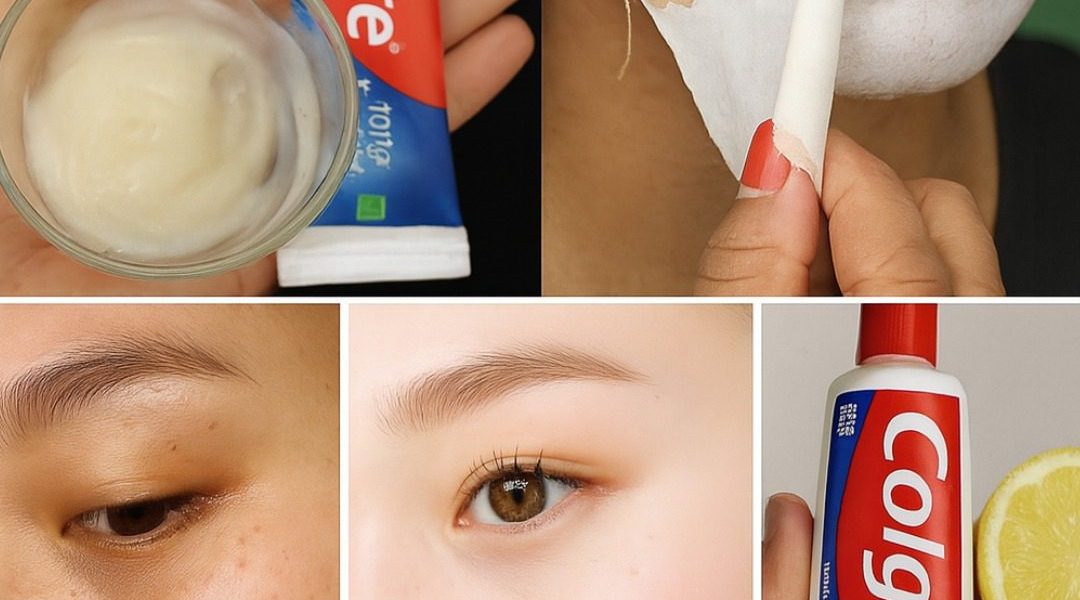
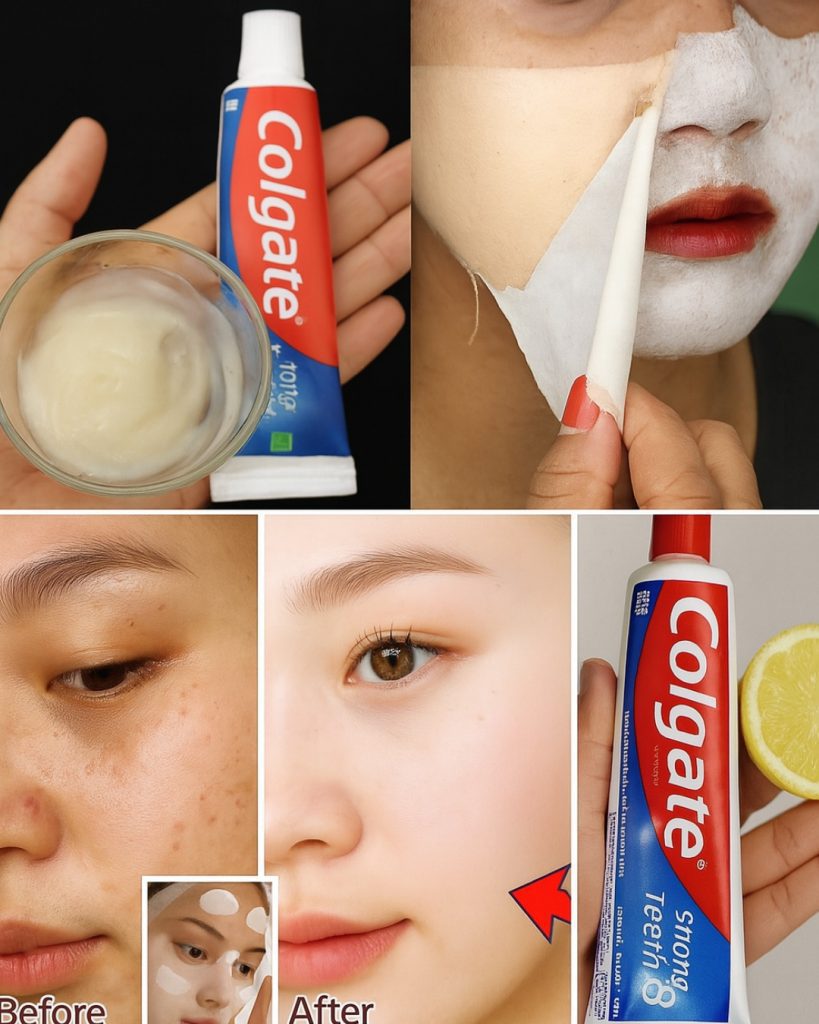
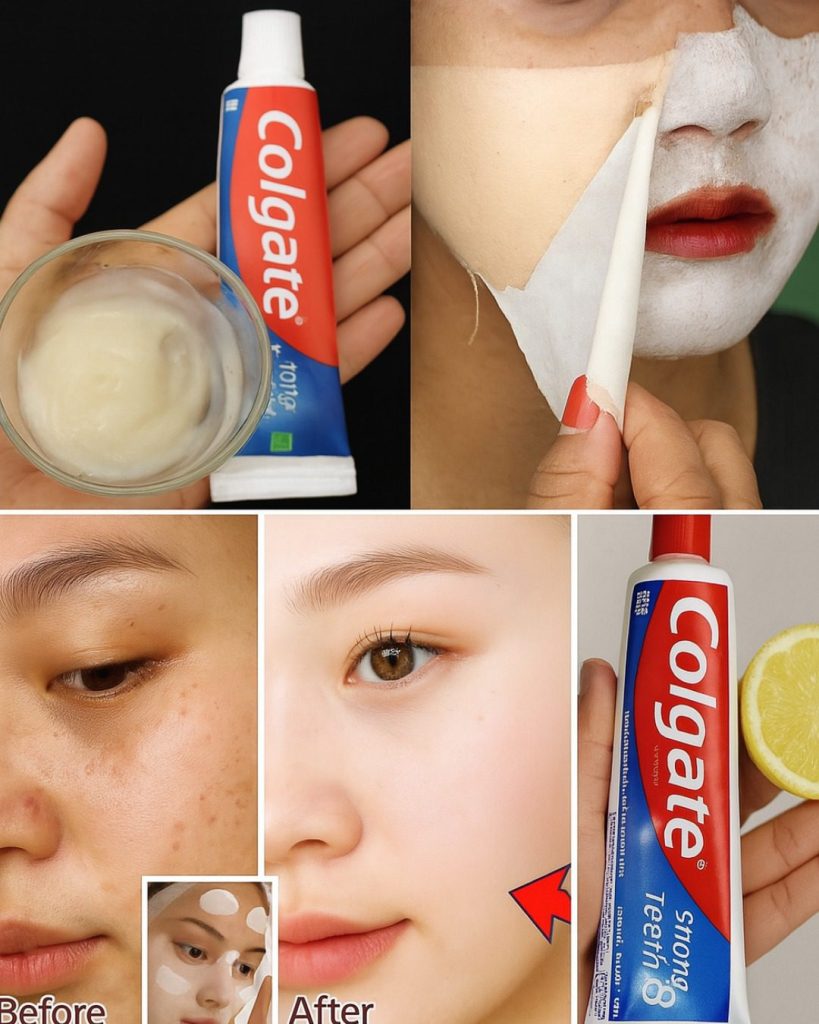
The theory behind this hack is that Colgate’s whitening agents and abrasives, combined with lemon’s bleaching and exfoliating properties, create a powerful duo for lightening skin. The idea is to mix a small amount of Colgate toothpaste with a few drops of fresh lemon juice, apply it as a face mask for 5-10 minutes, and rinse it off. Advocates claim it can fade acne scars, reduce pigmentation, and give your skin a brighter, more even tone.
The gritty texture of the toothpaste is said to exfoliate, while the lemon juice allegedly lightens discoloration. Some even suggest the tingling sensation means it’s “deep-cleaning” your pores. But does this combo deliver on its promises, or is it all just hype? Let’s explore the potential benefits and the very real risks.
🌈 The Promised Benefits: What’s the Hype About?
🥰 Brighter, More Even Skin Tone
Lemon juice’s vitamin C and citric acid can, in theory, reduce melanin production, which may lighten dark spots over time. Paired with the mild bleaching agents in some Colgate formulas, this mix might offer subtle brightening effects for some users. The exfoliating action of toothpaste abrasives could also help remove dead skin, revealing a fresher layer underneath.
🧼 Deep-Cleaning Sensation
The foaming agents in Colgate create a satisfying lather, making your skin feel squeaky clean. The minty freshness can give the illusion of a deep cleanse, which is why so many people are drawn to this hack. It’s a sensory experience that feels like it’s working, even if the results are questionable.
💸 Budget-Friendly Beauty
Let’s be real: skincare can be expensive. The Colgate and lemon hack is dirt cheap, using ingredients most people already have at home. For those who can’t afford high-end serums or treatments, this DIY remedy feels like an accessible way to achieve glowing skin without breaking the bank.
🚨 The Risks: Why You Should Think Twice
While the benefits sound tempting, the risks of using Colgate and lemon on your face are significant. Here’s why this hack could do more harm than good.
😣 Irritation and Sensitivity
Your facial skin is far more delicate than your teeth. The abrasives in toothpaste can cause microtears in your skin, leading to redness, irritation, and even peeling. Combine that with lemon juice’s harsh acidity, and you’ve got a recipe for a compromised skin barrier. This can make your skin more prone to breakouts, dryness, and sensitivity.
🔥 Chemical Burns and Phototoxicity
Lemon juice’s low pH can burn your skin, especially if left on too long or applied to broken skin (like acne or cuts). The phototoxic compounds in lemon, called psoralens, can cause severe reactions when exposed to sunlight. Imagine slathering this mix on your face, stepping outside, and ending up with painful blisters or stubborn dark patches. It’s a real risk that’s not worth taking.
🛑 Disruption of Skin’s Natural Balance
Your skin thrives on balance. The harsh ingredients in toothpaste and the extreme acidity of lemon juice can strip away natural oils, disrupt your skin’s microbiome, and weaken its protective barrier. This can lead to long-term issues like chronic dryness, increased sensitivity, or even premature aging—exactly the opposite of what you’re trying to achieve.
😔 Uneven or Worsened Pigmentation
Ironically, a hack meant to lighten skin can backfire. The irritation and inflammation caused by this mix can trigger post-inflammatory hyperpigmentation, leaving you with darker spots than before. For people with deeper skin tones, this risk is even higher.
🩺 What Do Experts Say?
Dermatologists and skincare experts overwhelmingly caution against using Colgate and lemon on your face. Toothpaste is not formulated for skin and can cause more harm than good, especially for those with sensitive or acne-prone skin. Lemon juice, while natural, is too unpredictable for safe use in DIY skincare. Experts recommend sticking to products specifically designed for facial use, with controlled ingredients and pH levels that respect your skin’s needs.
If you’re looking to brighten your skin, dermatologists suggest safer alternatives like vitamin C serums, niacinamide, or chemical exfoliants like glycolic acid. These products are rigorously tested, formulated for skin, and far less likely to cause damage.
🌿 Safer Alternatives for Brighter Skin
Want that glowing complexion without the risks? Here are some expert-approved alternatives to the Colgate and lemon hack.
🍊 Vitamin C Serums
A high-quality vitamin C serum can brighten skin, fade dark spots, and protect against free radical damage. Look for a product with 10-20% L-ascorbic acid and a pH below 3.5 for maximum efficacy. Unlike lemon juice, serums are formulated to be safe and effective for daily use.
🧴 Niacinamide
Niacinamide is a multitasking ingredient that brightens skin, reduces pigmentation, and strengthens the skin barrier. It’s gentle enough for all skin types and can be found in serums, moisturizers, and even budget-friendly products.
🧼 Gentle Exfoliants
Instead of abrasive toothpaste, opt for a chemical exfoliant like lactic acid or a physical exfoliant with smooth, skin-safe particles. These remove dead skin cells without causing microtears or irritation.
🧴 Sunscreen
No brightening routine is complete without sunscreen. Daily SPF 30 or higher protects your skin from UV damage, prevents dark spots, and ensures your brightening efforts aren’t undone by the sun.
🥄 How to Try This Hack (If You Must)
If you’re still curious about the Colgate and lemon hack, proceed with extreme caution. Here’s how to minimize risks:
- Patch Test First: Apply a small amount of the mix to your inner arm and wait 24 hours to check for irritation.
- Dilute the Mixture: Mix a tiny dab of Colgate with a few drops of lemon juice and dilute with water to reduce harshness.
- Limit Exposure: Leave the mixture on for no more than 2-3 minutes, and never apply it to broken or sensitive skin.
- Rinse Thoroughly: Wash it off completely and follow with a gentle moisturizer to restore your skin’s barrier.
- Avoid Sunlight: Never use this mix during the day, as lemon juice can cause phototoxic reactions.
Even with these precautions, the risks may outweigh the benefits. Consider safer alternatives for better results.
🌍 The Bigger Picture: Why DIY Trends Go Viral
The Colgate and lemon hack is just one of many DIY beauty trends that explode online. These hacks tap into our desire for quick, affordable solutions and the thrill of discovering something new. But they also highlight a broader issue: the spread of misinformation in the age of social media. Not every viral tip is vetted by experts, and what works for one person’s skin might wreak havoc on yours.
Before trying any DIY skincare hack, ask yourself: Is this backed by science? Is it safe for my skin type? Am I willing to risk irritation or damage? A little skepticism can save your skin—and your confidence.
🚀 Your Path to Glowing Skin
The dream of brighter, glowing skin is within reach, but it doesn’t have to come with risks. Instead of gambling with Colgate and lemon, invest in a skincare routine tailored to your needs. Start with a gentle cleanser, add a brightening serum, and never skip sunscreen. Consistency is key—small, intentional steps will yield better results than any viral hack.
If you’re tempted by the Colgate and lemon trend, let this be your wake-up call to prioritize your skin’s health. Your face deserves products that are safe, effective, and designed to make you shine. So, ditch the toothpaste, put down the lemon, and embrace a smarter approach to skincare. Your radiant complexion is waiting.