
Have you ever stumbled across a plant that seems almost magical in its healing potential? Imagine a humble succulent growing in your backyard, quietly holding centuries-old secrets to wellness. The Miracle Leaf, or Bryophyllum pinnatum, is exactly that—a plant celebrated across cultures for its remarkable properties. From soothing inflammation to supporting kidney health, this natural wonder has captured the curiosity of herbal enthusiasts and health seekers alike. But what makes this plant so special, and how can you use it safely? Let’s dive into the world of Miracle Leaf and uncover its traditional uses, potential benefits, and practical tips to harness its power. 🌿
What Is Miracle Leaf and Why Is It So Special?
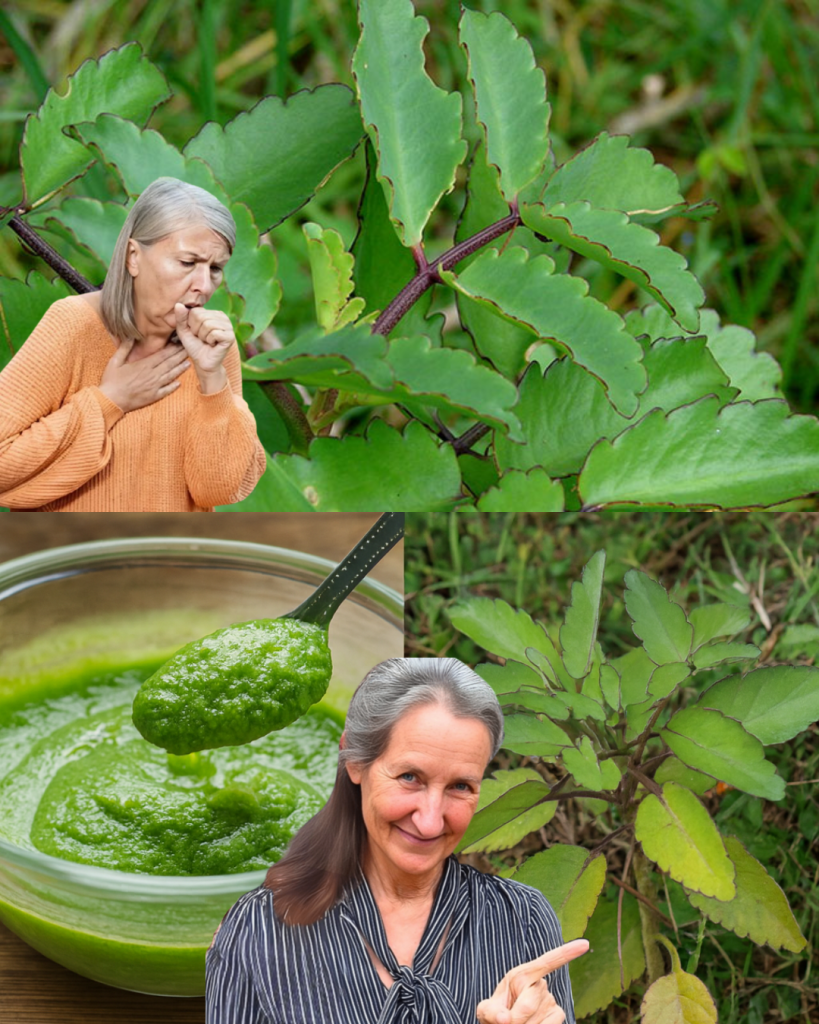
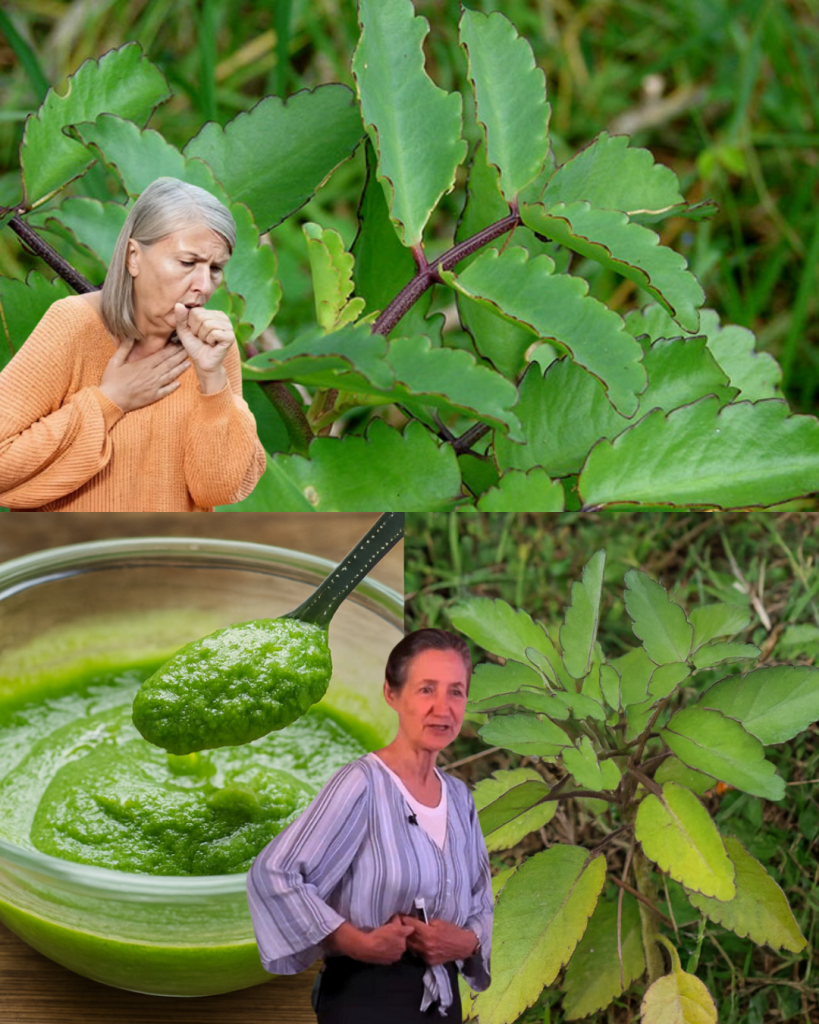
The Miracle Leaf, also known as Life Plant, Air Plant, or Patharchatta, is a succulent from the Crassulaceae family, thriving in tropical and subtropical regions like Asia, Africa, and the Caribbean. Its thick, fleshy leaves store water, making it a resilient plant that’s easy to grow. What sets it apart? Tiny plantlets sprout along the edges of its leaves, giving it a unique ability to propagate effortlessly—a trait that mirrors its reputation for vitality and renewal.
For generations, communities have turned to Miracle Leaf for its versatility in traditional remedies. Whether brewed into teas, crushed into poultices, or blended into juices, this plant has been a go-to for addressing everything from minor wounds to respiratory discomfort. But does it live up to the hype? Let’s explore its most celebrated uses and what science has to say.
Traditional Uses of Miracle Leaf: A Time-Honored Remedy
Supporting Kidney and Urinary Health
One of the most well-known uses of Miracle Leaf is its role in kidney health, particularly for those dealing with kidney stones. In traditional practices across India and the Caribbean, the juice of crushed Miracle Leaf leaves is consumed to support the body’s natural detox processes. It’s believed to act as a diuretic, helping flush out toxins and potentially reducing the formation of kidney stones.
What to know: While early studies highlight the plant’s diuretic and antioxidant properties, human research is limited. Always consult a healthcare provider before using it for kidney concerns.
Easing Inflammation and Swelling
Got sore muscles or swollen joints? Miracle Leaf has been a staple in folk medicine for tackling inflammation. In many cultures, the leaves are crushed into a poultice and applied directly to affected areas, offering a cooling effect that may soothe minor injuries, bruises, or even insect bites.
Why it works: The plant contains bioactive compounds that may reduce localized swelling. Its natural cooling sensation adds to its appeal for topical relief, especially for arthritis or back pain.
Promoting Wound Healing
The antibacterial and anti-inflammatory properties of Miracle Leaf make it a popular choice for wound care in traditional settings. From minor cuts to burns, crushed leaves are applied to clean skin to speed up healing and prevent infection.
Scientific angle: Lab studies suggest antimicrobial activity, but more research is needed to confirm its effectiveness in humans. Still, its long history of use speaks to its potential.
Supporting Respiratory Wellness
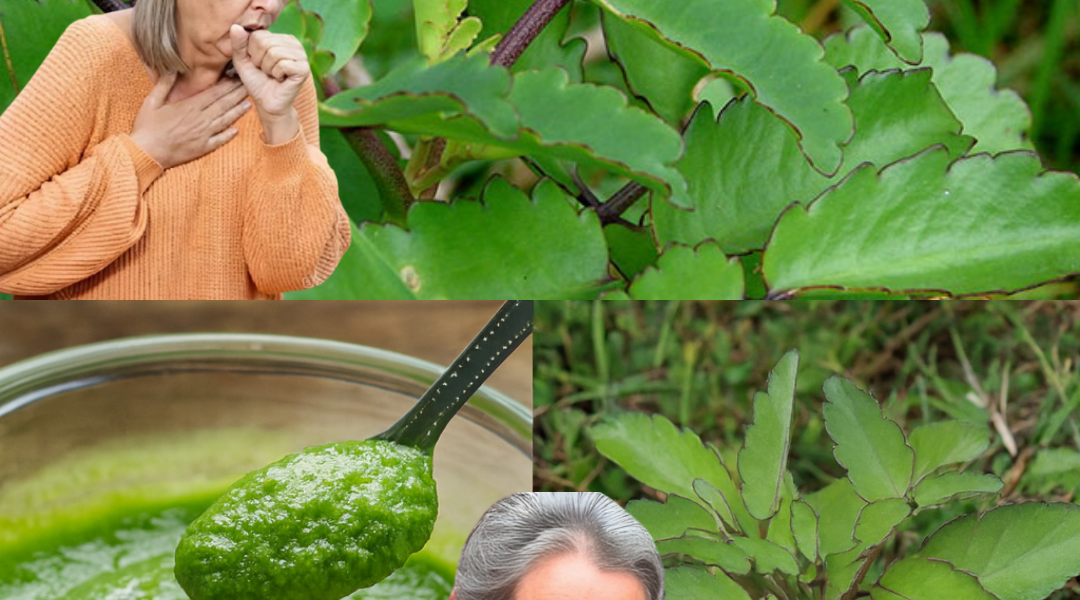
Struggling with a stubborn cough or congestion? In some cultures, Miracle Leaf tea or juice is used to ease mild respiratory issues. Often combined with honey or ginger, it’s believed to help loosen mucus and calm irritated airways.
How it helps: The plant’s soothing properties may provide relief for mild symptoms, making it a comforting home remedy during cold season. ✅
Harnessing Antioxidant Power
Like many green plants, Miracle Leaf is packed with antioxidants, which help combat oxidative stress in the body. These compounds may support healthy aging, boost immune response, and contribute to overall wellness when used as part of a balanced lifestyle.
Why it matters: Antioxidants are key to protecting cells from damage, making Miracle Leaf a potential ally for long-term health.
How to Use Miracle Leaf: A Step-by-Step Guide
Ready to try Miracle Leaf for yourself? Here’s a simple process to prepare and use it safely at home. Always start with caution and consult a professional if you’re unsure.
Step 1: Choose Fresh Leaves
- Select 2–3 healthy, green leaves from a well-maintained plant.
- Wash thoroughly under running water to remove dirt or debris.
Step 2: Prepare Your Remedy
- Juice: Blend the leaves with a small amount of water, then strain the mixture. Dilute with more water if needed.
- Poultice: Crush the leaves into a paste and apply directly to clean skin for inflammation or wounds.
- Tea: Boil 1–2 leaves in 1 cup of water for 5–10 minutes. Strain and sip slowly.
Step 3: Test for Sensitivity
- Start with a small amount (e.g., 1 teaspoon of juice or a small patch of poultice).
- Monitor for any skin irritation or digestive discomfort.
Step 4: Use Sparingly
- Limit use to 1–2 times per day for short periods.
- Avoid long-term or high-dose use without medical guidance.
Pro Tip: Combine with honey or ginger for a tastier tea, or apply poultices with a clean bandage for better absorption. 🔥
Safety First: What You Need to Know
While Miracle Leaf has a rich history of safe use in many cultures, it’s not without risks. Here are key cautions to keep in mind:
- Medication Interactions: The plant may interact with certain drugs, especially those for kidney or heart conditions.
- Allergic Reactions: Some individuals may experience skin rashes or digestive upset. Always test a small amount first.
- Pregnancy and Breastfeeding: Avoid use during pregnancy or breastfeeding unless approved by a doctor.
- Overuse Risks: Excessive consumption may lead to side effects like nausea or low blood pressure.
Before incorporating Miracle Leaf into your routine, consult a healthcare provider, especially if you have pre-existing conditions or are on medication.
Why Miracle Leaf Still Captivates Us
The allure of Miracle Leaf lies in its blend of tradition and potential. For centuries, it’s been a symbol of resilience and healing, passed down through generations of herbalists and home remedy enthusiasts. Its versatility—whether as a tea, poultice, or juice—makes it accessible to anyone curious about natural wellness. Yet, its true power lies in mindful use, combining ancient wisdom with modern caution.
Could this unassuming plant be growing in your backyard, waiting to share its benefits? Whether you’re drawn to its kidney-supporting properties or its soothing effects on inflammation, Miracle Leaf offers a glimpse into the incredible potential of nature’s pharmacy. Have you tried it yet, or do you know someone who swears by its effects? Share your story and keep the conversation growing!
This article is for informational purposes only and does not replace professional medical advice. Always consult your doctor before trying herbal remedies or making health changes.