
Imagine stumbling upon a plant so unassuming yet brimming with secrets that have captivated healers, scientists, and adventurers for centuries. Sida acuta, commonly known as common wireweed, is that plant—a humble green marvel with a global footprint and a treasure trove of benefits waiting to be explored. Native to Central America but now thriving across tropical and subtropical landscapes, this resilient herb is more than meets the eye. From its potent medicinal properties to its ecological impact, Sida acuta is a story of nature’s ingenuity that will leave you curious, inspired, and eager to learn more. Dive into the world of this extraordinary plant and discover why it’s a game-changer in both traditional and modern contexts.
🌱 A Plant with a Global Passport
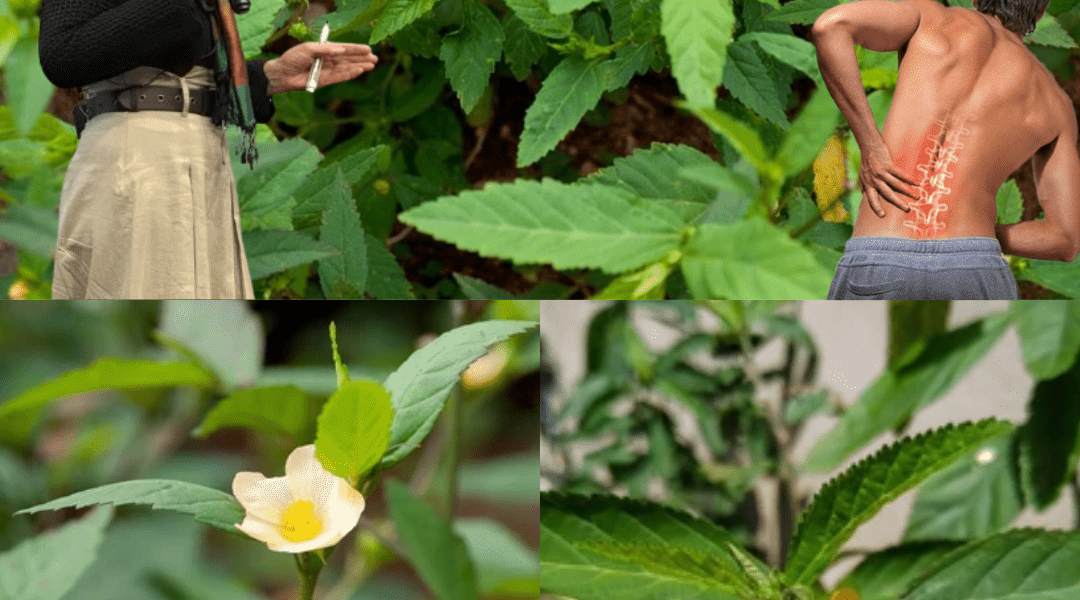
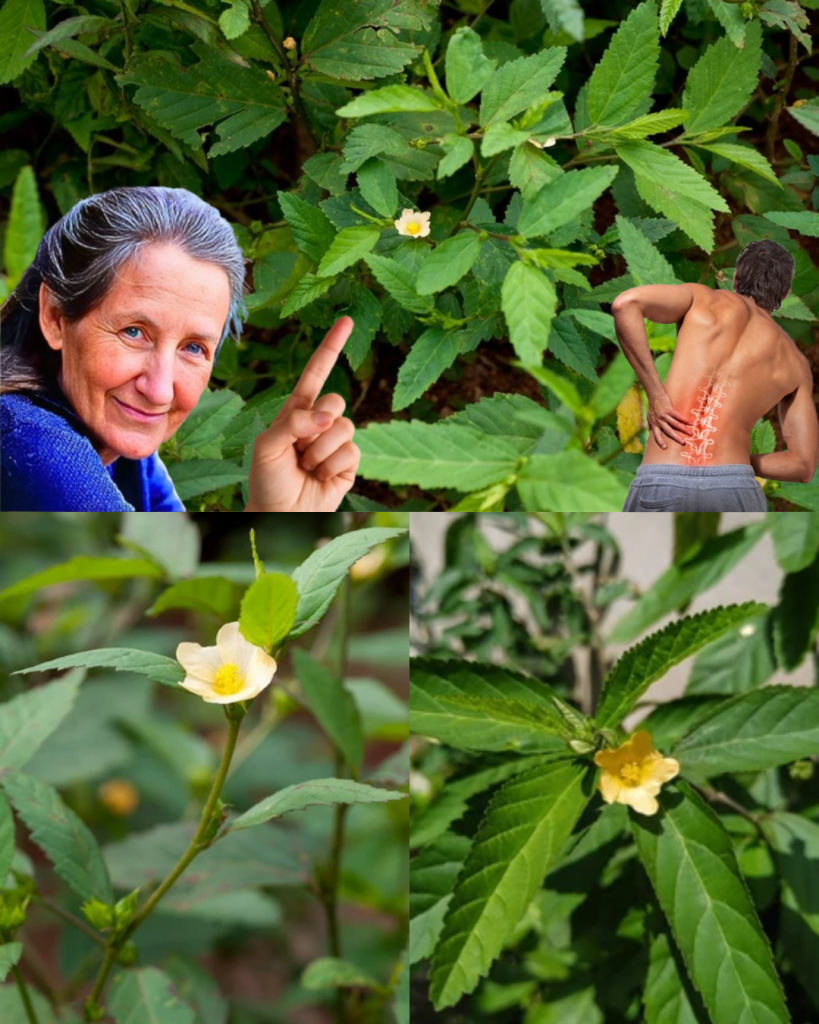
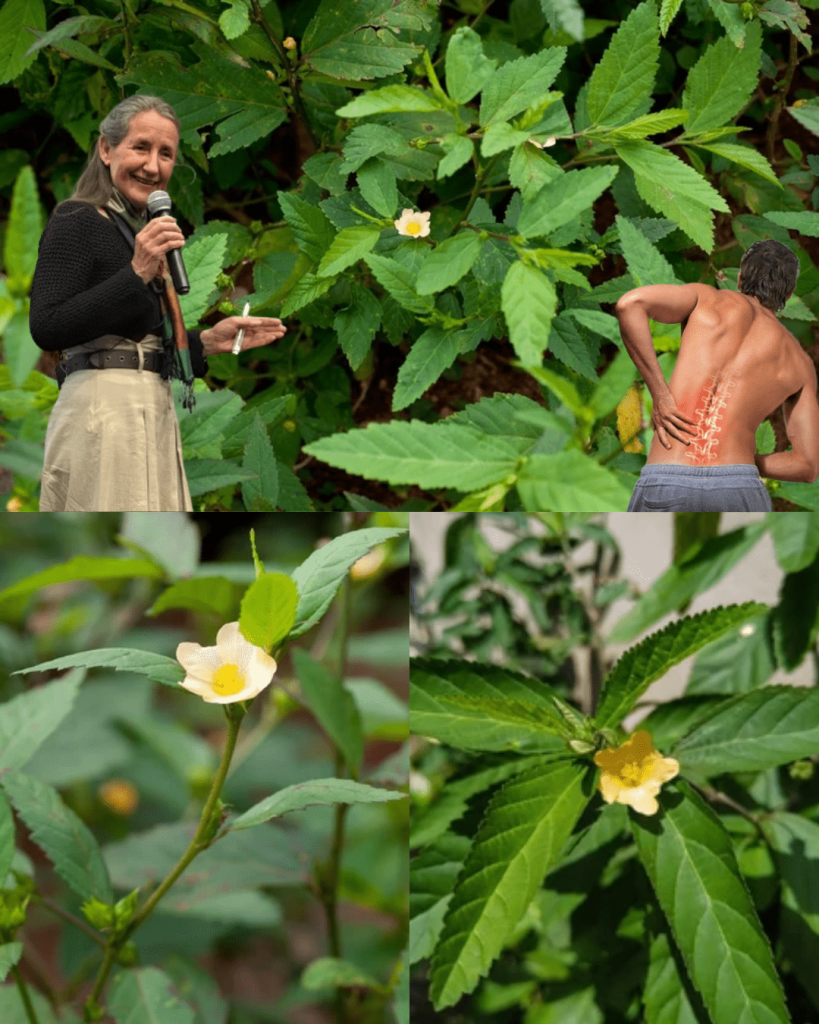
Sida acuta, a member of the Malvaceae family, is a true citizen of the world. Its slender, erect stems and lance-shaped leaves may seem ordinary, but this plant’s ability to thrive in diverse environments—from the humid tropics of Central America to the dry savannas of Australia—makes it a botanical wonder. Standing at 0.3 to 1.5 meters tall, its vibrant yellow flowers and tough, fibrous stems tell a story of adaptability. This isn’t just a plant; it’s a survivor, weaving itself into ecosystems across Africa, Asia, Australia, and the Americas. Its pantropical presence has earned it both admiration and scrutiny, as it’s cherished as a medicinal gem in some regions and labeled an invasive weed in others.
The plant’s journey began in Central America, but its seeds, carried by animals, clothing, and even contaminated agricultural produce, have spread its reach far and wide. In northern Australia, it’s known as spiny-head sida, a nod to its seed pods’ prickly nature. In Tamil Nadu, India, it’s called Arivalmooku pachilai, a name that echoes its revered status in Siddha medicine. This global traveler doesn’t just grow—it thrives, adapting to varied climates and soils with ease, making it a fascinating subject for anyone curious about nature’s resilience.
💊 A Pharmacy in Every Leaf
Sida acuta’s unassuming appearance belies its potent medicinal properties, which have been harnessed for centuries in traditional healing systems. From the villages of Burkina Faso to the herbal markets of India, this plant is a cornerstone of folk medicine. Its leaves, stems, and roots are packed with bioactive compounds—alkaloids, flavonoids, phenolics, and ecdysteroids—that give it a remarkable range of therapeutic powers. These compounds aren’t just chemical jargon; they’re the key to Sida acuta’s ability to address a host of ailments, from fevers to wounds.
🌟 Fever and Pain Relief: Feeling under the weather? Sida acuta has been used to combat fevers and headaches, offering natural relief that rivals modern over-the-counter remedies. Studies have shown its aqueous and ethanol extracts possess analgesic properties, effectively reducing pain in animal models by inhibiting inflammatory mediators.
🩺 Wound Healing Wonder: Got a stubborn cut or scrape? The plant’s antibacterial and antioxidant properties make it a stellar choice for wound healing. Research on rats has demonstrated that methanol extracts of Sida acuta significantly speed up the healing process, thanks to its ability to fight infection and reduce oxidative stress.
🛡️ Immune System Support: Sida acuta’s antimicrobial prowess is a game-changer. Its extracts have shown activity against pathogens like Salmonella, E. coli, and Staphylococcus aureus, making it a potential ally for those with compromised immune systems, including individuals with HIV/AIDS.
🩺 Blood Sugar Balance: For those managing diabetes, Sida acuta offers hope. Studies on diabetic rabbits have revealed that its extracts can lower blood glucose levels and improve glucose tolerance, showcasing its anti-diabetic potential.
From treating urinary disorders to soothing neurological complaints, Sida acuta’s versatility is staggering. In Burkina Faso, it’s a go-to remedy for abdominal pain and infections, while in India, its diuretic and anthelmintic properties are prized in Siddha and Ayurvedic practices. This plant isn’t just a remedy—it’s a testament to nature’s ability to heal.
🧠 A Sedative for the Soul
Ever wondered what a plant could do for your mind? Sida acuta goes beyond physical healing, offering calming effects on the nervous system. Its ethanolic extracts have been studied for their sedative and anxiolytic properties, making it a natural choice for those seeking relief from stress or insomnia. In experiments, high doses of the extract reduced latency to sleep and extended sleep duration in animal models, suggesting its potential as a gentle sedative. This aligns with its traditional use in regions like Sri Lanka, where it’s employed to soothe nervous disorders. Imagine a cup of Sida acuta tea as your evening ritual, easing you into a state of calm—nature’s answer to a hectic world.
🌍 An Ecological Enigma
While Sida acuta’s medicinal prowess is undeniable, its ecological impact is a tale of duality. In places like northern Australia, it’s considered an invasive species, forming dense stands that can outcompete native vegetation. Its seeds, encased in spiky mericarps, cling to animals and clothing, ensuring rapid spread across landscapes. This tenacity has led to its classification as an environmental weed in regions like Queensland and the Northern Territory, where it’s subject to strict control measures.
Yet, this same resilience makes Sida acuta a valuable resource in other contexts. Its fibrous stems are used for crafting ropes and textiles in some cultures, while its protein-rich leaves—up to 30% protein in some cases—are consumed as a nutritious food source in Haiti and other regions. Known as “poor people’s food,” it’s a survival plant that provides sustenance in challenging environments. This duality—weed or wonder—makes Sida acuta a captivating subject for ecologists and herbalists alike.
🐞 Taming the Wild: Biological Control
In regions where Sida acuta’s spread has become problematic, nature offers a solution in the form of a tiny beetle, Calligrapha pantherina. Since the late 1980s, this foliage-feeding chrysomelid has been introduced as a biological control agent in northern Australia and Papua New Guinea. By targeting Sida acuta’s leaves, the beetle reduces seed production, allowing native vegetation to reclaim lost ground. The success of this approach highlights the delicate balance of managing invasive species while preserving ecosystems—a reminder of nature’s complex interplay.
🌾 Growing Your Own Sida Acuta
Dreaming of cultivating this powerhouse plant? Good news: if you can grow tomatoes, you can grow Sida acuta. This hardy herb thrives in warm, sunny conditions, preferring well-drained soils and moderate watering. Its seeds, though small, are prolific, requiring a brief ripening period of 1-3 months before germination. Scarification—mechanically or bacterially breaking the seed’s hard coat—can boost germination rates, ensuring a thriving crop. Whether you’re in a tropical paradise or a temperate Zone 8 garden, Sida acuta can be grown as an annual or perennial, offering both medicinal and ornamental value.
To harvest, simply collect the leaves and stems, dry them in the shade, and store them in airtight containers. From teas to tinctures, the possibilities are endless. Imagine your backyard transformed into a living pharmacy, with Sida acuta as the star.
🔬 The Science Behind the Magic
Sida acuta’s power lies in its chemical composition. Scientists have identified over 140 compounds in the Sida genus, with alkaloids, flavonoids, and phenolics leading the charge. These compounds are responsible for the plant’s antioxidant, anti-inflammatory, and antimicrobial effects. For instance, its phenolic content—measured at 15.35 mg GAE/100mg extract—contributes to its ability to scavenge free radicals, protecting cells from damage. Meanwhile, flavonoids enhance its analgesic properties, making it a natural pain reliever. The presence of 20-hydroxyecdysone in its seeds adds to its pharmacological intrigue, hinting at potential applications in modern medicine.
Research continues to uncover new facets of Sida acuta’s potential. From its low toxicity (LD50 values indicate it’s practically non-toxic when taken orally) to its efficacy in herbal ointments, this plant is a goldmine for pharmaceutical innovation. Its ability to address skin infections, reduce blood sugar, and even combat neurological disorders positions it as a candidate for future nutraceuticals and herbal drugs.
🍵 How to Use Sida Acuta Safely
Ready to harness Sida acuta’s benefits? While it’s a natural powerhouse, caution is key. The recommended dosage for Sida acuta seed extract is 0.6-1.8g per day, but always consult a healthcare professional before use, especially if you’re pregnant, breastfeeding, or managing chronic conditions like diabetes or heart disease. Unlike its cousin, Sida cordifolia, which contains ephedrine and is banned in some regions, Sida acuta is generally safe when used appropriately. Its low toxicity profile makes it a promising option for traditional and modern applications, but always prioritize professional guidance.
For topical use, consider creating an ointment with polyethylene glycol (PEG) and Sida acuta extracts, which have shown significant efficacy against bacterial skin infections. For internal use, teas or tinctures made from dried leaves can deliver its medicinal benefits. The key is moderation and mindfulness—nature’s gifts are powerful, but they demand respect.
🌟 Why Sida Acuta Matters
Sida acuta isn’t just a plant; it’s a bridge between ancient wisdom and modern science. Its ability to heal, nourish, and adapt speaks to the resilience of nature and the ingenuity of those who have used it for millennia. Whether you’re an herbalist seeking natural remedies, an ecologist studying invasive species, or a gardener looking for a hardy addition to your plot, Sida acuta has something to offer. Its story is one of survival, healing, and possibility—a reminder that even the most unassuming plants can hold extraordinary power.
As you explore the world of Sida acuta, you’re not just learning about a plant; you’re uncovering a piece of nature’s puzzle. Its global journey, medicinal might, and ecological impact make it a subject worth celebrating. So, the next time you spot a cluster of yellow flowers swaying in the breeze, take a closer look—it might just be Sida acuta, ready to share its secrets with you.