🛏️ What Your Sleep Position Reveals About Your Health—And Why You Should Change It Tonight

When you think of health, you probably picture green smoothies, gym sessions, or stress management routines. But what if one of the most powerful health influencers is actually how you sleep? Not how much—but how. Yes, your sleeping posture could be quietly sabotaging your energy, mood, and even long-term well-being every single night.
Let’s pull back the covers on something we often overlook: the way your body rests for one-third of your life. You might be surprised just how much it matters—and how simple changes can make you feel completely different in the morning.
😴 Why Sleeping Posture Isn’t Just a Preference—It’s a Health Habit
Imagine spending 7 to 9 hours a night holding your neck at an awkward angle or putting pressure on your lower back. That’s what poor sleep posture does. Over time, these minor misalignments can lead to chronic pain, restless nights, and even issues like nerve compression or breathing problems.
Good sleep posture isn’t about looking pretty in bed—it’s about supporting your spine, helping your lungs expand properly, and giving your muscles time to truly rest and repair.
🚫 Three Common Sleeping Positions That Could Be Hurting You
- Stomach Sleeping
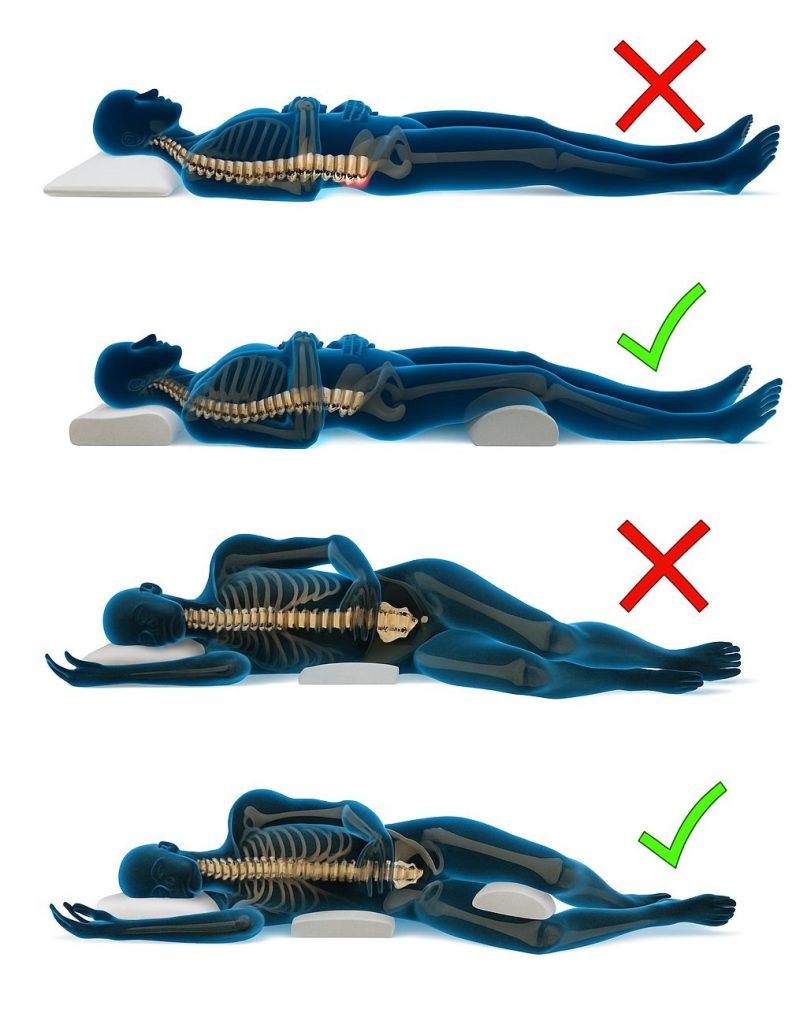
This position might feel comforting at first, but it’s tough on your body. Your neck has to twist to the side to let you breathe, flattening your natural spine curve and stressing the lower back.
You might not notice it during the night, but waking up with a stiff neck, sore lower back, or lingering headaches could be your body’s way of protesting.
- Sleeping with Arms Overhead
Tucking your arms under a pillow or stretching them above your head might feel like a cozy cocoon, but it can pinch nerves and restrict blood flow.
If you ever wake up with tingling, numbness, or shoulder pain, this might be the hidden culprit. It’s a signal that your nerves are getting compressed, and circulation is being disrupted while you rest.
- Tightly Curled-Up Fetal Position
Sleeping on your side is generally good—but curling into a tight ball? Not so much.
When your knees are drawn up high and your chin is tucked, your chest compresses, your breathing becomes shallow, and your spine strains under unnatural pressure. Over time, this can limit mobility and contribute to pain in the lower back and neck.
✅ The Best Position According to Experts: Left Side Sleeping
If there’s a gold medal for sleeping positions, the left side wins. And not just because it feels good—science backs it up. Here’s why this position checks nearly every box for optimal rest:
✔️ Better Digestion: Sleeping on your left side helps your stomach naturally move food into your intestines, reducing bloating and heartburn.
✔️ Less Acid Reflux: Gravity keeps stomach acid where it belongs—away from your esophagus.
✔️ Improved Circulation: This position supports blood flow to the heart and is especially helpful for pregnant women or those with high blood pressure.
✔️ Reduced Snoring and Sleep Apnea: Keeping your airway open on your left side helps you breathe easier throughout the night.
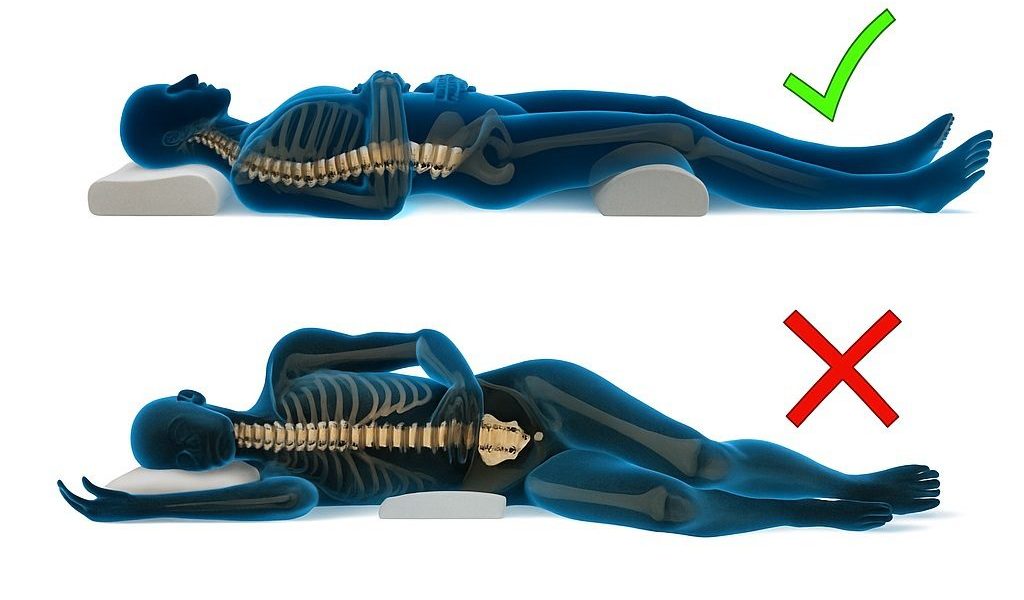
✔️ Natural Spine Alignment: It supports your back’s natural curves, reducing muscle strain and promoting restorative sleep.
💡 Helpful Tools to Train Your Sleep Posture
Don’t worry if left-side sleeping doesn’t come naturally. With a few tweaks, you can make the transition more comfortable:
🛏️ Use a full-body pillow to prevent rolling onto your back or stomach.
🧠 Choose a pillow that supports your head in line with your spine—not too high, not too flat.
🦵 Place a pillow between your knees if you sleep on your side to reduce hip and lower back strain.
🌙 Other Nightly Habits That Affect Sleep Quality
Your posture is crucial, but the environment you sleep in matters too. Try these simple changes tonight:
📱 Limit screens before bed: Blue light confuses your body’s natural sleep rhythm.
🌡️ Keep the room cool and dark: A quiet, cool environment promotes deeper and more restorative sleep.
🛏️ Invest in the right mattress: A medium-firm mattress typically offers the best support for spinal alignment.
🕯️ Establish a calming bedtime routine: Gentle stretching, deep breathing, or aromatherapy can help your body shift into rest mode.
🧠 Why This Matters More as You Age
The older we get, the more sensitive our bodies become to stress and alignment. Poor sleep posture can worsen joint pain, increase inflammation, and lead to slower healing from everyday strain.
But by simply adjusting how you sleep, you support your spine, lungs, and digestion—all essential for keeping energy levels high and pain levels low.
💤 The Bottom Line: Your Body Talks While You Sleep—Are You Listening?
Sleep is supposed to heal you. If you’re waking up more tired than before, or with aches you can’t explain, your sleep posture may be silently working against you.
Tonight, take a moment to tune in. Is your head resting comfortably? Are your joints supported? Is your spine aligned?
You don’t need a new lifestyle to feel better—just a new sleeping position. And sometimes, that’s all it takes to wake up feeling like yourself again.
🛌 Small shifts. Deep rest. Big rewards.