
🌱 What if there was a plant so resilient it could grow in poor soil, under harsh conditions, and still deliver powerful nutrition and healing benefits? What if this same plant—once sacred to ancient civilizations—is now quietly making a comeback in modern health circles?
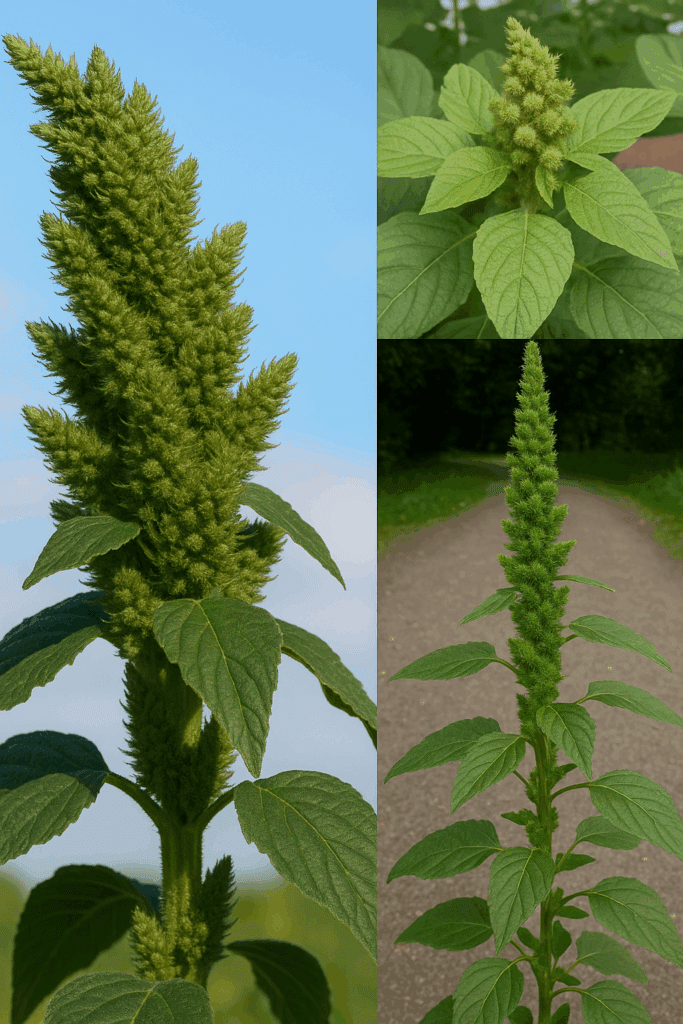
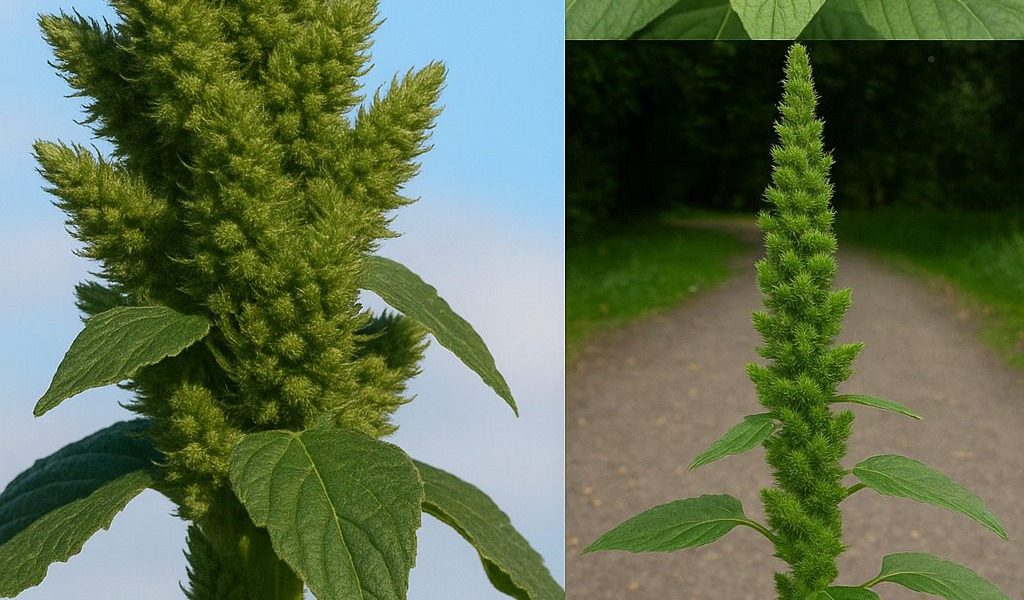
Welcome to the world of Amaranth—a towering, vibrant plant with spiky green flower heads and broad leaves, often mistaken for a weed. But don’t be fooled. This plant is a nutritional powerhouse and natural remedy rolled into one, revered for its ability to nourish, protect, and restore the body.
🌿 What Is Amaranth?
Amaranth belongs to the Amaranthaceae family and is known for its leafy greens and tiny seeds, both of which are edible and highly beneficial. With its tall, feathery green flower clusters (as seen in the image), this plant has been cultivated for over 8,000 years.
In ancient Aztec and Inca civilizations, it was more than food—it was medicine and ritual.
Why it matters:
- 🌾 Rich in protein, calcium, iron, magnesium, and antioxidants
- 🌾 Gluten-free and high in fiber
- 🌾 Contains squalene, which protects cells from free radical damage
Every part of the plant—leaves, seeds, and even stems—can be used for health support.
💪 Health Benefits That Make Amaranth a Super Plant
✅ Boosts Immunity
Amaranth leaves are loaded with vitamin C and antioxidants, helping the body fend off infections and inflammation naturally.
✅ Strengthens Bones
With a rich supply of calcium, magnesium, and phosphorus, amaranth helps maintain strong bones and prevent osteoporosis—making it especially valuable for aging adults.
✅ Supports Heart Health
Its fiber content helps lower bad cholesterol, while squalene and other plant compounds improve circulation and reduce oxidative stress.
✅ Improves Digestion
Amaranth greens and seeds are gentle on the stomach, support regular bowel movements, and reduce bloating—perfect for sensitive digestion.
✅ Balances Blood Sugar
Low on the glycemic index and high in fiber and protein, amaranth helps stabilize blood sugar levels, making it ideal for diabetics and those managing insulin sensitivity.
🥗 How to Use Amaranth in Daily Life
Amaranth is both a healing herb and a versatile superfood. Here’s how you can incorporate it:
🌿 Leaves:
- Steam or sauté like spinach
- Add to soups, stir-fries, and curries
- Juice for a concentrated mineral tonic
🌾 Seeds:
- Cook like quinoa for porridge or side dishes
- Use as flour in gluten-free baking
- Pop like popcorn for a crunchy snack
🍵 Herbal tea (from young leaves):
- Steep a few fresh leaves in hot water
- Strain and drink for blood-boosting and anti-inflammatory benefits
It’s easy to grow, easy to use, and easy to love 🌱
🌍 A Plant of the Future with Ancient Roots
Amaranth isn’t just a trend—it’s a resilient, nourishing solution for food security, wellness, and natural healing. It adapts to changing climates, supports whole-body health, and carries a legacy of reverence from some of the world’s most powerful ancient cultures.
Whether you’re healing your body, enriching your diet, or just looking for the next super plant to grow in your backyard—amaranth is a green giant worth welcoming into your life.
✨ Ancient strength, modern vitality. That’s the power of amaranth 🌿