Dealing with flies, mosquitoes, and ants can quickly turn your outdoor
haven into a battleground. These pests are not only a nuisance but can also
carry diseases and cause discomfort. Thankfully, nature has a solution. By
adding these plants to your garden or patio, you can create a natural
barrier to keep unwanted bugs at bay while enhancing the beauty of your
space.
1. Basil
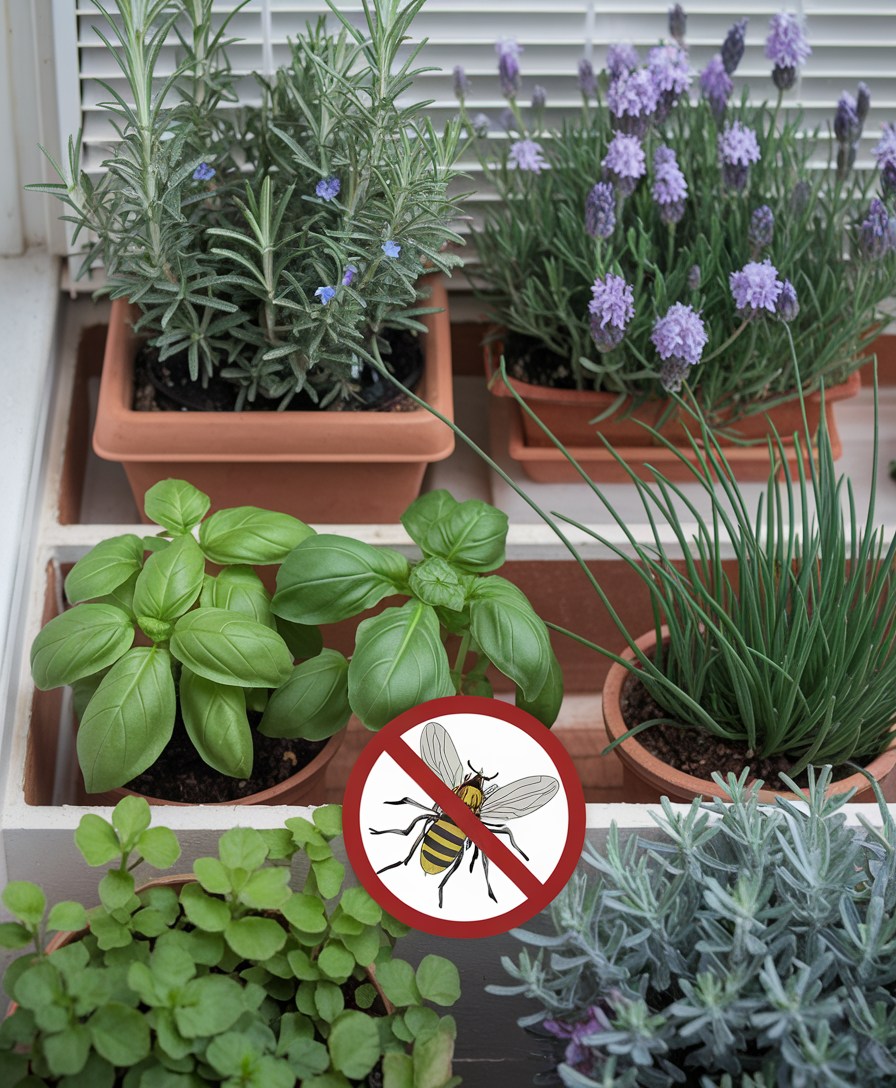
The strong aroma of basil is a natural deterrent to mosquitoes, flies, and
other pests. Simply having basil plants around your garden or patio can help
keep these bugs away. Additionally, you can make an insect repellent spray by
steeping fresh basil leaves in boiling water, letting the mixture cool, and
adding vodka for extra potency.
Basil
thrives in full sun and nutrient-rich, moist soil. While it’s typically grown
as an annual, in USDA zones 10-11, basil can be a perennial.
2. Lavender
Lavender’s sweet, calming scent is a favorite for humans but disrupts a
mosquito’s sense of smell, making it an effective natural repellent. The
essential oils in lavender flowers boast an 80.9% repellency rate against
certain mosquito species. You can use lavender oil directly on your skin as a
natural mosquito repellent, and hanging dried lavender in your closet can also
keep moths away. This versatile plant thrives in full sun and well-draining
soil, making it a perfect addition to your pest-free garden.
3. Mint
Mint’s fresh and invigorating aroma is a nightmare for mosquitoes, flies, and
ants. You can also dry the leaves and use them inside your home as a natural
pest control method. However, mint is highly invasive when planted directly in
the ground, so it’s best to grow it in pots to prevent it from overtaking your
garden. Whether fresh or dried, mint is a great way to keep pests at bay while
adding a lovely scent to your space.
4. Rosemary
Rosemary’s woody fragrance repels mosquitoes, cabbage moths, and carrot flies.
To make a simple insect spray, boil a quart of dried rosemary in water for
20-30 minutes, then strain it into a container of cool water. This liquid can
be used as a bug repellent when needed. Rosemary thrives in sunny, hot, and
dry climates, making it an ideal plant for a sunny garden spot.
5. Citronella
Citronella grass is well-known for its oil, a common ingredient in natural
mosquito repellents. This low-maintenance plant grows best in USDA zones 10-11
and loves warm weather. Besides its mosquito-repelling properties, citronella
adds a refreshing lemony scent to your garden or patio, creating a pleasant
outdoor atmosphere.
6. Marigold
Marigolds are vibrant flowers that not only beautify your garden but also
act as natural pest repellents. They effectively deter mosquitoes, aphids,
and nematodes. These hardy plants thrive in full sun and well-drained
soil, tolerating dry conditions well. Marigolds are an excellent choice
for adding a splash of color while keeping bugs at bay.
7. Eucalyptus
Eucalyptus is a multipurpose plant that repels mosquitoes, flies, and ants
with its fresh and distinct aroma. You can make your own eucalyptus oil
spray by boiling the leaves and mixing the strained liquid with vodka.
However, keep in mind that eucalyptus can be toxic to pets, so place it
carefully if you have animals around. Its dual-purpose functionality makes
it a valuable addition to any garden.
8. Catnip
Catnip contains a compound called nepetalactone, which is incredibly
effective at deterring mosquitoes and flies. Research suggests that it may
be even more effective than DEET. Catnip grows best in sunny spots with
well-draining soil and can reach heights of three to four feet. Its
lavender flowers are a bonus, adding beauty while keeping pests at bay.
9. Lemon Balm
Lemon balm does double duty as a mosquito repellent and a soothing herb
for upset stomachs and stress relief. It also attracts pollinators like
bees and butterflies while keeping fleas away from pets. However, lemon
balm is highly invasive and spreads quickly. To keep it contained, it’s
best to grow it in pots rather than directly in the ground.
10. Sage
Sage is a versatile perennial plant that helps keep pests away with its
earthy aroma. Tossing sage into a fire creates a smoke that repels
mosquitoes and other bugs. Sage thrives in USDA zones 5-8 but can also be
grown in pots and brought indoors during colder months. It prefers full
sun and well-draining soil, making it easy to maintain.